Why Compact SUVs Operating Function Matters

A compact SUV’s operating functions matter because the vehicle is often chosen to do several everyday jobs without the bulk of a larger SUV. Seat folding, cargo access, low-speed maneuvering, powertrain response, and traction settings determine how smoothly it moves between commuting, shopping, carrying passengers, and weekend travel.

Compact dimensions help only if the actual vehicle is easy to use in those situations. Learn the controls and test the sequence of common tasks rather than judging isolated features. A large cargo figure, an all-wheel-drive badge, or a responsive accelerator cannot establish that the complete daily routine will work.

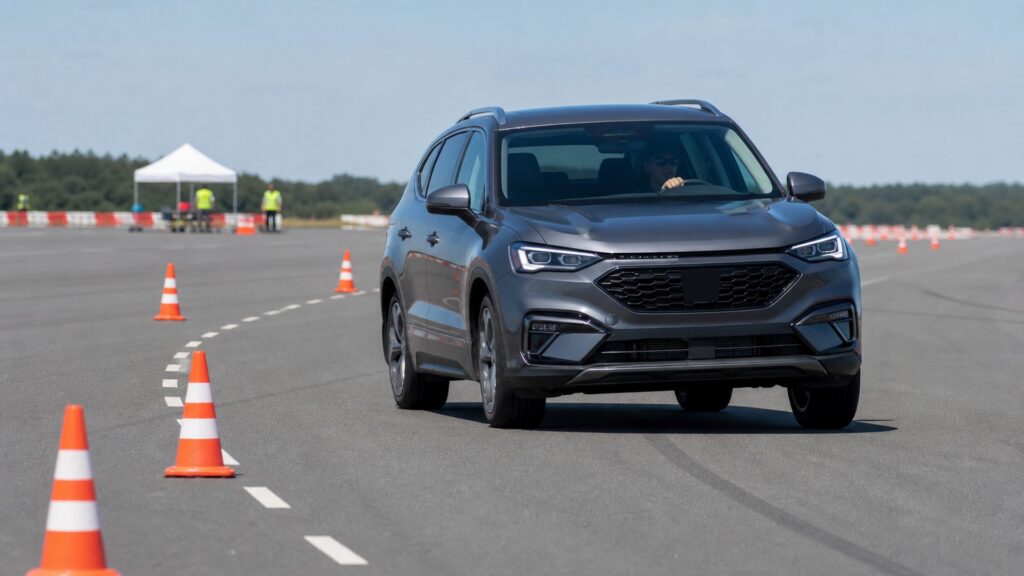
By: Review Streets Research Lab
Updated: September 30, 2026
Explainer · 8-12 min read
compact suvs explainer hero image for Review Streets
What You'll Learn

Test the Repeating Tasks Before Judging the Features

A useful compact SUV makes its available space and controls easy to use.

  • Try passenger and cargo arrangements as a sequence.
  • Assess access and parking with the normal driver position.
  • Evaluate powertrain response during ordinary driving.
  • Use drive and traction modes according to their instructions.
  • Check the loaded task against ratings and equipment.

Tip: A feature is most valuable when it removes a real recurring inconvenience.

Definitions

Functions That Shape Everyday Compact SUV Use

These concepts translate equipment into practical tasks.

Cabin flexibility

The permitted ways seats and storage can be arranged for people or cargo.

  • Example: A split rear seat allows a long item beside an occupied position where suitable.
  • Check: Check the actual arrangement and cargo-securing provisions.
  • Limit: Flexibility does not remove restraint or load requirements.

Load access

The ability to move items through openings into usable cargo space.

  • Example: A bulky stroller must pass the tailgate opening and sit securely inside.
  • Check: Try the opening, floor height, and final position.
  • Limit: Total volume does not establish whether a particular item fits.

Maneuvering clearance

Space needed for the vehicle and its body path during low-speed movement.

  • Example: A parking approach requires a turn before the final bay.
  • Check: Test the approach as well as the parked position.
  • Limit: A compact label does not guarantee every tight maneuver.

Powertrain response

How propulsion reacts to driver input under current conditions.

  • Example: An ordinary merge tests whether response feels predictable.
  • Check: Assess the actual engine, hybrid, or electric version.
  • Limit: Peak output does not describe all daily behavior.

Traction mode

A selectable setting intended to alter control behavior for stated conditions.

  • Example: A supported surface mode changes how the fitted system manages drive.
  • Check: Read its purpose and operating restrictions.
  • Limit: It does not create unlimited grip or increase weight ratings.

Rated task

A carrying or towing job verified against the exact vehicle’s limits and equipment.

  • Example: A small trailer is assessed with passengers and luggage included.
  • Check: Check all applicable ratings and required hardware.
  • Limit: Visual size or engine strength alone cannot authorize the task.

Tip: Test each function in the arrangement where it will actually be used.

From passengers to cargo

Check the Seat-Change Sequence

A split-folding seat can be useful, but restraints, front-seat positions, head restraints, and luggage can affect the permitted procedure. Try the transition between the normal passenger layout and the intended cargo layout. Confirm that seats lock correctly when returned to use and that carried items can be secured appropriately.

  • Retain every passenger position needed for the journey.
  • Follow the specified folding and restoration procedure.
  • Check access to belts and required controls afterward.

If carrying a weekly bulky item requires removing a child restraint each time, that recurring effort matters. Another seat split or cargo shape may serve the same household more conveniently.

Loading the actual items

Judge Openings and Access Alongside Volume

Cargo usefulness depends on the tailgate opening, floor shape, loading height, and surrounding parking space. Bring representative items when practical and test whether they can be loaded without an awkward maneuver. Also check the room needed to open the hatch in the garage or usual parking location.

  • Try bulky objects in their normal travel orientation.
  • Check underfloor storage without assuming it is present.
  • Allow room for a person to load and unload.

A compact may have enough interior volume for a box but an opening that makes it difficult to insert. The relevant function is getting the item in and secured, not only finding a favorable number on a specification sheet.

Low-speed control

Make the Smaller Footprint Work for the Driver

Parking ease depends on more than body length. Seat position, steering behavior, mirror width, close visibility, and camera coverage all contribute. Test normal approaches and reversing tasks while keeping direct observation and the surrounding area central to the maneuver.

  • Adjust the seat and mirrors before evaluating sightlines.
  • Check turns into the spaces used most often.
  • Learn the available camera views and their blind areas.

An SUV that feels easy on an open road may need more care entering a narrow driveway. A realistic low-speed trial helps establish whether compact dimensions translate into useful convenience for the regular driver.

Propulsion and settings

Learn the Version You Will Actually Drive

Gasoline, hybrid, and electric compact SUVs can respond differently to accelerator release, acceleration, and low-speed inputs. Drive modes can also alter behavior. Use a representative test drive to assess smooth, predictable control, and learn readiness or parking indications where quiet operation makes sound an unreliable cue.

  • Confirm the selected direction before moving.
  • Read the purpose and limits of available driving modes.
  • Practice unfamiliar deceleration behavior in a suitable setting.

A hybrid engine starting or an EV changing its deceleration contribution can reflect normal system operation. Understanding the exact vehicle avoids treating a familiar-looking cabin as proof that every control behaves like the previous car.

Beyond the commute

Verify Loaded and Poor-Weather Tasks Separately

All-wheel drive and surface settings may help manage driving traction within their design limits, but they do not replace suitable tires, observation, or appropriate speed. Likewise, cargo and towing jobs need exact ratings. Evaluate the occasional demanding task before assuming a convenient commuter can perform it without preparation.

  • Use only modes and surfaces permitted by the manual.
  • Count people, cargo, accessories, and relevant hitch load.
  • Confirm towing permission and required equipment where applicable.

A compact that comfortably handles two occupants may have little remaining allowance for a loaded family trip with added equipment. Space, load limits, and the intended route must be considered together.

Quick Reality Check

Convenient Features and Verified Capability

The distinction helps explain what a successful demonstration proves.

A convenience feature can improve…

Seat changes, loading access, parking information, or control familiarity.

The effort required to complete a task the vehicle is suited to perform.

A capability check still establishes…

Whether the people, load, trailer, and equipment meet the vehicle’s limits.

Whether the final arrangement preserves access, restraints, and safe operation.

Common Myths

Misconceptions About Compact SUV Function

A smaller vehicle still needs the right setup and understood controls.

Does maximum cargo volume describe space with all seats occupied?

Not necessarily. Check the seating configuration used for that figure.

Does all-wheel drive make every road condition manageable?

No. Available grip, tires, weather, and operating limits still apply.

Will every compact SUV feel the same to drive?

No. Powertrain, steering, suspension, settings, and equipment change the experience.

Does an accessory create extra payload?

No. Its own weight contributes to the applicable load; it does not raise the vehicle’s rating.

Tip: Evaluate a feature by completing the real task, then check the limits that still apply.

FAQ

Questions for a Useful Compact SUV Test Drive

Include the maneuvers and arrangements that recur most often.

What should I test while parked?

Driving position, control reach, seating changes, restraint access, tailgate clearance, and the fit of typical cargo.

What should I notice on the road?

Predictable response, comfortable control, visibility, ride, and the behavior of any unfamiliar deceleration or assistance settings.

How do I know which traction mode to use?

Consult the instructions for the fitted system. Names and permitted conditions differ by model.

Can a short drive establish towing suitability?

No. Verify ratings, equipment, load accounting, and operating guidance for the exact vehicle and trailer.

Bottom Line

Compact SUV operating functions are valuable when they make the actual daily routine easier.

Test cabin changes, loading, parking, powertrain response, and demanding tasks as complete activities rather than isolated features.

Next Steps

Go Deeper or Compare Your Options

Use these Review Streets paths to compare related categories and practical next decisions.

Vehicles

Compare related vehicle choices against the same carrying needs and driving routine.

SUVs

Compare related vehicle choices against the same carrying needs and driving routine.

Compact SUVs

Explore Compact SUVs with your passenger, cargo, and ownership requirements in mind.

Further reading: Driver assistance capabilities and limits; Vehicle-specific towing information; Hybrid operating basics; One-pedal operating examples. Use the owner’s manual for the exact vehicle’s instructions and limits.