Why Compact SUVs Safety Factors Matters

Safety factors matter in a compact SUV because a convenient size and elevated seating position do not establish how well a particular vehicle protects its occupants or helps avoid a crash. Structure, restraints, tires, visibility, driver assistance, and current condition all need assessment. The compact label is a starting point for shopping, not a safety verdict.

For a household, the most useful checks connect published evidence with the way the SUV will actually be used. Read the correct crash results, try the intended child restraints and passengers, inspect sightlines, and verify that luggage can be secured without compromising seating or visibility. A vehicle must work safely in its real arrangement, not only in a showroom demonstration.

By: Review Streets Research Lab
Updated: September 30, 2026
Explainer · 8-12 min read
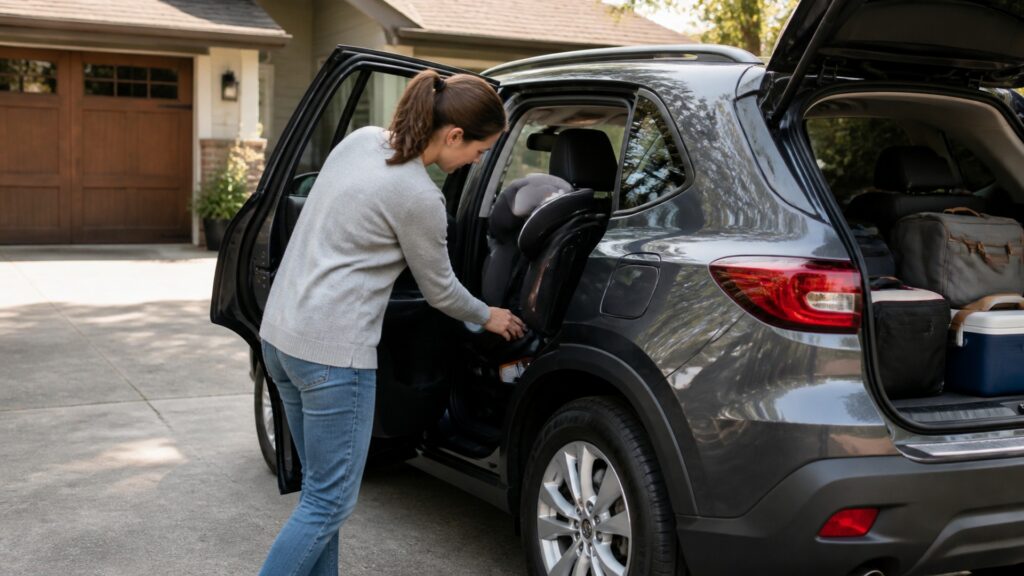
compact suvs explainer hero image for Review Streets
What You'll Learn

Assess Protection, Fit, and Control Together

Look at the exact vehicle and the people who will use it.

  • Read crash results within valid comparison limits.
  • Check child-restraint installation and belt access.
  • Assess close visibility in normal parking situations.
  • Maintain tires, braking, and loading within instructions.
  • Understand assistance features without relying on them as guarantees.

Tip: A good rating and a good fit answer different questions; a useful safety assessment includes both.

Definitions

Six Safety Factors for a Compact SUV

These concepts connect evidence and everyday use.

Crashworthiness

The ability of structure and restraints to protect occupants in a collision.

  • Example: A published side-impact result describes a defined test.
  • Check: Match the model year and applicable test configuration.
  • Limit: No single test represents every crash.

Crash avoidance

Technology and driver actions intended to prevent or reduce collision severity.

  • Example: Automatic braking may intervene in a detected hazard.
  • Check: Read the system’s operating and detection limits.
  • Limit: A feature does not guarantee collision prevention.

Restraint fit

Correct use of a belt or child restraint in a permitted seating position.

  • Example: A child seat fits without conflicting with required front-seat placement.
  • Check: Follow vehicle and restraint instructions together.
  • Limit: Passenger count does not prove every restraint combination works.

Driver sightlines

The views available from the adjusted driving position.

  • Example: A pillar or head restraint limits part of the view.
  • Check: Check mirrors, direct views, and camera coverage.
  • Limit: A higher seat does not eliminate blind areas.

Grip and condition

The tire and road-contact conditions that support braking and steering forces.

  • Example: Damaged or worn tires reduce confidence in the vehicle’s current readiness.
  • Check: Inspect condition and use specified cold pressures.
  • Limit: All-wheel drive does not remove the limits of tire traction.

Secure loading

Carrying people and items within ratings with cargo appropriately restrained.

  • Example: Bags are secured instead of left loose around occupants.
  • Check: Check weight allowances and the cargo instructions.
  • Limit: A physically fitting load may still be unsuitable.

Tip: The final seating and loading arrangement should preserve every required safety function.

Published evidence

Compare the Right Results for the Right Vehicle

Look up the exact model year and the scope of the test results. NHTSA frontal and overall scores can be compared only within its class and weight criteria; side and rollover results have different rules. Do not treat matching stars on very different vehicles as proof of equal protection in every circumstance.

  • Review individual test results and stated concerns.
  • Check which equipment or configuration the result covers.
  • Look up outstanding recalls for the actual vehicle.

A used compact SUV can have favorable original ratings while needing repairs or recall work today. Historical test performance and present condition are separate pieces of the assessment.

People first

Try the Real Restraint Arrangement

Compact cabins can be entirely suitable for family use, but seat geometry and available room matter. Install the intended child restraints in permitted positions, set the front seats for their regular occupants, and check that everyone can use the necessary belts correctly. Do not assume three seating positions mean three particular child seats will fit.

  • Follow both sets of installation instructions.
  • Verify buckle and anchor access in the complete arrangement.
  • Seek qualified child-passenger-safety help if fit is uncertain.

A rear-facing restraint may interact with front-seat space differently across compact models. Testing it before purchase is more useful than relying on exterior size or rear legroom alone.

Close surroundings

Check Visibility Where Most Maneuvers Begin

A smaller footprint may help parking, but it does not eliminate obscured areas near the body. Adjust the seat and mirrors, learn the camera views, and check the surroundings before moving. Consider children, pedestrians, low obstacles, and how loaded cargo changes the rearward view.

  • Evaluate direct sightlines from the normal driving position.
  • Keep camera lenses and relevant sensors clear.
  • Stop and establish a clear area when visibility is uncertain.

A compact SUV can fit neatly into a parking space while its rear pillars still hide part of the approach. Parking convenience is useful, but observation remains necessary.

Road contact and cargo

Preserve Control When the Vehicle Is Full

Tires, brakes, and correct loading support the vehicle’s ability to respond. Use the specified cold pressures, inspect for wear or damage, and investigate new pulling or vibration. Count passengers, luggage, and accessories against applicable limits, and secure cargo using suitable provisions.

  • Check the vehicle’s loading information before heavy trips.
  • Keep luggage clear of required controls and restraint functions.
  • Assess roof or hitch equipment against all relevant limits.

A roof box solves a volume problem without increasing payload. Its own weight and contents still count, and the completed arrangement may change overhead clearance and driving considerations.

Assistance with understanding

Learn What the Fitted Features Actually Do

Collision warnings, automatic braking, lane support, and adaptive cruise control perform different functions. Availability and behavior can vary across trims and model years. Read the instructions and limitations, remain attentive, and do not interpret a lack of warnings as proof that the surroundings are safe.

  • Identify whether each feature warns, intervenes, or assists continuously.
  • Learn the controls before using them in traffic.
  • Respond appropriately to faults or unavailable-system messages.

A feature may work differently with poor markings or obstructed sensors. The correct response is to drive for the actual conditions and stated limits, not to assume yesterday’s performance will repeat unchanged.

Quick Reality Check

What Compact Size Can and Cannot Tell You

Separate maneuvering convenience from safety evidence.

Size may help you assess…

How much room the vehicle needs to park and navigate a narrow approach.

Whether the body suits ordinary access requirements.

Check independently…

Crash protection, avoidance equipment, restraint fit, recalls, and current condition.

Sightlines, loading, tire grip, and the driver’s ability to use the vehicle correctly.

Common Myths

Misconceptions About Compact SUV Safety

Avoid making one favorable trait stand in for a complete assessment.

Does SUV styling guarantee better protection?

No. Assess the actual model’s evidence, equipment, and condition.

Does all-wheel drive guarantee short stops on ice?

No. Driven-wheel count does not remove tire and surface limits on braking.

Are three rear seat belts proof that three child seats fit?

No. Correct installation and access must work for the specific restraints and vehicle.

Can cameras replace checking the area around the vehicle?

No. They provide useful views within coverage and operating limits.

Tip: Use several complementary checks instead of looking for a single feature that settles safety.

FAQ

Questions Before Choosing a Compact Family SUV

The answers should refer to the exact model and household.

Can I compare its overall stars with a much heavier SUV?

Follow NHTSA’s rules: frontal and overall comparisons require the same class and a weight difference within 250 pounds.

What should I bring to a viewing?

Where practical, bring the intended child restraints and representative bulky cargo to test the actual arrangement.

What matters most on a used example?

Current condition, repair history, recalls, tires, restraints, and functioning equipment should be checked alongside original ratings.

How do I verify driver assistance?

Confirm the installed features on the exact vehicle, read their instructions, and understand their limits before relying on them.

Bottom Line

Compact SUV safety depends on specific evidence and correct everyday use.

Combine valid ratings with real restraint fit, clear observation, maintained tires and brakes, secure loading, and understood assistance features.

Next Steps

Go Deeper or Compare Your Options

Use these Review Streets paths to compare related categories and practical next decisions.

Vehicles

Compare related vehicle choices against the same carrying needs and driving routine.

SUVs

Compare related vehicle choices against the same carrying needs and driving routine.

Compact SUVs

Explore Compact SUVs with your passenger, cargo, and ownership requirements in mind.

Further reading: NHTSA crash-rating comparison rules; Child-restraint guidance; Driver assistance limitations; Tire care and loading. Use the owner’s manual for the exact vehicle’s instructions and limits.