Why Electric SUVs Fitment Matters

Fitment matters on an electric SUV because physical compatibility includes more than whether an accessory attaches or luggage fits inside. The exact model, battery layout, charging-port position, factory equipment, and rated loads can affect a suitable arrangement. A part intended for a related fuel-powered vehicle should not be assumed compatible with the electric version.

Good fitment preserves the functions the SUV needs: passenger restraint use, pedal movement, charging access, cooling provisions, required clearances, and approved mounting points. Check the complete installed and loaded arrangement before using it, particularly when equipment is fitted near the underbody or changes the vehicle’s dimensions.

By: Review Streets Research Lab
Updated: September 30, 2026
Explainer · 8-12 min read
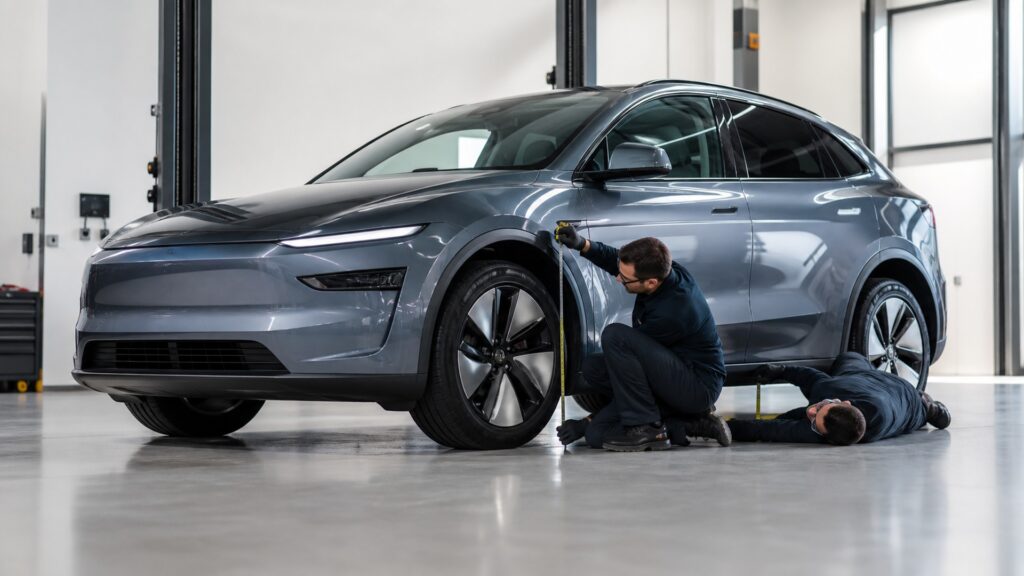
electric suvs explainer hero image for Review Streets
What You'll Learn

Match the Exact EV and the Intended Use

A useful fit leaves the vehicle’s controls, structure, and access working as designed.

  • Confirm the model year, variant, and equipment application.
  • Test passenger and cargo arrangements together.
  • Plan charging reach around the actual parking position.
  • Verify wheel, carrier, and mounting specifications.
  • Use approved procedures near the battery and underbody.

Tip: An item that fits a related model may still have an exclusion for the electric version or a particular configuration.

Definitions

Compatibility Checks Specific to the Complete Arrangement

Each check answers a different question before equipment is installed.

Vehicle application

The exact versions for which a product is specified.

  • Example: A hitch listing excludes a particular battery-electric variant.
  • Check: Check model year, trim, and relevant factory equipment.
  • Limit: A shared name or exterior shape is not enough.

Functional clearance

Space required for normal movement, control, and access.

  • Example: A cargo organizer leaves seat mechanisms and required openings clear.
  • Check: Check the full intended movement and loaded position.
  • Limit: A neat stationary fit can still obstruct normal use.

Charging reach

The ability to connect approved charging equipment in the intended parking position.

  • Example: A wall unit’s cable reaches the actual charge port without strain.
  • Check: Assess parking orientation and the permitted cable arrangement.
  • Limit: Do not solve a mismatch with an unapproved extension.

Wheel and tire specification

The dimensions, ratings, and other requirements for suitable wheel-and-tire equipment.

  • Example: A replacement must clear the brakes and meet the vehicle’s specified requirements.
  • Check: Use approved application information and qualified advice.
  • Limit: Matching wheel diameter alone does not establish compatibility.

Underbody compatibility

Suitability of equipment or procedures around the battery, structure, and installed systems beneath the vehicle.

  • Example: A workshop uses the specified lifting locations.
  • Check: Follow the exact vehicle’s installation and lifting instructions.
  • Limit: An apparently solid surface is not automatically an approved support point.

Combined load allowance

The relevant limit assessed with both the accessory and its contents included.

  • Example: Roof bars and a box count alongside the carried luggage.
  • Check: Check vehicle and equipment limits together.
  • Limit: Additional storage space does not increase allowed weight.

Tip: Fitment succeeds only when application, clearance, attachment, and rated use all agree.

The application listing

Identify the Electric Variant Before Ordering

Electric SUVs can share branding or body features with other versions while using different underbody equipment, weights, or accessory provisions. Confirm the year, variant, and relevant factory options. Read the exclusions and required hardware as carefully as the main fitment claim.

  • Provide complete vehicle details to the supplier.
  • Check whether the electric version is explicitly included.
  • Resolve uncertain compatibility before installation.

A carrier or trim accessory listed for a model family may depend on a particular rail, hitch, or floor arrangement. Similar photographs cannot replace a confirmed application.

Cabin use

Protect Passenger Access and Normal Controls

Check restraints and occupants before assigning the remaining space to luggage or accessories. Floor mats must remain compatible with retention points and pedal movement; covers and organizers must preserve required access and openings. The electric powertrain does not remove ordinary cabin-fit requirements.

  • Use the intended seats and restraints during a trial.
  • Check belt access and permitted seat movement.
  • Keep added items clear of controls and required openings.

A luggage organizer that works with the rear seats folded may interfere when those seats are restored for passengers. Test every arrangement you intend to use instead of approving the accessory in only one position.

The charging location

Make the Cable Arrangement Part of Parking Fit

Charge-port position can change whether an existing parking and charging setup is practical. Check the normal orientation, cable reach, doors, walking routes, and connector handling. Use equipment and installation arrangements approved for the vehicle and location, with appropriate professional assessment where needed.

  • Locate the port on the actual model before planning installation.
  • Allow comfortable connection without cable strain.
  • Keep the arrangement within equipment instructions.

A wall unit positioned for one EV may be awkward for another with a port on a different corner. Reassess the layout rather than treating an improvised extension as a routine solution.

Wheels and carrying equipment

Verify Specifications as Well as Mounting

Replacement wheels, tires, roof bars, and hitch-mounted equipment have several compatibility conditions. Check ratings, dimensions, mounting interfaces, clearances, and manufacturer restrictions. Account for the accessory’s weight and the intended load; assess whether it obscures required lights, sensors, or access.

  • Use the specified tire and wheel requirements.
  • Confirm the fitted rail or hitch application.
  • Apply every relevant vehicle and accessory loading limit.

A wheel may share a nominal diameter yet differ in load rating or clearance. A roof box may attach correctly yet make the vehicle too tall for a regular entrance. Both cases show why attachment is only part of fitment.

Battery and structure

Leave Underbody Assumptions Out of Installation

The underside can contain a traction battery and other systems that must not be treated as unused space. Follow the exact instructions for lifting and accessory installation, and use qualified help for work beyond permitted owner procedures. Do not drill, cut, reroute, or improvise supports to make an uncertain application fit.

  • Give service providers the vehicle-specific lifting guidance.
  • Use approved locations and procedures for the task.
  • Stop when the application requires unexplained modification.

A familiar lifting method from another SUV may be inappropriate here. The correct support locations depend on the actual vehicle, so apparent sturdiness is not evidence that a surface is intended to carry a lift load.

Quick Reality Check

What an Initial Fit Check Can and Cannot Establish

A complete inspection follows the item into normal use.

An initial check can establish…

That dimensions and application details appear compatible with the selected vehicle.

That a proposed location allows a first inspection of mounting and clearance.

Final suitability also requires…

Correct installation, rated loading, retained controls, and required access.

A safe charging or operating arrangement in the positions actually used.

Common Myths

Misconceptions About EV Fitment

Avoid turning an approximate match into an improvised installation.

Will accessories for a related gasoline SUV always fit?

No. Verify the electric variant and all application restrictions.

Does matching wheel diameter settle a wheel swap?

No. Ratings, geometry, brake clearance, and other specified requirements also matter.

Can I extend a short charging cable however I like?

No. Use only arrangements permitted by the vehicle and equipment instructions.

Is any flat underbody surface a suitable lifting point?

No. Follow the exact lifting procedure and approved support locations.

Tip: A fitment uncertainty should be resolved with verified application information before work proceeds.

FAQ

Questions Before Buying EV Accessories

Bring the exact configuration and intended use into the discussion.

What should a supplier know?

The model year, variant, relevant options, and the equipment or load you intend to use, including any electric-specific application details.

Should charging be checked before changing vehicles?

Yes. Confirm port location, cable reach, compatibility, and the parking arrangement for the new vehicle.

What should I recheck after adding a roof carrier?

Inspect mounting, total load, overall height, opening clearance, and any required operating restrictions.

Who should handle uncertain underbody work?

Use a qualified provider with the correct vehicle-specific instructions. Do not infer safe attachment or lifting locations from appearance.

Bottom Line

Electric SUV fitment means preserving the complete vehicle’s function, not merely making a part attach.

Confirm the exact application, passenger and charging access, component specifications, underbody procedures, and final loaded limits.

Next Steps

Go Deeper or Compare Your Options

Use these Review Streets paths to compare related categories and practical next decisions.

Vehicles

Compare related vehicle choices against the same carrying needs and driving routine.

SUVs

Compare related vehicle choices against the same carrying needs and driving routine.

Electric SUVs

Explore Electric SUVs with your passenger, cargo, and ownership requirements in mind.

Further reading: EV charging and service safety; Tire specifications and care; Child-restraint fit; Example of model-specific lifting instructions. Use the owner’s manual for the exact vehicle’s instructions and limits.