Why Electric SUVs Operating Function Matters

An electric SUV’s operating functions determine how easily its capability fits into daily life. Readiness indicators, accelerator response, braking settings, charge scheduling, and route information all influence the driver’s routine. Learning them makes the difference between merely knowing the battery percentage and understanding what the vehicle is prepared to do.

The details vary by model. A quiet cabin does not prove the vehicle is off, an accelerator-release setting may not behave identically in every condition, and a charge limit is different from a departure schedule. Learn the controls while parked, then test ordinary driving and charging under manageable conditions before depending on them for a demanding trip.

By: Review Streets Research Lab
Updated: September 30, 2026
Explainer · 8-12 min read
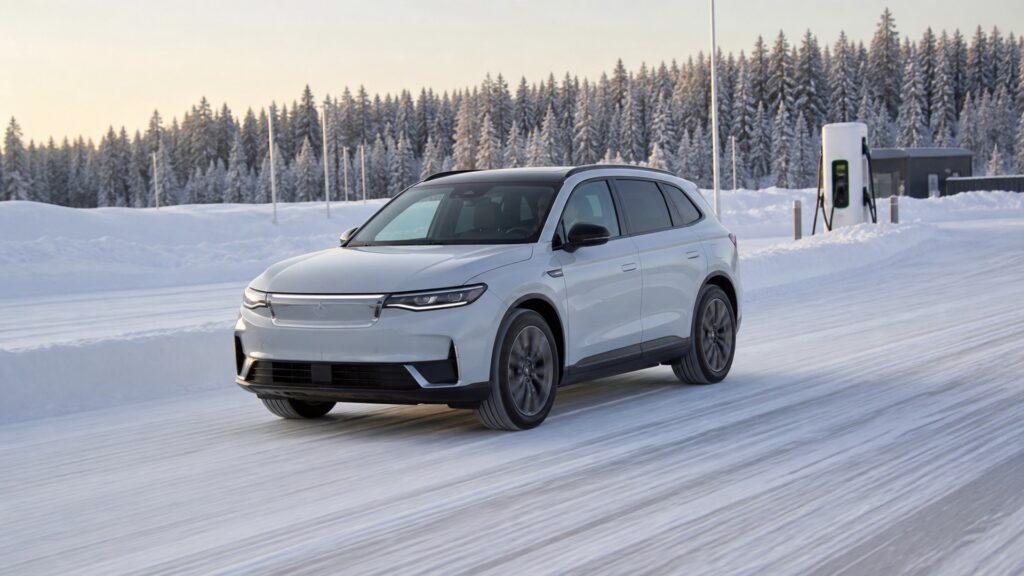
electric suvs explainer hero image for Review Streets
What You'll Learn

Build a Predictable Electric Driving Routine

Connect the vehicle’s settings with the actions you repeat each day.

  • Confirm readiness, direction, and parking status deliberately.
  • Learn the selected deceleration mode and its limits.
  • Distinguish charging schedules from charge targets.
  • Use thermal preparation as the manufacturer describes.
  • Read range and charging information as estimates with conditions.

Tip: The owner’s manual should settle what a control does; familiar names can behave differently across vehicles.

Definitions

Operating Controls That Deserve Attention

Each function answers a separate question about the next trip.

Drive readiness

The vehicle state in which propulsion can respond to the controls.

  • Example: A dashboard indication confirms that the SUV is ready to move.
  • Check: Check the display and selected direction before moving.
  • Limit: Silence is not evidence that propulsion is disabled.

Accelerator-release deceleration

Slowing produced when the accelerator is released under the selected driving settings.

  • Example: A stronger setting slows the SUV noticeably when the driver eases off.
  • Check: Learn the mode’s behavior and stated limitations.
  • Limit: It must not be assumed to stop or hold the vehicle in every situation.

Charge target

A selected battery state of charge at which normal charging is intended to stop.

  • Example: The driver sets a target recommended for that vehicle’s routine use.
  • Check: Follow battery-specific manufacturer guidance.
  • Limit: There is no single daily percentage appropriate to every EV.

Charge schedule

A setting that controls when charging is allowed or requested.

  • Example: Charging is scheduled during a suitable overnight period.
  • Check: Confirm the available time can meet the next trip’s need.
  • Limit: A schedule does not guarantee a functioning connection or completed charge.

Preconditioning

Preparing cabin or battery temperature for a stated driving or charging purpose.

  • Example: A supported departure feature warms the vehicle before leaving.
  • Check: Identify which systems the selected feature prepares.
  • Limit: Cabin heating and fast-charge battery preparation are not always the same function.

Arrival estimate

A prediction of remaining energy or time at a destination.

  • Example: Navigation forecasts battery charge at a planned stop.
  • Check: Watch how the estimate changes as conditions develop.
  • Limit: A prediction is not a guaranteed reserve.

Tip: Set each control for a reason, then confirm that the expected result actually occurred.

Starting and parking

Use the Displays to Confirm the Vehicle’s State

Electric propulsion may be available without engine noise. Learn the startup sequence, readiness indication, drive selector, parking procedure, and exit behavior for the model. Check the selected direction before applying the accelerator, particularly when changing between vehicles with different controls.

  • Adjust seating and mirrors before selecting a direction.
  • Confirm the indicated drive or reverse state.
  • Use the specified parking and securing procedure when leaving.

A driver borrowing an unfamiliar electric SUV should not infer its state from sound or from how a previous vehicle behaved. A brief orientation while parked can resolve those differences before the first maneuver.

Speed control

Learn Deceleration as a Driving Skill

Some electric SUVs offer strong slowing when the accelerator is released; others offer different settings or a more familiar coasting feel. Understand what the selected mode does and when its effect may be limited. Keep the brake pedal available for the amount of slowing the situation requires.

  • Practice smooth inputs in a suitable low-risk setting.
  • Read the limits on stopping and holding where applicable.
  • Adapt to changed response rather than relying on habit.

A mode that felt predictable on yesterday’s trip may have a stated limitation when the battery is cold or highly charged. The important habit is observing actual response and controlling speed appropriately.

The overnight routine

Separate Connection, Timing, and Charge Target

Plugging in establishes a connection, a schedule governs timing, and a target governs the intended stopping point. These controls can interact with equipment settings or utility arrangements. Check that charging has started or is correctly scheduled, and confirm the result before a trip that depends on it.

  • Use compatible equipment and the approved connection procedure.
  • Review both vehicle and equipment scheduling settings.
  • Choose the target according to model guidance and trip needs.

If the vehicle and wall equipment each allow only different time windows, an apparently connected SUV may not receive the expected energy. Understanding both settings helps prevent an avoidable shortfall.

Temperature preparation

Know What the Selected Preparation Feature Does

Where supported, preparing the cabin or battery before departure can improve comfort and operating readiness. Preparation for a fast-charging stop can be a separate function, sometimes linked to navigation. Use the manufacturer’s procedure instead of assuming that switching on cabin heat performs every form of battery preparation.

  • Check whether a departure setting requires the vehicle to be plugged in.
  • Use supported navigation functions for charging preparation where fitted.
  • Allow preparation time as directed for the conditions.

A warm cabin is not proof that the battery is in the preferred condition for rapid charging. Different functions can have different purposes even when they all involve temperature.

During the trip

Use Energy Feedback to Adjust the Plan Early

Range and arrival estimates are useful because they can reflect changing conditions, but they remain estimates. Weather, speed, terrain, loading, and cabin demand can change energy use. Watch the trend and choose a suitable charging alternative before a narrowing margin leaves few options.

  • Plan compatible stops and reasonable alternatives.
  • Review arrival estimates during longer journeys.
  • Respond to warnings and abnormal changes as instructed.

If a planned destination begins showing a smaller reserve than expected, reassess the route while options remain. An early charging stop is a practical adjustment, not evidence that the display should have predicted every condition perfectly.

Quick Reality Check

What a Setting Does—and What It Does Not Prove

Controls organize operation; the driver still verifies the outcome.

Settings can establish…

A requested charging window, target, or supported preparation routine.

A chosen response mode within the vehicle’s operating limits.

They do not guarantee…

That a charging session completed or every route condition is covered.

That the SUV will stop, hold, or navigate safely without the required driver input.

Common Myths

Misconceptions About Electric SUV Controls

Avoid confusing a selected feature with an assured outcome.

Does silence mean the vehicle is switched off?

No. Use the readiness and parking indications and the prescribed shutdown procedure.

Is one-pedal operation identical on every EV?

No. Settings, stopping behavior, and limitations depend on the model.

Does plugging in guarantee the next morning’s charge?

No. Scheduling, connection, equipment, or supply issues can affect the result; confirm it.

Is a warm cabin the same as a prepared battery?

Not necessarily. Read which systems a feature prepares and for what purpose.

Tip: Check the actual status display instead of relying solely on the setting selected earlier.

FAQ

Questions to Resolve in the First Week

A little preparation makes unfamiliar functions easier to use consistently.

Which charge target should I choose?

Use the recommendation for the exact battery and vehicle, adjusting for trips as instructed. Avoid applying another model’s percentage by habit.

What should I learn before a long journey?

Understand charging compatibility, scheduling, route estimates, preparation features, and alternative stops.

Should every driver use the same deceleration setting?

Drivers should use permitted settings they understand and can control smoothly. Everyone needs to know the limits of the selected mode.

What if a scheduled charge repeatedly fails?

Record the settings and messages, check the approved instructions, and seek appropriate diagnosis rather than repeatedly assuming the next attempt will work.

Bottom Line

Electric SUV operating functions matter because they make driving and replenishment predictable.

Learn the vehicle’s state indicators, braking response, charging controls, preparation features, and energy feedback as separate tools.

Next Steps

Go Deeper or Compare Your Options

Use these Review Streets paths to compare related categories and practical next decisions.

Vehicles

Compare related vehicle choices against the same carrying needs and driving routine.

SUVs

Compare related vehicle choices against the same carrying needs and driving routine.

Electric SUVs

Explore Electric SUVs with your passenger, cargo, and ownership requirements in mind.

Further reading: One-pedal operating limitations; Example of charging and preparation features; Cold-weather EV preparation. Use the owner’s manual for the exact vehicle’s instructions and limits.