Why Electric SUVs Safety Factors Matters

Electric SUV safety combines familiar vehicle checks with a few powertrain-specific responsibilities. Crash protection, restraint fit, visibility, tires, and attentive driving still matter. Charging equipment, changing energy-recovery behavior, and safe handling of a damaged high-voltage system add considerations that a driver should understand before a problem occurs.

Do not treat electric propulsion as a blanket safety rating in either direction. Assess the exact model and equipment, learn its controls, and follow its charging and service instructions. A useful safety routine makes ordinary operation predictable and keeps electrical diagnosis or emergency handling with appropriately qualified people.

By: Review Streets Research Lab
Updated: September 30, 2026
Explainer · 8-12 min read
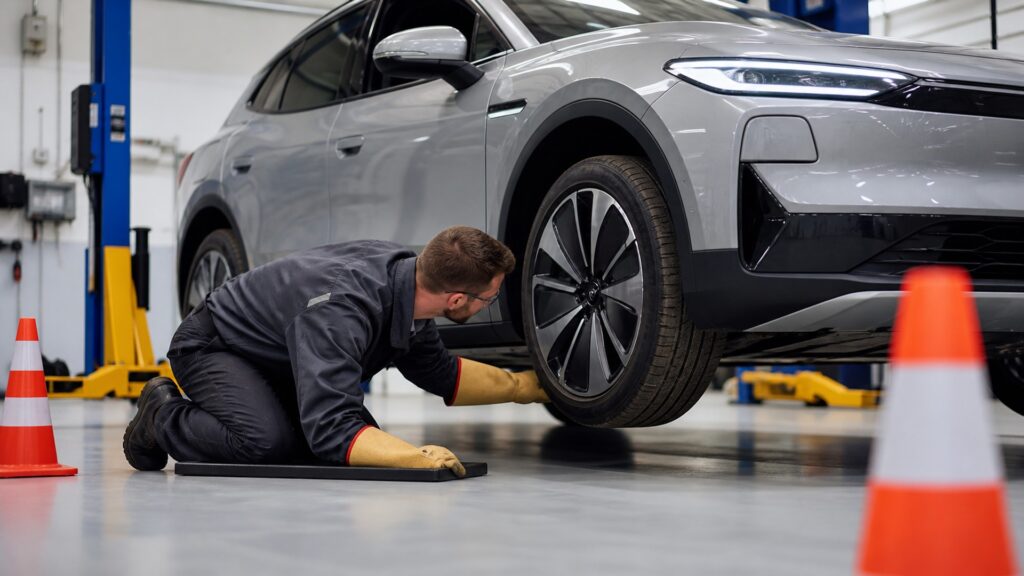
electric suvs explainer hero image for Review Streets
What You'll Learn

Evaluate the Vehicle and Learn Its Electric-Specific Limits

Use model-specific evidence rather than assumptions about all EVs.

  • Check crash results, recalls, and fitted assistance equipment.
  • Learn accelerator-release deceleration and its limitations.
  • Use compatible charging equipment as instructed.
  • Keep high-voltage work with qualified technicians.
  • Know how to seek help after damage or an emergency.

Tip: Quiet operation and strong acceleration make careful control and awareness around people especially important.

Definitions

Safety Concepts for Battery-Electric SUVs

Each concept addresses a distinct part of owning and using the vehicle.

Crash protection

The structure and restraints intended to protect occupants during a collision.

  • Example: A model-specific crash test assesses a defined impact scenario.
  • Check: Review applicable ratings and their comparison rules.
  • Limit: The powertrain label alone does not establish protection.

Deceleration behavior

How the vehicle slows in response to accelerator release and brake input.

  • Example: A selected energy-recovery setting produces noticeable slowing.
  • Check: Learn the normal behavior and conditions that can limit it.
  • Limit: Do not assume accelerator release always stops the vehicle.

Charging compatibility

Agreement between the vehicle, connector, equipment, and approved method of use.

  • Example: A compatible station supplies energy through the supported connection.
  • Check: Use manufacturer-approved arrangements and installation guidance.
  • Limit: Physical connector fit alone does not validate every adapter or setup.

High-voltage isolation

Protective separation of the traction electrical system from inappropriate contact.

  • Example: Enclosures and protective systems restrict access to energized components.
  • Check: Leave high-voltage inspection and repairs to qualified service.
  • Limit: A powered-off or damaged vehicle should not be assumed electrically harmless.

Low-speed awareness

Attention to people and obstacles around a quietly moving vehicle.

  • Example: A driver checks the area before reversing from a parking space.
  • Check: Use direct observation and available aids together.
  • Limit: Pedestrians may not anticipate movement from sound alone.

Incident response

The actions used to obtain appropriate help after damage or an emergency.

  • Example: Emergency services are told that the involved vehicle is electric.
  • Check: Follow responder and manufacturer guidance for the situation.
  • Limit: Do not improvise battery repair, recovery, or firefighting.

Tip: Read these limits before relying on a feature, especially when changing from a different vehicle.

Evidence about the model

Keep Ordinary Vehicle Safety in the Assessment

An electric SUV still needs suitable restraints, sound tires, clear visibility, and appropriate crash protection. Look up the exact model year, relevant ratings, and recall status. Check the fitted assistance features rather than assuming all trims include the same equipment or capability.

  • Review test details and valid comparison limits.
  • Try required child restraints and passenger positions.
  • Check tires and current vehicle condition, especially when buying used.

A favorable rating describes tested performance, not the present condition of a particular used vehicle. Damage history, completed repairs, tires, and outstanding recalls remain separate questions.

Predictable control

Learn Deceleration Before Depending on It

Electric SUVs can offer different accelerator-release and one-pedal settings. Their behavior depends on the model, chosen mode, and operating conditions. Read what happens when energy recovery is limited, and remain ready to use the brake pedal rather than expecting the same slowing response in every situation.

  • Practice normal controls in a safe, appropriate setting.
  • Check the manual’s limits for one-pedal operation.
  • Adapt speed and following distance to actual conditions.

A setting that feels familiar after a warm trip may behave differently under a stated limitation. Understanding that possibility helps the driver notice and manage changed response instead of being surprised at a junction.

Charging at home and away

Treat Charging Equipment as Part of the Safety Setup

Use equipment and connections approved for the vehicle and the intended location. Follow the equipment instructions and obtain an appropriate professional assessment for a home installation. Inspect accessible cables and connectors for visible damage; do not compensate for a poor setup with unapproved extensions or improvised connections.

  • Confirm compatibility before using an adapter or station.
  • Keep cables positioned according to installation and use guidance.
  • Stop using damaged equipment and seek appropriate help.

A plug reaching the parking space does not establish that the supply, cable arrangement, or connection is suitable. The complete installation and use conditions need to be correct, including where people walk around it.

Parking and assistance

Do Not Let Quietness or Technology Replace Observation

Check the area around the SUV before moving, particularly where children or other pedestrians may be close. Cameras, sensors, warning sounds, and assistance features add information or support within their limits. They do not remove the driver’s responsibility to confirm that movement is safe.

  • Learn the actual camera coverage and blind areas.
  • Keep required sensors and lenses clear.
  • Remain attentive while using driver assistance.

A person standing close to the front corner may be difficult to see from the driver’s seat. If the surrounding space is uncertain, stop and establish a clear view rather than relying on silence from a warning system.

Damage and electrical faults

Keep Hazardous Diagnosis Out of the Owner’s Routine

Do not open the traction battery or touch exposed high-voltage components. After a collision, flood exposure, or suspected battery damage, seek manufacturer or emergency-service guidance rather than assuming the vehicle is safe because it is off. If there is fire, smoke, or immediate danger, move away when safe and contact emergency services.

  • Tell responders or recovery providers that the vehicle is electric.
  • Use the model-specific transport and recovery instructions.
  • Follow professional direction on damaged-vehicle storage and further use.

A disabled EV may require a particular recovery method to avoid additional damage. Give the recovery provider the vehicle details and applicable instructions instead of treating it as an ordinary tow without checking.

Quick Reality Check

Which Safety Questions Are Shared and Which Are EV-Specific?

Both groups belong in a complete assessment.

Shared vehicle checks include…

Crash protection, restraints, tires, visibility, recalls, and driver attention.

Safe loading, suitable speeds, and understanding assistance limits.

Electric-specific preparation includes…

Learning energy-recovery behavior and compatible charging practices.

Knowing high-voltage service boundaries and the appropriate damage-response contacts.

Common Myths

Misconceptions About Electric SUV Safety

Avoid assurances or fears that ignore the actual design and conditions.

Does an electric badge prove a vehicle is safer?

No. Use the exact model’s test results, equipment, and condition rather than assigning a blanket rating.

Will one-pedal driving stop the SUV in every situation?

Do not assume so. Behavior and limitations vary; use the brake pedal as needed and follow the manual.

Is switching the vehicle off enough to make battery work safe?

No. High-voltage systems require qualified procedures and equipment.

Can driver assistance take over responsibility?

No. Understand the fitted system’s role and remain responsible for safe control as required.

Tip: Specific instructions and predictable habits are more useful than general claims about an entire powertrain class.

FAQ

Questions to Answer Before Everyday EV Use

Prepare while the vehicle is undamaged and parked safely.

Where do I find charging safety instructions?

Use the owner’s manual and the charging equipment’s instructions, along with appropriate installation guidance for the location.

Can I work on the traction battery myself?

No. Use qualified high-voltage service personnel; do not open the battery or handle exposed electrical components.

What should I do after suspected flood damage?

Avoid using or charging the vehicle until you have appropriate professional guidance. Contact the manufacturer or emergency services as the situation requires.

What information helps a recovery provider?

Provide the exact vehicle details, explain any damage or warning, and point them to the manufacturer’s recovery instructions.

Bottom Line

Electric SUV safety depends on the vehicle’s evidence, condition, and correct use.

Combine ordinary road-safety checks with predictable braking, suitable charging, qualified electrical service, and a clear plan for seeking help after damage.

Next Steps

Go Deeper or Compare Your Options

Use these Review Streets paths to compare related categories and practical next decisions.

Vehicles

Compare related vehicle choices against the same carrying needs and driving routine.

SUVs

Compare related vehicle choices against the same carrying needs and driving routine.

Electric SUVs

Explore Electric SUVs with your passenger, cargo, and ownership requirements in mind.

Further reading: NHTSA EV safety and service guidance; Crash ratings and comparison rules; Driver assistance limits; Child-restraint guidance; Example of one-pedal and energy-recovery limitations. Use the owner’s manual for the exact vehicle’s instructions and limits.