Why Full Size SUVs Safety Factors Matters

A full-size SUV’s size is only one part of its safety picture. Occupant protection, visibility, tires, restraint fit, and the way the vehicle is loaded all deserve attention. A high driving position and a substantial body do not remove the need to assess the exact model and its everyday use.

The most useful approach separates protection during a crash from the ability to avoid trouble beforehand. Compare relevant crash results, understand the fitted assistance systems, and check whether the driver can see, maneuver, and carry the household properly. Those checks matter more than assuming every large SUV behaves alike.

By: Review Streets Research Lab
Updated: September 30, 2026
Explainer · 8-12 min read
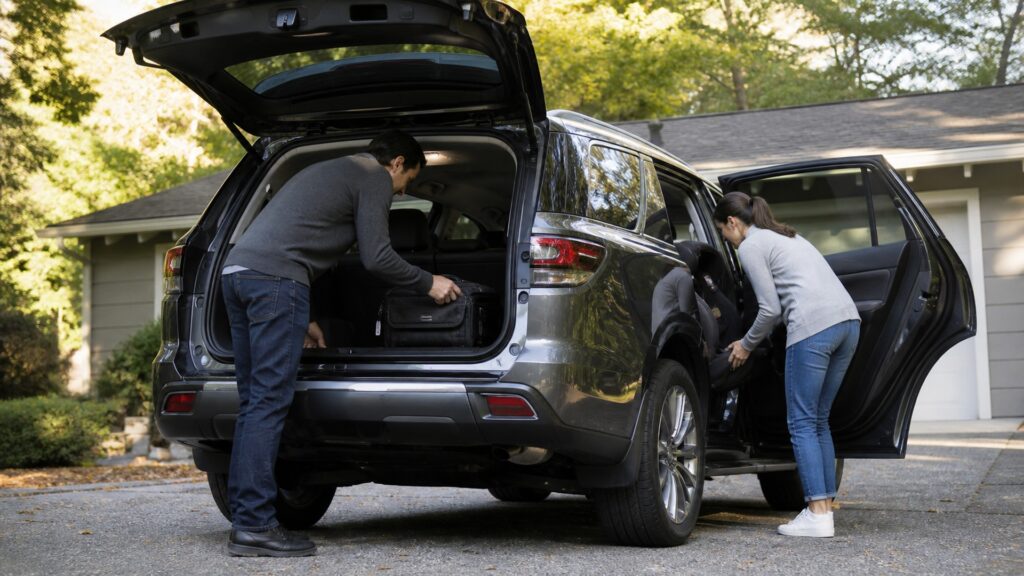
full size suvs explainer hero image for Review Streets
What You'll Learn

Evaluate Protection and Everyday Control Together

Use evidence about the exact vehicle alongside practical checks with its regular occupants.

  • Read crash-test results within their stated comparison limits.
  • Assess visibility around the front, sides, and rear.
  • Fit restraints in the seating positions you will actually use.
  • Keep passengers, luggage, and accessories within applicable limits.
  • Learn what each assistance feature can and cannot do.

Tip: A safety feature is useful only when you understand its operating conditions and limitations.

Definitions

Six Parts of Full-Size SUV Safety

These concepts describe different risks rather than a single overall promise.

Crashworthiness

How the vehicle structure and restraints protect occupants during a collision.

  • Example: A side-impact test evaluates protection in a defined crash scenario.
  • Check: Look up the exact model year and applicable test details.
  • Limit: One test cannot represent every real collision.

Crash avoidance

Features and driver actions that help prevent a collision or reduce its severity.

  • Example: An emergency braking system may intervene when it detects an impending impact.
  • Check: Read the feature’s detection and operating limits.
  • Limit: Assistance does not guarantee that a crash will be avoided.

Near-field visibility

The driver’s ability to identify people and obstacles close to the vehicle.

  • Example: A low object is hidden below the hood line.
  • Check: Check direct sightlines and use available cameras as aids.
  • Limit: A camera view may omit areas or be obscured.

Rollover resistance

The vehicle’s assessed resistance to tipping in specified conditions.

  • Example: A published rollover rating adds information beyond a frontal crash result.
  • Check: Review the rating and loading instructions together.
  • Limit: A rating is not permission to take a curve faster.

Restraint compatibility

Whether a belt or child restraint can be used correctly in a particular seating position.

  • Example: A child seat requires an allowed anchor arrangement in the chosen row.
  • Check: Follow both the vehicle and restraint instructions.
  • Limit: A wide cabin does not guarantee every restraint combination fits.

Load control

Keeping carried weight within limits and securing items in suitable positions.

  • Example: Heavy luggage is secured instead of left loose behind passengers.
  • Check: Check the vehicle label, cargo instructions, and attachment provisions.
  • Limit: Available room is not the same as allowable weight.

Tip: Evaluate the actual seating, loading, and equipment arrangement rather than an empty showroom vehicle.

Evidence before assumptions

Read the Ratings for the Exact Model

Safety ratings describe defined tests, and their scope matters. NHTSA restricts comparisons of frontal and overall scores to vehicles in the same class and within its specified weight range. Side and rollover results have different comparison rules. A star total should not be treated as a universal ranking across unrelated vehicles.

  • Match the model year and tested configuration where specified.
  • Read individual results and any noted safety concerns.
  • Check open recalls for the vehicle being considered.

For example, two SUVs with similar overall scores may differ in individual tests or fitted crash-avoidance equipment. Those details help you ask better questions than whether both received a favorable headline score.

Low-speed awareness

Check the Space You Cannot See Directly

A tall seating position can improve some sightlines while leaving close objects difficult to see. Before moving, account for people, pets, and obstacles around the vehicle. Mirrors, parking sensors, and camera systems provide additional information, but none should be assumed to show every part of the surrounding space.

  • Adjust the seat and mirrors before evaluating visibility.
  • Learn the camera views and their blind areas while parked.
  • Keep lenses and sensors clear as directed by the manufacturer.

A driveway is a useful place to assess the routine: where children walk, what is hidden near the hood, and whether reversing requires extra care. Stop whenever the surrounding area is uncertain.

Every occupied row

Make Restraint Fit a Seating Decision

A full-size SUV may carry a large group, but each person still needs an appropriate seating position and correctly used restraint. Test child seats with the actual seat geometry and approved anchors. Also consider whether other occupants can reach their belts and access the rear row without disturbing an installed restraint.

  • Use only the anchor arrangements permitted by both manuals.
  • Check belt access with all required restraints installed.
  • Plan entry and exit with the normal seating layout in place.

A three-seat arrangement that looks wide enough may still prevent proper installation or buckle access. Resolve the complete arrangement before relying on the vehicle’s advertised passenger count.

Grip and loading

Preserve Control When the SUV Is Full

Tire condition and pressure, carried weight, and load placement are part of safe operation. Use the vehicle’s specified cold pressures and loading guidance, and inspect for damage or irregular wear. Heavy roof loads and unsecured cargo introduce concerns that an empty-vehicle demonstration will not reveal.

  • Check the combined occupant-and-cargo allowance.
  • Secure luggage using suitable provisions and instructions.
  • Respect vehicle and carrier limits for roof or hitch equipment.

A roof box creates extra storage space without creating extra payload. Count the carrier and its contents, and assess the complete vehicle load before setting off.

Assistance with limits

Know When the Driver Must Supply the Missing Judgment

Warning systems, lane support, adaptive cruise control, and automatic braking have different purposes. Their names and behavior vary by model. Understand whether a feature warns, intervenes, or provides sustained assistance, and read when weather, markings, obstruction, or other conditions can limit it.

  • Learn the controls before using assistance in traffic.
  • Remain attentive and prepared to control the vehicle.
  • Investigate warning messages instead of assuming full capability remains.

A system that worked well on a clear highway may have different limits on a narrow road or with obscured sensors. The driver must adapt to the actual conditions, not the remembered performance of a previous trip.

Quick Reality Check

What Size Contributes—and What Needs Separate Evidence

Large dimensions do not answer every safety question.

Size can influence…

Occupant protection in some collisions, along with structure and restraints.

The visibility and maneuvering demands the driver must manage.

Check independently…

The exact vehicle’s test results, recalls, tires, and assistance equipment.

The fit of restraints and the safety of the real loading arrangement.

Common Myths

Assumptions That Can Hide Safety Problems

Avoid treating one favorable characteristic as a complete assessment.

Is the largest SUV automatically the safest choice?

No. Size matters in some crashes, but model-specific protection, avoidance, visibility, and correct use still need evaluation.

Do cameras remove blind areas?

They add useful views but have coverage and operating limits. Keep checking the surroundings and stop if visibility is uncertain.

Does four-wheel drive mean better stopping on ice?

Do not infer braking grip from driven-wheel count. Tires, road conditions, speed, and available traction remain critical.

Can empty cargo space always be filled?

No. Weight limits and secure placement still apply even when more luggage physically fits.

Tip: Look for several independent pieces of evidence rather than a single reassuring feature.

FAQ

Practical Questions Before Carrying the Family

Use the actual people, equipment, and vehicle for these checks.

Where should I start with a used SUV?

Check its recall status, condition, service history, tires, restraints, and functioning safety equipment. A rating from when the model was new does not establish its current condition.

Can I compare crash stars with a compact SUV?

Follow the test organization’s rules. NHTSA frontal and overall comparisons require the same class and a weight difference within 250 pounds.

How do I assess three child seats?

Try the intended restraints in permitted positions and follow both sets of instructions. Seek qualified child-passenger-safety assistance if correct installation is uncertain.

What should I review before a loaded trip?

Confirm loading limits, tire pressures and condition, secured cargo, restraint use, and visibility with the final arrangement.

Bottom Line

Choose and operate a full-size SUV using specific safety evidence.

Combine ratings and equipment knowledge with correct restraints, controlled loading, sound tires, and attentive driving.

Next Steps

Go Deeper or Compare Your Options

Use these Review Streets paths to compare related categories and practical next decisions.

Vehicles

Compare related vehicle choices against the same carrying needs and driving routine.

SUVs

Compare related vehicle choices against the same carrying needs and driving routine.

Full Size SUVs

Explore Full Size SUVs with your passenger, cargo, and ownership requirements in mind.

Further reading: NHTSA ratings and comparison rules; NHTSA driver assistance; Child seats and boosters; Tire care; IIHS vehicle size and weight. Use the owner’s manual for the exact vehicle’s instructions and limits.