
Gingiva
Gum tissue surrounding teeth and covering supporting bone.
- Use: identify the care target
- Variable: anatomy and inflammation
- Tradeoff: Appearance varies naturally
Gum health matters because the tissues surrounding teeth form a protective seal and help support each tooth. Plaque that remains at the gumline can trigger inflammation; early gingivitis may appear as redness, swelling, tenderness, or bleeding. If plaque hardens into tartar, it cannot be removed by ordinary brushing and requires professional cleaning.
Gum disease can progress with few obvious symptoms. CDC distinguishes largely reversible gingivitis from periodontitis, which involves loss of supporting tissues and bone and requires professional management. Daily plaque disruption, interdental cleaning, tobacco avoidance, and regular dental care reduce risk, but diabetes, medications, pregnancy, dexterity, and other factors can change the plan.
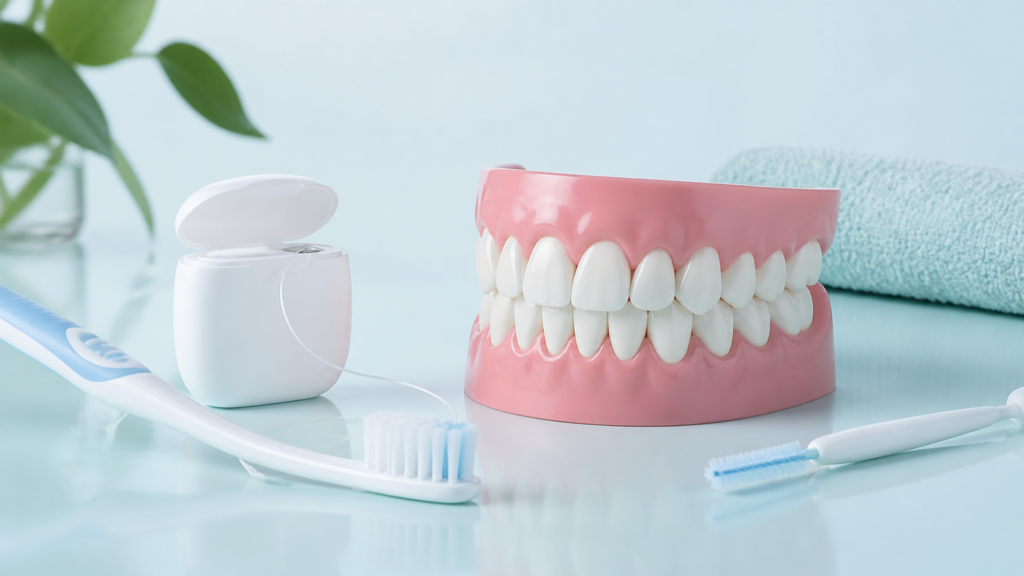
Explain gums as the seal and support around teeth, connecting plaque at the gumline with gingivitis, tartar, periodontal pockets, risk factors, home care, professional cleaning, and warning signs without diagnosing disease from bleeding alone.
Tip: Coverage protects gums better than force.
These gum health concepts separate mechanism, application, limits, and purchasing consequences.
Gum tissue surrounding teeth and covering supporting bone.
Inflammation limited to gum tissues without attachment loss.
Inflammatory disease involving loss of tooth-supporting tissues and bone.
Removable biofilm accumulating where tooth and gum meet.
Mineralized plaque, also called calculus.
Abnormally deepened space around a tooth associated with disease.
Tip: Use these terms to test gum health instead of relying on a front-label promise.
Use a soft brush for two minutes twice daily and guide it along each gumline rather than scrubbing harder. Add daily interdental cleaning.
Coverage protects gums better than force.
New or persistent bleeding can reflect inflammation, technique, medications, or other factors. Continue gentle care and arrange assessment instead of avoiding the area or attacking it.
Bleeding is neither proof of good flossing nor a diagnosis by itself.
Risk and ability differ. Professional advice can match brush, interdental device, visit interval, and support to the person rather than a generic routine.
The same product shelf does not create the same risk.
Dental teams can inspect tissues, measure pockets, review radiographs when indicated, remove deposits, and distinguish gingivitis from periodontitis.
Professional care complements daily care rather than replacing it.
Loose teeth, persistent swelling, pus, recession, painful chewing, or a changed bite warrant prompt evaluation. Rapid facial swelling or breathing difficulty is urgent.
A painless mouth can still have significant gum disease.
Home care can control removable plaque and support healthy tissue; it cannot remove tartar, measure pocket depth, or reverse lost bone.
The gumline is cleaned gently without repeated trauma.
Bleeding, swelling, recession, and tooth movement are noticed early.
Aggressive brushing can damage tissue without improving plaque control.
Persistent signs deserve dental assessment even when pain is absent.
These claims flatten the variables that determine how gum health performs in a real routine.
Healthy tissue generally should not bleed repeatedly, but one episode has several possible causes. Persistent bleeding needs technique review and assessment.
Excess force can abrade gums and teeth. Soft bristles, gentle pressure, time, and access are safer targets.
A targeted rinse may supplement care, but it does not remove tartar, clean every surface, or treat attachment loss by itself.
Products may reduce sensitivity or inflammation, but lost tissue does not reliably regenerate from retail toothpaste.
Periodontal disease can advance quietly. Bleeding, pocket measurements, recession, mobility, and professional findings matter.
Tip: Test the exact gum health tool, setting, and routine before generalizing from its category.
The remaining decisions about gum health concern technique, compatibility, safety, upkeep, and value.
Inflamed tissue or traumatic technique may contribute. Use gentle daily cleaning and seek care if bleeding persists or is substantial.
No. Once plaque mineralizes, professional instruments are needed; scraping at home can injure teeth and gums.
It may improve timing or pressure habits, but head placement and interdental cleaning remain necessary.
The interval depends on disease history, deposits, risk, and professional findings; follow the individualized plan.
Yes. Local anatomy, crowding, restorations, food trapping, or other factors can concentrate signs, so a persistent localized change needs assessment.
Rapidly spreading facial or oral swelling, fever with worsening symptoms, or difficulty swallowing or breathing needs urgent care.
Gum health matters because plaque-driven inflammation can progress from gingivitis to damage of tooth-supporting tissues. Gentle daily plaque control and regular professional assessment protect a structure that often changes without pain.
Brush the gumline twice daily, clean between teeth every day, and avoid aggressive tools. Tartar, pockets, recession, mobility, or persistent bleeding belong in a dental care plan, not a product experiment.
These Review Streets paths narrow the next gum health decision by format, goal, and routine fit.
Browse toothbrushes, interdental cleaners, whitening, and daily oral-care categories.
Compare manual, electric, sonic, and specialty toothbrush formats.
Choose a retailer
Prices checked regularly. We may earn a commission at no cost to you.