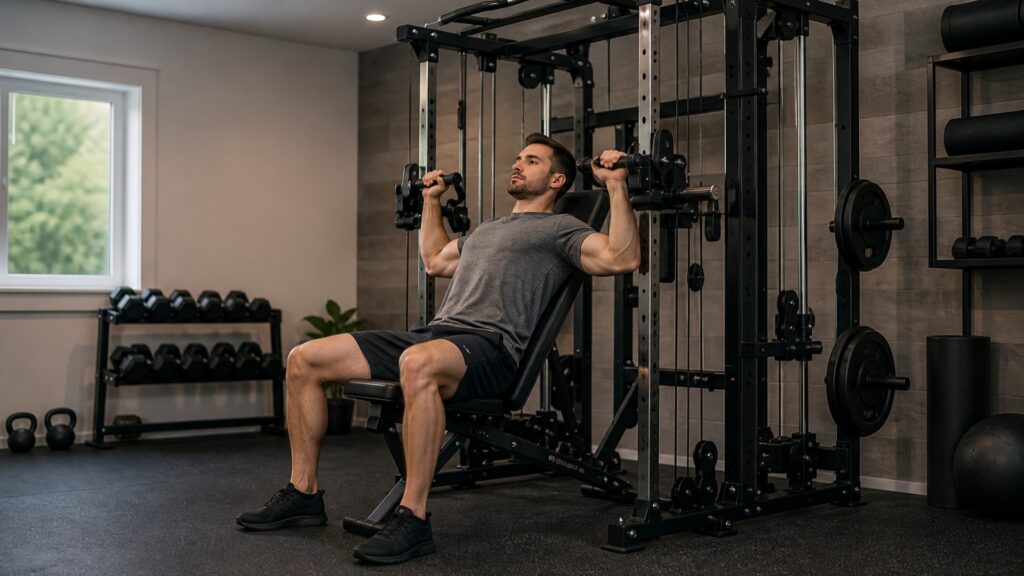
Why Home Gym Systems Movement Pattern Matters

Movement pattern matters in home gym systems because the machine's stations determine which exercises feel natural and which ones feel forced. A system may advertise many movements, but the real test is whether pressing, pulling, squatting, hinging, core work, and accessory exercises fit the frame.

A strong system supports the movement patterns the user will repeat. A weak one may include many stations while still missing the patterns that matter most for the user's goals.

By: Review Streets Research Lab
Updated: September 25, 2026
Explainer · 8-12 min read
home gym systems movement pattern explainer hero image for Review Streets
What You'll Learn

How Movement Patterns Shape Home Gym System Fit

A practical look at station paths, body position, range of motion, and routine coverage.

  • Why exercise-count claims need a pattern check
  • How fixed stations shape pressing and pulling
  • Where lower-body and core work can be limited
  • Why body fit changes movement quality
  • How to test a system against a real weekly routine

Tip: Start with the workouts the system must support every week. The right equipment choice follows the repeated movements, not the longest feature list.

Definitions

Key Concepts Behind Home Gym Systems Movement Pattern Matters

These concepts clarify how home gym systems fit real home strength training decisions.

Movement Pattern

A movement pattern is the basic action an exercise trains, such as pushing, pulling, squatting, hinging, rotating, or bracing.

  • Example: a press station serving a push pattern
  • Check: group the system's exercises by pattern
  • Limit: a station name does not prove good movement quality

Station Path

Station path is the route the handles, arms, cable, or pads follow during an exercise.

  • Example: a press arm moving through a fixed arc
  • Check: test whether the path feels natural
  • Limit: fixed paths may not fit every user

Range Of Motion

Range of motion is how far the movement can travel with control and alignment.

  • Example: a row that allows a full reach and pull
  • Check: review the start and finish positions
  • Limit: frame size or pad placement can shorten the rep

Pattern Coverage

Pattern coverage is how well the system covers the user's required movement types.

  • Example: press, pull, leg, core, and accessory options
  • Check: compare coverage with a full weekly plan
  • Limit: coverage depends on the user's goal

Body Fit

Body fit is how well the machine's seats, pads, handles, and angles match the user.

  • Example: a pulldown station that fits shoulder height and reach
  • Check: adjust each important station
  • Limit: one frame may not fit every household member

Substitution Quality

Substitution quality is how well the system replaces exercises that normally require other equipment.

  • Example: using a press arm instead of a barbell bench press
  • Check: decide whether the substitute trains the same goal
  • Limit: some substitutions change the training effect

Tip: A home gym system is strongest when its stations, resistance, and setup match the user's actual routine.

Pattern Check

Exercise Lists Need Movement Context

A home gym system can list many exercises while repeating the same few patterns. Grouping exercises by movement pattern shows what the machine really covers.

  • Check push, pull, leg, core, and accessory patterns.
  • Look for missing movements.
  • Value strong repeated patterns over novelty.

Useful variety means better pattern coverage, not just more names.

Station Fit

Fixed Paths Shape The Movement

Press arms, leg stations, pulleys, and pads guide the user's body. If the path is awkward, the movement can feel weaker or less comfortable than expected.

  • Test the start and finish of each station.
  • Adjust seats and handles before judging.
  • Avoid stations that force joint positions.

A good station should make the movement clearer, not less natural.

Lower Body

Leg And Hip Patterns Need Extra Attention

Some home gym systems handle upper-body movements better than lower-body patterns. Leg extensions may be included, while squats, hinges, lunges, or loaded carries may be limited.

  • Compare lower-body stations with the user's goals.
  • Check whether the system supports hip-dominant work.
  • Plan additional equipment if key leg patterns are missing.

Movement-pattern review exposes lower-body gaps quickly.

Body Fit

The Same Station Can Feel Different For Different Users

Households often share home gym systems. Seat height, handle reach, pad placement, and cable angle may fit one person better than another.

  • Test fit for each regular user.
  • Check adjustment ranges.
  • Avoid systems that work only for one body size.

Body fit is part of movement quality.

Routine Test

Review A Real Week Before Buying

The best pattern test is a normal week of training. The system should support the movements that appear often enough to justify its space.

  • Map weekly exercises to stations.
  • Identify weak substitutes.
  • Choose the system with the cleanest pattern coverage.

Movement fit shows up in the routine, not the brochure.

Quick Reality Check

Where Movement Pattern Review Helps And Where It Has Limits

Pattern review keeps the equipment choice tied to useful exercises.

Where It Helps

It shows whether the system supports the user's actual training patterns.

It reveals gaps behind a long exercise list.

Where It Falls Short

It cannot guarantee perfect comfort for every body.

Some goals still need free weights, racks, or dedicated machines.

Common Myths

Misconceptions About Home Gym System Movement Patterns

Exercise variety is useful only when the movements fit.

More exercises mean better pattern coverage

Many listed exercises may be minor variations of the same pattern.

Guided stations always improve movement

They help only when the path fits the user.

All-in-one systems cover legs well

Some do, but many still have lower-body limits.

Movement patterns matter only for athletes

They matter for anyone choosing equipment that should fit a routine.

Tip: A feature is useful only when it improves setup, progression, comfort, or consistency.

FAQ

Frequently Asked Questions About Home Gym System Movement Patterns

Short answers for comparing home gym systems with other strength equipment.

Why do movement patterns matter?

They show whether the system supports the exercises and goals the user actually needs.

Which patterns should I check?

Check pressing, pulling, lower-body work, hinging, core, rotation, and accessory movements.

Are exercise counts reliable?

They are a starting point, but movement quality and coverage matter more.

Can one system cover every pattern?

Some cover many, but most still have limits.

What is the practical takeaway?

Choose a home gym system whose stations fit the movement patterns in your real routine.

Bottom Line

Movement pattern matters because home gym systems are only useful when their stations support the user's real exercises.

The strongest systems cover the important patterns with comfortable paths, enough range, and realistic body fit.

Next Steps

Go Deeper or Compare Your Options

Use these Review Streets paths to compare related categories and practical next decisions.

Cable Machines

Compare cable-focused equipment with broader home gym systems.