
Why Home Gym Systems Training Function Matters

Training function matters in home gym systems because the system is only useful if it supports better workouts at home. A large frame, many stations, or a long exercise list does not guarantee that the user can train smoothly, progress safely, or repeat sessions consistently.

A strong home gym system connects the equipment layout to the workout plan. It offers useful resistance, comfortable stations, clear adjustments, and enough exercise coverage for the user's goals. A weak system may look complete but feel awkward once real training starts.

By: Review Streets Research Lab
Updated: September 25, 2026
Explainer · 8-12 min read
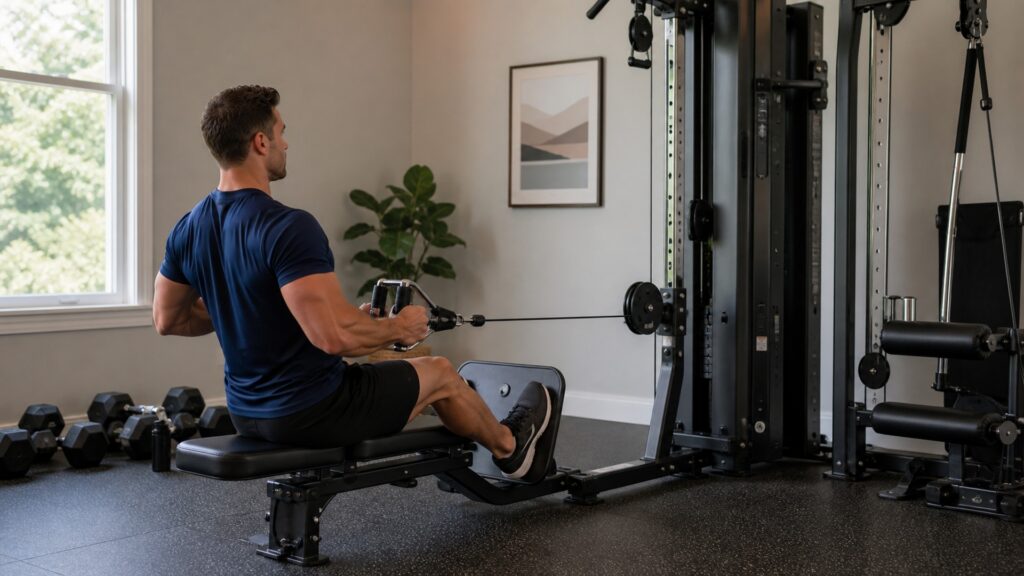
home gym systems training function explainer hero image for Review Streets
What You'll Learn

How Training Function Changes Home Gym System Value

A practical look at station quality, resistance, progression, setup, and routine fit.

  • Why exercise coverage has to match the user's goal
  • How resistance range affects progression
  • Where station comfort changes workout quality
  • Why adjustment speed matters during real sessions
  • How to spot an all-in-one system that trains poorly

Tip: Judge the system by the workouts it makes repeatable, not by how complete it looks at first glance.

Definitions

Key Concepts Behind Home Gym Systems Training Function Matters

These concepts clarify the practical equipment differences and buying checks.

Training Function

Training function is how well the equipment supports useful workouts, progression, and repeated use.

  • Example: a system that makes presses, rows, pulldowns, and leg work easy to perform
  • Check: walk through a normal weekly routine
  • Limit: feature count alone does not prove function

Exercise Coverage

Exercise coverage is the range of useful movements the system can support.

  • Example: upper-body pressing, pulling, leg work, and core exercises
  • Check: match stations to the user's goals
  • Limit: coverage is weak if key movements feel awkward

Resistance Range

Resistance range is the usable span from light to heavy load.

  • Example: light enough for shoulder work and heavy enough for rows
  • Check: compare load options across different stations
  • Limit: some stations may feel too light or too heavy

Station Fit

Station fit is how well seats, handles, arms, pads, and cable paths match the user's body and exercise.

  • Example: a press station with comfortable handle height
  • Check: test the start and finish positions
  • Limit: fixed stations may not fit every user

Adjustment Flow

Adjustment flow is how easily the user changes load, seat height, attachments, or stations during a workout.

  • Example: switching from pulldowns to rows without a long reset
  • Check: time a normal transition
  • Limit: slow changes can discourage use

Routine Fit

Routine fit is how well the system supports the workouts the user intends to repeat.

  • Example: choosing a multi-station system for a simple full-body routine
  • Check: review the weekly plan against the stations
  • Limit: future goals may require added equipment

Tip: The right choice is the equipment that supports the user's repeated workouts with the least wasted space, cost, and setup friction.

Plan Fit

The System Needs To Match The Training Goal

A home gym system should be judged against a real routine. The question is not how many stations it has, but whether those stations support the user's goal.

  • List the main weekly exercises.
  • Match each exercise to a station.
  • Watch for important movement gaps.

Training function starts with goal fit.

Progression

Resistance Has To Support Improvement

The load should be easy to adjust and useful across different exercises. If jumps are too large or the stack is too limited, progression becomes harder than it should be.

  • Check light settings for small muscles.
  • Check heavy settings for larger movements.
  • Look for smooth, repeatable load changes.

Good resistance options let the user progress without fighting the machine.

Station Quality

Comfort And Alignment Affect Every Set

A station can look useful and still feel wrong if the handles, pads, seat, or path do not fit. Poor station fit can shorten range of motion or make the exercise feel unstable.

  • Test the start and end of each key movement.
  • Check seat and pad positions.
  • Avoid stations that force awkward posture.

Station quality matters more than the number of stations.

Session Flow

Adjustments Should Not Interrupt The Workout

Home gym systems often require changes between stations. If each change is confusing or slow, the system may reduce consistency instead of improving it.

  • Walk through a full session before buying.
  • Check pin changes and attachment swaps.
  • Keep settings simple enough to repeat.

A system that is easy to reset is easier to use consistently.

Value

The Complete System Has To Earn Its Space

A home gym system asks for floor area and long-term commitment. Its training function should justify that space by supporting the workouts that matter most.

  • Compare space used to exercises gained.
  • Identify stations that duplicate existing equipment.
  • Choose practical coverage over impressive claims.

The system is valuable when it makes home training clearer and easier to repeat.

Quick Reality Check

Where Training Function Helps And Where It Can Fall Short

Training function separates useful home equipment from a crowded frame.

Where It Helps

It shows whether the system supports real progression and repeated sessions.

It exposes weak stations before they become daily frustrations.

Where It Falls Short

It cannot make one machine ideal for every goal.

Some users may still need racks, free weights, or specialized machines.

Common Myths

Misconceptions About Home Gym System Training Function

An all-in-one setup still has to train well.

More stations mean better training

Stations help only when they are comfortable and useful for the user's plan.

A bigger machine is always more complete

Size can add options, but it can also add unused bulk.

Guided stations remove the need for fit checks

Seat height, handle path, and body position still matter.

Any home gym system works for any goal

Different systems favor different routines and resistance styles.

Tip: Treat broad feature claims as a starting point. The useful test is the workout the machine makes easier to repeat.

FAQ

Frequently Asked Questions About Home Gym System Training Function

Short answers for comparing home strength equipment.

What training feature matters most?

The most important feature is station coverage that matches the user's actual routine.

How can I tell if a system has weak training function?

Warning signs include awkward stations, poor resistance range, slow adjustments, and key exercises that do not fit the frame.

Are more stations better?

Only if those stations are comfortable, useful, and repeated often.

Can a home gym system support progression?

Yes, if the resistance range, increments, and stations match the user's strength level and goals.

What is the practical takeaway?

Choose the system that trains your real routine well, not the one with the longest feature list.

Bottom Line

Training function matters because it determines whether a home gym system actually supports useful workouts.

The best systems match the user's goals with comfortable stations, usable resistance, clear adjustments, and enough coverage for repeated training.

Next Steps

Go Deeper or Compare Your Options

Use these Review Streets paths to compare related categories and practical next decisions.

Cable Machines

Compare cable-focused machines with broader home gym systems.