Why Home Gym Systems Workout Role Matters

Workout role matters in home gym systems because the same machine can be the main strength setup, a beginner-friendly station, a supplement to free weights, or a compact option for general fitness. The system's value depends on the job it needs to do.

A home gym system should not be judged only by how many exercises it lists. It should be judged by whether it fills the right role in the user's routine: full-body training, accessory work, guided strength, shared household use, or a space-saving alternative to several separate machines.

By: Review Streets Research Lab
Updated: September 25, 2026
Explainer · 8-12 min read
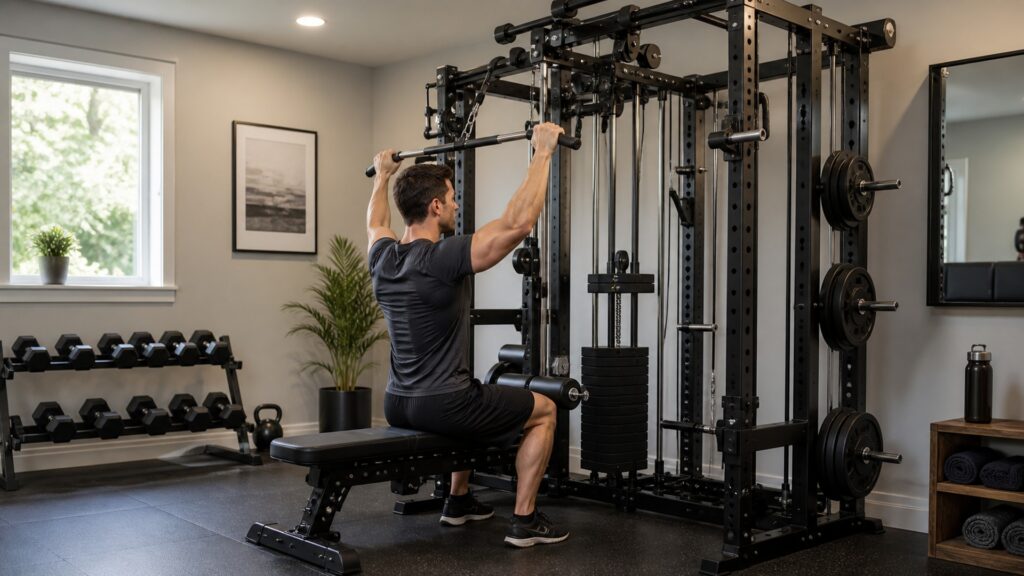
home gym systems workout role explainer hero image for Review Streets
What You'll Learn

How Home Gym Systems Fit Into A Training Plan

A practical look at whether the system should be the main setup, support equipment, or a compact general-fitness station.

  • Why the machine needs a clear job
  • When a home gym system can be the main strength setup
  • Where it works better as support equipment
  • How household use changes the role
  • What to check before expecting one system to do everything

Tip: Start with the workouts the system must support every week. The right equipment choice follows the repeated movements, not the longest feature list.

Definitions

Key Concepts Behind Home Gym Systems Workout Role Matters

These concepts clarify how home gym systems fit real home strength training decisions.

Workout Role

Workout role is the job the equipment performs in the user's training plan.

  • Example: main full-body station or accessory support after free weights
  • Check: name the weekly exercises the system must handle
  • Limit: one system may not fit every future goal

Main Strength Setup

A main strength setup handles the core exercises in a user's routine.

  • Example: presses, rows, pulldowns, and leg work on one system
  • Check: confirm resistance and station coverage are enough
  • Limit: heavy barbell goals may need other equipment

Support Equipment

Support equipment fills gaps around other training tools.

  • Example: using the system for pulldowns and leg extensions while using dumbbells for presses
  • Check: identify what the current setup is missing
  • Limit: support equipment should not duplicate unused features

General Fitness Role

General fitness role means the system supports broad, repeatable workouts rather than specialized performance goals.

  • Example: simple full-body sessions several days per week
  • Check: look for comfortable stations and easy adjustments
  • Limit: specialized training may outgrow it

Shared Use

Shared use means several people with different sizes or goals use the same system.

  • Example: a household adjusting the same machine for different users
  • Check: test adjustment ranges and ease of setup
  • Limit: one frame may not fit everyone equally

Role Fit

Role fit is how well the system's strengths match the user's actual training need.

  • Example: choosing a multi-station unit because full-body convenience is the priority
  • Check: compare the role to the system's best stations
  • Limit: role fit can change as goals change

Tip: A home gym system is strongest when its stations, resistance, and setup match the user's actual routine.

Planning

Give The System A Specific Job

A home gym system should have a defined purpose before it takes up space. Without a role, it is easy to overvalue features that will not be used.

  • Name the exercises it must support.
  • Separate core needs from nice-to-have stations.
  • Choose the system that fills the clearest gap.

A clear role makes the purchase easier to judge.

Primary Use

It Can Be The Main Setup For General Strength

For many users, a home gym system can support full-body strength sessions with enough pressing, pulling, leg, and cable work to train consistently at home.

  • Check resistance range across stations.
  • Review upper- and lower-body coverage.
  • Make sure setup changes are easy to repeat.

It works as a main setup when its stations match the weekly plan.

Support Use

It Can Fill Gaps Around Other Equipment

A system can also support a larger home gym by adding pulldowns, rows, press arms, or leg stations that the user does not already have.

  • Compare it with existing equipment.
  • Avoid duplicate stations that add little value.
  • Use it to solve specific training gaps.

Support equipment earns space by adding movements the setup lacks.

Household Fit

Shared Users Need Easy Adjustments

A home gym system may serve several people. That makes adjustment range, seat comfort, clear settings, and quick load changes more important.

  • Test common settings for each user.
  • Check whether the station labels are clear.
  • Choose simple transitions for shared routines.

Shared use works best when setup is not a puzzle.

Limits

Do Not Ask One System To Solve Every Goal

A home gym system can be broad without being unlimited. Some goals still require racks, free weights, cable machines, cardio equipment, or specialized machines.

  • Identify what the system does not cover.
  • Plan future additions around real gaps.
  • Avoid treating every feature as essential.

The right role is specific enough to be useful.

Quick Reality Check

Where Workout Role Helps And Where It Has Limits

Role-based evaluation keeps the equipment tied to repeated use.

Where It Helps

It clarifies whether the system should be central, supplemental, or general-purpose.

It prevents paying for features that do not match the user's routine.

Where It Falls Short

It cannot predict every future training goal.

Some routines still need more specialized equipment.

Common Myths

Misconceptions About Home Gym System Workout Role

Broad equipment still needs a clear purpose.

A home gym system should replace everything

It can cover many needs, but not every training goal.

General fitness equipment is less valuable

It can be valuable when consistency and convenience are the main barriers.

More stations make the role obvious

The role depends on the user's actual routine.

Shared machines fit everyone the same way

Adjustment range and comfort can vary by user.

Tip: A feature is useful only when it improves setup, progression, comfort, or consistency.

FAQ

Frequently Asked Questions About Home Gym System Workout Role

Short answers for comparing home gym systems with other strength equipment.

Can a home gym system be the main strength setup?

Yes, when its stations and resistance match the user's weekly routine.

When is it better as support equipment?

It is better as support equipment when the user already has other tools and needs specific missing stations.

Is it good for shared household use?

It can be, if adjustments are easy and the stations fit the regular users.

Can it replace free weights?

Sometimes for general training, but free weights may still be better for some goals.

What is the practical takeaway?

Define the system's role before judging its value.

Bottom Line

Workout role matters because a home gym system is most useful when it has a clear job in the training plan.

It can serve as the main setup, support equipment, or a general-fitness station, but the value depends on repeated use.

Next Steps

Go Deeper or Compare Your Options

Use these Review Streets paths to compare related categories and practical next decisions.

Cable Machines

Compare cable-focused equipment with broader home gym systems.