Why Luxury Performance Cars Fitment Matters

Fitment matters in a luxury performance car because its wheels, tires, brakes, and chassis equipment must work together under load and through movement. A replacement that bolts on can still have the wrong clearance, load capability, rolling dimensions, or compatibility with the fitted systems. Appearance and advertised vehicle compatibility are only the beginning of the check.

Start with the exact model year, drivetrain, brake package, and approved wheel-and-tire combinations. Then confirm the specifications of the proposed replacement and any required setup work. The goal is to retain the intended response, comfort, and operating clearances without assuming that every version of the same model uses interchangeable parts.

By: Review Streets Research Lab
Updated: October 5, 2026
Explainer · 8-12 min read
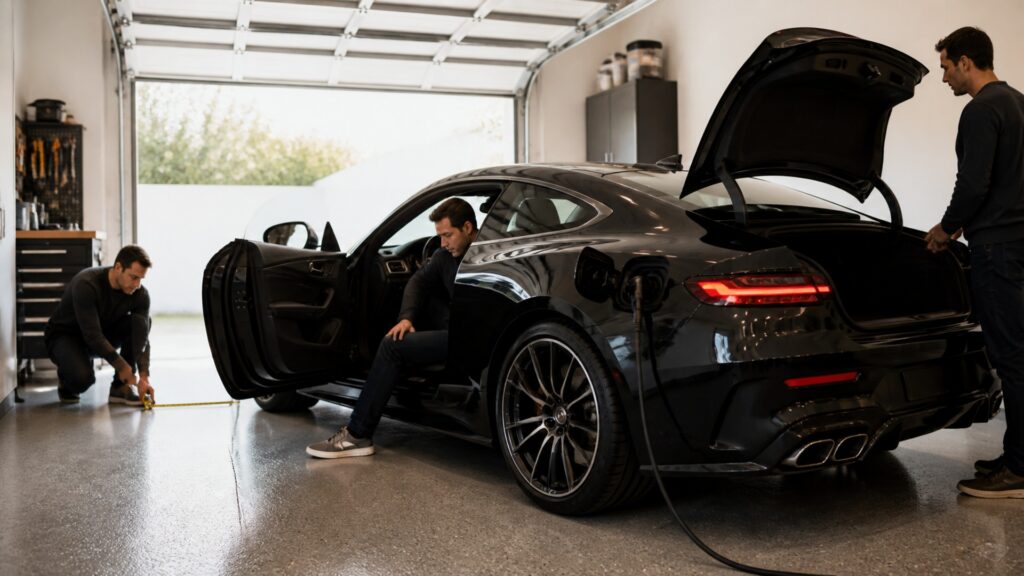
luxury performance cars explainer hero image for Review Streets
What You'll Learn

Checking Fit Beyond the Bolt Pattern

Understand why an apparently simple replacement can affect several connected systems.

  • Identify the exact chassis and brake equipment.
  • Separate wheel attachment from clearance and capacity.
  • Treat the front and rear tire combination as a complete specification.
  • Account for movement, load, and seasonal use.
  • Confirm required setup and checks after installation.

Tip: A compatibility listing should identify the relevant version and equipment, not merely the model name.

Definitions

Six Parts of a Proper Fitment Check

These checks answer different questions; passing one does not replace the others.

Wheel offset

The distance between the wheel centerline and its mounting surface.

  • Example: two same-width wheels sitting differently relative to the suspension
  • Check: use the approved offset for the specific application
  • Limit: matching diameter alone does not establish clearance

Brake clearance

The space between the wheel and the brake assembly.

  • Example: a spoke profile clearing a particular caliper
  • Check: confirm the exact brake package and wheel design
  • Limit: a larger rim diameter is not proof that its spokes clear

Load capability

The load a component is specified to support under its applicable conditions.

  • Example: a replacement wheel and tire meeting the vehicle requirements
  • Check: verify the specified wheel rating and tire service description
  • Limit: a larger-looking component is not automatically suitable

Rolling compatibility

The suitability of tire rolling dimensions across the fitted axles.

  • Example: an approved front-and-rear combination on an all-wheel-drive car
  • Check: follow the manufacturer requirements for the complete set
  • Limit: similar sidewall markings do not settle every compatibility question

Dynamic clearance

The space available as the steering and suspension move.

  • Example: a tire clearing the body when the car is loaded and turning
  • Check: have clearance assessed over the relevant movement range
  • Limit: a stationary unloaded inspection is incomplete

System setup

The specified adjustments or initialization associated with a repair or change.

  • Example: initializing tire-pressure monitoring after an approved replacement
  • Check: consult the service instructions for the work performed
  • Limit: not every replacement requires the same procedures

Tip: Keep the original equipment specification and the proposed replacement specification together so each difference can be checked explicitly.

Vehicle identity

The Exact Equipment Determines Compatibility

A luxury performance model can have different brake assemblies, axle setups, or suspension options within the same model year. A wheel offered for one version may be unsuitable for another. Identify the equipment before ordering, using the vehicle documentation and a reliable application check. This is especially important when buying used wheels whose previous owner may describe only the model they came from.

  • Record model year and drivetrain.
  • Identify the fitted brake and suspension options.
  • Confirm the replacement part number and application.

For example, the same nominal wheel size can have a different inner profile. Caliper clearance must be confirmed for the actual wheel and brake combination.

Wheel geometry

Attachment, Position, and Clearance Are Separate Checks

The mounting pattern is only one part of wheel compatibility. Width, offset, mounting details, load rating, and the shape of the wheel influence whether it can be used correctly. A wheel that sits farther outward can alter body clearance; one positioned differently inward can interfere with nearby components. The complete approved specification matters more than whether the fasteners appear to line up.

  • Check the full wheel specification.
  • Use the specified mounting hardware and procedure.
  • Verify clearance with the actual brakes and suspension.

Treat rubbing, unusual vibration, or unexpected steering behavior after a change as a reason for inspection, not as an acceptable cost of a different appearance.

Tire combination

The Front and Rear Tires Must Belong Together

Some performance cars use different tire sizes at the front and rear. That can be an intentional approved arrangement, not a mismatch to correct by fitting four identical tires. All-wheel-drive systems also have vehicle-specific requirements for tire combinations and replacement. BMW identifies star-marked tires as manufacturer-approved choices; an approval marking still needs to be checked against the exact application.

  • Use the approved axle-specific sizes.
  • Check load and speed requirements.
  • Follow replacement guidance for the complete tire set.

When one tire is damaged, ask how the proposed replacement fits the remaining set and the vehicle requirements before assuming that matching its nominal size is sufficient.

Real conditions

Check Fit Through Movement and Everyday Use

A parked car does not demonstrate every clearance it needs. Steering, suspension compression, passengers, and luggage change the relationship between tires and surrounding parts. Tire suitability also includes the conditions in which the car operates. A correctly sized warm-weather tire is not made suitable for snow simply because the vehicle has all-wheel drive. Fitment and seasonal selection need separate attention.

  • Consider steering and suspension travel.
  • Include the expected passenger and luggage load.
  • Choose tires appropriate for the operating conditions.

A winter wheel package needs confirmed brake clearance and approved tire specifications as well as seasonal suitability. Downsizing should follow documented compatibility, not a visual estimate.

After installation

Correct Parts Still Need Correct Setup

Installation quality completes the fitment check. Follow the specified fastening, balancing, pressure, and monitoring procedures, and determine whether the work calls for alignment or other checks. For pressure, use the vehicle guidance rather than treating the maximum on a tire sidewall as the everyday target. If suspension or related equipment has been altered, obtain service guidance for the affected systems.

  • Document the installed part specifications.
  • Complete the procedures required for that change.
  • Investigate new warnings or abnormal behavior.

The right question is which checks this particular change requires. A universal promise that nothing needs adjustment is no more useful than assuming every job requires every calibration.

Quick Reality Check

Physical Attachment Is Only the First Test

A usable replacement must satisfy the whole application.

An incomplete check

The wheel bolts on and looks right while parked.

The seller lists the model without identifying its brake or axle equipment.

A complete check

Specifications, clearances, tire combination, and component ratings match the exact car.

Required installation and system checks are completed for the work performed.

Common Myths

Fitment Assumptions That Cause Trouble

Visual similarity cannot establish mechanical compatibility.

The same diameter means the same fit

Width, offset, inner shape, and other specifications still matter.

Four identical tire sizes are always preferable

Some cars require an approved staggered front-and-rear setup.

All-wheel drive makes tire selection unimportant

The drivetrain has compatibility requirements and cannot replace suitable tires.

A premium replacement must be compatible

Price and brand reputation do not establish an exact application match.

Tip: Use documented specifications to resolve a disputed fitment claim before installation.

FAQ

Questions About Luxury Performance Fitment

Begin with the exact vehicle and the exact proposed parts.

Can wheels from another trim fit?

Possibly, but shared model naming is insufficient. Confirm the brake package, dimensions, ratings, and application.

Can I change only one damaged tire?

Follow the vehicle and tire guidance for the remaining set, wear, axle arrangement, and drivetrain.

Does a wheel that clears the caliper while parked pass?

That establishes only one part of compatibility. Other clearances, ratings, and installation requirements remain.

Should every tire use the same pressure?

Use the vehicle instructions; axle and loading requirements can differ.

Do all wheel changes require camera calibration?

No universal rule applies. Check the service requirements for the particular change and affected systems.

Bottom Line

Proper fitment preserves the intended relationship between the tires, wheels, brakes, and chassis of the exact car.

Confirm specifications and operating clearances, then complete the required setup. Bolting on is not the same as being compatible.

Next Steps

Go Deeper or Compare Your Options

Use these Review Streets paths to compare related categories and practical next decisions.

Vehicles

Explore vehicle types and their roles.

Further reading: NHTSA tire sizing and care; BMW approved tire marking.