Why Midsize Pickup Trucks Fitment Matters

Fitment matters on a midsize pickup because equipment must match the exact truck, attach to appropriate points, clear moving parts, and leave enough capacity for the people and work it carries. A bed cover, rack, hitch component, or wheel can look suitable yet conflict with a different bed, trim, factory accessory, or operating requirement.

Treat compatibility as more than whether an item can be fastened in place. Check the model year, body and bed configuration, mounting instructions, component ratings, added weight, and any affected systems. The goal is an installation that works through normal loading and movement without hiding a new limitation elsewhere on the truck.

By: Review Streets Research Lab
Updated: October 5, 2026
Explainer · 8-12 min read
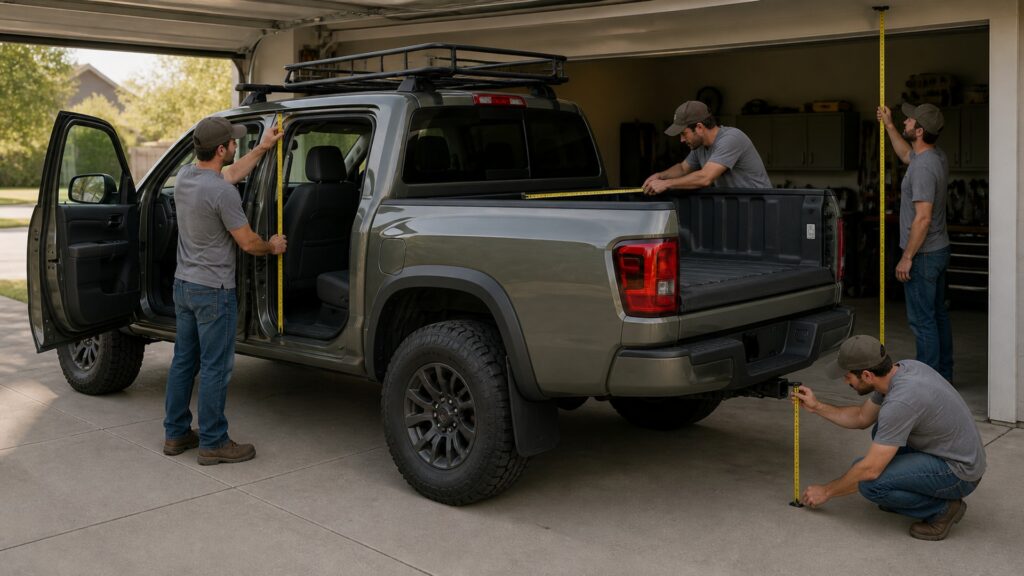
midsize pickup trucks explainer hero image for Review Streets
What You'll Learn

Checking Pickup Equipment as a Complete Installation

Connect physical compatibility with mounting, load, clearance, and system requirements.

  • Identify the exact truck and factory equipment.
  • Check mounting provisions and accessory combinations.
  • Deduct added equipment from available carrying allowance.
  • Verify wheel, tire, suspension, and body clearances.
  • Preserve the function of lights, sensors, wiring, and access points.

Tip: Ask for the application and installation information for the exact part number, not just a statement that it fits midsize pickups.

Definitions

Six Fitment Checks for Pickup Equipment

A correct installation has to pass more than a bolt-pattern test.

Application match

Compatibility with a specified vehicle and equipment combination.

  • Example: a cover listed for the correct bed and model year
  • Check: verify exact part numbers and exclusions
  • Limit: shared model naming does not guarantee interchangeability

Mounting provision

A point or method designed to carry the specified attachment.

  • Example: a rack using the intended bed mounting arrangement
  • Check: follow the vehicle and accessory instructions
  • Limit: an available hole is not automatically a structural anchor

Clearance envelope

The space needed for components and access through their movement.

  • Example: a cover opening without striking an installed rack
  • Check: check loaded operation and moving parts
  • Limit: static appearance does not prove usable clearance

Added equipment weight

The weight placed on the truck by fitted accessories.

  • Example: a canopy and drawers reducing remaining load allowance
  • Check: include the installed equipment in the load calculation
  • Limit: equipment does not become weightless because it is permanent

Component limit

A specified capacity for a particular part or mounting arrangement.

  • Example: a rack rating separate from the vehicle loading limit
  • Check: satisfy all applicable limits and conditions
  • Limit: the strongest individual part does not set the whole system rating

System compatibility

The ability of an installation to coexist with affected vehicle functions.

  • Example: a rear accessory leaving lights and sensors usable
  • Check: check wiring, sightlines, and required setup
  • Limit: mechanical attachment alone does not establish compatibility

Tip: Think through the installed combination. Two accessories that each fit the truck separately may still interfere with each other.

Exact application

Model Year and Bed Equipment Decide the Starting Fit

Pickup parts can vary with cab, bed, trim, and factory equipment. A bed accessory may depend on a particular rail arrangement or conflict with an existing liner or cover. Check the full application and its exclusions before purchase. Ford's accessory listings illustrate why products are identified by specific vehicle years and configurations rather than by the broad pickup category alone.

  • Identify the actual bed and factory fittings.
  • Confirm the exact accessory part number.
  • Read compatibility exclusions and installation requirements.

For a used accessory, obtain its identity rather than relying on the previous owner's description. An item removed from a similar-looking truck is not yet a confirmed match.

Attachment

Use Mounting Points for Their Intended Loads

A mounting point has a specific purpose and may have conditions on how loads are applied. Bed anchors, rack brackets, hitch attachments, and other provisions are not interchangeable simply because hardware can connect them. Follow the specified installation method and component ratings. If the proposed setup requires structural changes or unsupported combinations, resolve that application with appropriate technical guidance before fitting it.

  • Use the specified attachment arrangement.
  • Confirm fasteners and installation methods.
  • Check the rating of the complete mounting system.

A cargo tie-down point should not be assumed suitable for vehicle recovery. Similar-looking attachment locations can be designed for very different forces and uses.

Weight budget

Installed Equipment Uses Capacity Before Cargo Arrives

A canopy, rack, drawer system, or other accessory adds weight to the vehicle. Include it when determining the allowance left for passengers, cargo, and trailer tongue load. Its own carrying rating does not override the truck, axle, tire, or other applicable limits. A suspension aid that changes the truck's stance also does not automatically increase those ratings.

  • Record the installed equipment weight.
  • Recalculate the complete planned load.
  • Check component and vehicle limits together.

A rack capable of holding a particular load may still be unsuitable for the fully loaded truck. Every relevant limit must be satisfied at the same time.

Movement

Check Clearance With Steering, Suspension, and Access

Wheel and tire changes need confirmed specifications, load suitability, and clearance through steering and suspension movement. Bed equipment also moves: covers open, tailgates lower, drawers extend, and cargo needs access. A static fit check can miss interference that appears only during use. Assess the approved installation under its expected conditions rather than accepting contact as a normal feature of customization.

  • Verify the complete wheel-and-tire application.
  • Check relevant movement and loaded clearances.
  • Retain necessary access for use and service.

A rack and cover may each be compatible with the truck but not with one another. Test the documented combination and access requirements before treating the installation as complete.

Vehicle functions

Keep the Affected Systems Working Correctly

Equipment can obstruct lighting, cameras, sensors, airflow, wiring, or access even when it mounts neatly. Electrical additions need the specified connection and protection arrangements. Determine whether the particular change requires alignment, initialization, calibration, or another service check; there is no single procedure for every accessory. After installation, investigate new warnings, rubbing, leaks, or unusual behavior before using the equipment for its intended load.

  • Check the functions near the installation.
  • Follow the approved electrical requirements.
  • Complete the checks required for the specific change.

An accessory should be evaluated in the complete vehicle environment. Weather protection, mounting security, visibility, service access, and operating function are related but distinct parts of a successful fit.

Quick Reality Check

A Part That Attaches May Still Be Unsuitable

Compatibility belongs to the complete installed arrangement.

An incomplete fit check

The part has similar dimensions and its fasteners can be installed.

Its own rating looks adequate without calculating the loaded truck.

A complete fit check

The exact application, attachment, movement, and accessory combination are supported.

Added weight, all applicable limits, and affected vehicle functions are checked.

Common Myths

Pickup Fitment Myths That Miss the Whole Setup

Do not let an easy installation hide an incompatible application.

Anything listed for the model fits every year and trim

Applications and exclusions can differ by year, bed, equipment, and part number.

Permanent accessories do not count as cargo weight

They add vehicle load and reduce what remains available.

A high-rated rack increases the truck's capacity

The rack and vehicle limits must both be satisfied.

A part that bolts on needs no further checks

Clearance, system function, installation quality, and application requirements still matter.

Tip: Keep the application information and installation record with the vehicle for later service or equipment changes.

FAQ

Questions About Midsize Pickup Fitment

Start with the exact part and the complete vehicle configuration.

Can I transfer an accessory from another midsize truck?

Only after confirming the exact application, mounting requirements, dimensions, and exclusions.

Will a bed cover work with any rack?

No universal compatibility applies. Verify the specific combined arrangement.

Do bigger tires automatically improve capability?

No. Their application, clearance, ratings, and effects on the vehicle require a complete assessment.

Can a cargo anchor be used as a recovery point?

Do not assume so. Use only points and equipment specified for the intended operation.

Does every accessory require sensor calibration?

No. Follow the vehicle service requirements for the actual change and the systems it affects.

Bottom Line

Proper pickup fitment matches the exact truck, mounting system, movement, load allowance, and affected functions.

Confirm the complete installation before use. Physical attachment is only one part of compatibility.

Next Steps

Go Deeper or Compare Your Options

Use these Review Streets paths to compare related categories and practical next decisions.

Vehicles

Explore vehicle systems and ownership.

Further reading: Ford Ranger accessory applications; Ford Ranger owner and loading instructions; NHTSA tire sizing guidance.