Why Midsize Pickup Trucks Operating Function Matters

Understanding a midsize pickup's operating functions helps the driver use the right controls for the work at hand. Propulsion, transmission, driven axles, suspension, brakes, and electronic aids interact, but they do not all solve the same problem. A towing setting cannot increase a load rating, and a four-wheel-drive setting cannot compensate for unsuitable tires or incorrect loading.

The useful starting point is the exact equipment fitted to the truck. Learn what each control changes, when it is permitted, and what remains unchanged. That knowledge makes the transition between commuting, hauling, towing, and suitable unpaved travel more deliberate and helps prevent features from being used outside their intended conditions.

By: Review Streets Research Lab
Updated: October 5, 2026
Explainer · 8-12 min read
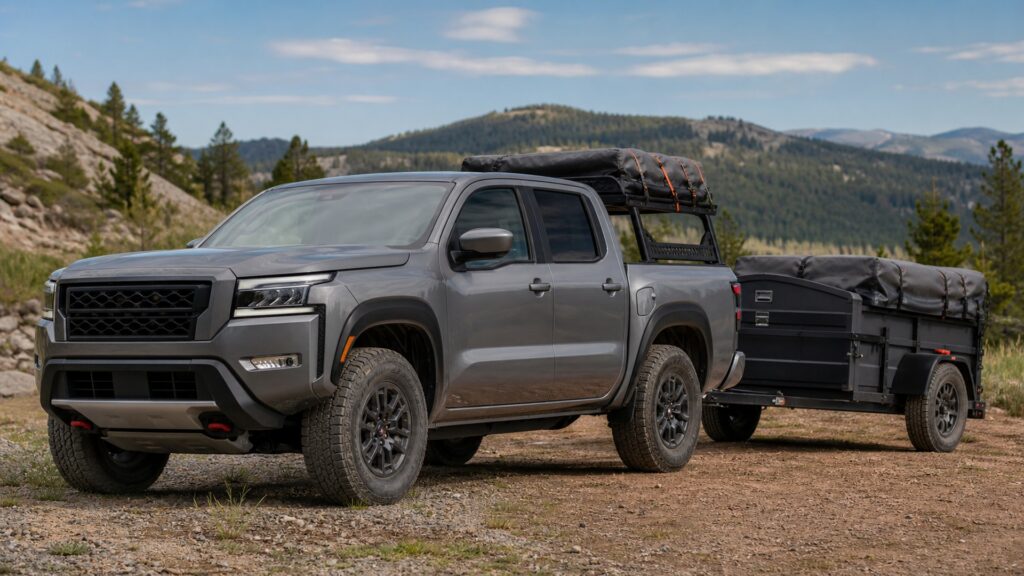
midsize pickup trucks explainer hero image for Review Streets
What You'll Learn

Matching Each Function to the Task

Understand the operating roles behind familiar truck controls.

  • Follow power through the transmission and driven axles.
  • Separate traction modes from road-surface suitability.
  • Understand what load support does and does not change.
  • Use towing functions within the rated setup.
  • Recognize feedback, warnings, and operating limits.

Tip: Read the function description before selecting a mode. Similar dashboard labels can refer to different hardware on different trucks.

Definitions

Six Operating Functions Worth Understanding

Each function serves a distinct purpose within the vehicle.

Torque delivery

How driving force is supplied and transmitted to the wheels.

  • Example: the transmission selecting a ratio as demand changes
  • Check: consider accelerator response and gearing together
  • Limit: available torque does not establish allowable cargo weight

Drive selection

The choice of supported driven-axle operating arrangements.

  • Example: selecting a permitted four-wheel-drive mode for the surface
  • Check: identify the system and mode restrictions in the manual
  • Limit: not all four-wheel-drive modes suit dry pavement

Low range

An additional reduction ratio in a suitably equipped transfer case.

  • Example: low-speed controlled travel where its use is specified
  • Check: check whether it is fitted and the engagement procedure
  • Limit: it is not a general highway-performance setting

Load support

The chassis and suspension function of carrying permitted vehicle loads.

  • Example: the suspension responding when equipment is placed in the bed
  • Check: consider ratings and load distribution together
  • Limit: a level-looking truck can still be overloaded

Tow mode

A selected calibration intended to support specified towing conditions.

  • Example: different transmission behavior when the feature is engaged
  • Check: read what it changes on the actual truck
  • Limit: it does not increase the published ratings

Operating feedback

Information the vehicle provides about its current state or a fault.

  • Example: an engaged-mode indicator or a temperature warning
  • Check: distinguish confirmation from warning messages
  • Limit: a selected setting is not proof the complete task is safe

Tip: Separate a control's effect from the vehicle's limits. Changing a response does not create a new capacity rating.

Power delivery

The Powertrain Responds to Demand Through Gearing

The propulsion system provides torque, and the transmission adapts its delivery to wheel speed and driving demand. Moving away, climbing, and cruising place different demands on that arrangement. The truck may change gears or adjust response automatically. Understanding this relationship helps explain why more engine speed under load is not by itself evidence of a fault, while unusual behavior or warnings still deserve attention.

  • Identify the fitted engine or motor and transmission.
  • Learn the supported driver controls.
  • Distinguish normal load response from new symptoms.

Judge operation using the vehicle instructions and observed changes, not a rule that the lowest engine speed is always best. Gearing is part of how the system meets demand.

Traction choices

Drive Modes Must Match the Fitted System and Surface

A midsize pickup may have two-wheel drive, selectable four-wheel drive, or other arrangements. Their operating rules differ. Some part-time four-wheel-drive settings are unsuitable for dry hard pavement because of how the axles are coupled. An automatic mode, where provided, is a different function. Use the exact manual to identify permitted surfaces and selection procedures rather than transferring habits from another vehicle.

  • Confirm which modes are actually fitted.
  • Follow the specified surface restrictions.
  • Use the required engagement procedure.

The same-looking selector does not guarantee the same capability. A terrain label also does not remove the need for suitable tires, ground clearance, and route judgment.

Carrying a load

Suspension Movement Is a Response, Not a Capacity Gauge

The suspension supports the loaded truck while allowing wheel movement over the road. Adding cargo changes the forces it carries and can alter ride height and response. The permissible load still comes from the vehicle's ratings and loading information. Visible sag can be a reason to investigate, but absence of sag is not evidence that the truck or an axle is within its limits.

  • Use the actual loading allowance.
  • Distribute and secure cargo as instructed.
  • Include permanent added equipment in the load.

A load-support accessory may change how the truck sits without changing what the manufacturer permits it to carry. Appearance cannot replace a complete load calculation.

Towing support

Towing Functions Assist a Properly Matched Outfit

Tow modes, trailer-brake controls, and camera aids perform different jobs when fitted. A mode may alter transmission behavior; a compatible brake controller helps operate the trailer's braking system under its instructions. These features support a correctly equipped and loaded combination. They do not make an unsuitable hitch, excessive load, or poorly maintained trailer acceptable. Confirm the function and setup requirements before the trip.

  • Check equipment compatibility.
  • Follow the trailer and truck setup instructions.
  • Keep all applicable ratings in view.

Turning on a towing mode is one operating step, not completion of trailer preparation. The physical connections, loaded weights, brakes, and visibility still need their separate checks.

Monitoring

Indicators Help Explain What the Truck Is Doing

Mode indicators, temperature information, and warning messages provide different kinds of feedback. Learn which show normal operation and which require a change of action. Driver assistance can also be restricted by speed, visibility, trailer use, or other conditions. When a new warning or abnormal response appears, follow the vehicle guidance rather than repeatedly changing modes in an attempt to conceal the symptom.

  • Verify the intended mode engaged.
  • Understand the relevant warnings.
  • Respond to abnormal operation before continuing the task.

A truck that accepts a setting has confirmed only that selection under its control logic. The driver still needs to decide whether the route, load, and conditions are appropriate.

Quick Reality Check

Functions Help With Tasks; Ratings Set Limits

Both are necessary for appropriate use.

Controls can change

Supported gearing, torque response, axle engagement, and assistance behavior.

How the truck responds during a permitted operating task.

Controls do not establish

A higher payload or towing rating than the configured vehicle permits.

Safe cargo, trailer preparation, or suitable road conditions by themselves.

Common Myths

Misconceptions About Pickup Operating Modes

A useful feature still has a defined job.

Tow mode raises the tow rating

It changes specified behavior, not the vehicle's permitted capacity.

Four-wheel drive belongs on whenever extra confidence is wanted

Use depends on the actual system and surface restrictions.

A level truck is within its load limit

Appearance does not establish total or axle loads.

More selectable modes mean every route is suitable

Hardware, clearance, tires, conditions, and access restrictions remain relevant.

Tip: Ask both what the function does and what it cannot change.

FAQ

Questions About Midsize Pickup Operation

The owner manual is the reference for the actual control and procedure.

Can every midsize pickup use low range?

No. It must have the appropriate transfer case and supported function.

Can I use four-wheel drive on dry roads?

That depends on the system and mode. Some part-time settings prohibit it; use the exact instructions.

Is tow mode the same as a trailer brake controller?

No. They perform different functions, and either may have separate equipment or setup requirements.

Will stronger suspension permit a heavier load?

Do not infer a changed vehicle rating from an accessory or altered stance.

What should I do if a warning appears while hauling?

Follow the vehicle instructions for that warning and stop safely when required; do not assume the load or mode makes it normal.

Bottom Line

Knowing the operating functions helps match the truck's controls to a permitted task.

Understand the exact system, follow its conditions of use, and keep loading and preparation separate from mode selection.

Next Steps

Go Deeper or Compare Your Options

Use these Review Streets paths to compare related categories and practical next decisions.

Vehicles

Explore vehicle operation and design.

Further reading: Ford Ranger owner instructions; Ford Ranger towing equipment and guidance.