
Why Midsize SUVs Operating Function Matters

A midsize SUV’s operating function is the way its powertrain, chassis, controls, and cabin work together during ordinary use. The useful question is not simply how much power it has, but whether it starts smoothly, responds predictably, carries the intended load, and makes repeated daily tasks straightforward.

That distinction matters because an impressive specification can coexist with awkward low-speed behavior, an uncomfortable ride, or a cabin that is inconvenient to load. Evaluate the whole journey: getting in, moving through traffic, joining a faster road, parking, and unloading.

By: Review Streets Research Lab
Updated: September 30, 2026
Explainer · 8-12 min read
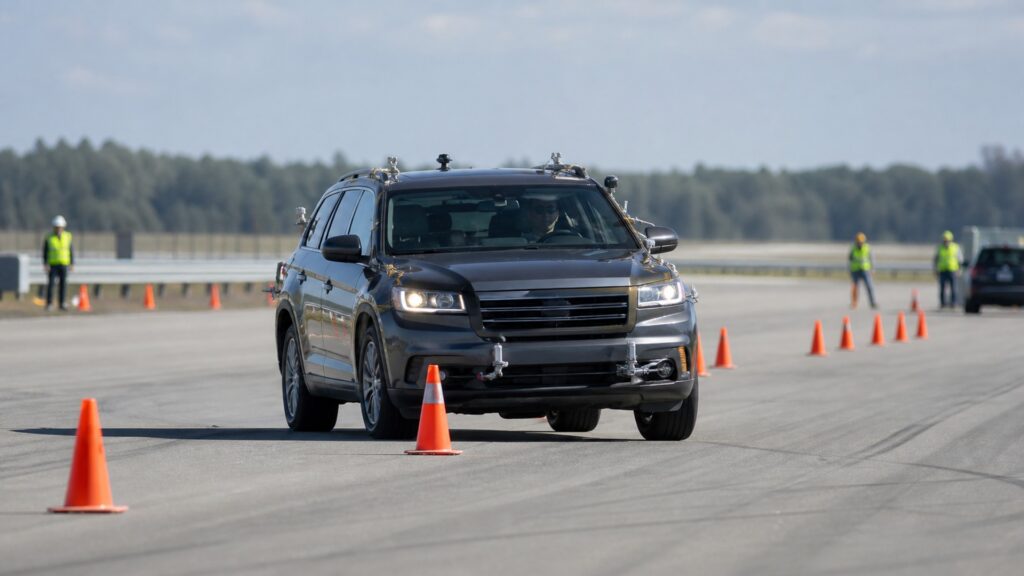
midsize suvs explainer hero image for Review Streets
What You'll Learn

How a Midsize SUV Works as an Everyday Vehicle

A driving and usability check should connect each feature to a task you repeat.

  • Assess low-speed control as well as acceleration.
  • Understand how suspension and tires affect comfort and response.
  • Match drivetrain capability to the conditions you encounter.
  • Check cabin access and cargo conversion during normal use.
  • Build a test drive around your actual routes.

Tip: Try routine maneuvers carefully and legally; extreme driving is not needed to learn whether the vehicle suits you.

Definitions

The Systems Behind Everyday SUV Behavior

These concepts explain why two similarly sized SUVs can feel quite different.

Powertrain response

How the engine or motor and its associated drive system respond to the accelerator.

  • Example: The vehicle picks up speed smoothly when moving into normal traffic.
  • Check: Assess response at both gentle and moderate pedal inputs.
  • Limit: Peak horsepower alone does not describe low-speed behavior.

Transmission behavior

How a transmission chooses and changes drive ratios in a vehicle that uses one.

  • Example: A gasoline SUV selects a lower gear when more acceleration is requested.
  • Check: Notice hesitation, abrupt changes, or excessive shifting during normal driving.
  • Limit: Different powertrain designs operate differently; not every SUV has stepped gears.

Suspension control

How springs, dampers, and related geometry manage body and wheel movement.

  • Example: The vehicle settles after a road undulation without prolonged bouncing.
  • Check: Try representative road surfaces at appropriate speeds.
  • Limit: Wheel and tire choices can change the experience within the same model.

Brake modulation

How easily the driver can apply and release braking smoothly.

  • Example: A gradual pedal input produces a controlled stop in traffic.
  • Check: Check whether ordinary stops feel predictable.
  • Limit: Different braking systems can feel different without having the same fault.

Traction management

How drive force and electronic controls respond when available grip differs between wheels.

  • Example: The drivetrain helps the SUV move away on a low-grip surface within its limits.
  • Check: Read which drive modes and restrictions apply to the vehicle.
  • Limit: Traction assistance cannot create grip where the tires have little available.

Cabin usability

How easily people and belongings move into, through, and out of the vehicle.

  • Example: A folded seat makes a useful cargo floor without moving the front seat.
  • Check: Repeat the entry and loading tasks you expect most often.
  • Limit: A volume figure does not reveal heavy seats or awkward openings.

Tip: A comfortable specification sheet and a comfortable routine are not always the same thing.

Traffic behavior

Judge the First Few Feet as Carefully as Highway Acceleration

Parking, school pickup, and congestion involve many small accelerator and brake inputs. Smooth, predictable response can matter more in these settings than maximum power. Check how readily you can move slowly, pause, and stop without repeated corrections.

  • Start from rest and make ordinary low-speed turns.
  • Notice visibility and how easily you judge the vehicle’s edges.
  • Compare response with any normal drive modes you expect to use.

An SUV that feels effortless during a short acceleration demonstration may be less agreeable in a queue. Include both kinds of driving before deciding.

Power delivery

Look for Useful Response at the Speeds You Use

A gasoline SUV may downshift before accelerating; a hybrid may blend engine and motor output; a battery-electric model delivers power through an electric drive system. The mechanisms differ, but each should provide controllable response for normal traffic.

  • Use a safe, representative road for a moderate acceleration check.
  • Listen for intrusive noise and notice whether the response is easy to predict.
  • Consider the passengers and load normally carried, while respecting test-drive rules and ratings.

Do not infer loaded-trip performance solely from a drive with one person aboard. Published limits and a suitable, permitted demonstration add context that an empty-vehicle impression cannot supply.

Ride and handling

Comfort Depends on How the Vehicle Settles

A soft initial ride is not the whole story. Repeated body movement after bumps, sharp impacts through the seats, or excessive cabin noise can become tiring over a journey. Suspension tuning, tires, seats, and road surface all contribute.

  • Try a mix of ordinary smooth and uneven roads.
  • Ask rear passengers about their experience.
  • Compare the same wheel-and-tire version you intend to buy.

A large-wheel display model may ride differently from another trim. Evaluate the actual configuration rather than assuming every version of the same SUV feels alike.

Drivetrain choice

Choose Capability That Fits the Route

Front-wheel drive, rear-wheel drive, all-wheel drive, and four-wheel-drive arrangements distribute driving force differently. Their usefulness depends on design and conditions. Terrain modes and capability claims should be checked against the owner’s manual, including any surface or speed restrictions.

  • Identify whether your need is paved-road travel, regular towing, or a permitted off-road use.
  • Check the required tires and equipment for that use.
  • Keep traction capability separate from braking grip and loading limits.

For many households, easy paved-road behavior matters every day while specialized capability is rarely used. Buy the equipment that solves your actual route problem.

Cabin routine

Finish the Test Drive by Loading and Unloading

Daily function includes the tasks performed while parked. Seat-folding mechanisms, liftgate height, door openings, storage, and climate controls can save effort or create repeated irritation. Check them with the people and items that will use the SUV.

  • Try entry, seat adjustment, and access to the rear rows.
  • Load a representative bulky item with required seats still usable.
  • Set common controls while parked and learn their layout.

A practical test might be a normal commute followed by placing a stroller and groceries in the back. That reveals more about household fit than an unused maximum cargo measurement.

Quick Reality Check

Where Strong Everyday Function Shows Up

Useful behavior is visible in repeated tasks, not just headline specifications.

It helps when…

The vehicle responds smoothly and predictably during normal driving.

Passengers, luggage, and controls fit the routine without constant rearrangement.

It falls short when…

Power, screen size, or drive-mode counts hide awkward behavior or poor access.

A lightly loaded demonstration is treated as proof of every towing or travel scenario.

Common Myths

Misconceptions About How Midsize SUVs Operate

Avoid confusing one impressive feature with a well-matched vehicle.

More horsepower always improves everyday driving

Response, control, gearing where applicable, and the intended task matter alongside maximum output.

A softer ride is always more comfortable

A vehicle can absorb an initial bump yet continue moving afterward. Evaluate how it settles and how all passengers feel.

More drive modes mean more usable capability

A mode is useful only if it supports the intended conditions and is used within the manufacturer’s instructions.

Cargo capacity describes loading convenience

The opening, floor shape, seat mechanisms, and lift height can matter as much as the quoted volume.

Tip: Compare the complete routine rather than collecting features you may never use.

FAQ

Questions About Everyday Midsize SUV Function

Use the test drive to answer practical questions.

What should a useful test drive include?

Ordinary traffic, a representative faster road, permitted parking maneuvers, and the entry and loading tasks you expect. Follow road rules and the seller’s conditions.

Why do two versions of one SUV feel different?

Powertrain, suspension, wheel, tire, and equipment differences can change response and comfort. Test the version you are considering.

Does all-wheel drive improve every part of driving?

No. Its main role concerns delivering drive force. Steering, braking, ride, and tire grip still need their own assessment.

How do I decide whether an awkward feature matters?

Consider how often you will use it. A difficult daily task deserves more weight than a feature that is impressive but rarely needed.

Bottom Line

Operating function matters because the best midsize SUV is one that performs your regular driving and carrying tasks predictably and comfortably.

Evaluate response, ride, controls, and cabin use together. Choose the configuration that works on your roads and in your routine.

Next Steps

Go Deeper or Compare Your Options

Use these Review Streets paths to compare related categories and practical next decisions.

Midsize SUVs

Explore midsize models with your passenger, cargo, and ownership requirements in mind.

SUVs

Compare the wider SUV category if another size or configuration may suit the task.

Vehicles

Consider other vehicle types when an SUV does not meet the full travel requirement.

Further reading: Ford: towing requirements and configurations; NHTSA: tires and vehicle control; DOE: electric-vehicle operation and considerations. Use the owner’s manual for the exact vehicle’s instructions and limits.