Why Muscle Cars Operating Function Matters

Understanding a muscle car's operating function means knowing how driver inputs become propulsion, braking, and changes of direction. The accelerator does not act alone: powertrain controls, gearing, differential behavior, tire grip, and chassis settings shape the result. A vehicle with substantial output can feel composed or abrupt depending on that coordination and the conditions in which it operates.

This knowledge matters when choosing settings, interpreting changes in response, and describing a possible fault. It also prevents confusion between a different control feel and a genuine increase in capability. Muscle cars use different powertrains and transmissions, so the correct explanation starts with the systems fitted to the particular car rather than a single traditional layout.

By: Review Streets Research Lab
Updated: October 5, 2026
Explainer · 8-12 min read
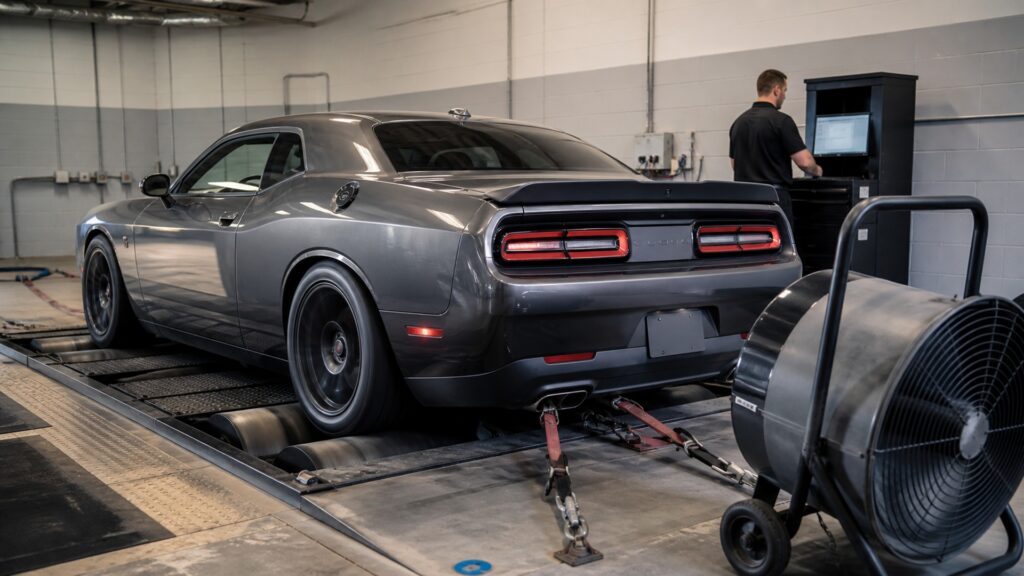
muscle cars explainer hero image for Review Streets
What You'll Learn

How Inputs Become Vehicle Response

Separate the functions of power delivery, gearing, chassis control, and electronic settings.

  • Understand how an accelerator request becomes usable drive.
  • Connect transmission behavior with power delivery.
  • Distinguish steering feel, damping, and tire forces.
  • Identify what selectable modes actually change.
  • Use symptoms and operating conditions to support diagnosis.

Tip: A change in response has a cause. Identify which system or setting changed before assuming the car has gained power or developed a fault.

Definitions

Six Functions Behind Muscle-Car Response

These concepts describe the jobs that combine during ordinary driving.

Accelerator mapping

The relationship between accelerator input and the drive request interpreted by the control system.

  • Example: a mode changing how much response follows a given pedal movement
  • Check: read what the fitted modes actually adjust
  • Limit: sharper response does not by itself prove higher peak output

Gear selection

The choice of ratio linking powertrain speed and torque with wheel speed.

  • Example: an automatic transmission selecting a different ratio as demand changes
  • Check: distinguish normal shifting from abnormal behavior
  • Limit: the selected ratio cannot create additional power

Differential function

The management of wheel-speed differences and drive transfer through a differential.

  • Example: the wheels on an axle turning at different speeds through a bend
  • Check: identify the fitted differential design
  • Limit: different designs do not provide identical behavior

Damping

Resistance that controls the rate of suspension movement and reduces continued oscillation.

  • Example: a damper helping the body settle after a road disturbance
  • Check: consider springs, tires, and suspension geometry together
  • Limit: greater damping is not always better on every surface

Control coordination

The interaction of systems that influence vehicle motion.

  • Example: powertrain and brake intervention responding to wheel slip
  • Check: learn the normal indications of the fitted systems
  • Limit: coordination still operates within tire and component limits

Operating limit

A condition beyond which a system cannot provide its intended behavior or requires protective action.

  • Example: a temperature warning requiring the response specified in the manual
  • Check: follow the instructions for the exact warning
  • Limit: normal operation earlier does not prove conditions remain acceptable

Tip: The same sensation can have several causes. A change in acceleration may involve gearing, grip, settings, temperature, or a fault.

Drive request

The Accelerator Requests a Response From Several Systems

In a modern vehicle, accelerator input is interpreted by control systems that manage the powertrain. The resulting wheel force depends on available output, gearing where fitted, drivetrain behavior, and the tires' ability to transmit it. Conditions or protective functions may also affect delivery. This is why a pedal position is not a universal measure of acceleration and why more input does not always create proportionally more motion.

  • Consider the operating range and current gear.
  • Distinguish available power from usable tire force.
  • Learn the meaning of relevant powertrain messages.

Two settings can produce different initial response to the same pedal movement without changing the vehicle's maximum output. The difference is in how the request is interpreted, not necessarily the engine or motor itself.

Gearing

Transmission Behavior Shapes How the Powertrain Is Used

Gearing changes the relationship between rotational speed and torque through the drivetrain. A manual transmission gives the driver one kind of interaction; an automatic selects ratios according to its control strategy and conditions. Electric and other powertrain arrangements can differ again. The useful question is how the fitted system delivers drive in the situation, rather than whether every muscle car should use the same transmission.

  • Identify the fitted transmission and supported controls.
  • Expect response to vary with ratio and operating conditions.
  • Investigate new or abnormal shift behavior.

A downshift can change engine speed and available wheel torque during acceleration. That change in response does not mean the car has acquired a new peak power rating.

Chassis response

Steering, Suspension, and Tires Perform Connected but Different Jobs

Steering sets the wheel direction, while suspension geometry, springs, and dampers influence how the wheels and body move. The tires then transmit the forces needed to change the vehicle's path. A heavier steering setting mainly changes the assistance or feel where that function is provided; it does not automatically create more grip. Similarly, altered damping changes movement control within the existing hardware.

  • Separate steering effort from available grip.
  • Assess damping in relation to the road surface.
  • Keep tire condition part of any response assessment.

A car may feel more deliberate in one setting yet be no more capable of using a slippery surface. Feel can help a driver judge the vehicle, but it is not a direct measurement of physical limits.

Selectable modes

A Mode Coordinates Specific Changes Rather Than Transforming the Car

Manufacturers can use selectable modes to adjust supported powertrain and chassis behaviors. Ford's Mustang controls illustrate changes that can involve throttle response, shift strategy, steering feel, and fitted damping or exhaust equipment. Availability and exact effects vary. A mode should therefore be understood through the correct manual, including its intended setting and restrictions, rather than treated as a universal improvement button.

  • Check which functions the actual mode affects.
  • Use the settings appropriate to the driving environment.
  • Recognize that optional hardware changes the available adjustments.

A car without adjustable dampers cannot acquire them through a screen setting. The label may coordinate different equipment on different versions of the same model.

Feedback and diagnosis

Operating Knowledge Helps Explain What Changed

Warnings, intervention indicators, unusual noise, or changed response provide clues, but they are not diagnoses on their own. Record the conditions: temperature, selected setting, road surface, recent service, and when the behavior occurs. Follow the manual for warnings and have unexplained changes assessed. Understanding the system's normal job makes that description more useful without encouraging guesswork about repairs.

  • Distinguish a normal intervention indicator from a fault message.
  • Record repeatable conditions rather than only subjective impressions.
  • Do not override protective behavior to force the expected response.

A reduction in drive accompanied by a warning has a different meaning from a familiar response change after selecting another mode. The circumstances help determine the appropriate next step.

Quick Reality Check

What Functional Understanding Adds

Knowing the jobs behind the controls improves expectations and communication.

It can help you

Choose appropriate settings and distinguish feel from physical capability.

Describe changed behavior clearly when seeking service or instruction.

It cannot replace

The exact operating instructions, professional diagnosis, or necessary maintenance.

Tire grip, suitable conditions, or the limits of fitted hardware.

Common Myths

Misconceptions About Muscle-Car Operating Functions

A different response does not always mean a different underlying capability.

Sharper accelerator response always means more power

The input mapping can change without increasing maximum output.

Heavier steering creates more tire grip

Steering effort and tire-to-road capability are different properties.

Every drive mode changes the same components

Effects depend on the model, software, and fitted hardware.

An unfamiliar sensation proves a particular part has failed

Settings, conditions, and several systems can influence feel. Diagnosis needs evidence.

Tip: Connect each control to the function it changes and the hardware on which it depends.

FAQ

Questions About Muscle-Car Operating Function

System names can sound similar while their behavior differs.

Why can the same car feel different in two modes?

The modes may alter input mapping, shifting, assistance, or damping where fitted. Check the exact functions listed for the vehicle.

Does changing gears create power?

No. Gearing changes speed and torque relationships through the drivetrain, subject to losses.

Are springs and dampers interchangeable functions?

No. Springs support load and permit movement; dampers control the rate of that movement.

Can a mode fix unsuitable tires?

No. Electronic settings cannot change the fitted tire construction, condition, or intended temperature range.

What should I report if the car feels different?

Describe the setting, conditions, warning messages, recent changes, and the exact behavior. That information helps a qualified technician investigate.

Bottom Line

Operating function matters because a muscle car's response comes from coordinated systems, not an isolated power figure or mode label.

Understand the functions behind accelerator response, gearing, chassis behavior, and assistance. Use that knowledge with the exact manual to select settings and recognize changes that need attention.

Next Steps

Go Deeper or Compare Your Options

Use these Review Streets paths to compare related categories and practical next decisions.

Vehicles

Explore vehicle systems and their roles.

Muscle Cars

Continue with muscle-car maintenance and safety.

Further reading: Ford Mustang control-function example; Ford Mustang performance equipment; Bosch stability-control functions; Dodge powertrain configurations.