
Training Function
Training function is the job the roller performs around exercise.
- Example: using a roller before squats to reduce perceived stiffness
- Check: connect the tool to a real training moment
- Limit: function does not guarantee results
Training function matters for muscle recovery rollers because the roller should support the way a person trains, warms up, cools down, and manages tightness. A roller that feels impressive but does not fit the routine will not help much.
The useful question is not whether the roller is intense. It is whether the roller helps the user apply the right pressure, reach the right areas, recover between sessions, and return to movement without adding unnecessary irritation.
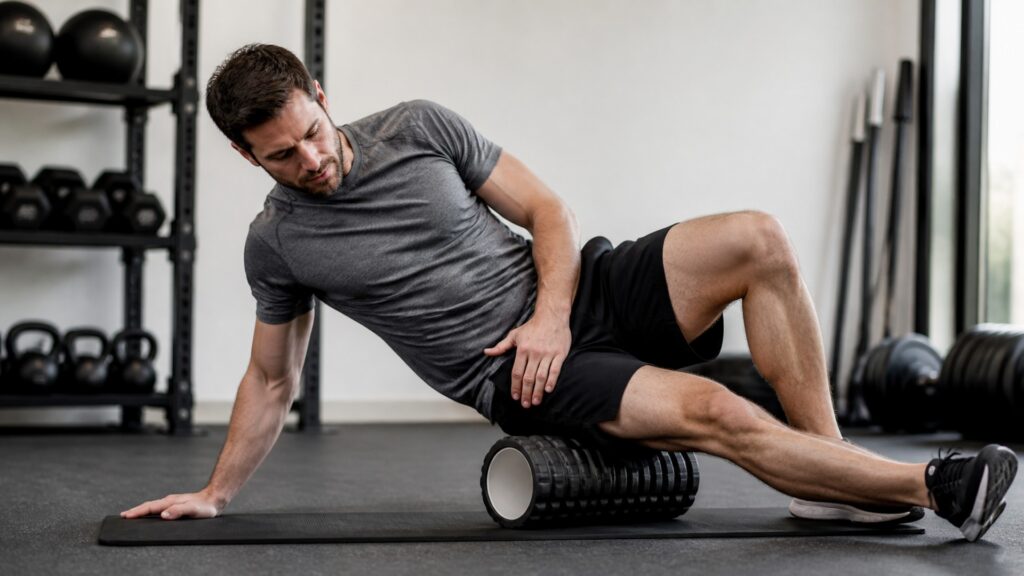
A practical guide to matching roller design with the role it plays around training.
Tip: Choose the roller that helps the routine most often, not the one that feels the harshest in a quick test.
These concepts explain what makes a recovery roller useful around workouts.
Training function is the job the roller performs around exercise.
Pressure control is the ability to adjust intensity with body position and tool choice.
Target access is how easily the roller reaches the intended muscle group.
Warmup role is using the roller before exercise to help movement feel easier.
Cooldown role is using the roller after exercise to manage stiffness and comfort.
Tolerance match is how well the roller intensity fits the user's comfort and experience.
Tip: A recovery roller works best when it fits the training moment and the user can control the pressure.
A roller can help before training, after training, or between sessions, but each use asks for a different feel. Warmup use often rewards short, controlled pressure followed by movement. Cooldown use often rewards gentler pressure.
Function improves when the roller has a defined job.
A roller that is too aggressive can make the user tense up. A useful roller lets the user add or remove body weight and stay relaxed enough to move afterward.
Control makes rolling easier to repeat safely.
Long rollers can support larger areas and balance work. Short rollers can travel well and target smaller areas. Texture and vibration change sensation, but they should serve the routine.
A functional roller is one the user can position well.
Rolling may help an area feel better, but recovery still depends on training load, sleep, nutrition, hydration, and time. The roller should not be used to ignore warning signs.
The tool supports recovery habits; it does not override them.
The right roller is usually the one that reaches the target areas, feels tolerable, stores easily, and fits the training schedule.
Training function turns roller choice into a routine-fit decision.
Function matters when the roller supports a real training need.
It matches pressure, size, and texture to the user's routine.
It keeps rolling focused on warmup, cooldown, or recovery support.
It cannot compensate for poor training load or persistent injury.
More intense rollers can be harder to use well.
The most painful option is not automatically the most useful.
Harder rollers can be useful, but only when the user can control the pressure.
Rolling can be part of a warmup, but movement preparation still matters.
Vibration changes sensation, but placement and pressure still matter.
Some soreness needs rest, lighter pressure, or professional assessment.
Tip: Training function is about useful support, not maximum discomfort.
Short answers about pressure, timing, texture, and routine fit.
Pressure control is often most important because it affects comfort, safety, and consistency.
Both can make sense. Before exercise, keep it brief and follow with movement. After exercise, use tolerable pressure.
Not automatically. Texture can feel useful, but it should not make the user tense or avoid the tool.
It may help manage how an area feels, but it cannot guarantee prevention.
Choose a roller that fits the training moment and lets you control pressure well.
Muscle recovery roller training function matters because the tool should fit warmup, cooldown, and recovery habits.
A useful roller reaches the right areas, allows controlled pressure, feels tolerable, and supports the routine without pretending to fix every soreness issue.
Use these Review Streets paths to compare related fitness categories and practical buying decisions.
Explore the category before comparing individual products.
Browse related fitness categories and buying decisions.
Compare features, fit, and practical tradeoffs in this category.
Choose a retailer
Prices checked regularly. We may earn a commission at no cost to you.