
Exposure Budget
Cumulative water, chemical, friction, impact, and coating stress across time.
- Use: prioritize prevention
- Variable: work and habits
- Tradeoff: Cannot reach zero
Nail protection matters because most everyday damage is cumulative. Water and detergent cycles, cleaning chemicals, impact, leverage from excess length, biting, scraping, filing, aggressive manicure preparation, and peeling durable coatings can progressively weaken the nail plate and surrounding skin.
Protection is a routine, not a shield in a bottle. Gloves reduce wet-work exposure; shorter smooth edges reduce leverage; moisturization limits friction; base coats may reduce staining or improve adhesion; careful removal prevents plate layers leaving with the product. The best plan targets the dominant exposure while keeping nails visible enough to detect lifting, color change, pain, or inflammation.
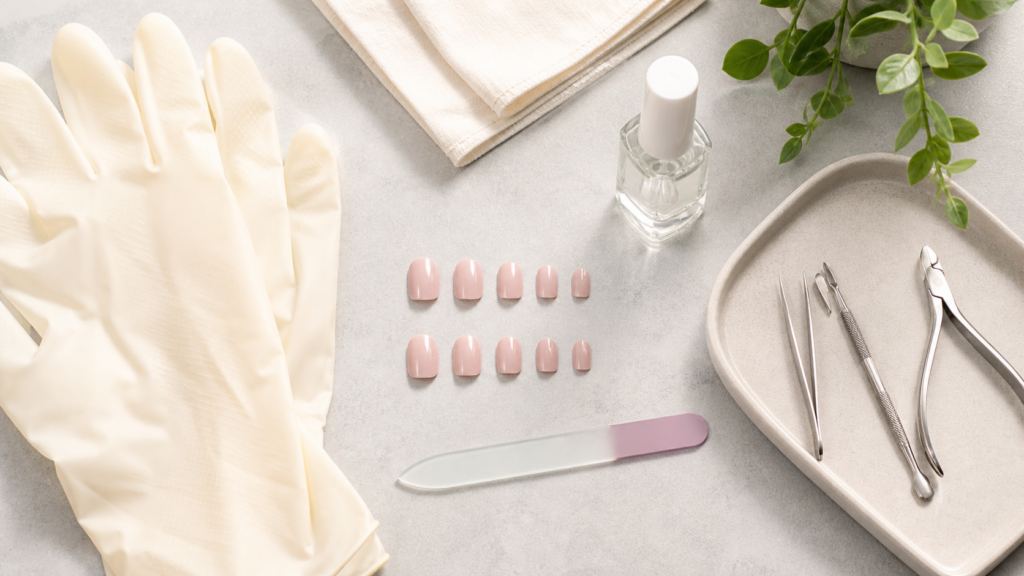
Frame nail protection as reducing cumulative water, chemical, mechanical, coating, and removal loads while preserving the cuticle barrier and visibility of nail changes; compare gloves, length, base coats, service spacing, and behavior change.
Tip: Protection works best when it targets the actual load.
These nail protection concepts separate mechanism, application, limits, and purchasing consequences.
Cumulative water, chemical, friction, impact, and coating stress across time.
Mechanical advantage created by nail length beyond the fingertip.
Layer intended to take abrasion or staining before the natural nail.
Cuticle and surrounding skin structures limiting entry around new nail.
Duration a nail or skin remains exposed to water or chemical.
Planned time with coatings removed to examine the nail.
Tip: Use these terms to test nail protection instead of relying on a front-label promise.
A dishwasher, sanitizer-heavy job, rock climbing, long enhancements, and polish picking create different loads. Change the biggest repeatable source first.
Protection works best when it targets the actual load.
Reduce leverage, file snags gently, and use proper tools for scraping or opening. A smooth free edge catches less often.
Less leverage often prevents more damage than a harder coating.
Choose task-appropriate gloves, keep interiors dry, and avoid direct contact with cleaners, solvents, or uncured nail products.
A glove is useful only when it blocks the relevant exposure.
They can reduce abrasion or picking, but preparation, allergy, lifting, bulk, and removal may add new risks. Keep coatings thin and intact.
A protective coat must come off without taking nail plate with it.
Protection includes noticing trouble early. Compare nails, document changes, and pause services after pain, swelling, lifting, thickening, or unusual color.
Visibility prevents cosmetic protection from becoming concealment.
Protection can reduce avoidable exposure and breakage; it cannot make nails damage-proof or conceal abnormal changes safely.
The dominant exposure causes fewer chips, splits, or skin breaks.
Protection remains comfortable and practical enough for consistent use.
Coatings can protect from some contact yet add preparation and removal stress.
Overprotection can trap moisture, irritants, or unnoticed nail changes.
These claims flatten the variables that determine how nail protection performs in a real routine.
Durable coatings can reduce impact or picking but introduce prep, allergy, lifting, and removal risks. Outcome depends on the full service.
Prolonged occlusion can trap sweat and irritants. Use gloves for the task and let hands and gloves dry afterward.
Added rigidity may increase brittle snapping. Length, exposure, flexibility, and failure pattern determine whether hardening helps.
It may reduce pigment contact, but staining varies with color, plate condition, coat coverage, and wear. Persistent abnormal color needs inspection.
Coatings can add temporary thickness, but nails do not require polish. Bare intervals help inspection and reduce repeated preparation and removal.
Tip: Test the exact nail protection tool, setting, and routine before generalizing from its category.
The remaining decisions about nail protection concern technique, compatibility, safety, upkeep, and value.
Use chemical-appropriate waterproof gloves with cotton lining or a separate liner, good fit, and intact material. Replace them when wet inside or damaged.
Yes. Longer free edges create more leverage during impact. A shorter practical length often reduces bending and tears.
Yes when labeled for standalone use. It can provide a sacrificial film but still needs gentle removal and inspection.
There is no universal interval. Remove coatings often enough to inspect changes and avoid continuous repair over lifting or pain.
Painful, swollen, draining, lifted, thickened, green, dark, or persistently discolored nails should be evaluated rather than concealed.
Compare chips, splits, skin breaks, task comfort, coating removal, and new damage across similar exposure periods.
Nail protection matters because cumulative water, chemical, mechanical, and coating loads shape breakage. The strongest strategy reduces the dominant exposure while preserving flexibility, skin barrier, and visibility.
Use suitable gloves, practical length, smooth edges, careful coatings, and nontraumatic removal. Inspect regularly and do not let a protective product hide persistent nail or skin changes.
These Review Streets paths narrow the next nail protection decision by format, goal, and routine fit.
Browse nail treatments, polish, removal, and care categories.
Compare cuticle oils by vehicle, applicator, feel, and routine fit.
Choose a retailer
Prices checked regularly. We may earn a commission at no cost to you.