Why Off-Road Vehicles Fitment Matters

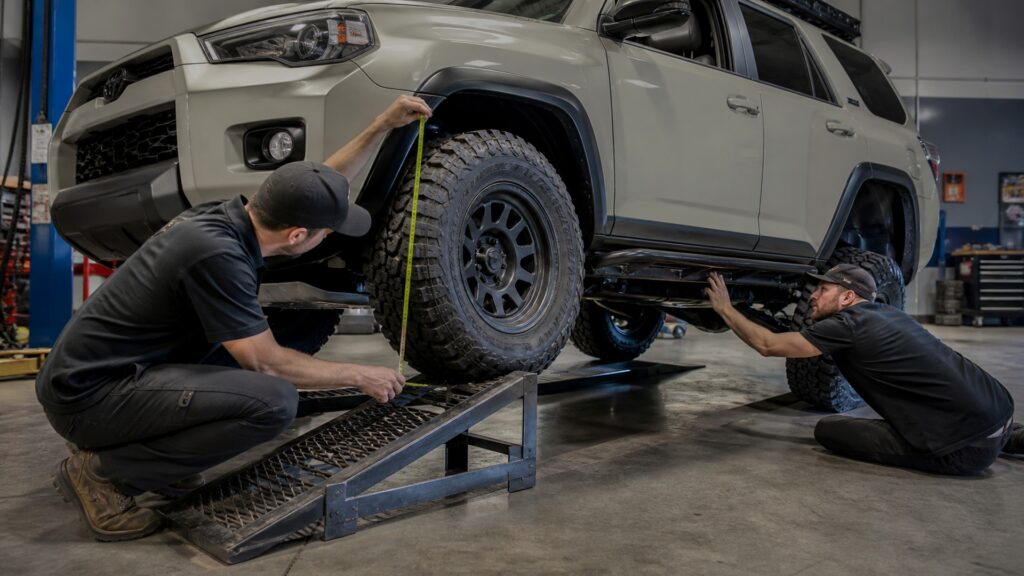
Fitment matters on an off-road vehicle because compatible parts must work while the steering turns, the suspension moves, and the vehicle carries its intended load. A tire that clears the body while parked may contact it during compression. A protective plate can share mounting space with another accessory. A wheel that attaches to the hub can still have unsuitable dimensions or inadequate clearance around the brakes.

Correct fitment therefore goes beyond whether a part can be installed. It includes physical compatibility, load capacity, operating clearance, and any required alignment or electronic setup. Start with the exact model year, trim, factory equipment, and existing modifications, then assess the proposed combination as a whole. The appearance of another vehicle is not enough to establish that the same parts will work on yours.

By: Review Streets Research Lab
Updated: October 5, 2026
Explainer · 8-12 min read
off-road vehicles explainer hero image for Review Streets
What You'll Learn

Fit the Complete Vehicle, Not Just the Mounting Point

Understand the checks that connect parts compatibility to real suspension movement and loaded use.

  • Identify the configuration details that affect compatibility.
  • Distinguish wheel attachment from complete wheel-and-tire fitment.
  • Account for steering and suspension movement.
  • Check accessory interfaces and combined loads.
  • Include alignment, calibration, and post-installation verification.

Tip: A parked clearance check is only one view of a moving system. Fitment must cover the operating conditions specified for the vehicle and parts.

Definitions

Six Fitment Concepts for Off-Road Vehicles

These concepts explain why a part can bolt on yet still be unsuitable.

Configuration compatibility

Agreement between a part's supported applications and the actual vehicle specification.

  • Example: a wheel listed for particular model years and brake equipment
  • Check: check the manufacturer's application list and exclusions
  • Limit: a shared model name does not prove identical equipment

Wheel offset

The position of a wheel's hub-mounting face relative to its centerline.

  • Example: a different offset changing where the tire sits relative to the suspension and body
  • Check: assess offset together with wheel width and tire dimensions
  • Limit: matching the bolt pattern alone does not establish clearance

Operating clearance

Space needed to avoid unwanted contact through the supported movement of connected parts.

  • Example: a tire approaching a liner as the wheel turns and the suspension compresses
  • Check: have the relevant range of movement assessed appropriately
  • Limit: a gap at normal parked height may disappear during use

Load rating

The specified load capacity of a component or system under stated conditions.

  • Example: a wheel selected to suit the vehicle's applicable axle load
  • Check: verify the ratings for the complete combination
  • Limit: a component upgrade does not automatically increase vehicle payload

Mounting interface

The attachment geometry and hardware through which a part connects to the vehicle.

  • Example: a skid plate using specified brackets and fasteners
  • Check: check compatibility with nearby fitted equipment
  • Limit: a convenient hole or bracket is not automatically an approved attachment

Calibration requirement

A specified adjustment or electronic setup needed after a supported change.

  • Example: a required update following a change that affects measured vehicle behavior
  • Check: follow the vehicle and part instructions
  • Limit: mechanical installation alone may not complete the job

Tip: Compatibility, clearance, and capacity are separate checks. Passing one does not establish the other two.

Identify the vehicle

Begin With the Exact Configuration and Its Existing Changes

Model year, trim, axle equipment, brakes, suspension, and factory packages can alter fitment. Previous modifications add another layer: a part may be suitable for an otherwise standard vehicle but conflict with a change already installed. Use the vehicle identification and documented equipment to establish the starting point. Manufacturer application information should be checked for exclusions as carefully as for the headline model name.

  • Record relevant factory equipment and existing modifications.
  • Use the exact part number and current installation instructions.
  • Resolve conflicting compatibility information before installation.

A wheel advertised for a model family may exclude a particular brake or axle package. A photograph of it on a similar-looking vehicle cannot resolve that difference.

Wheels and tires

A Matching Bolt Pattern Is Only the Start

Wheel fitment involves diameter, width, offset, hub interface, mounting hardware, load capability, and brake clearance. The tire adds its own approved rim-width range, overall dimensions, and load and operating requirements. These relationships determine where the assembly sits and what it can carry. Ford Performance wheel listings, for example, specify dimensions and offset rather than describing compatibility solely by diameter.

  • Check wheel and tire specifications as a combination.
  • Confirm the required hub and fastener interfaces.
  • Include the spare arrangement in the plan.

Two wheels with the same diameter and bolt pattern can position the tire differently. That can change inner clearance, outer clearance, and the space available as the wheel moves.

Movement

Check Clearance Through Steering and Suspension Travel

Off-road use can move the wheels relative to the body far beyond their parked position. Steering changes the path the tire occupies, while compression and extension change its relationship to nearby components. Correct assessment also considers brake hoses, wiring, and other items affected by movement. Have the combination checked using an appropriate professional method; do not improvise unsafe lifting or articulation tests.

  • Assess relevant steering angles and suspension movement.
  • Include the expected load and specified travel limits.
  • Investigate contact marks or new rubbing after installation.

A tire may clear a fender with the wheels straight yet contact a liner during a turn over a bump. The missing check concerns combined movement, not simply the visible parked gap.

Accessories

Check Shared Mounts, Added Weight, and Nearby Equipment

Bumpers, protective plates, steps, racks, and other accessories can occupy the same space or use related attachment points. Individually compatible parts are not necessarily compatible together. Added mass also uses available load allowance and can affect how the vehicle sits. Follow the rated interfaces and combined installation requirements, including any restrictions involving cooling airflow, sensors, lights, or access to service items.

  • Confirm compatibility between accessories, not only with the vehicle.
  • Account for added mass and axle or roof limits.
  • Preserve required sensor views, airflow, and service access.

A protective plate may fit the standard bumper arrangement but require a different approved bracket with another bumper. The correct decision depends on the combined installation, not either part in isolation.

Completion

Include Alignment, System Setup, and Verification

A change can affect the vehicle beyond the immediate mounting point. Suspension work may require alignment, and certain approved changes may require electronic setup or sensor checks. Ford's Bronco manual warns that wheel, tire, suspension, and other modifications can affect handling and stability-control performance. Follow the applicable instructions and have the completed vehicle assessed before assuming an installed part is ready for normal use.

  • Complete specified alignment and calibration work.
  • Resolve warnings, rubbing, or abnormal behavior.
  • Follow required inspection and fastener-check intervals.

A modification that looks finished may still have an outstanding setup step. A clear installation record helps distinguish the intended configuration from an unresolved fault later.

Quick Reality Check

What Correct Fitment Establishes

A sound installation supports the intended use without assuming new vehicle capabilities.

Fitment verification can establish

A supported combination with appropriate attachment, clearance, and component ratings.

Completion of the required installation, setup, and follow-up checks.

It does not automatically establish

A higher payload, greater towing capacity, or suitability for every terrain.

That any other accessory can be added without reassessing the combination.

Common Myths

Misconceptions About Off-Road Fitment

Appearance and attachment alone are incomplete compatibility tests.

If it bolts on, it fits correctly

Clearance, ratings, movement, and setup can still be wrong.

A lift guarantees that larger tires will clear

The complete steering and suspension geometry still needs assessment. Added parked space does not prove clearance everywhere.

A stronger component increases the vehicle's load rating

Vehicle ratings depend on the complete design. One component does not automatically change them.

Parts that fit separately must fit together

Accessories can compete for mounting space or interfere with other systems. Check the combined installation.

Tip: Use the exact vehicle, part numbers, and instructions to establish compatibility; do not infer it from a similar build.

FAQ

Questions About Off-Road Vehicle Fitment

The useful answer usually depends on the full configuration.

Why does wheel offset matter?

It changes the wheel's position relative to the hub and surrounding components. Width and tire dimensions must be considered with it.

Is a parked clearance check enough?

No. Steering, suspension movement, and loading can change the available space.

Should the spare be considered during a tire change?

Yes. Check the vehicle's matching requirements, spare use instructions, and carrier compatibility.

Can accessories affect sensors or cooling?

They can, depending on placement and design. Follow compatibility and installation guidance for the exact combination.

What should I do about rubbing or new warnings after installation?

Have the cause assessed and corrected. Do not treat new interference or system warnings as normal proof that the modification is working.

Bottom Line

Off-road fitment matters because the complete installation must remain compatible under movement and load, not merely attach to the vehicle.

Verify the exact configuration, wheel and tire relationships, accessory interfaces, ratings, and required setup. Treat each later change as a reason to reassess the affected combination.

Next Steps

Go Deeper or Compare Your Options

Use these Review Streets paths to compare related categories and practical next decisions.

Vehicles

Explore vehicle systems and compatibility.

Further reading: Ford Performance wheel specification example; Ford Bronco owner manual and modification cautions; NHTSA tire selection guidance.