Why Off-Road Vehicles Maintenance Role Matters

Maintenance preserves the systems an off-road vehicle depends on when the surface is rough and help may be distant. Dirt, impacts, repeated suspension movement, and demanding operating conditions can create needs that a mileage reading alone does not reveal. The useful distinction is between scheduled service, inspection after a trip, and diagnosis after a specific event. Each answers a different question.

A vehicle that still starts and drives can have a damaged tire, loosened component, leak, or blocked cooling surface. Equally, an occasional easy dirt-road journey does not justify inventing a complete new service schedule. Use the maintenance requirements for the exact vehicle and the conditions it experiences, then respond to evidence from its use.

By: Review Streets Research Lab
Updated: October 1, 2026
Explainer · 8-12 min read
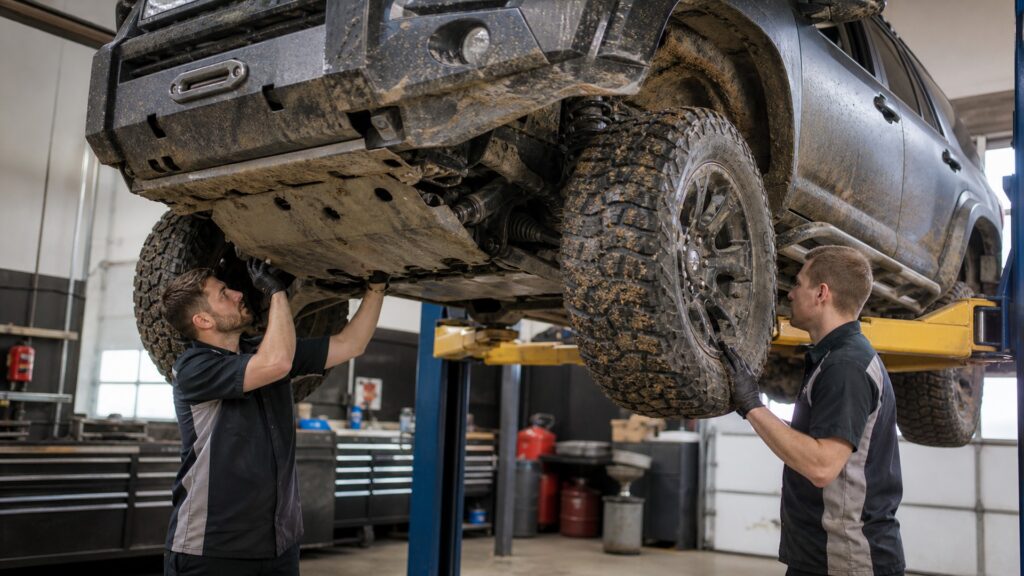
off-road vehicles explainer hero image for Review Streets
What You'll Learn

Keeping Terrain Capability Dependable

Understand what routine service, trip inspections, and fault diagnosis each contribute.

  • Separate scheduled work from checks following a trip.
  • Understand why exposure can matter alongside distance.
  • Recognize the difference between cleaning and inspection.
  • Record symptoms and impacts that help a technician diagnose a problem.
  • Confirm readiness for the road journey home.

Tip: A service record should describe relevant use and symptoms, not just the date of the last oil change.

Definitions

Six Maintenance Concepts for Off-Road Use

These terms help turn a vague idea of ruggedness into a practical care plan.

Scheduled maintenance

Service and inspection required at the times, distances, or conditions specified for the vehicle.

  • Example: following a manufacturer interval for an applicable drivetrain service
  • Check: use the correct model-year schedule
  • Limit: one interval cannot be applied to every off-road vehicle

Special operating conditions

Defined patterns of use for which the manufacturer specifies additional or different maintenance.

  • Example: frequent dusty operation triggering particular inspection requirements
  • Check: check the conditions and frequency specified
  • Limit: an occasional trip may not meet the stated threshold

Post-trip inspection

A condition check for damage or changes following terrain use.

  • Example: checking an accessible tire sidewall after a rocky journey
  • Check: compare current condition with the pre-trip condition
  • Limit: a visual check cannot rule out all internal damage

Contamination

Unwanted material entering or collecting around a component.

  • Example: dirt affecting a filter or debris collecting around cooling surfaces
  • Check: follow the specified inspection and cleaning method
  • Limit: cleaning the exterior does not establish the condition of enclosed assemblies

Wear indicator

An observable measurement or symptom that helps reveal deterioration.

  • Example: uneven tread wear leading to a tire and chassis assessment
  • Check: record the pattern and when it appeared
  • Limit: a symptom can have more than one cause

Event-driven diagnosis

Investigation following an impact, warning, leak, or changed behavior.

  • Example: new steering pull after contact with a rock
  • Check: describe the event and the resulting change
  • Limit: do not assume the next routine service is soon enough

Tip: Maintenance prevents some problems; inspection finds evidence; diagnosis explains it. None replaces the other two.

Service plan

Let the Actual Use Determine the Applicable Schedule

A normal service schedule is the starting point, not a universal answer to every duty cycle. Manufacturers may define additional requirements for frequent dust, particular off-road use, towing, or other conditions. Ford, for example, distinguishes qualifying repeated use from occasional exposure in its special-conditions guidance. Apply those definitions to your vehicle instead of copying an interval from another model or assuming every outing needs fluid replacement.

  • Identify the correct manual and maintenance schedule.
  • Compare your use with the stated special conditions.
  • Keep records of completed work and relevant exposure.

A mostly paved commute and frequent dusty backcountry operation may lead to different maintenance needs, even when the two vehicles accumulate similar annual mileage.

Tires and chassis

Find Changes Before They Become the Next Trip's Problem

Tires, steering, and suspension transmit the forces that let the vehicle follow the intended path. Off-road contact can leave evidence that deserves attention: a visible cut, a bent part, a fresh leak, or a change in how the vehicle tracks. Tire checks should include condition and the specified inflation, not just whether the tire looks flat. Persistent new vibration or steering changes call for diagnosis.

  • Inspect accessible areas without entering beneath an unsupported vehicle.
  • Compare tire wear and visible damage across the vehicle.
  • Have significant changes assessed before further demanding use.

A new pull after an impact is useful diagnostic information. Adding air or washing the wheels may not address its cause, so describe both the contact and the subsequent behavior to the technician.

Cleaning

Use Cleaning to Reveal Condition and Restore Clear Surfaces

Cleaning has a mechanical purpose when accumulated material obscures damage or obstructs a component. Ford's post-off-road guidance includes checking for damage and removing accumulated debris from relevant areas, including cooling surfaces. Use the vehicle's specified methods so that cleaning does not itself damage delicate parts or force water where it does not belong. A clean appearance alone is not a service result.

  • Follow the manufacturer's washing and cleaning cautions.
  • Look for damage once obstructing material is removed.
  • Arrange a suitable inspection for inaccessible areas.

A freshly washed body can coexist with a problem underneath. The useful outcome is a vehicle whose important areas can be assessed, rather than simply a vehicle that looks ready.

Unusual events

Treat Impacts, Water Exposure, and Warnings as Separate Evidence

An event can create a maintenance need before the next scheduled interval. The appropriate response depends on what happened and which assemblies were involved. Follow the exact vehicle guidance after water exposure or a significant impact, and have leaks or warnings investigated. Avoid assuming that a vehicle that drove away has escaped damage. Do not enter floodwater to test a vehicle's capability.

  • Record the event, warning messages, and new symptoms.
  • Use qualified diagnosis when damage or contamination is suspected.
  • Do not erase an unresolved warning as a substitute for repair.

If a new noise began immediately after underbody contact, that timing helps narrow the investigation. It is more informative than simply reporting that the vehicle sounds different.

Return to service

Finish With Readiness for the Next Kind of Driving

The next journey may be a highway trip rather than another trail. Confirm that the vehicle is in the configuration specified for road use and that identified defects have been resolved. Tire pressures altered for a supported off-road procedure must be restored as directed before road travel. Check that carried equipment is secure and that any service work has been documented.

  • Complete the relevant checks before the drive home.
  • Resolve tire damage and abnormal control behavior.
  • Record repairs so future changes have a clear history.

A successful trail outing is not the end of the maintenance decision. The vehicle still needs to be suitable for higher-speed road travel and its normal passenger and cargo load.

Quick Reality Check

What Maintenance Can and Cannot Deliver

Care supports the capability the vehicle was designed to provide.

A sound care plan can

Identify wear, damage, and service needs before they undermine later use.

Give technicians a clear history of exposure, symptoms, and completed repairs.

It cannot

Turn an unsuitable specification into the right vehicle for a difficult route.

Guarantee that no failure will occur or make visible cleanliness proof of mechanical health.

Common Myths

Misconceptions About Off-Road Vehicle Upkeep

Rugged equipment still depends on condition and appropriate service.

Low mileage means little maintenance is needed

Time, exposure, and operating conditions can matter as well as distance. Follow the applicable requirements.

Washing is the same as servicing

Cleaning can reveal condition and remove debris. It does not replace inspection, diagnosis, or required service.

Every dirt-road trip requires all fluids to be changed

Requirements depend on the vehicle and circumstances. Do not invent a universal replacement schedule.

If it drives normally, there cannot be damage

Some issues are not immediately obvious. Relevant inspections remain useful after demanding use or a significant event.

Tip: Use observed condition and the correct schedule together; neither is a complete maintenance plan by itself.

FAQ

Questions About Maintaining an Off-Road Vehicle

The right work depends on the exact vehicle, its use, and what changed.

Do I need extra service after occasional easy gravel travel?

Check the manual. Special-condition schedules often define frequency or severity, so occasional use may be treated differently.

Should a new vibration be ignored until the next service?

No. Have persistent or significant vibration assessed, especially after an impact or terrain use.

Can I use another model's maintenance interval?

Use the schedule for your own vehicle. Different assemblies, fluids, and operating requirements can lead to different intervals.

What should I tell the repair shop?

Describe the terrain, relevant impacts or exposure, warning messages, when symptoms started, and any changes or repairs already made.

Does adding protective equipment remove the need for checks?

No. Protection has limits and can itself be damaged. Follow its inspection requirements along with those of the vehicle.

Bottom Line

Off-road maintenance matters because dependable capability requires both scheduled care and attention to what happened during use.

Follow the correct service requirements, inspect after relevant trips, and investigate new symptoms. Readiness is a condition to confirm, not a reputation attached to a rugged vehicle.

Next Steps

Go Deeper or Compare Your Options

Use these Review Streets paths to compare related categories and practical next decisions.

Vehicles

Explore vehicle systems and ownership decisions.

Further reading: Ford special operating conditions maintenance; Ford post-off-road inspection guidance; NHTSA tire care guidance; National Weather Service flood guidance.