
Easy Run
A lower-pressure run where simple clothing may be enough.
- It can still need weather gear.
- Distance and route vary.
- It does not require special apparel by default.
Running apparel training function matters because the clothing that works for an easy neighborhood run may not be the right kit for a long run, tempo run, race day, treadmill session, cold start, or wet route.
The useful evaluation starts with the session's clothing job: stride clearance, sweat feel, weather layer, pocket access, liner choice, bib placement, or low-light visibility planning.
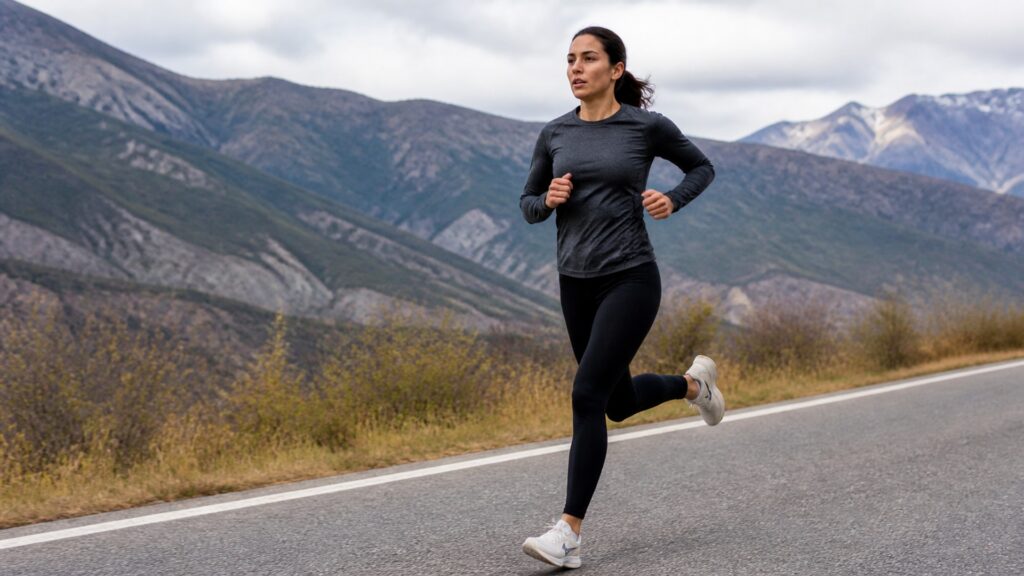
This article explains why running apparel should be chosen by session role rather than generic athletic style.
Tip: Start with the run type, then choose apparel features that serve that run rather than the other way around.
These definitions connect the main idea to the variables, limits, and practical signals readers need to compare options.
A lower-pressure run where simple clothing may be enough.
A longer running session where storage, seams, and layers may matter more.
A run where steady effort may make heat and fabric feel more noticeable.
An event setting with bibs, rules, weather, and carrying needs.
A pocket intended for small fueling items.
A light outer layer used for wind or rain exposure.
Tip: These terms connect apparel choices to running-session roles.
Easy runs, long runs, tempo runs, races, treadmill miles, and weather-affected routes ask different things from clothing.
Training function starts with the run.
The longer the run, the more pocket bounce, seam placement, liner fit, waistband hold, and drying feel can matter.
Duration changes priority.
Tempo runs, intervals, or warm conditions can make fabric weight, ventilation, and layering feel more important than casual coverage.
Effort changes clothing tolerance.
Outdoor running can involve keys, phone, gels, ID, lighting, reflective trim, or pockets, which makes apparel function broader than fabric alone.
The route adds utility.
Running apparel can support a session's clothing needs without guaranteeing speed, endurance, safety, calorie burn, injury prevention, or motivation.
Function stays with clothing.
Training function explains why running apparel should match the specific run.
It connects run type, duration, effort, route, weather, and storage.
It keeps apparel selection grounded in session needs.
It does not promise faster pace, safer routes, fewer injuries, or fitness gains.
It does not prescribe training or fueling.
Common shortcuts and misunderstandings can make the topic seem simpler than it is.
Different runs can change storage, weather, heat, and layering needs.
Race kit can sacrifice pockets, coverage, or durability that daily use may need.
Features only matter if they serve the session.
They only provide carrying space; fueling decisions are separate.
Tip: Treat strong claims as starting points for comparison, not final answers.
Concise answers to common questions readers may have after the main explanation.
Because the clothing should match the type, length, route, and conditions of the run.
Storage, seams, waistband stability, and drying feel may become more important.
That should not be assumed; it mainly serves event-specific clothing needs.
When the run has modest distance, predictable weather, and little carrying need.
No. It is one visibility feature, not a safety guarantee.
Running apparel training function matters because each run asks clothing to do a particular job.
A strong choice starts with the session: easy, long, fast, wet, cold, dark, indoor, or race-specific, then matches features to that role.
Use these Review Streets paths to connect the explainer to related categories, comparisons, and next decisions.
Use this for the construction mechanics behind running shorts, tops, pockets, and weather layers.
Compare running-session utility against pressure-focused clothing.
Browse the category once the session role is clear.
Choose a retailer
Prices checked regularly. We may earn a commission at no cost to you.