
Sensor Modality
Physical signal used to infer sleep.
- Role: For this decision, sensor modality belongs in preparation.
- Check: For sensor modality, locate this concept in the documented intended use.
- Boundary: It cannot correct a category mismatch.
For sleep tracking devices, a sound approach must inspect and charge safely, place or wear the sensor consistently, verify the intended mode, sync deliberately, note missing data and unusual nights, review multi-night trends, clean contact surfaces, and pause use if anxiety increases.
The sections below investigate the repeat-use process. It uses sensor modality, sleep window, and algorithm version to explain what changes the outcome, where uncertainty enters, and which response is proportionate.
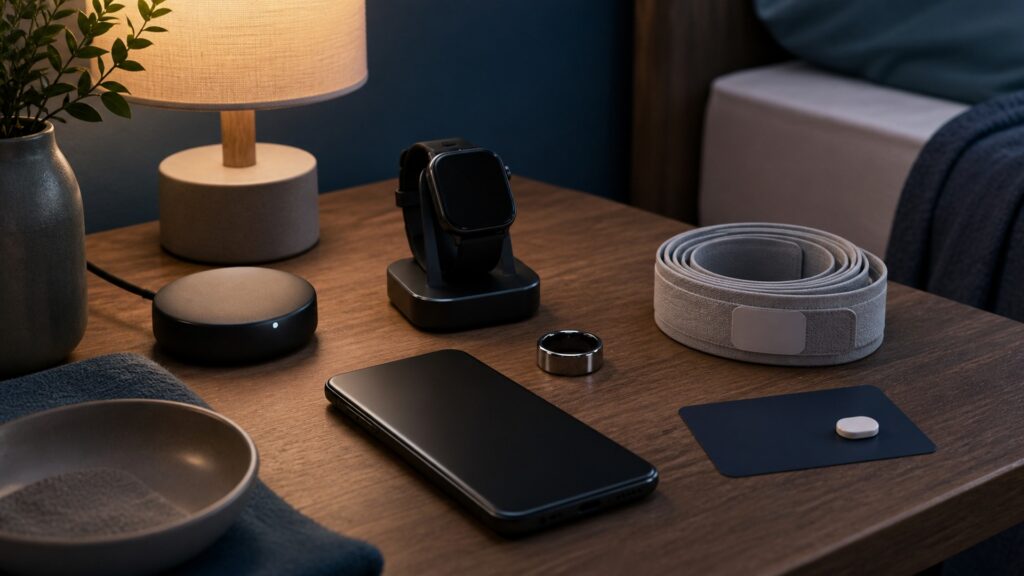
Build the decision around sensor modality, algorithm version, the operating context, points of failure, and the next practical move so the label does not decide the question by itself.
Tip: Read the concept as part of a system, then connect it back to the use case.
These definitions connect the main idea to the variables, limits, and practical signals readers need to compare options.
Physical signal used to infer sleep.
Estimated interval between sleep onset and final waking.
Software logic used to classify sensor data.
Period without usable recorded data.
Comparison with an established measurement method.
Natural change in estimates across nights.
Tip: Keep the definitions connected; the strongest answer usually comes from the whole system, not one term.
For the everyday workflow, the intended user and direct result need to be explicit before secondary features are considered. Sensor Modality defines the starting point, while sleep window helps show whether the product is being judged for the job it was designed to perform.
Sensor Modality is useful only when it answers the stated purpose.
Sensor Modality means physical signal used to infer sleep. Sleep Window affects the next part of the process: estimated interval between sleep onset and final waking. The pathway then reaches algorithm version, meaning software logic used to classify sensor data.
Following the operating pathway shows how missing segment can change the result.
A useful evaluation holds these factors in view: awake-in-bed time; reference validation; battery; synchronization; and privacy settings. Multiple changes at one time cloud whether whether missing segment or the wider context caused the change.
Comparable conditions make the day-to-day routine easier to interpret without pretending uncertainty disappears.
A responsible plan incorporates these rules: recognize false reassurance or false alarms; seek evaluation for concerning symptoms regardless of a consumer score; follow the intended-use boundary; inspect before operation; and use the least intensive suitable setting. If the step associated with reference validation breaks down or the user's condition changes, a seemingly normal output should not delay the right follow-up.
The safety boundary for the recurring sequence includes failure, misuse, and warning signs.
A workable routine includes these actions: inspect and charge safely; place or wear the sensor consistently; verify the intended mode; sync deliberately; note missing data and unusual nights; and review multi-night trends. Follow-through also requires: clean contact surfaces; and pause use if anxiety increases. Any required caregiver or professional review belongs in the workflow.
The best routine for the repeated-use pattern is the least burdensome routine that remains sound.
Use sensor modality and missing segment to separate a properly limited inference from a broader claim the category cannot demonstrate without other evidence.
Appropriate product-task fit can reveal how sensor modality affects sleep window within the stated conditions of use.
Systematic attention to algorithm version and missing segment can reveal whether the practical task remains practical over time.
The device does not turn reference validation into proof of the cause of a problem or override individual contraindications.
A failure involving nightly variability needs the response established for the user not an open-ended series of user experiments.
Common shortcuts and misunderstandings can make the topic seem simpler than it is.
Sleep Window contributes one input to the repeat-use process. That definition is too narrow to support the claim. The conclusion must also account for signal quality. A safe-use plan should also seek evaluation for concerning symptoms regardless of a consumer score.
Algorithm Version describes a control within the day-to-day routine. The description does not justify that conclusion. Any conclusion must include algorithm version. The user may also need to follow the intended-use boundary.
Missing Segment marks an intermediate step in the repeated-use pattern. Its role in the pathway is more limited than the myth suggests. The finding also turns on missing data. The applicable precaution is to inspect before operation.
Reference Validation sets one boundary around the recurring sequence. A sound setup cannot prevent every failure mode. The conclusion must also account for awake-in-bed time. Responsible follow-through should use the least intensive suitable setting.
Tip: Treat strong claims as starting points for comparison, not final answers.
Concise answers to common questions readers may have after the main explanation.
Missing Segment enters at the start of the continuing process. Start by reviewing reference validation. The daily routine should also place or wear the sensor consistently. The applicable precaution is to use the least intensive suitable setting.
Reference Validation changes a control point in the repeat-use process. Interpret the observation alongside battery. The daily routine should also verify the intended mode. The user's response pathway should also stop when an unexpected effect appears.
Nightly Variability affects the observable output from the repeat-use process. Compare performance only after recording synchronization. The daily routine should also sync deliberately. Before continuing, remember to protect children and private information.
Sensor Modality helps define the stopping point for the continuing process. Before continuing use, confirm privacy settings. The daily routine should also note missing data and unusual nights. This boundary requires users to maintain a working alternative.
Judge the everyday workflow through sensor modality, algorithm version, and the real conditions surrounding reference validation.
A sound decision keeps sleep window visible, builds missing segment into the ownership process, and responds promptly when nightly variability or another defined warning condition appears.
Use these Review Streets paths to connect the explainer to related categories, comparisons, and next decisions.
Compare the categories by primary job, mechanism, user fit, maintenance burden, and practical limitations.
Compare the categories by primary job, mechanism, user fit, maintenance burden, and practical limitations.
Compare the categories by primary job, mechanism, user fit, maintenance burden, and practical limitations.
Choose a retailer
Prices checked regularly. We may earn a commission at no cost to you.