
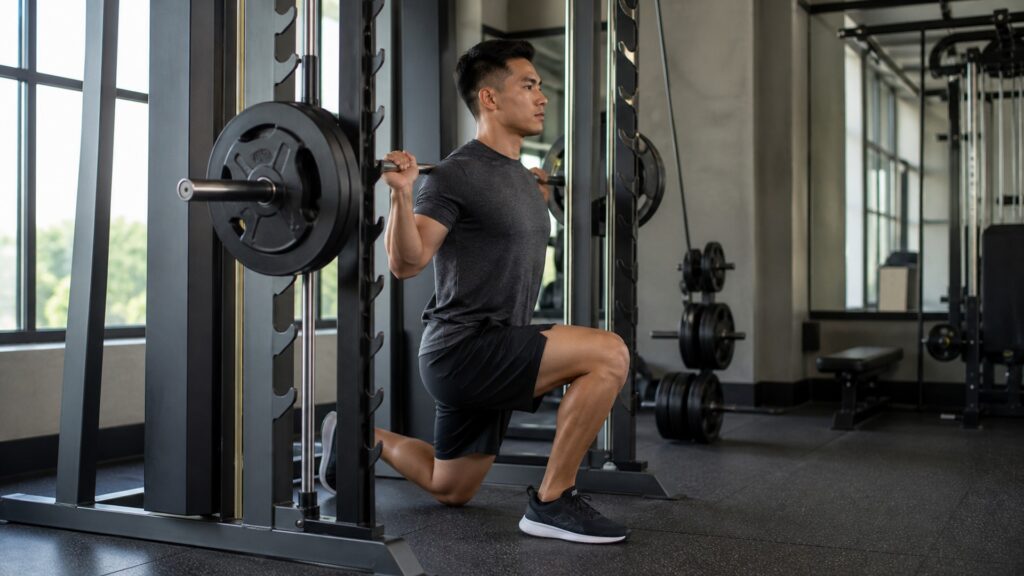
Why Smith Machines Movement Pattern Matters

Movement pattern matters in Smith machines because the bar travels on a fixed path. That path can support some presses, squat variations, rows, lunges, and calf raises well, but it can also make other movements feel unnatural.

The key question is whether the machine's rail path matches the movement the user wants to train. A Smith machine does not simply make every barbell movement easier. It changes the pattern by controlling where the bar can go.

By: Review Streets Research Lab
Updated: September 25, 2026
Explainer · 8-12 min read
smith machines movement pattern explainer hero image for Review Streets
What You'll Learn

How Movement Patterns Shape Smith Machine Fit

A practical look at fixed tracks, stance, bench placement, range of motion, and exercise selection.

  • Why fixed bar path changes movement
  • How stance and bench position affect exercise feel
  • Where Smith machines fit pressing and squat variations
  • Why some movements are better with a free bar
  • How to test the machine against a real routine

Tip: Judge a Smith machine by how its guided bar path fits the lifts a person will repeat, not by the fact that the bar is guided.

Definitions

Key Concepts Behind Smith Machines Movement Pattern Matters

These concepts clarify how Smith machines fit home strength training and equipment comparisons.

Movement Pattern

A movement pattern is the basic action an exercise trains, such as pressing, squatting, pulling, or lunging.

  • Example: a Smith machine split squat serving a single-leg pattern
  • Check: match the track to the intended pattern
  • Limit: the fixed path may change the movement

Fixed Bar Path

Fixed bar path is the rail-controlled route the Smith bar follows.

  • Example: a vertical track during a press
  • Check: move through the range before loading
  • Limit: the track may not match natural motion

Stance Position

Stance position is where the user's feet and body line up relative to the bar.

  • Example: standing slightly forward for a Smith squat variation
  • Check: adjust stance until the movement feels stable
  • Limit: poor stance can stress joints

Bench Placement

Bench placement is how the bench is aligned under the Smith bar for pressing or rows.

  • Example: positioning an incline bench so the bar tracks over the upper chest
  • Check: test start and finish points
  • Limit: small placement errors can change the lift

Range Of Motion

Range of motion is how far the movement travels with control and comfort.

  • Example: lowering the bar to a consistent press depth
  • Check: use stops without cutting useful range
  • Limit: fixed tracks can restrict some ranges

Pattern Transfer

Pattern transfer is how closely a Smith machine variation carries over to another exercise.

  • Example: comparing a Smith squat to a free-bar squat
  • Check: decide whether the goal is machine work or free-bar skill
  • Limit: guided movement may not transfer fully

Tip: A Smith machine works best when the fixed path supports the exercise instead of forcing the lifter into an awkward line.

Track Fit

The Bar Path Defines The Pattern

Smith machine movement starts with the rails. If the track aligns with the exercise, the machine can feel controlled. If it does not, the movement can feel forced.

  • Test the empty bar first.
  • Notice whether joints feel guided or crowded.
  • Choose movements that match the track.

The rail path is the first movement-pattern check.

Positioning

Stance And Bench Placement Matter More Than Expected

Because the bar cannot drift naturally, the user's body has to be placed carefully. Small changes in stance or bench location can change the movement.

  • Adjust foot position for squat variations.
  • Align the bench for pressing.
  • Keep the bar path over the intended target area.

Good positioning makes the fixed path more useful.

Exercise Fit

Some Patterns Match Smith Machines Better Than Others

Smith machines often work well for controlled presses, split squats, calf raises, shrugs, and some rows. Other free-bar movements may feel limited by the track.

  • Use Smith-friendly variations.
  • Avoid forcing movements that feel awkward.
  • Use racks or free weights when natural bar path matters.

The machine is strongest when exercise selection respects the guide rails.

Range

Stops And Rails Affect Depth And Finish

Safety stops and fixed travel can affect range of motion. The user should set stops to protect the lift without cutting off the useful part of the rep.

  • Set stops for each movement.
  • Check bottom and top positions.
  • Keep range consistent when tracking progress.

Useful range matters more than simply moving weight on the track.

Routine Check

Review The Whole Program

A Smith machine may fit a few exercises very well and others poorly. The purchase makes sense when the well-matched movements appear often in the routine.

  • Map weekly exercises to the Smith machine.
  • Identify movements better done elsewhere.
  • Choose the machine only if its best patterns matter.

Movement pattern fit shows up across the program, not one demo.

Quick Reality Check

Where Movement Pattern Review Helps And Where It Has Limits

Pattern review shows whether the guided track supports useful exercise choices.

Where It Helps

It reveals whether the fixed bar path fits the user's intended lifts.

It helps separate good Smith variations from forced ones.

Where It Falls Short

It cannot make every free-barbell movement feel natural.

It cannot replace technique, load judgment, or body awareness.

Common Myths

Misconceptions About Smith Machine Movement Patterns

The fixed path is useful only when it matches the movement.

A Smith machine makes every movement easier

It helps some movements and limits others.

Fixed path means perfect form

The user still needs good stance, bench placement, and control.

Smith exercises transfer exactly to free weights

Some transfer, but guided movement changes stabilization and bar control.

Stops replace range-of-motion judgment

Stops must be set without cutting useful range unnecessarily.

Tip: A guided bar is a tool, not a guarantee. The path, setup, and exercise choice still matter.

FAQ

Frequently Asked Questions About Smith Machine Movement Patterns

Short answers for choosing and using Smith machines.

Why do movement patterns matter on Smith machines?

The fixed track changes how each exercise moves and feels.

Which exercises often fit Smith machines?

Controlled presses, split squats, lunges, calf raises, shrugs, and some rows can fit well when setup is correct.

Are Smith squats the same as free-bar squats?

No. The fixed track changes balance, stance, and movement demands.

How should I test movement fit?

Use the empty bar, adjust stance or bench position, and check the full range before adding load.

What is the practical takeaway?

Use Smith machines for movement patterns that fit the track naturally.

Bottom Line

Movement pattern matters because Smith machines guide the bar through a fixed path that changes how exercises work.

The strongest use cases are movements where stance, bench placement, stops, and range of motion align with the rail path.

Next Steps

Go Deeper or Compare Your Options

Use these Review Streets paths to compare related categories and practical next decisions.

Smith Machines

Explore guided-bar strength equipment and setup tradeoffs.

Cable Machines

Review cable-focused equipment for accessory and angle-based work.