
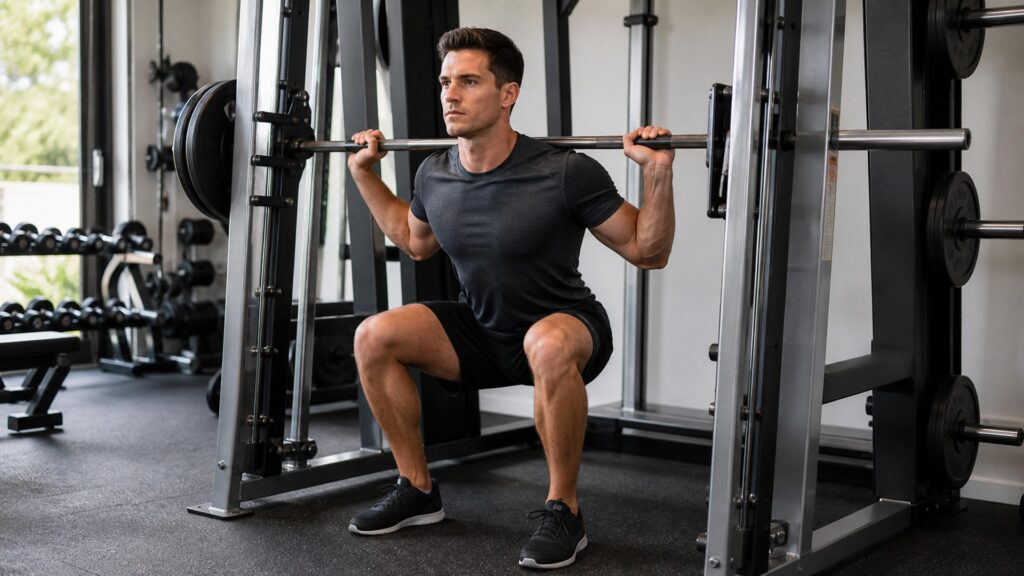
Why Smith Machines Training Function Matters

Training function matters in Smith machines because the guided bar is useful only when it supports better workouts. A smooth rail system and high capacity do not mean much if the machine's path, stops, hooks, and working space do not fit the exercises a person plans to repeat.

A strong Smith machine helps users set up selected lifts consistently, control the bar path, and use stops appropriately. A weak setup can make movements feel forced, awkward to rack, or poorly matched to the user's body.

By: Review Streets Research Lab
Updated: September 25, 2026
Explainer · 8-12 min read
smith machines training function explainer hero image for Review Streets
What You'll Learn

How Training Function Changes Smith Machine Value

A practical look at guided-bar path, racking, safety stops, exercise fit, and progression.

  • Why bar path matters more than the guided label
  • How hooks and stops affect workout flow
  • Where Smith machines support progression
  • Why exercise fit matters for comfort and safety
  • How to spot a guided machine that trains poorly

Tip: Judge a Smith machine by how its guided bar path fits the lifts a person will repeat, not by the fact that the bar is guided.

Definitions

Key Concepts Behind Smith Machines Training Function Matters

These concepts clarify how Smith machines fit home strength training and equipment comparisons.

Training Function

Training function is how well the machine supports useful, repeatable workouts.

  • Example: a Smith machine that sets up presses and split squats smoothly
  • Check: test the user's main exercises
  • Limit: a guided bar does not fit every lift

Bar Path Fit

Bar path fit is how naturally the guided track matches the exercise.

  • Example: an incline press that follows the user's pressing line
  • Check: move through the full range before loading
  • Limit: fixed paths can feel restrictive

Racking Flow

Racking flow is how easily the bar can be hooked and unhooked during a set.

  • Example: turning the bar into hooks after a hard press
  • Check: practice with light load
  • Limit: awkward hooks can disrupt training

Safety Stop Use

Safety stop use is setting the lower limit of the bar for a specific exercise.

  • Example: stops below the chest for a bench variation
  • Check: set stops for each movement
  • Limit: stops that are too low may not help

Exercise Selection

Exercise selection is choosing movements that match the fixed track.

  • Example: using a Smith machine for calf raises or controlled presses
  • Check: avoid exercises that feel forced
  • Limit: some free-bar movements do not transfer cleanly

Progression Control

Progression control is the ability to add load and repeat settings consistently.

  • Example: using the same hook height and stance for a weekly press
  • Check: record setup positions
  • Limit: progress still depends on programming

Tip: A Smith machine works best when the fixed path supports the exercise instead of forcing the lifter into an awkward line.

Fit

The Guided Path Has To Match The Exercise

A Smith machine's value starts with whether the track supports the lift. If the bar path feels forced, the machine may make the exercise less useful.

  • Test movement with an empty bar.
  • Adjust stance or bench position.
  • Choose exercises that fit the track.

Guidance helps only when the path makes sense.

Flow

Racking Should Be Easy To Repeat

Training function includes how the set starts and ends. Hooks should be easy to use without twisting into a poor position under fatigue.

  • Practice re-racking before heavy sets.
  • Use appropriate hook height.
  • Avoid rushing the finish of the set.

Good racking flow keeps the workout predictable.

Safety

Stops Need Exercise-Specific Setup

Safety stops can help, but only when they are set for the exercise and body position. A single stop height will not fit every lift.

  • Set stops before each movement.
  • Check the bottom position with light load.
  • Use stops without shortening useful range.

Stops support training when they match the movement.

Exercise Menu

The Best Movements Use The Track Well

Smith machines often work best for selected presses, squat variations, lunges, rows, shrugs, and calf raises. The right exercise menu depends on how the track feels.

  • Favor movements that feel smooth.
  • Skip variations that force joints into awkward paths.
  • Use free weights or racks when freedom matters.

Training function improves when exercise selection respects the machine.

Progression

Repeatable Setup Helps Progression

Smith machines can make setup repeatable when hook height, stance, bench position, and load are tracked consistently.

  • Record settings for key lifts.
  • Use gradual load changes.
  • Keep the same range of motion when comparing sessions.

Progression depends on repeatable setup, not just added weight.

Quick Reality Check

Where Training Function Helps And Where It Can Fall Short

Training function separates a useful guided-bar station from a machine that only looks convenient.

Where It Helps

It shows whether the bar path, hooks, stops, and setup support real workouts.

It helps users choose exercises that fit the machine.

Where It Falls Short

It cannot make every free-barbell lift feel natural.

It cannot replace programming, load judgment, or body awareness.

Common Myths

Misconceptions About Smith Machine Training Function

A guided bar still needs fit and setup checks.

Guided means automatically better

Guidance helps only when the track fits the exercise.

All Smith machine exercises are easy to set up

Hook height, stance, bench position, and stops still matter.

A Smith machine replaces every rack need

It supports guided-bar lifts, not true free-barbell movement.

More load capacity means better training

Bar path, stops, and racking flow shape daily use.

Tip: A guided bar is a tool, not a guarantee. The path, setup, and exercise choice still matter.

FAQ

Frequently Asked Questions About Smith Machine Training Function

Short answers for choosing and using Smith machines.

What feature matters most?

Bar path fit matters most because it shapes every exercise.

Are safety stops important?

Yes. Stops should be set for the specific exercise and user.

Can Smith machines support progression?

Yes, when setup and range of motion are repeatable.

How do I spot weak training function?

Warning signs include sticky rails, awkward hooks, poor stop placement, and movements that feel forced.

What is the practical takeaway?

Choose a Smith machine for exercises where the guided path supports the workout.

Bottom Line

Training function matters because a Smith machine is only useful when its guided path, hooks, stops, and setup support real workouts.

The best machines make selected lifts easier to repeat without forcing the user into uncomfortable movement.

Next Steps

Go Deeper or Compare Your Options

Use these Review Streets paths to compare related categories and practical next decisions.

Smith Machines

Explore guided-bar strength equipment and setup tradeoffs.

Cable Machines

Review cable-focused equipment for accessory and angle-based work.