Why Sports Cars Fitment Matters

Fitment matters on a sports car because its wheels, tires, brakes, suspension, and cockpit are designed to work in a particular arrangement. A replacement component must do more than attach successfully: it must preserve clearance, correct operation, and the driver's ability to control the car. Small-looking changes can affect several connected systems.

The right starting point is the exact vehicle specification, including model year, brake package, wheel sizes, and any previous modifications. A part advertised for the model family may have conditions that exclude your version. For a road-going sports car, good fitment also means a setup that remains usable on everyday roads, driveways, and journeys.

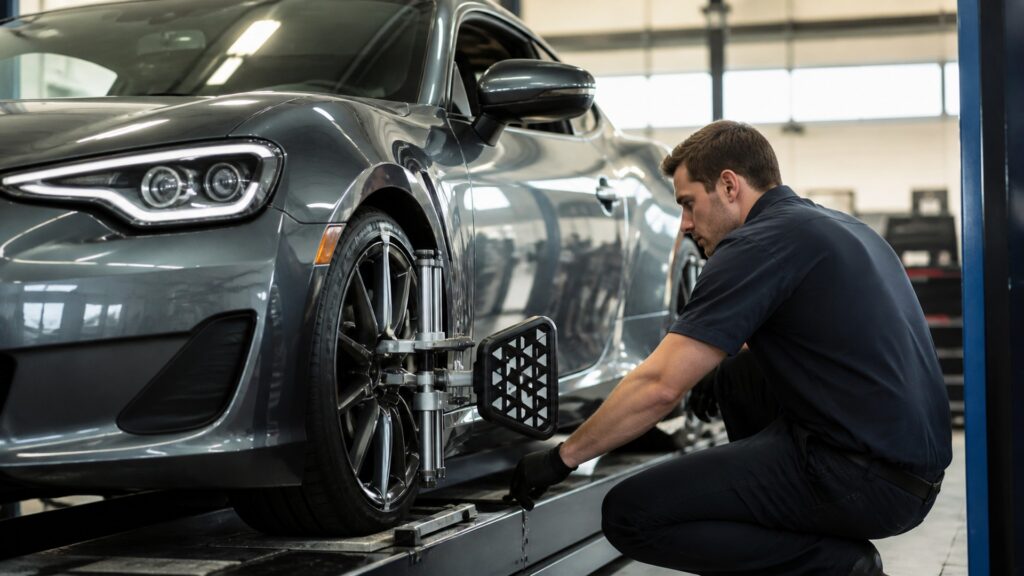
By: Review Streets Research Lab
Updated: October 1, 2026
Explainer · 8-12 min read
sports cars explainer hero image for Review Streets
What You'll Learn

Keep Replacement Parts Compatible With the Whole Car

Understand the differences between matching an attachment, preserving clearance, and retaining normal road usability.

  • Identify the exact trim and fitted equipment before ordering.
  • Check wheel geometry and brake clearance separately.
  • Treat tire selection as more than matching the printed size.
  • Account for suspension movement and everyday ground clearance.
  • Preserve cockpit controls and safety-system compatibility.

Tip: Use the car's current specification, not just the model name or its original brochure.

Definitions

Six Questions Behind a Proper Fit

Each addresses a different part of compatibility.

Application match

Confirmation that a component is intended for the exact vehicle configuration.

  • Example: a replacement listed for the correct model year and brake package
  • Check: read inclusions, exclusions, and installation conditions
  • Limit: a broad model-family listing may cover only some versions

Wheel geometry

The dimensions and mounting relationships that position a wheel on the car.

  • Example: width and offset determining its position relative to the suspension and body
  • Check: verify the supported specification and required hardware
  • Limit: matching diameter alone does not establish compatibility

Brake clearance

The room available between the wheel and brake components.

  • Example: the inside of a wheel clearing the fitted caliper
  • Check: check the exact wheel and brake combination
  • Limit: similar-looking wheels can have different internal shapes

Tire specification

The size, ratings, construction, and application details that define a tire's suitability.

  • Example: a replacement meeting the vehicle's required specification
  • Check: use the vehicle and tire manufacturers' guidance
  • Limit: a matching nominal size does not answer every suitability question

Operating clearance

Space needed for parts and bodywork during movement and ordinary use.

  • Example: a tire clearing the body as the suspension moves
  • Check: assess steering, suspension travel, and real road access
  • Limit: a static gap does not prove adequate clearance in use

Cabin compatibility

The fit of seats, controls, and related equipment with both the driver and vehicle systems.

  • Example: a seat arrangement preserving control reach and the intended restraints
  • Check: verify the complete supported installation
  • Limit: physical room in the cabin is not proof of safety-system compatibility

Tip: An installation can pass one of these checks and still fail another. Evaluate them separately.

Vehicle identity

The Exact Version Determines the Starting Point

Sports-car ranges can contain different wheels, brakes, seats, and suspension equipment. Previous owners may have changed those parts again. Before buying a replacement, establish what is currently fitted and what the manufacturer or supplier supports. A registration lookup or model name is helpful, but it may not describe every relevant option or modification.

  • Confirm model year and factory packages.
  • Record existing modifications and part numbers.
  • Ask about exclusions in the application listing.

For example, a wheel suitable for a smaller factory brake package may not clear another version's calipers, even though both cars share the same basic model name.

Wheels

A Matching Diameter Does Not Establish Wheel Fit

A wheel has several relevant dimensions and interfaces. Width, offset, attachment details, and the shape of its barrel and spokes influence where it sits and what it clears. Tire Rack's brake-fitment guidance emphasizes the wheel and brake combination. A wheel can therefore have the expected diameter yet be unsuitable for the fitted brakes or surrounding space.

  • Check the full wheel specification.
  • Verify clearance for the actual brake package.
  • Use the specified fastening hardware and installation requirements.

Buying by appearance or diameter alone can miss the hidden space behind the spokes. That space becomes especially important when the brakes have changed.

Tires

Choose the Correct Tire Application, Not Just a Similar Size

Tires must suit the vehicle, wheel, and operating conditions. Size is an important starting point, but required ratings and manufacturer guidance also matter. Front and rear requirements may differ on some sports cars. Avoid assuming that a tire arrangement can be changed simply because the replacement appears to fit under the body.

  • Confirm the requirements for each axle.
  • Check the approved wheel and tire pairing.
  • Use applicable pressure and replacement guidance.

A buyer comparing tire sets should establish whether the car uses different front and rear specifications before treating all four positions as interchangeable.

Ride height

Road Clearance Is Part of a Usable Installation

A lower ride height changes the car's relationship with the road and can alter the space available during suspension movement. The consequences may appear on driveways, ramps, or uneven surfaces rather than while the car is parked. Suspension changes should be evaluated as a supported setup with the appropriate alignment and clearance checks, not solely by the gap above the tire.

  • Consider normal routes and access points.
  • Check steering and suspension movement.
  • Have contact, rubbing, or abnormal wear investigated.

A setup that looks attractive on level ground can make a daily entrance difficult or introduce contact under movement. Everyday usability belongs in the fitment decision.

Cockpit and systems

Interior Changes Need More Than Physical Space

Seat position, pedal access, steering reach, restraints, and installed safety equipment interact. A different seat or steering component may fit the cabin physically while changing those relationships. Road-car protective systems should not be treated as unrelated accessories. Use a properly supported installation and qualified assessment for changes that affect them.

  • Check the driver's reach and unobstructed control use.
  • Preserve the intended safety-system arrangement.
  • Document changes for future servicing and inspection.

Moving the driver to a different position can change much more than comfort. A successful installation must account for the person and the vehicle, not just the available bolt holes.

Quick Reality Check

What Proper Fitment Establishes

Compatibility is a necessary foundation, not a promise of improved performance.

A suitable installation preserves

Correct attachment, appropriate operating space, and the intended relationships between components.

Driver control access and usability for the vehicle's actual road duties.

It does not automatically establish

That a larger, wider, lower, or more expensive part improves the car.

That a road-car change is appropriate for competition use or every condition.

Common Myths

Common Sports-Car Fitment Mistakes

Visible dimensions are only part of the specification.

If it bolts on, it fits

Attachment does not establish movement clearance, brake clearance, or suitability for the complete application.

All versions of a model use the same parts

Packages, model years, and previous modifications can change the required specification.

Wider wheels and lower suspension always improve the car

Those changes can introduce new clearance and operating compromises. Evaluate a supported combination.

Matching the tire size is the only requirement

Ratings, axle requirements, wheel compatibility, and intended operating conditions also need checking.

Tip: Keep the supplier's conditions and the actual vehicle specification together when evaluating a part.

FAQ

Questions Before Replacing Sports-Car Components

Start with exact identification, then check the completed installation.

What should I tell a parts supplier?

Give the model year, trim, relevant factory packages, and current modifications. For wheels, include the actual brake setup and intended tire specification.

Does original equipment always settle the question?

It is a useful reference, but verify that the car has not been changed and that the replacement is the correct part for its configuration.

Can two wheels of the same size clear brakes differently?

Yes. Internal barrel and spoke geometry can differ even when nominal diameter is the same.

What should happen after installation?

The installer should confirm correct fastening, unobstructed operation, relevant clearance, and any required setup or alignment according to the applicable instructions.

What if a part rubs or causes a warning?

Have the cause assessed rather than accepting it as a normal consequence of modifying a sports car. The installation or component choice may be unsuitable.

Bottom Line

Sports-car fitment protects the compatibility of the complete vehicle when parts are replaced or changed.

Identify the exact configuration, verify each interface, and assess operation after installation. A part that attaches is not necessarily a part that belongs.

Next Steps

Go Deeper or Compare Your Options

Use these Review Streets paths to compare related categories and practical next decisions.

Vehicles

Explore vehicles and their intended uses.

Sports Cars

Review sports-car systems before changing components.

Further reading: Tire Rack on wheel and brake clearance; NHTSA tire selection and maintenance; NHTSA on airbags and seat belts.