Why Sports Cars Maintenance Role Matters

Maintenance keeps a sports car's braking, tire grip, steering response, and powertrain operation close to their intended condition. Wear or neglected service can change the qualities that made the car enjoyable in the first place. Maintenance is therefore part of performance ownership, not simply a way to keep the bodywork presentable.

The right plan depends on the exact model, its age and condition, and how it is used. A lightly driven weekend car still has time-based service needs, while circuit use may add preparation and inspection requirements beyond ordinary road servicing. Follow the relevant manufacturer guidance rather than applying a single interval to every sports car.

By: Review Streets Research Lab
Updated: October 1, 2026
Explainer · 8-12 min read
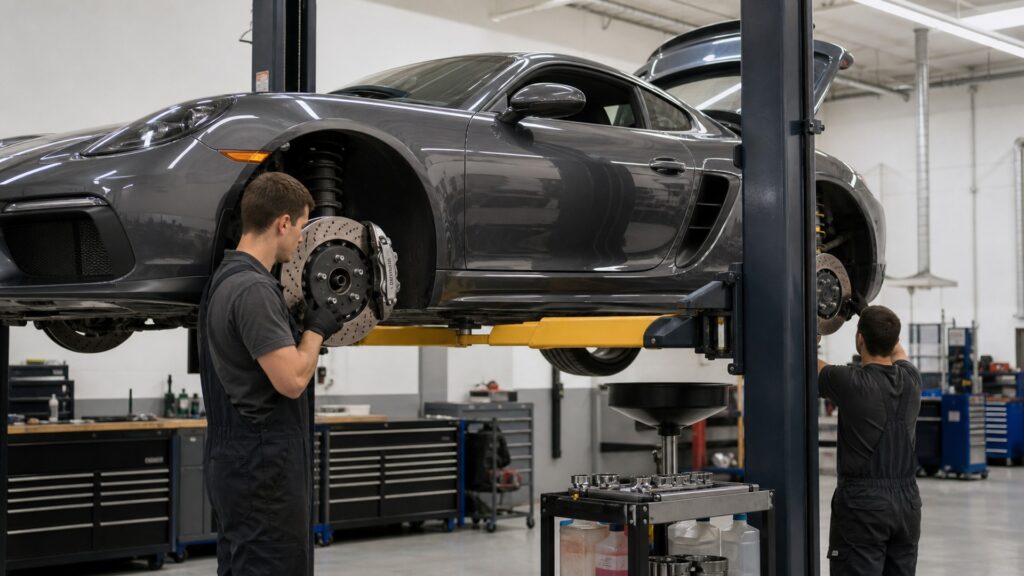
sports cars explainer hero image for Review Streets
What You'll Learn

Preserve the Response You Bought the Car For

Connect routine care with tire condition, braking, chassis behavior, and dependable use.

  • Understand why low mileage does not eliminate maintenance.
  • Separate ordinary servicing from track preparation.
  • Recognize tire and chassis issues that can change handling.
  • Use records to understand what has actually been done.
  • Respond to symptoms before buying performance upgrades.

Tip: Start with the correct owner's manual and service history, then account for the car's actual use.

Definitions

Maintenance Terms With Different Jobs

A service plan combines scheduled work, condition checks, and use-specific requirements.

Scheduled maintenance

Work due according to the manufacturer's specified time, mileage, or monitoring system.

  • Example: a service becoming due even though a weekend car has covered few miles
  • Check: use the schedule for the exact model and market
  • Limit: a generic sports-car interval can be inappropriate

Consumable condition

The remaining suitability of items that wear in use.

  • Example: tire tread and brake components being inspected
  • Check: use applicable wear limits and qualified assessment
  • Limit: remaining tread alone does not describe every aspect of tire condition

Fluid specification

The required properties and approval for a fluid used in a particular system.

  • Example: the correct engine oil or brake fluid for the vehicle and use
  • Check: check the manufacturer's current instructions
  • Limit: a performance label does not prove compatibility

Chassis condition

The state of the suspension, steering, and related components that control wheel movement.

  • Example: worn components being investigated after a handling change
  • Check: diagnose looseness, damage, or abnormal wear
  • Limit: an alignment adjustment cannot repair a worn part

Use-specific preparation

Additional work required for an activity beyond ordinary road use.

  • Example: following a model-specific circuit preparation guide
  • Check: confirm what is required before and after the event
  • Limit: a recent routine service does not automatically include it

Service record

Evidence of completed inspections, replacements, and repairs.

  • Example: an invoice identifying the fluid and components used
  • Check: check dates, mileage, details, and relevant modifications
  • Limit: a stamp or claim of regular care may omit important information

Tip: Mileage, calendar time, component condition, and use each tell a different part of the maintenance story.

Tires

Tire Care Protects the Car's Connection to the Road

Tires affect acceleration, braking, and steering response. Inflation, wear, damage, and suitability for conditions all matter. Michelin recommends regular pressure and condition checks, with pressure assessed under the appropriate cold conditions and against the applicable recommendation. A sports car's reputation for handling cannot overcome unsuitable or neglected tires.

  • Check the specified pressures and tire application.
  • Inspect for damage and uneven wear.
  • Investigate repeated pressure loss.

For example, a change in steering feel may begin with a tire issue. Fitting suspension parts before checking the tires can leave the original problem unresolved.

Braking

Brakes Need Condition Checks as Well as Service Dates

Pads, discs, fluid, and the other braking components have distinct inspection and maintenance needs. Driving pattern affects the demands placed on them. A car used for circuit sessions requires the preparation specified for that model and activity, not assumptions based on a recent road service. Chevrolet provides separate Corvette track-preparation resources for this reason.

  • Follow the required inspections and fluid specifications.
  • Have changes in pedal feel, warnings, or abnormal braking investigated.
  • Confirm whether planned use adds preparation or post-event work.

A service invoice may show that routine work was completed without establishing that the car has been prepared for an upcoming track event.

Engine and driveline

Use the Correct Schedule, Including Calendar Time

Lubricants, cooling systems, and other powertrain service items need the specifications and intervals intended for the vehicle. Light annual mileage does not cancel time-based requirements. Mazda's MX-5 maintenance guidance, for example, distinguishes schedules and recommends service at the relevant time or mileage period. That is an example of why owners should read the correct schedule rather than borrow one from another car.

  • Identify the exact engine, transmission, and model-year guidance.
  • Record time and mileage when work is completed.
  • Account for the conditions described in the manual.

A car that spends much of the year stored may reach a calendar-based service date before its mileage appears high. The applicable schedule still determines what is due.

Chassis

Worn Components Can Hide Behind a Setup Complaint

Dampers, joints, bushings, steering parts, and alignment influence how the car responds. When behavior changes, determine whether wear, damage, tires, or settings are responsible. An adjustment or upgrade should not substitute for diagnosis. Restoring worn components can recover the intended response without changing the original design.

  • Investigate new noises, looseness, or uneven tire wear.
  • Have the underlying condition checked before alignment changes.
  • Keep modification details with service records.

If the car no longer feels settled, the useful first question is what changed. Assuming that it needs stiffer suspension can overlook a repairable fault.

Ownership records

A Written History Makes the Next Decision Easier

Records help distinguish work that is due from work already completed. They also reveal whether fluids, tires, or replacement parts match the intended specification. This is particularly useful for modified cars or vehicles with circuit history. A pre-purchase inspection complements the history by checking present condition rather than relying on past paperwork alone.

  • Keep itemized invoices and inspection findings.
  • Record modifications and their service requirements.
  • Plan upcoming consumables and service rather than waiting for failure.

A documented replacement does not guarantee current condition, but it gives the next technician a stronger starting point than an uncertain recollection.

Quick Reality Check

What Maintenance Preserves and What It Cannot Promise

Care reduces avoidable deterioration; it does not make every use appropriate.

A sound plan helps preserve

Predictable operation, intended response, and knowledge of component condition.

A clear record of required work and the specification used.

It does not guarantee

Freedom from every failure or readiness for an unplanned activity.

That an unsuitable modification becomes appropriate because it has been serviced.

Common Myths

Maintenance Misconceptions Sports-Car Owners Encounter

Appearance and mileage do not tell the whole condition story.

Low mileage means servicing can wait indefinitely

Time-based requirements still apply, and storage does not establish that every component remains suitable.

Detailing is the main maintenance job

Cleaning is useful, but it does not replace mechanical inspection, tire care, or scheduled work.

Performance upgrades cure a tired chassis

Worn or damaged parts need diagnosis and repair. Adding different parts without identifying the fault may not solve it.

A road service automatically makes the car track-ready

Circuit use can have separate preparation, equipment, and inspection requirements.

Tip: Judge care by documented work and current condition, not paint finish alone.

FAQ

Questions About Keeping a Sports Car in Condition

Use model-specific guidance for intervals and procedures.

How often should a sports car be serviced?

Use the schedule and monitoring guidance for the exact vehicle, including time, mileage, and relevant operating conditions. There is no universal sports-car interval.

Does a weekend car need regular checks?

Yes. Follow its calendar-based service requirements and check condition before use, especially after storage.

Should I replace parts just because the car feels different?

Have the change diagnosed first. Tires, wear, damage, and settings can produce different causes with similar symptoms.

Are track and road maintenance requirements identical?

Not necessarily. Consult the manufacturer's track guidance and organizer requirements for the planned activity.

What matters when buying a used sports car?

Combine detailed service records with a qualified inspection of current condition, including relevant modifications and evidence of prior use.

Bottom Line

Maintenance preserves the mechanical condition behind a sports car's performance and feel.

Use the right schedule, inspect wear items, and account for how the car is driven. Restore sound condition before assuming an upgrade is the answer.

Next Steps

Go Deeper or Compare Your Options

Use these Review Streets paths to compare related categories and practical next decisions.

Vehicles

Explore vehicle ownership and use categories.

Sports Cars

Review sports-car characteristics alongside upkeep.

Further reading: Mazda MX-5 scheduled maintenance example; Michelin routine tire care; Chevrolet Corvette track preparation resources.