
Training Function
Training function is the main job the machine performs in a routine.
- Example: warmups, intervals, conditioning, or steady cardio
- Check: name the main role before comparing models
- Limit: one machine may not fit every role
Training function matters because a stair climber machine can serve several different cardio jobs: short high-effort sessions, warmups, lower-body conditioning, or steady climbing. Each role changes what matters most about step height, speed range, support rails, and feedback.
A stair climber is most useful when its climbing motion matches the workout the user plans to repeat. Without a clear role, it can become too intense, too awkward, or too easy to avoid.
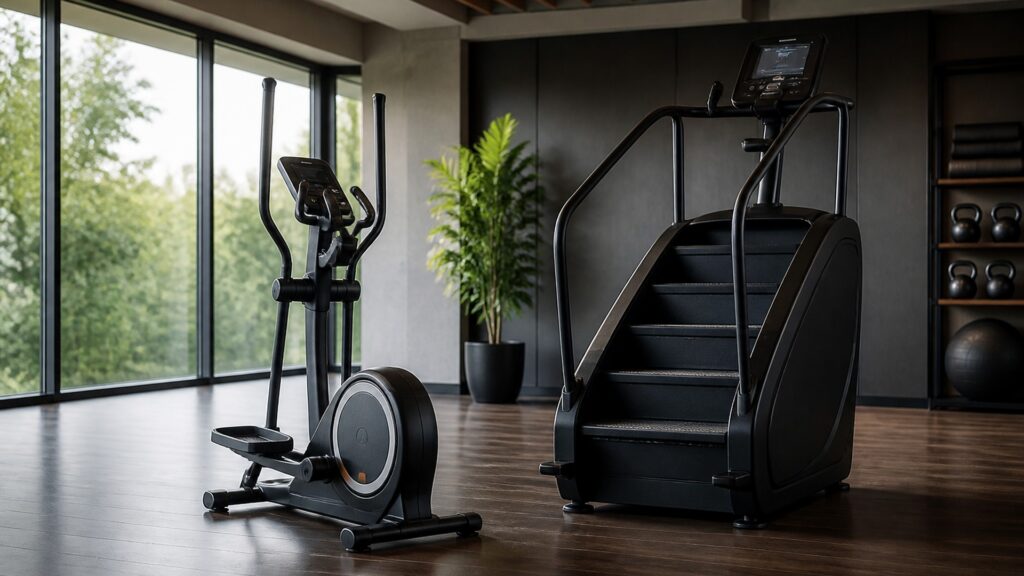
A practical look at matching stair climber features to real workout roles.
Tip: Start with the workout job, then decide which features matter.
These concepts connect stair-climber design to practical training use.
Training function is the main job the machine performs in a routine.
Speed range is how much the stepping pace can vary.
Step demand is the effort created by step height, pace, and body position.
Support use is how the rails or handles help balance during climbing.
Feedback fit is whether the machine shows useful workout information.
Repeatability is how easy it is to return to the same kind of session.
Tip: Useful training function makes the next session clearer, not just harder.
A stair climber can be used lightly or intensely. The right role determines whether speed range, rail design, display feedback, or step comfort matters most.
A clear job keeps the machine from becoming a vague cardio option.
Stair climbers can become challenging quickly. That is useful for conditioning, but too much step demand can be wrong for warmups or recovery movement.
The best intensity is the one that supports the plan.
Handrails can improve balance and confidence, but they can also let the user unload too much body weight. Training function depends on how support is used.
Support should make the workout safer, not replace the climbing effort.
Time, speed, steps, floors, and heart-rate feedback can help users repeat or progress workouts. The display should be easy to read while stepping.
Feedback matters when it improves the next workout.
A stair climber that feels punishing or awkward will not support consistent training. Good training function leaves the user with a clear path back to the next session.
Training function is proven by repeated use.
The intended workout changes what makes a stair climber useful.
The machine's speed, support, and feedback match the workout role.
The user can repeat sessions without losing control or posture.
The machine is too intense, too awkward, or too limited for the goal.
The user relies on rails so heavily that the workout changes.
A hard machine is not automatically a better training tool.
Training quality depends on the goal, not just difficulty.
Heavy rail use can change the workload.
Warmups, intervals, and steady cardio need different settings.
Numbers help only when they guide useful decisions.
Tip: Match the climber to the role before chasing difficulty.
Short answers about workout roles, support use, and progression.
They can fit warmups, intervals, conditioning, and steady cardio when settings and comfort match the goal.
Check low speed settings, rail support, step height, and easy stop controls.
Yes, if speed changes and stability feel controlled.
They can if the user leans heavily, but light support can help balance.
Choose a stair climber whose settings and support match the sessions you plan to repeat.
Training function matters because stair climbers can serve very different cardio and conditioning roles.
Match the machine to warmups, intervals, steady cardio, or conditioning before judging speed, support, or display features.
Use these Review Streets paths to compare related categories and practical next decisions.
Compare stair-climbing cardio categories.
Review smaller stair-machine options.
Compare more home cardio equipment.
Choose a retailer
Prices checked regularly. We may earn a commission at no cost to you.