
Why Strength Training Apps Safety Factors Matters

Safety Factors matters for Strength Training Apps because it determines the fit, stability, clearance, condition, and release decisions surrounding strength training apps. For Strength Training Apps, the label is useful only when it changes how someone selects, sets up, or uses the product.

This article isolates safety factors from the broader strength training apps system, then reconnects it to the components, observations, and limits that make the concept practical.

By: Review Streets Research Lab
Updated: August 19, 2026
Explainer · 8-12 min read
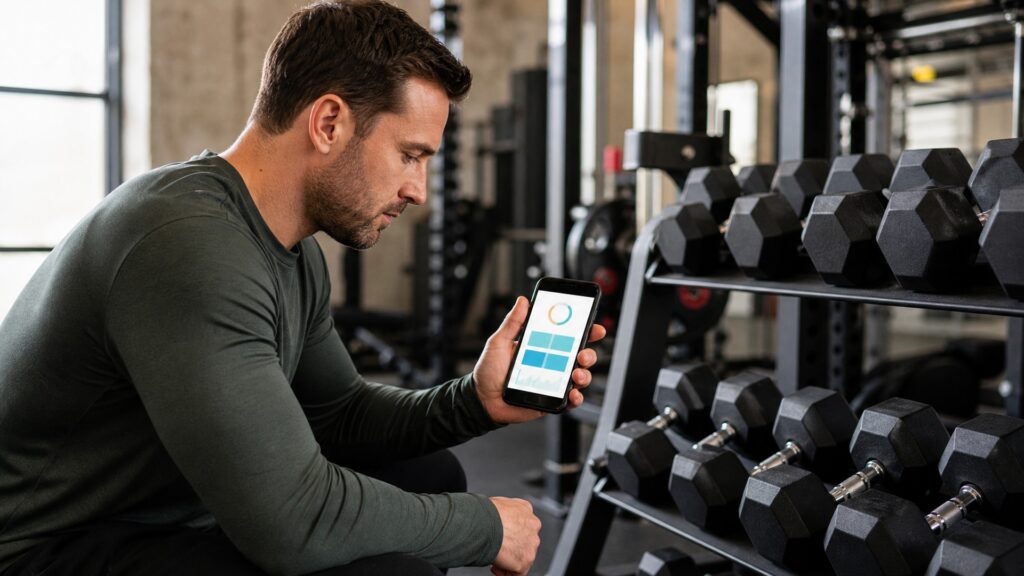
strength training apps safety factors explainer hero image for Review Streets
What You'll Learn

What Safety Factors Changes in Strength Training Apps

Turn safety factors into specific checks involving purpose, setup, movement, feedback, progression, and limits.

  • A plain-language definition of Strength Training Apps safety factors
  • How exercise library influences the issue
  • Where user profile and goals changes the result
  • What to observe around programming logic
  • How to test whether the user can start, adjust, stop, and recover control predictably
  • Why treating protective features as permission to ignore technique or warning signs produces a bad conclusion
  • How this factor changes an actual training decision

Tip: Read the concept as part of a system, then connect it back to the use case.

Definitions

Key Concepts That Define Strength Training Apps

These definitions connect the main idea to the variables, limits, and practical signals readers need to compare options.

Exercise library

The safety factors influence of exercise library comes from its ability to coordinate the component's contribution at stage 1 of the strength training apps system.

  • Why it matters: It links exercise library to the fit, stability, clearance, condition, and release decisions surrounding strength training apps.
  • Check: For strength training apps, evaluate exercise library: observe how exercise library changes setup, control, or feedback during realistic use, then judge whether the user can start, adjust, stop, and recover control predictably.
  • Do not assume: Exercise library resolves the whole issue; treating protective features as permission to ignore technique or warning signs remains a risk.

User profile and goals

The safety factors influence of user profile and goals comes from its ability to coordinate the component's contribution at stage 2 of the strength training apps system.

  • Why it matters: It links user profile and goals to the fit, stability, clearance, condition, and release decisions surrounding strength training apps.
  • Check: For strength training apps, evaluate user profile and goals: observe how user profile and goals changes setup, control, or feedback during realistic use, then judge whether the user can start, adjust, stop, and recover control predictably.
  • Do not assume: User profile and goals resolves the whole issue; treating protective features as permission to ignore technique or warning signs remains a risk.

Programming logic

The safety factors influence of programming logic comes from its ability to coordinate the component's contribution at stage 3 of the strength training apps system.

  • Why it matters: It links programming logic to the fit, stability, clearance, condition, and release decisions surrounding strength training apps.
  • Check: For strength training apps, evaluate programming logic: observe how programming logic changes setup, control, or feedback during realistic use, then judge whether the user can start, adjust, stop, and recover control predictably.
  • Do not assume: Programming logic resolves the whole issue; treating protective features as permission to ignore technique or warning signs remains a risk.

Set, rep, and load tracking

The safety factors influence of set, rep, and load tracking comes from its ability to capture or translate a signal into usable feedback at the contact or feedback stage.

  • Why it matters: It links set, rep, and load tracking to the fit, stability, clearance, condition, and release decisions surrounding strength training apps.
  • Check: For strength training apps, evaluate set, rep, and load tracking: compare readings under the same placement and conditions, then judge whether the user can start, adjust, stop, and recover control predictably.
  • Do not assume: Set, rep, and load tracking resolves the whole issue; treating protective features as permission to ignore technique or warning signs remains a risk.

Timers and feedback

The safety factors influence of timers and feedback comes from its ability to coordinate the component's contribution at stage 5 of the strength training apps system.

  • Why it matters: It links timers and feedback to the fit, stability, clearance, condition, and release decisions surrounding strength training apps.
  • Check: For strength training apps, evaluate timers and feedback: observe how timers and feedback changes setup, control, or feedback during realistic use, then judge whether the user can start, adjust, stop, and recover control predictably.
  • Do not assume: Timers and feedback resolves the whole issue; treating protective features as permission to ignore technique or warning signs remains a risk.

Subscriptions, connectivity, and privacy controls

The safety factors influence of subscriptions, connectivity, and privacy controls comes from its ability to turn operating data into controls, prompts, or feedback at the maintenance, storage, or release stage.

  • Why it matters: It links subscriptions, connectivity, and privacy controls to the fit, stability, clearance, condition, and release decisions surrounding strength training apps.
  • Check: For strength training apps, evaluate subscriptions, connectivity, and privacy controls: check whether the displayed metric changes a real decision, then judge whether the user can start, adjust, stop, and recover control predictably.
  • Do not assume: Subscriptions, connectivity, and privacy controls resolves the whole issue; treating protective features as permission to ignore technique or warning signs remains a risk.

Tip: Keep the definitions connected; the strongest answer usually comes from the whole system, not one term.

Safety Factors

Define Strength Training Apps Safety Factors Precisely

Here, safety factors means the fit, stability, clearance, condition, and release decisions surrounding strength training apps. For Strength Training Apps, it should identify a decision or observable effect, not serve as a vague claim that the equipment is effective or safe.

  • State the intended task
  • Locate the influence of exercise library
  • Name the observable response
  • Separate product capability from user behavior

A precise definition makes strength training apps easier to assess in real use.

Component influence

How the Hardware or Material Changes Safety Factors

The relevant chain is exercise selection, user inputs, programming logic, set and rep logging, load progression, rest timing, video instruction, feedback, connectivity, subscriptions, and data policies. Within that chain, exercise library, user profile and goals, and programming logic can amplify or restrict the factor being examined.

  • Inspect exercise library first
  • Recheck user profile and goals under demand
  • Adjust programming logic deliberately
  • Repeat the observation before drawing a conclusion

For Strength Training Apps, safety factors emerges from interacting components rather than one specification.

Observation

How to Test Whether Safety Factors Is Working

For Strength Training Apps, the practical test is whether the user can start, adjust, stop, and recover control predictably. For Strength Training Apps, use a manageable session, keep important conditions stable, and compare the result against the stated goal instead of an unrelated performance metric.

  • Choose one representative task
  • Set a repeatable starting condition
  • Observe control, comfort, and outcome
  • Change one relevant variable and retest

A repeatable test turns Strength Training Apps safety factors into evidence rather than impression.

Common error

The Misreading That Creates Bad Advice

For Strength Training Apps, the main error is treating protective features as permission to ignore technique or warning signs. For Strength Training Apps, it removes context and can turn a useful feature, sensation, or reading into a claim the product cannot support.

  • Question absolute performance claims
  • Distinguish assistance from adaptation
  • Treat discomfort or instability as information
  • Escalate health-specific concerns to a qualified professional

Avoiding this error keeps the safety factors discussion proportionate to what strength training apps can actually do.

Application

Use Safety Factors to Make a Better Choice

For Strength Training Apps, apply the factor to a concrete decision: define the task, inspect the relevant components, test the setup, and accept the product only if the observed result serves that task without unacceptable tradeoffs.

  • Write down the primary goal
  • Test set, rep, and load tracking in context
  • Check wear or drift around timers and feedback
  • Balance the observed benefit against the realistic limit

The value of Strength Training Apps safety factors is the better decision it enables.

Quick Reality Check

What This Answer Supports—and What It Cannot Promise

Keep the conclusion about Strength Training Apps Safety Factors tied to the operating facts and the user's actual conditions.

A Defensible Benefit for Strength Training Apps

For this question, the supported benefit is that a suitable strength-training app can organize exercise instruction, workout logging, progression, timers, and repeatable plans across varied equipment setups

That benefit is credible when the components are fitted, used, and maintained for the stated task in why strength training apps safety factors matters.

The Boundary That Still Applies

The central limitation in this answer is that strength apps cannot reliably judge every repetition or technique error, guarantee individualized programming, replace qualified coaching or medical evaluation, or make unsuitable loads safe

If pain, alarming symptoms, unstable equipment, or a health condition changes the situation, this strength training apps explainer is not a substitute for qualified assessment.

Common Myths

Misconceptions About Strength Training Apps

Common shortcuts and misunderstandings can make the topic seem simpler than it is.

One specification settles the question about Strength Training Apps

No single number captures the interaction among exercise library, user profile and goals, user setup, and the conditions addressed by why strength training apps safety factors matters.

A feature automatically creates the advertised result

A strength training apps feature provides a capability; the outcome still depends on suitable use, repeatable conditions, and whether the capability serves the stated goal.

More support, resistance, data, or complexity is always better

For Strength Training Apps, additional capability can add friction, fatigue, cost, or new failure points. For strength training apps safety factors, the useful amount is the amount that solves the defined problem.

Owning Strength Training Apps removes the need for technique or maintenance

The condition of timers and feedback, the handling of subscriptions, connectivity, and privacy controls, and the user's decisions remain part of the outcome after purchase.

Tip: Treat strong claims as starting points for comparison, not final answers.

FAQ

Frequently Asked Questions About Strength Training Apps

Concise answers to common questions readers may have after the main explanation.

What is the short answer to “Why Strength Training Apps Safety Factors Matters”?

The short answer begins with the operating facts in this specific question: exercise selection, user inputs, programming logic, set and rep logging, load progression, rest timing, video instruction, feedback, connectivity, subscriptions, and data policies. For Strength Training Apps, use that mechanism to judge the stated task rather than relying on the product label alone.

Which part of Strength Training Apps should be checked first?

Start with exercise library because it is an early link in this article's operating or decision chain, then confirm how user profile and goals changes the response.

How can someone test this strength training apps claim?

Use one representative task, keep the setup consistent, observe the response involving programming logic, and retest after changing only one relevant variable.

What limitation matters most for Strength Training Apps?

The practical boundary is that strength apps cannot reliably judge every repetition or technique error, guarantee individualized programming, replace qualified coaching or medical evaluation, or make unsuitable loads safe; a feature should not be interpreted as a guarantee beyond that boundary.

What is the final selection rule for this question?

Choose the setup whose operating method, fit, feedback, upkeep, and limits match the exact task posed by why strength training apps safety factors matters.

Bottom Line

The answer to why strength training apps safety factors matters comes from matching the operating chain to a defined task, then checking the components under realistic conditions.

Use exercise library and user profile and goals as starting checks, but make the final judgment from the complete strength training apps system and its stated limits.

Next Steps

Go Deeper or Compare Your Options

Use these Review Streets paths to connect the explainer to related categories, comparisons, and next decisions.

Fitness

Explore the Fitness category for related Review Streets explainers, comparisons, and buying context.

Fitness Technology

Explore the Fitness Technology category for related Review Streets explainers, comparisons, and buying context.

Fitness Training Apps

Explore the Fitness Training Apps category for related Review Streets explainers, comparisons, and buying context.

Quick Summary

Strength Training Apps Explained

  • This page answers why strength training apps safety factors matters directly.
  • Exercise library is the first concrete checkpoint.
  • User profile and goals changes control or consistency.
  • The relevant benefit is conditional, not guaranteed.
  • The final choice depends on task, setup, evidence, and limits.