
Training Aid
A training aid is a swim tool used to isolate a skill, add feedback, or make a drill easier to repeat.
- Example: using a kickboard during kick sets
- Check: match the aid to the drill goal
- Limit: the aid should not hide poor body position
Safety factors matter with swim accessories because pool tools can change resistance, visibility, breathing, balance, and how swimmers share lane space. A tool that helps one drill can create problems when it is too large, too stiff, poorly fitted, or used in a crowded pool.
Good safety choices start with fit, pool rules, swimmer control, and gradual use. Accessories should make the session clearer and more repeatable without adding avoidable strain or collision risk.
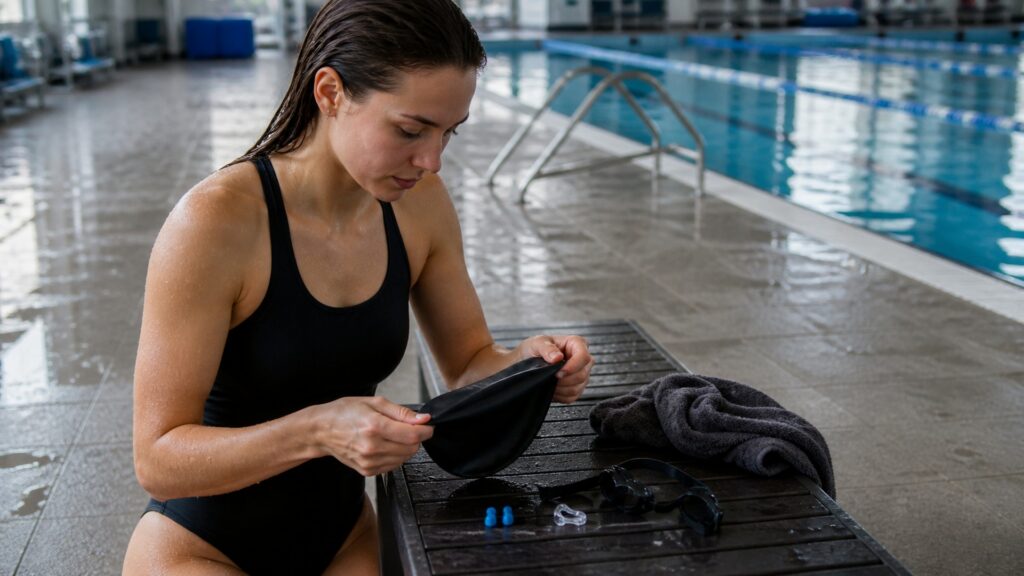
A practical safety checklist for fit, lane space, resistance, visibility, breathing, and gradual loading.
Tip: Use the smallest effective tool for the drill, then watch how the swimmer moves without it.
These terms explain how pool tools affect safe setup, control, and training load.
A training aid is a swim tool used to isolate a skill, add feedback, or make a drill easier to repeat.
Body position is how the swimmer floats, balances, and aligns in the water.
Propulsion is forward movement created by the arms, legs, or both.
Feedback is information a tool gives through feel, pace, drag, or resistance.
Pool fit is whether the accessory works with the lane space, pool rules, and workout plan.
Skill transfer is how well work with the accessory carries over to unaided swimming.
Tip: The right equipment choice depends on how resistance is created, adjusted, and repeated.
Some pools restrict fins, paddles, snorkels, or wide equipment. Crowded lanes also change what is safe to use.
The pool setting decides what is practical.
Goggles, caps, fins, paddles, and snorkels should fit well enough to stay in place without pain or constant adjustment.
Poor fit can turn a simple drill into a safety issue.
Paddles and fins can increase force quickly. Too much load can strain shoulders, ankles, or technique.
Resistance should stay manageable.
Snorkels and nose clips change breathing feel. They should be introduced in controlled sets before faster swimming.
Breathing comfort matters.
A safe accessory habit should carry back into regular swimming rather than creating dependence.
Safety and skill transfer belong together.
Safer use comes from fit, control, rules, and gradual loading.
It reduces strain, collision risk, leaks, distraction, and overuse.
It keeps training tools matched to the swimmer's current control.
It cannot replace pool awareness or good judgment.
Some tools remain wrong for certain swimmers or crowded lanes.
Pool tools can be simple and still need careful use.
Even small tools can distract, rub, leak, or change breathing.
Oversized paddles can overload shoulders.
Fins can stress ankles or hide poor kick mechanics.
Rules protect lane space and other swimmers.
Tip: Safety means matching the tool to the swimmer, pool, and drill.
Short answers for practical equipment and training decisions.
Accessories can change resistance, breathing, visibility, fit, and lane space.
Paddles, fins, snorkels, and any tool used in crowded lanes need careful setup.
Yes, when the tool is simple, fits well, and supports one clear drill.
Introduce resistance tools gradually and stop when form or comfort breaks down.
Use pool tools that fit, follow rules, and add only the resistance or support needed.
Swim accessory safety factors matter because tools change how swimmers move, breathe, see, and share space.
A safer setup uses good fit, pool-aware choices, controlled resistance, and gradual practice.
Use these Review Streets paths to compare related categories and practical next decisions.
Explore swim training tools and pool accessories.
Compare related swimming gear categories.
Browse fitness equipment and training gear.
Choose a retailer
Prices checked regularly. We may earn a commission at no cost to you.