
Training Access
Training access is how easily the user can drink during or near exercise.
- Example: opening a spout one-handed between sets
- Check: test use with sweaty hands or gloves
- Limit: easy access still needs a secure seal
Training function matters for water bottles because a bottle used around exercise has to be easy to drink from, carry, seal, refill, and clean while the user is moving, sweating, resting, or packing up.
A bottle that works well at a desk may not work well on a treadmill, bike, gym floor, trail, or court. The training setting changes what counts as convenient.
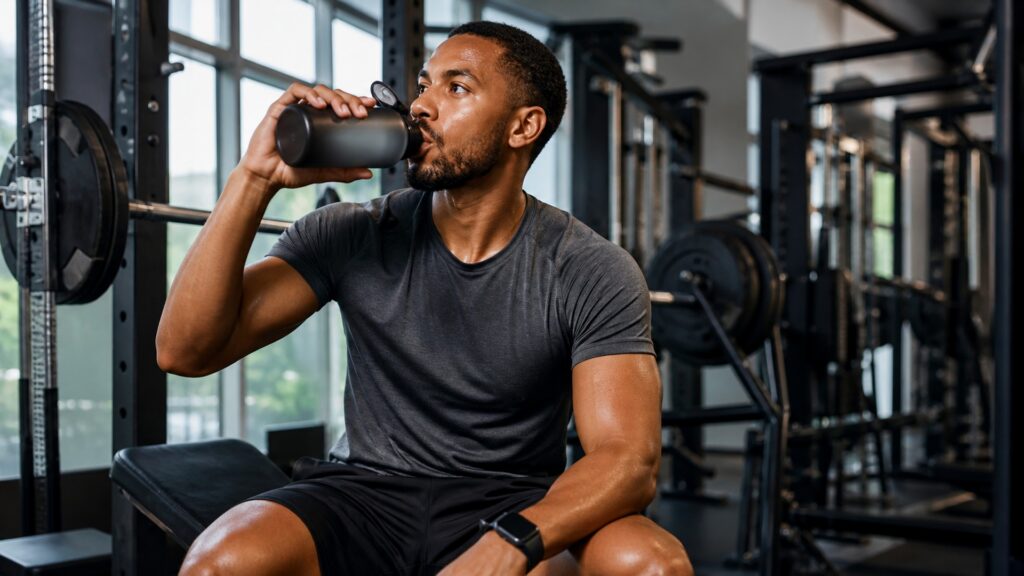
A practical guide to matching bottle design with workout conditions.
Tip: Picture the bottle during the hardest moment of use, not just on a shelf or desk.
These concepts explain what makes a water bottle work better around exercise.
Training access is how easily the user can drink during or near exercise.
Grip security is how confidently the user can hold or move the bottle during activity.
Flow control is how predictably water comes out when sipping, squeezing, or pouring.
Carry placement is where the bottle sits during training.
Refill pattern is how often the bottle needs to be refilled during the session.
Post-workout cleaning is the rinse, wash, and drying step after use.
Tip: Training function is about making hydration easy under real workout conditions.
During exercise, small inconveniences become bigger. A cap that takes two hands, a slippery body, or a slow spout can make the bottle harder to use when the user most needs it.
Training use rewards simple, reliable handling.
Gym bags, treadmill holders, bike cages, backpack sleeves, and car cup holders all create different size constraints. A good bottle is only useful if it can be kept close enough to drink from.
Carry fit determines whether the bottle is available when needed.
Plain water is easy on most bottles. Electrolytes, flavored drinks, and sugary sports drinks make cleaning and odor control more important, especially around straws, seals, and caps.
The drink inside the bottle affects the maintenance outside the workout.
A large bottle can reduce refill trips, but extra weight may be awkward during training. A smaller bottle may be easier to handle but frustrating during long sessions.
Training function balances availability with carry comfort.
The right training bottle should be easy to grab, open, drink from, close, place down, refill, and clean. Those steps matter more than a long feature list.
A training bottle earns its place by being easy at the exact moment it is needed.
A workout bottle should solve access and handling problems, not just look rugged.
It makes drinking easier during movement, rest periods, and transitions.
It keeps fluids close enough to support consistent use.
It cannot determine hydration needs or replace planning for long sessions.
Extra features can add cleaning work without improving training use.
Workout use is about handling, fit, and maintenance.
Many bottles hold water, but not all are easy to open, grip, drink from, and clean around exercise.
Capacity helps only when the bottle remains comfortable to carry and place nearby.
Straw caps can be convenient, but they need more careful cleaning.
Cold water is nice, but a bottle that does not fit the holder or bag may not get used.
Tip: Training function should make the bottle easier to use during real workouts.
Short answers about bottle features for exercise settings.
Easy access, secure grip, reliable sealing, suitable capacity, and simple cleaning make a bottle better for workouts.
Only if temperature matters for your session. Insulation adds weight, so it is not always the best choice.
They can be useful for quick drinking during sports or intervals, especially when fast flow matters.
Avoid bottles that leak, roll around, trap odors, require fussy cleaning, or do not fit where you train.
Choose the bottle that is easiest to use during the workout, not just the one with the most features.
Water bottle training function matters because workouts make access, grip, fit, and cleaning more important.
The strongest training bottle is the one that stays nearby, opens easily, drinks cleanly, seals reliably, and cleans without turning into another chore.
Use these Review Streets paths to compare related fitness categories and practical buying decisions.
Explore the category before comparing individual products.
Compare related gear for fluids, powders, and workout fueling routines.
Compare mixing-focused bottles with simpler hydration options.
Choose a retailer
Prices checked regularly. We may earn a commission at no cost to you.