
Training Function
Training function is the job the rower performs in a workout plan.
- Example: steady cardio, intervals, warmups, or technique practice
- Check: name the main use before comparing models
- Limit: one rower may not fit every role
Training function matters because a water resistance rower is only useful when its tank feel, stroke rhythm, monitor feedback, and setup support the workouts the user plans to repeat. The water tank can make rowing feel responsive, but the training value still depends on how the machine fits the routine.
A strong water rower should help with more than atmosphere. It should support steady cardio, intervals, warmups, or technique practice with enough comfort, feedback, and maintenance practicality to make repeated use realistic.
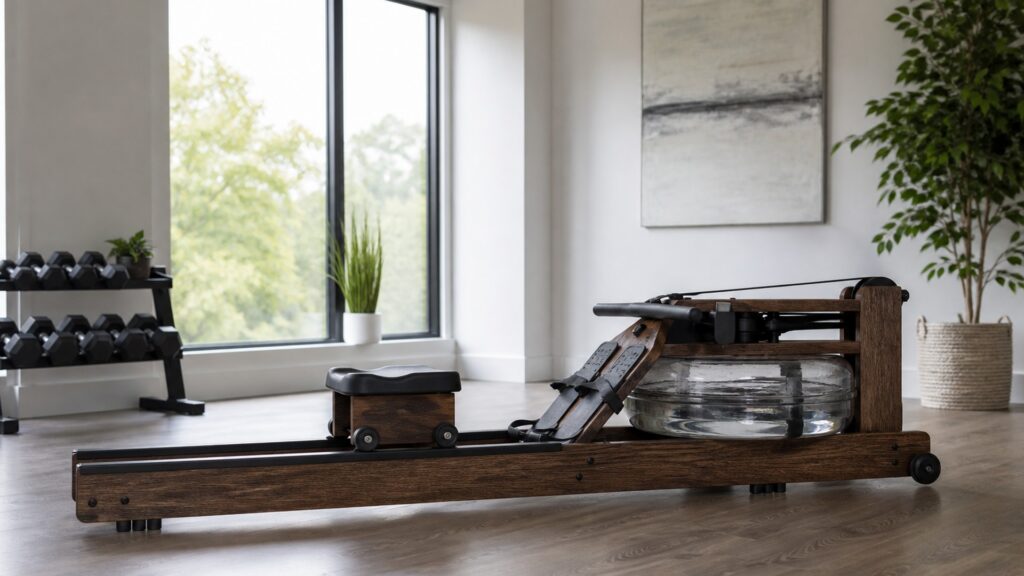
A practical look at matching water resistance rowers to real training needs.
Tip: A satisfying water sound does not replace a training plan the user can repeat.
These concepts connect the rower's water resistance to practical training use.
Training function is the job the rower performs in a workout plan.
Responsive drag is the way water resistance rises with harder or faster strokes.
Stroke rhythm is the repeatable timing of drive and recovery.
Training feedback is the information the rower gives during and after the session.
Comfort durability is whether seat, rail, handle, and footrests stay comfortable across the whole session.
Maintenance fit is whether tank care and storage are realistic for the user.
Tip: Training value comes from repeated usable sessions, not from water resistance alone.
A water rower can support steady cardio, intervals, warmups, or rowing practice, but each role changes what matters most. The rower should be judged against the sessions it will actually serve.
Training function turns a pleasant machine into a useful one.
Water resistance often feels intuitive because harder strokes create more drag. That can work well for users who like effort to rise with their own input instead of a fixed setting.
The training benefit depends on control, not just force.
Some users only need time and distance. Others need clearer pace, stroke rate, or interval feedback. A water rower's training function is weaker when the display cannot guide the intended workout.
Feedback matters when it helps the next session improve.
A rower used for five-minute warmups has different comfort demands than one used for thirty-minute cardio. Seat, handle, rail, and foot placement become more important as sessions get longer.
Training function depends on comfort lasting long enough to finish the workout.
Water rowers require some tank care. If water treatment, storage, or moving the rower feels like a chore, the machine may not support consistent training even if the stroke feels good.
A rower supports training only when ownership stays manageable.
Water resistance can support strong workouts, but the full machine has to fit the user.
Responsive water drag supports the intended effort style.
Comfort, feedback, and setup make repeated rowing realistic.
The monitor is too basic for the training goal.
Tank care, sound, or storage interrupts consistency.
A water tank does not automatically make the machine a better training tool.
It helps only when the user trains consistently and uses the rower well.
Basic feedback can be fine, but some training goals need clearer pace or interval data.
Care tasks matter if they make the rower harder to use regularly.
Controlled rhythm and technique usually matter more than yanking the handle.
Tip: The best water rower is smooth, stable, and easy to maintain in the actual home.
Short answers about tank resistance, sound, setup, and maintenance.
They often fit steady cardio, intervals, warmups, and rowing practice when comfort and feedback are adequate.
It can, because effort rises naturally with harder strokes, but technique and consistency still matter.
Time, distance, stroke rate, and pace can matter depending on the workout.
Yes. Tank care and storage can affect whether the rower stays easy to use.
Choose a water rower whose feel, feedback, comfort, and care match the intended routine.
Training function matters because water resistance is useful only when it supports repeatable workouts.
The best water rower fits the user's session type, comfort needs, feedback needs, and maintenance tolerance.
Use these Review Streets paths to compare related categories and practical next decisions.
Explore the broader rowing-machine category.
Compare water resistance with magnetic resistance.
Compare more home cardio options.
Choose a retailer
Prices checked regularly. We may earn a commission at no cost to you.