
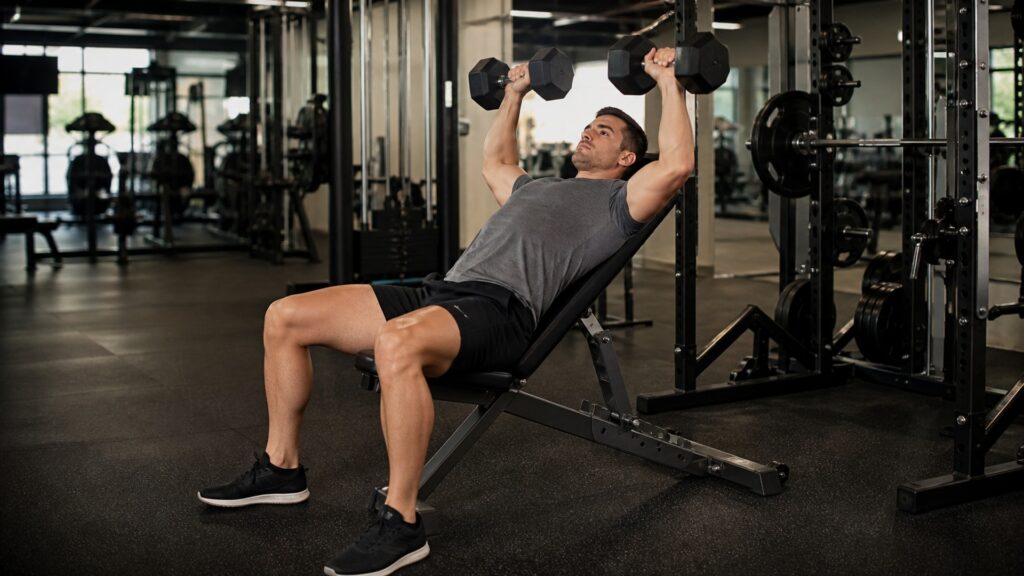
Why Weight Benches Movement Pattern Matters

Movement pattern matters in weight benches because the bench changes body position for pressing, rowing, bracing, stepping, and core exercises. A flat or angled pad can make a movement more stable, but it can also change range of motion, shoulder position, foot contact, and setup demands.

A good bench supports the movement patterns a person repeats most often. A poor fit can make pressing feel unstable, rows feel cramped, or rack work harder to align.

By: Review Streets Research Lab
Updated: September 26, 2026
Explainer · 8-12 min read
weight benches movement pattern explainer hero image for Review Streets
What You'll Learn

How Movement Patterns Shape Bench Fit

A practical look at pressing, rowing, bracing, angle settings, and body position.

  • Why bench angle changes exercise feel
  • How pad height affects pressing and leg drive
  • Where bench width changes shoulder movement
  • Why rows and supported work need stable positioning
  • How to check a bench against a real weekly routine

Tip: Judge a weight bench by the exercises it makes stable, repeatable, and practical in the actual training space.

Definitions

Key Concepts Behind Weight Benches Movement Pattern Matters

These concepts clarify how bench design affects home strength training decisions.

Movement Pattern

A movement pattern is the basic action an exercise trains, such as pressing, rowing, bracing, or stepping.

  • Example: incline pressing on an adjustable bench
  • Check: match bench setup to repeated exercises
  • Limit: one bench may not fit every pattern perfectly

Bench Angle

Bench angle is the flat, incline, upright, or decline position used for an exercise.

  • Example: low incline for dumbbell press
  • Check: choose angles that match the movement goal
  • Limit: too many unused angles add little value

Pad Height

Pad height is the distance from floor to the top of the bench pad.

  • Example: a height that lets feet stay planted during pressing
  • Check: test foot contact and body position
  • Limit: wrong height can affect stability

Pad Width

Pad width is how much support the bench gives across the upper back and shoulders.

  • Example: a pad wide enough for pressing support
  • Check: confirm shoulder movement feels natural
  • Limit: too wide or narrow can affect comfort

Supported Row Setup

Supported row setup uses the bench to brace the torso during pulling exercises.

  • Example: chest-supported dumbbell rows on an incline bench
  • Check: test pad angle and dumbbell clearance
  • Limit: some benches block natural arm path

Routine Coverage

Routine coverage is how well the bench supports all repeated movement types in the program.

  • Example: flat press, incline press, rows, and core work
  • Check: review a full week of exercises
  • Limit: some movements may need other equipment

Tip: A bench is useful when its height, pad, angles, and stability match the user's repeated exercises.

Movement Fit

The Bench Changes Body Position

A bench can make an exercise more stable by supporting the body. It also changes joint angles, range, and contact points.

  • Set the bench angle for the movement.
  • Check foot and shoulder position.
  • Use a setup that feels repeatable.

Movement quality starts with the bench position.

Pressing

Pressing Patterns Need Stable Contact

Flat and incline pressing depend on a stable bench, useful pad height, and enough shoulder freedom. A poor bench can make pressing feel less controlled.

  • Keep feet planted when appropriate.
  • Choose an angle that fits the press.
  • Check pad grip and firmness.

A stable bench makes pressing easier to repeat.

Rows

Supported Rows Need Clearance

Chest-supported rows and incline rows depend on pad angle and arm clearance. The bench should support the torso without blocking the pull.

  • Test dumbbell clearance.
  • Adjust incline for a natural pull.
  • Avoid benches that crowd the arms.

Support should help the row, not shorten it.

Core And Support

Bracing Exercises Need The Right Surface

Benches can support step-ups, seated work, core drills, and split-stance setup. Those movements need stability and enough pad space.

  • Check whether the bench shifts during setup.
  • Use appropriate surfaces for step-ups.
  • Keep the area clear around the bench.

Support patterns still need stable equipment.

Routine Check

Review The Whole Week

The best bench is the one that fits the exercises used repeatedly. One impressive angle or feature does not matter if it rarely appears in the program.

  • List weekly bench movements.
  • Match each movement to an angle or position.
  • Choose the bench that covers the repeated patterns cleanly.

Movement pattern fit shows up across the routine.

Quick Reality Check

Where Movement Pattern Review Helps And Where It Has Limits

Pattern review shows whether a bench will support the exercises that matter.

Where It Helps

It reveals whether angles, height, and pad shape fit repeated movements.

It prevents buying bench features that do not improve training.

Where It Falls Short

It cannot replace good lifting technique.

Some patterns still need racks, dumbbells, cables, or machines.

Common Myths

Misconceptions About Bench Movement Patterns

A bench changes movement more than it may seem.

Any bench works for any press

Height, stability, angle, and pad width can change pressing setup.

More angles always mean better pattern coverage

Angles help only when they match repeated exercises.

Rows only depend on dumbbells

Bench angle and clearance also shape supported rows.

Benches are passive equipment

They actively shape body position and movement quality.

Tip: A bench feature matters only when it improves setup, stability, or repeatable exercise quality.

FAQ

Frequently Asked Questions About Bench Movement Patterns

Short answers for choosing and using weight benches.

Why do movement patterns matter for benches?

They show whether the bench supports the exercises the user repeats.

Which patterns should I check?

Check pressing, rowing, seated work, core work, and any step-up or support movements.

Does bench height matter?

Yes. It affects foot contact, stability, and position during many lifts.

Is an adjustable bench better?

It is better when the user actually needs several secure angles.

What is the practical takeaway?

Choose a bench whose angles and dimensions support your repeated movements.

Bottom Line

Movement pattern matters because a weight bench changes body position, range of motion, and stability for many exercises.

The best bench supports the pressing, rowing, bracing, and accessory patterns the user repeats most often.

Next Steps

Go Deeper or Compare Your Options

Use these Review Streets paths to compare related categories and practical next decisions.

Weight Benches

Explore bench styles, adjustment features, and home-gym fit.

Cable Machines

Review cable-focused equipment for accessory and angle-based work.