
Frame Stability
Frame stability is how well the bench resists wobble, tipping, or flex.
- Example: a bench that stays steady during dumbbell presses
- Check: test stability before loading heavily
- Limit: light benches may shift under dynamic use
Safety factors matter in weight benches because the bench supports the body during loaded exercises. If the frame wobbles, the pad slips, the adjustment ladder fails, or the bench does not fit the rack, even a simple press or row can become harder to control.
A safe bench setup depends on stability, rated capacity, secure adjustment points, pad condition, floor contact, and enough clearance around the bench for weights and movement.
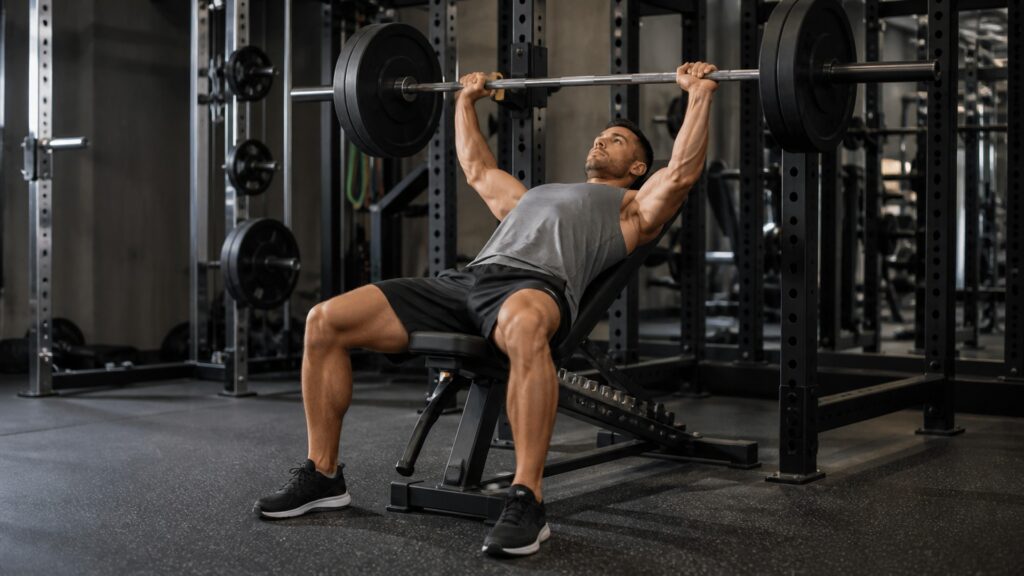
A practical look at stability, capacity, locks, pad condition, and room setup.
Tip: Judge a weight bench by the exercises it makes stable, repeatable, and practical in the actual training space.
These concepts clarify how bench design affects home strength training decisions.
Frame stability is how well the bench resists wobble, tipping, or flex.
Rated capacity is the listed load the bench is designed to support, usually including user and weight.
Adjustment lock is the mechanism that secures the bench angle.
Pad grip is how well the surface keeps the lifter from sliding.
Floor contact is how evenly the bench feet sit on the training surface.
Working clearance is the space around the bench for weights, spotting, rack setup, and movement.
Tip: A bench is useful when its height, pad, angles, and stability match the user's repeated exercises.
Bench safety starts with a frame that stays predictable under load. Wobble or shifting makes pressing, rowing, and setup less controlled.
A bench that moves unexpectedly is not ready for hard sets.
Capacity should include the user's body weight plus the weight being lifted. A rating is useful only when the bench is assembled and used correctly.
Capacity is a safety factor, not the only safety factor.
Adjustable benches rely on ladders, pins, hinges, or brackets. Those parts should be fully seated before the set begins.
Secure angles make incline work more predictable.
Pad grip and firmness affect control. A worn, loose, or overly soft pad can make body position harder to maintain.
Pad condition matters because the lifter depends on it.
Dumbbells, barbells, racks, and cables all need room around the bench. Crowding can make starts, finishes, and exits awkward.
Safe bench use includes the space around it.
Safety checks keep a simple tool from becoming an unstable setup.
They catch wobble, loose locks, pad wear, poor clearance, and overload risks.
They make loaded exercises easier to repeat safely.
They cannot make damaged equipment safe.
They cannot replace good technique or appropriate load choices.
Benches look simple, but loaded support still needs inspection.
Stability, locks, pad condition, and floor contact still need checking.
Capacity matters, but so do wobble, angle locks, and clearance.
Good adjustable benches can be stable when locked properly.
Uneven or slippery floors can make a bench less predictable.
Tip: A bench feature matters only when it improves setup, stability, or repeatable exercise quality.
Short answers for choosing and using weight benches.
Check stability, capacity, adjustment locks, pad condition, floor contact, and surrounding clearance.
They can be safe when built well and locked fully before use.
Stop if it wobbles, flexes, has damaged locks, loose padding, or visible frame damage.
It can, because poor foot contact may reduce stability during pressing.
A bench is safest when it is stable, locked, undamaged, and used with enough room around it.
Safety factors matter because a weight bench supports the body while external resistance creates load.
The safest bench setup is stable, properly locked, within capacity, in good condition, and placed with enough working clearance.
Use these Review Streets paths to compare related categories and practical next decisions.
Explore bench styles, adjustment features, and home-gym fit.
Compare rack setups that often pair with weight benches.
Review cable-focused equipment for accessory and angle-based work.
Choose a retailer
Prices checked regularly. We may earn a commission at no cost to you.