
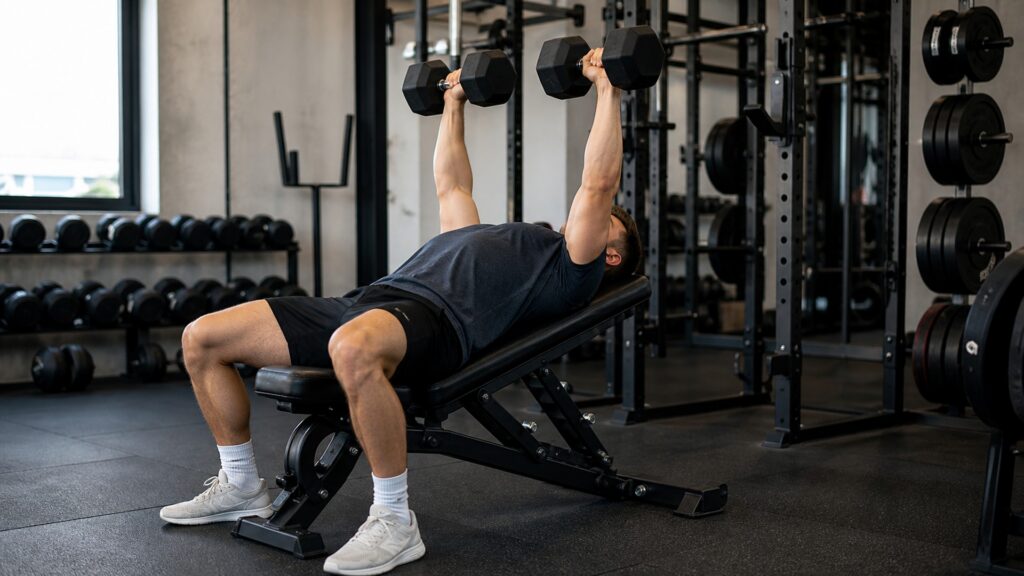
Why Weight Benches Training Function Matters

Training function matters in weight benches because the bench affects how safely and comfortably a person can perform pressing, rowing, dumbbell, rack, cable, and core exercises. A bench that looks simple can still limit training if it wobbles, sits at the wrong height, lacks useful angles, or does not fit the rest of the setup.

A strong bench supports repeated workouts with stable padding, secure adjustment points, useful angles, and dimensions that match the user and equipment around it.

By: Review Streets Research Lab
Updated: September 25, 2026
Explainer · 8-12 min read
weight benches training function explainer hero image for Review Streets
What You'll Learn

How Training Function Changes Bench Value

A practical look at stability, angles, height, pad support, and equipment compatibility.

  • Why bench stability matters for loaded exercises
  • How angle options affect exercise selection
  • Where pad height and width change setup
  • Why rack and dumbbell compatibility matter
  • How to spot a bench that looks useful but trains poorly

Tip: Start with the exercises the weight benches must support every week, then judge features by whether they make those movements easier to repeat.

Definitions

Key Concepts Behind Weight Benches Training Function

These concepts clarify how weight benches fit real home strength training decisions.

Training Function

Training function is how well the bench supports useful, repeatable workouts.

  • Example: a bench that works for dumbbell presses, rows, and rack work
  • Check: test the exercises the user repeats
  • Limit: a bench does not create resistance by itself

Frame Stability

Frame stability is how well the bench resists wobble or flex.

  • Example: a bench staying steady under dumbbell presses
  • Check: test movement under realistic load
  • Limit: light frames can feel unstable

Angle Range

Angle range is the set of incline, flat, and sometimes decline positions available.

  • Example: flat, low incline, and upright settings
  • Check: match angles to intended exercises
  • Limit: extra angles help only if they are secure

Pad Support

Pad support is how well the bench surface supports the body without shifting or sinking.

  • Example: firm padding during bench press setup
  • Check: review firmness, grip, and width
  • Limit: too-soft pads can reduce control

User Fit

User fit is how well bench height, width, and length match the lifter.

  • Example: feet planted during pressing
  • Check: test normal lifting positions
  • Limit: one bench may not fit every user equally

Setup Compatibility

Setup compatibility is how well the bench works with racks, Smith machines, cables, dumbbells, and room layout.

  • Example: sliding the bench into a rack without blocking safeties
  • Check: measure before buying
  • Limit: a stable bench can still fit poorly

Tip: The best choice is the one that matches the user's repeated workouts, available space, and setup habits.

Stability

The Bench Has To Stay Predictable

Training function starts with stability. A bench that rocks or flexes can make otherwise simple exercises feel uncertain.

  • Check frame contact with the floor.
  • Test wobble before loading heavily.
  • Choose capacity that matches expected use.

A stable bench supports better training decisions.

Angles

Useful Angles Expand The Exercise Menu

Adjustable angles can add incline presses, shoulder work, supported rows, and other variations. Those angles need to lock securely and match the user's routine.

  • Review the angles that will be used weekly.
  • Check the adjustment mechanism.
  • Skip angle options that feel unstable.

Angle range matters only when the settings are strong and useful.

Fit

Height And Pad Shape Change The Lift

Bench height affects leg drive and stability. Pad width and firmness affect shoulder position, comfort, and control.

  • Check foot position during pressing.
  • Review shoulder room on the pad.
  • Avoid pads that feel slippery or overly soft.

Fit details shape every set.

Compatibility

The Bench Must Work With Other Equipment

Many benches are used inside racks, near dumbbells, under Smith machines, or beside cables. Training function depends on that fit.

  • Measure rack clearance.
  • Check wheel and handle placement.
  • Leave room to pick up and set down weights.

A good bench has to work in the actual training space.

Routine

Choose For Repeated Exercises

The right bench is the one that supports the movements a person does often. A specialty feature has little value if it never appears in the program.

  • List weekly bench exercises.
  • Match features to repeated use.
  • Avoid overbuying for rare variations.

Training function is proven through repeated sessions.

Quick Reality Check

Where Bench Training Function Helps And Where It Has Limits

Training function shows whether a bench supports real workouts instead of just looking sturdy.

Where It Helps

It reveals stability, angle, fit, and compatibility before purchase.

It helps match bench features to repeated exercises.

Where It Falls Short

It cannot replace proper load choice or technique.

Some goals still require racks, dumbbells, cables, or machines.

Common Myths

Misconceptions About Bench Training Function

A bench can be simple and still require careful selection.

All benches train the same

Height, stability, pad shape, and angles change the workout.

More angles always mean better training

Angles help only when they are stable and used often.

Capacity is the only important spec

Fit, wobble, pad grip, and compatibility matter too.

A bench is separate from the rest of the gym

It has to work with racks, dumbbells, cables, and room layout.

Tip: Broad equipment claims deserve a practical setup check before they influence a purchase.

FAQ

Frequently Asked Questions About Bench Training Function

Short answers for comparing home gym equipment.

What bench feature matters most?

Stability matters most because it affects every loaded exercise.

Is an adjustable bench worth it?

It is worth it when incline or upright angles are used regularly.

How do I know if a bench fits?

Test height, pad width, body position, and compatibility with the equipment around it.

Can a poor bench limit progress?

Yes. Wobble, poor angles, or bad fit can make exercises harder to repeat well.

What is the practical takeaway?

Choose a bench for stable repeated exercises, not for unused features.

Bottom Line

Training function matters because a weight bench shapes the stability, angle, and body position of many loaded exercises.

The best bench supports repeated movements with stable construction, useful angles, good fit, and compatibility with the rest of the gym.

Next Steps

Go Deeper or Compare Your Options

Use these Review Streets paths to compare related categories and practical next decisions.

Cable Machines

Review cable-focused equipment for angle-based accessory work.