
Workout Role
Workout role is the job the bench performs in the training plan.
- Example: main support for dumbbell pressing and rows
- Check: name the exercises the bench must support
- Limit: one bench may not fit every use case
Workout role matters in weight benches because a bench can be a central tool, a support accessory, or a compact add-on depending on the rest of the home gym. It might anchor dumbbell training, support rack work, pair with cables, or provide a stable surface for core and accessory exercises.
A weight bench is most valuable when its role is clear. The user should know whether it is needed for pressing, incline work, rows, seated exercises, rack pairing, or general support before choosing features.
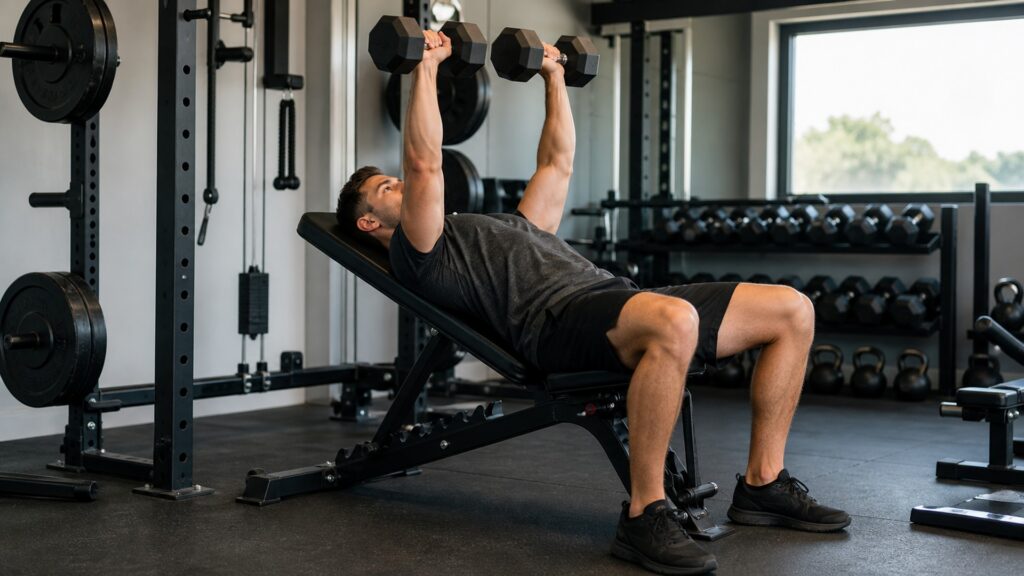
A practical look at benches as main tools, support surfaces, and modular home-gym equipment.
Tip: Judge a weight bench by the exercises it makes stable, repeatable, and practical in the actual training space.
These concepts clarify how bench design affects home strength training decisions.
Workout role is the job the bench performs in the training plan.
A main support tool handles repeated exercises across many sessions.
Rack pairing is using the bench inside or near a rack for barbell exercises.
Accessory support is using the bench for smaller or targeted movements.
Adjustable role means the bench needs several secure angles for the routine.
Modular fit is how well the bench works with other equipment in a flexible home gym.
Tip: A bench is useful when its height, pad, angles, and stability match the user's repeated exercises.
A bench should be chosen for the exercises it will support regularly. That role determines whether flat, adjustable, compact, or heavy-duty design matters most.
A clear role prevents overbuying or underbuying.
For many home gyms, a bench and dumbbells create a large share of pressing, rowing, arm, shoulder, and core options.
The bench can be central when dumbbells drive the routine.
Inside a rack, the bench becomes part of a barbell setup. Fit, height, and safety alignment matter.
Rack pairing is a major bench role in many home gyms.
Benches also support chest-supported rows, seated exercises, step-ups, core work, and cable variations. Those roles may not require the largest bench.
Accessory roles can be valuable when they are repeated.
A flat bench can be simpler and very stable. An adjustable bench adds angles but needs secure locking and more room.
The best bench type follows the role it needs to play.
Role-based evaluation keeps bench features tied to real use.
It clarifies whether the bench should be flat, adjustable, compact, or heavy-duty.
It prevents paying for angles or features that rarely get used.
It cannot replace resistance equipment.
Some goals still need racks, dumbbells, cables, or machines.
A bench is useful only when its job is clear.
Adjustability matters only when those angles are used.
A stable flat bench can be excellent for pressing, rows, and rack work.
It can be central when dumbbells or rack work drive the program.
Rack dimensions, user size, and room layout can change the best choice.
Tip: A bench feature matters only when it improves setup, stability, or repeatable exercise quality.
Short answers for choosing and using weight benches.
It can be central when paired with dumbbells, a rack, cables, or bodyweight exercises.
Choose adjustable when incline or upright angles appear regularly in the routine.
Choose flat when simplicity, stability, rack work, and basic pressing are the priorities.
Wheels help when the bench moves between rack, dumbbell, and storage positions.
Choose a bench based on its repeated role in the workout plan.
Workout role matters because a weight bench can be a main training support, a rack partner, or an accessory surface.
The best bench fits the role it will play most often, with stability and dimensions that support repeated use.
Use these Review Streets paths to compare related categories and practical next decisions.
Explore bench styles, adjustment features, and home-gym fit.
Compare rack setups that often pair with weight benches.
Review cable-focused equipment for accessory and angle-based work.
Choose a retailer
Prices checked regularly. We may earn a commission at no cost to you.