1/2-Inch Chuck Corded Drills vs 3/8-Inch Chuck Corded Drills: Key Differences Explained

Choosing between 1/2-inch and 3/8-inch chuck corded drills comes down to capacity, power demands, and job scope. Here’s a clear, head-to-head look at real-world tradeoffs to guide your decision.

By: Review Streets Research Lab
Updated: February 27, 2026
Approx. 10–12 min read
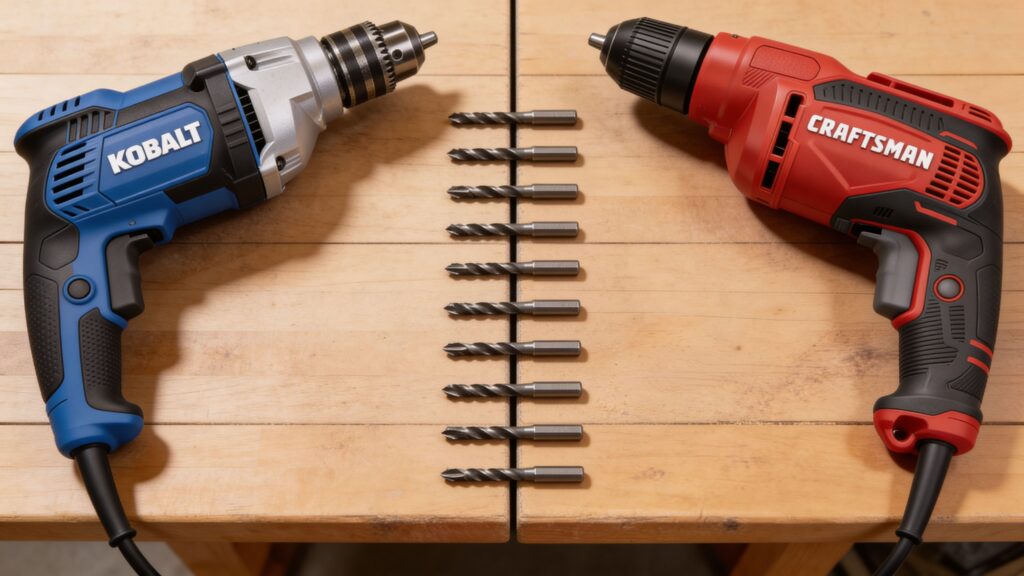
1/2 inch chuck corded drill and 3/8 inch chuck corded drill positioned side by side on a workshop bench for direct size and capacity comparison

Head-to-head

1/2-Inch Chuck Corded Drills vs 3/8-Inch Chuck Corded Drills: Key Differences Explained

A clean A/B view of what matters when choosing a corded drill: chuck capacity, control for repeatable holes, ergonomics for long sessions, and the practical tradeoffs that show up on real projects.
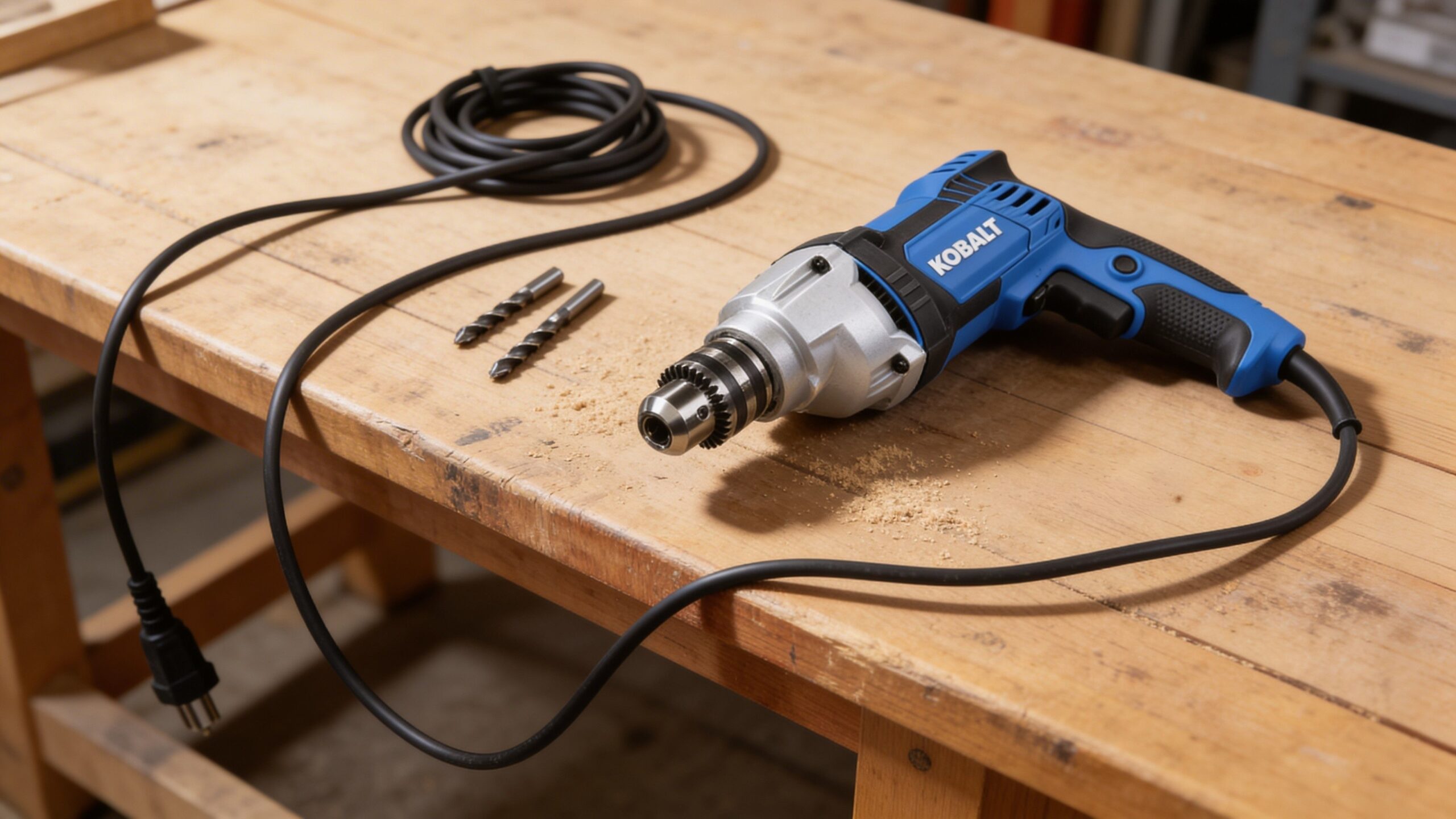
1/2-Inch Chuck Corded Drill

1/2-Inch Chuck Corded Drill

The “bigger bite” option for heavier drilling—built to hold larger bits and hole saws more confidently when the work shifts from light tasks to demanding materials and repeated larger holes.

Score 8.7 Best for larger holes + tougher materials Battery Corded Why buy capacity + steadier bit hold
  • Handles bigger shank bits and common hole-saw arbors with fewer compromises
  • Typically feels more composed when you’re leaning into thicker stock or stubborn fasteners
  • Better “one corded drill” pick when your projects range from wood to light masonry
VS
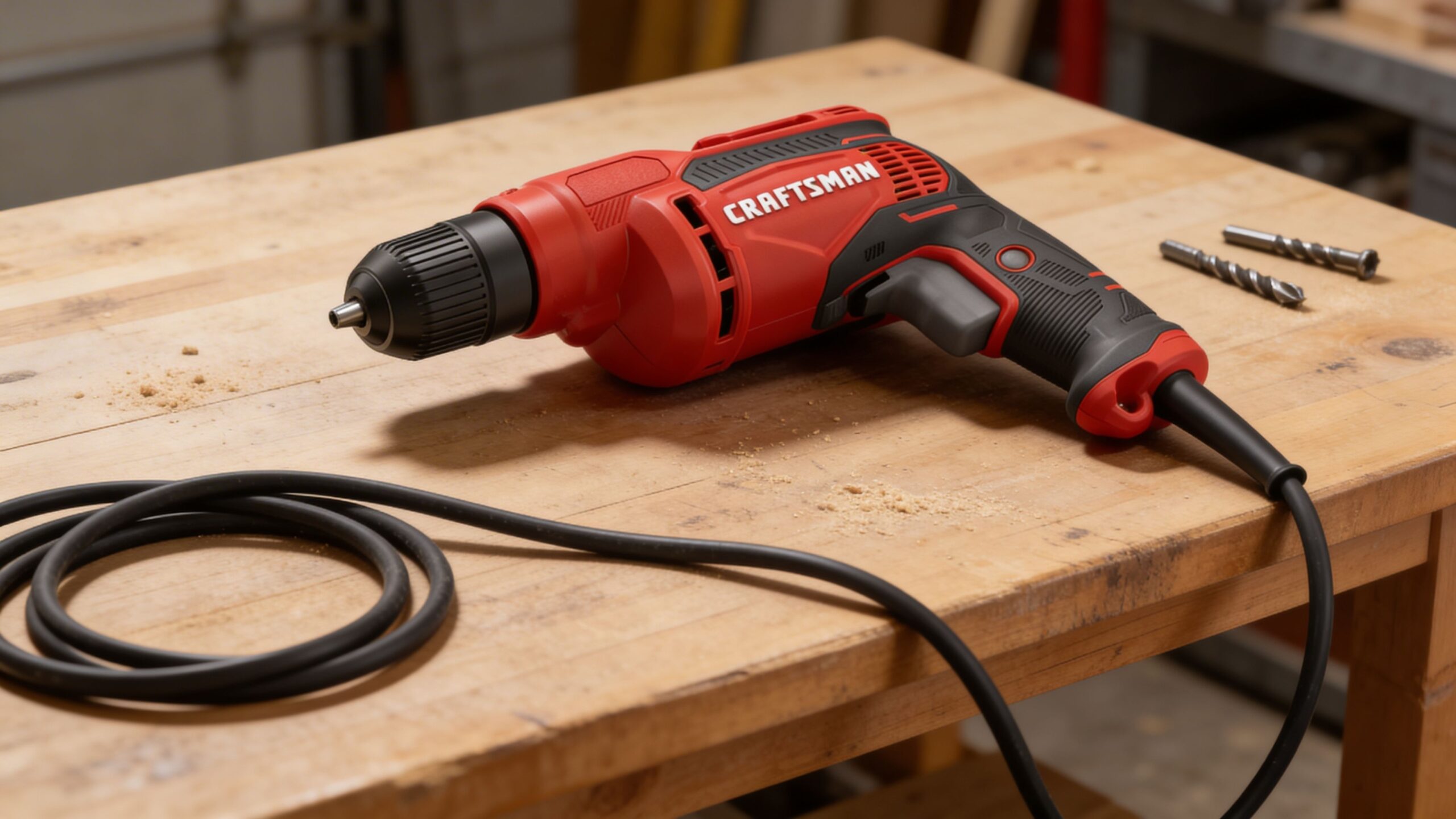
3/8-Inch Chuck Corded Drill

3/8-Inch Chuck Corded Drill

The control-first, lighter-duty choice for routine drilling and fastening—ideal for smaller bits, cleaner starts, and projects where precision and reduced fatigue matter more than maximum capacity.

Score 8.2 Best for everyday holes + precision starts Battery Corded Why buy control + compact feel
  • Great for pilots, hardware installs, and repeatable smaller holes in wood and metal
  • Often easier to handle in tight spaces and overhead work
  • A smart pick when you rarely need larger shank bits or hole-saw arbors
Power under load
More headroom for bigger bits
Strong for routine drilling
1/2-Inch
Control & clutch consistency
Good, more “push” oriented
Very good for clean starts
3/8-Inch
Ergonomics (feel + fatigue)
Sturdier, typically bulkier
Often lighter and easier to place
3/8-Inch
Value (typical kit pricing)
Worth it when capacity matters
Often the simpler, lower-cost choice
3/8-Inch
Battery ecosystem depth
Not applicable (corded)
Tie
Real-world context
This comparison reflects a synthesis of professional reviews, manufacturer data, long-term user feedback, and use-case patterns to highlight how each drill typically performs in everyday projects.

1/2-Inch — Why people choose it

  • More flexibility for larger bits, hole-saw arbors, and heavier drilling tasks
  • Typically feels steadier when you’re pushing into denser stock or tougher surfaces
  • Better fit when your “one drill” needs to cover occasional demanding jobs

3/8-Inch — Why people choose it

  • Cleaner starts and easier handling for routine holes and installation work
  • Often more comfortable for extended sessions and tighter working positions
  • Strong everyday choice when you don’t need larger shank capacity (most common DIY tasks)
Verdict: Choose the 1/2-Inch chuck corded drill if your work regularly calls for larger bits, hole saws, or tougher materials where capacity and under-load confidence matter most. Choose the 3/8-Inch chuck corded drill if you prioritize precision starts, lighter handling, and day-to-day drilling and installation tasks where control and comfort are the deciding factors.
Read FAQs

Deep dive

What actually matters in this matchup

With corded drills, the real decision isn’t “which is stronger on paper”—it’s which chuck size better matches the work you’ll actually do. The meaningful differences show up in bit capacity, how confidently the chuck holds under resistance, how controllable the drill feels during starts and slow-speed work, and how fatigue builds when you’re drilling repeatedly or working at awkward angles.

When capacity changes the job: A 1/2-inch chuck expands what you can run without adapters or compromises—larger shank bits, more hole-saw arbors, and heavier-duty drilling setups. That extra capacity tends to translate into fewer “workarounds” and a more settled feel when the bit starts to bite, especially in thicker wood, denser material, or when the cut gets grabby.

When control is the difference: A 3/8-inch chuck often shines in the day-to-day: pilots, hardware, metal holes with common bit sizes, and tasks where clean starts matter. The smaller format typically feels easier to place accurately, with less arm and wrist strain during repetitive work—especially when you’re drilling above shoulder height, reaching into corners, or doing lots of start–stop positioning.

What “better” looks like over time: Build confidence comes from predictable trigger response, a chuck that stays tight, and a housing/switch feel that holds up to routine use—not big marketing claims. If your projects routinely push bit size and resistance, the 1/2-inch format tends to keep workflow smoother. If most work is smaller holes, installations, and controlled drilling, the 3/8-inch format often keeps things lighter, steadier, and less tiring.

Methodology

How we evaluated these corded drills

Our evaluation focused on real tasks that expose meaningful differences between a 1/2-inch chuck corded drill and a 3/8-inch chuck corded drill—not spec-sheet advantages. Each drill is assessed in practical scenarios designed to highlight tradeoffs in capacity, control, comfort, and repeatability, using a context-aware approach that reflects how these tools are actually chosen and used.

Tasks: drilling pilot holes and hardware holes in softwood and hardwood, boring larger holes where the chuck size matters, drilling in metal with common bit sizes, and repeated start–stop cycles to evaluate control, heat buildup, and consistency. We also consider awkward-angle and overhead drilling to gauge balance, cord management, and fatigue.

What we scored: under-load performance for the bit sizes each chuck is meant to run, smooth trigger control and repeatable starts, chuck grip and bit security, ergonomics over longer sessions, build quality signals (switch feel, chuck quality, housing durability), and ownership considerations like accessory compatibility and “do-everything” versatility for the typical buyer.

How results are interpreted: we weigh outcomes against real use cases—recognizing that maximum capacity matters more for bigger bits and tougher materials, while precision control and reduced fatigue matter more for routine holes and installation work. The goal is decision clarity, not declaring a universal winner.

What we ignored: advertised power claims in isolation, one-off lab-style results that don’t repeat across common tasks, and features that don’t materially improve real-world drilling performance or buying decisions in this 1/2-inch vs 3/8-inch corded drill context.

FAQ

1/2-Inch vs 3/8-Inch Chuck Corded Drills: Common questions

Is a 1/2-inch chuck more powerful than a 3/8-inch chuck?
Not automatically. The chuck size reflects bit capacity, not motor strength by itself. A 1/2-inch chuck allows you to run larger shank bits and hole-saw arbors, which often pairs with heavier-duty drilling tasks, but overall power depends on the specific drill model.
Do I really need a 1/2-inch chuck for typical DIY projects?
For most everyday household tasks—pilot holes, hardware installation, light metal drilling—a 3/8-inch chuck is usually sufficient. A 1/2-inch chuck becomes more relevant if you regularly use larger bits, spade bits, or hole saws where added capacity prevents limitations.
Is a 3/8-inch drill easier to control?
Often, yes. Drills built around a 3/8-inch chuck are typically more compact and can feel easier to position accurately, especially for smaller holes or repetitive start–stop work. That can translate to less fatigue during longer sessions or overhead tasks.
Can a 3/8-inch chuck use 1/2-inch bits with an adapter?
Adapters exist, but they add complexity and may reduce stability with larger bits. If frequent use of 1/2-inch shank accessories is expected, a drill designed with a 1/2-inch chuck is generally the more straightforward and secure choice.
Does corded vs cordless matter in this comparison?
In this matchup, both options are corded, so runtime is not a limiting factor. The decision centers more on capacity, handling, and the types of bits you plan to use rather than battery platform considerations.
Which is the better long-term “one drill” to own?
If projects vary widely and occasionally include larger holes or tougher materials, a 1/2-inch chuck offers broader flexibility. If most work stays within common bit sizes and prioritizes comfort and control, a 3/8-inch chuck often covers daily needs with less bulk.

Key Takeaways

  • Chuck size changes what you can run comfortably—1/2-inch expands capacity for larger bits and hole saws, while 3/8-inch stays focused on common drilling tasks.
  • If your work occasionally pushes into thicker stock or tougher materials, the added headroom of a 1/2-inch chuck can reduce compromises.
  • For routine pilots, hardware installs, and controlled starts, a 3/8-inch drill often feels easier to manage and less fatiguing over time.
  • The right choice depends less on peak power and more on how often you’ll use larger shank accessories versus smaller, everyday bits.
  • As a long-term “one drill,” 1/2-inch offers broader flexibility, while 3/8-inch prioritizes handling comfort and straightforward day-to-day use.
  • Most buyers benefit more from matching chuck capacity to typical project demands than from chasing maximum size or perceived strength.

Verdict

Choosing Between 1/2-Inch and 3/8-Inch Chuck Corded Drills

In this head-to-head, the right choice depends on how often you need larger bit capacity versus how much you value lighter handling and everyday control. Both formats can perform well; the deciding factor is which tradeoff better fits your typical workload.

Top Pick for Versatility

1/2-Inch Chuck Corded Drill

The broader-capacity option for users who regularly drill larger holes or want fewer limitations as projects grow more demanding.

  • Handles larger shank bits and common hole-saw setups with fewer compromises
  • Feels more composed when drilling into thicker or denser materials
  • Offers greater flexibility as project scope expands over time

Also Consider

Jump to the Head-to-Head

Tip: Match chuck capacity to the largest bits you realistically expect to use—buying more capacity than you need can add bulk, while buying less can limit flexibility.

Where to Buy

We prioritize reputable sellers, easy returns, and reliable availability.

Price checks happen regularly. Some links may earn a commission—never affects rankings.

Accessories You’ll Want

  • Quality drill bit set (wood, metal, and masonry bits in common sizes, plus spares of your most-used)
  • Hole saw kit (for door hardware, plumbing pass-throughs, and larger holes where chuck capacity matters)
  • Right-angle drill attachment (helps when the drill body won’t fit between studs, cabinets, or tight corners)
  • Extension cord + cord management (a reliable heavy-duty cord and a simple strap or hook to reduce tangles)
  • Safety glasses and dust mask (especially helpful for masonry drilling and overhead work)

Tip: Match accessories to your chuck size—3/8-inch drills excel with common bit sizes, while 1/2-inch drills make larger bits and hole saws simpler without adapters.