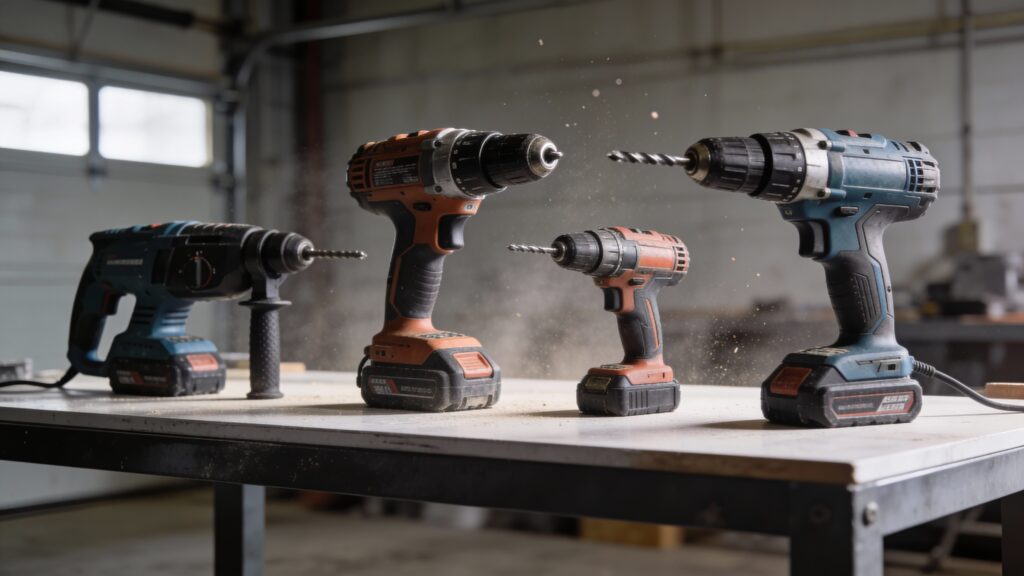
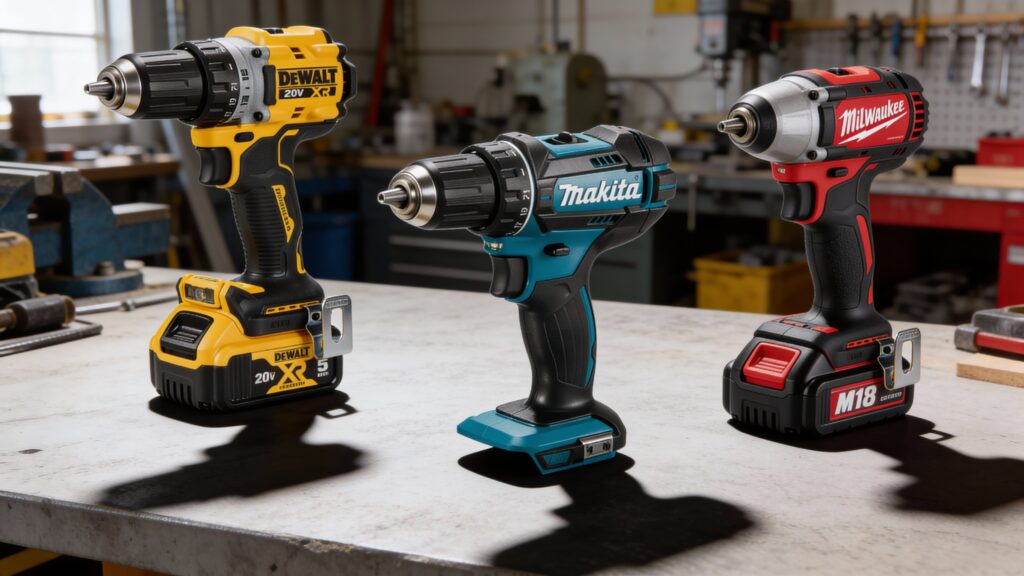
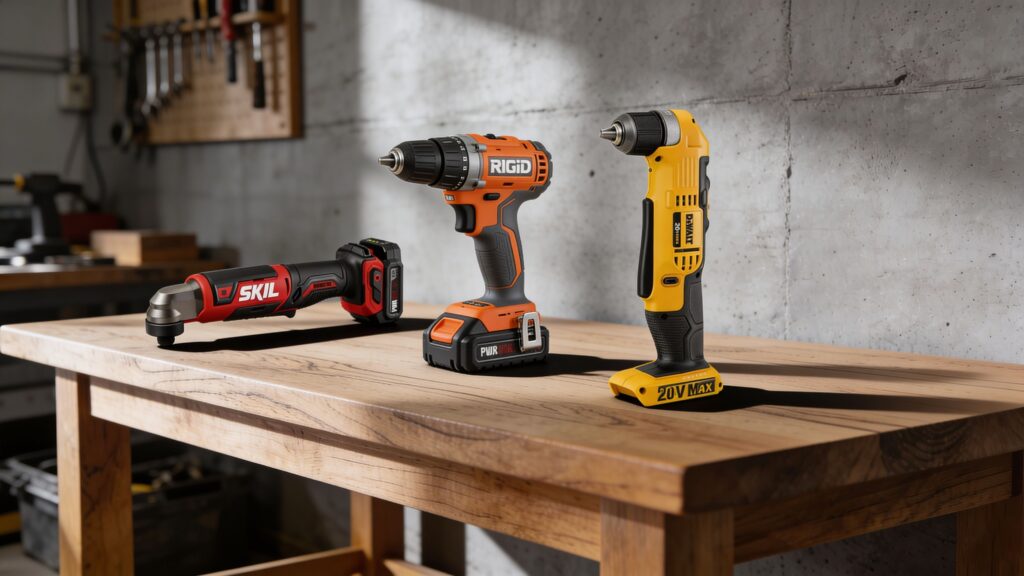
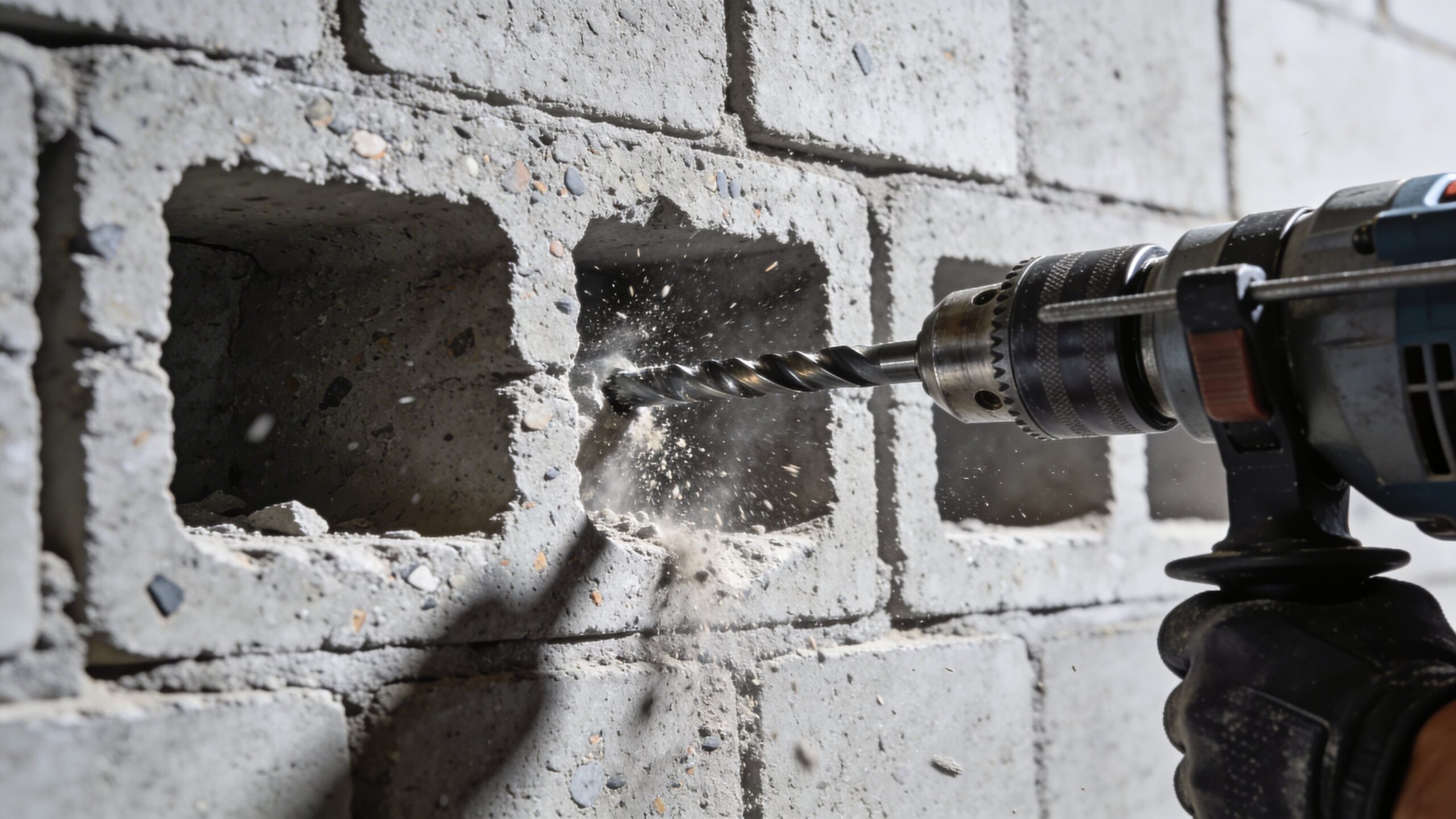
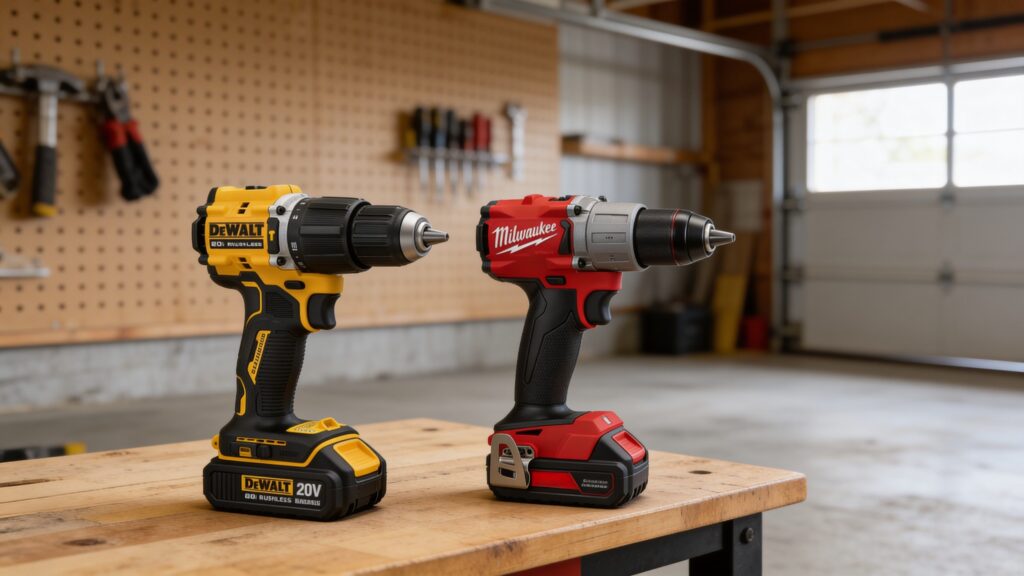
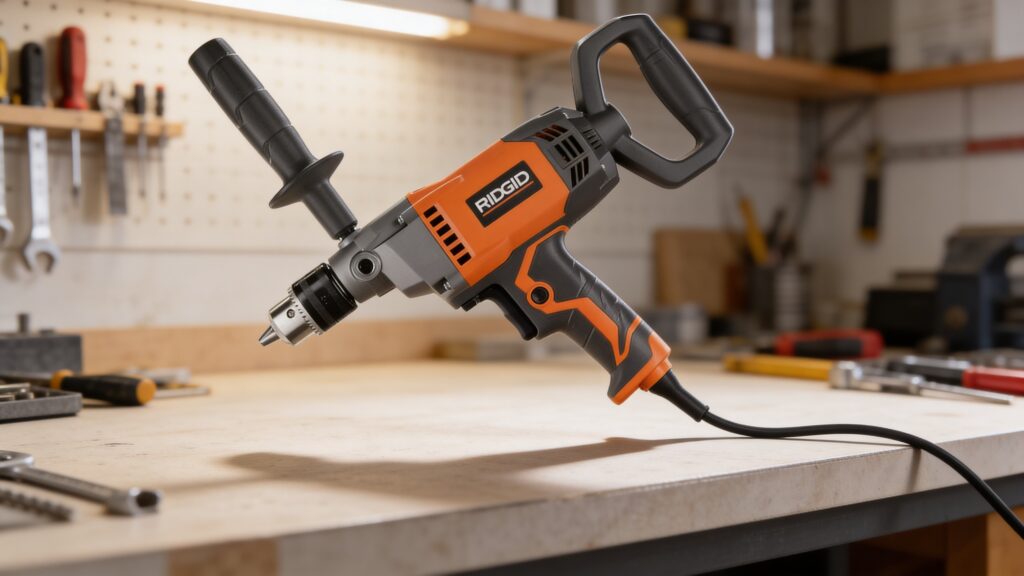
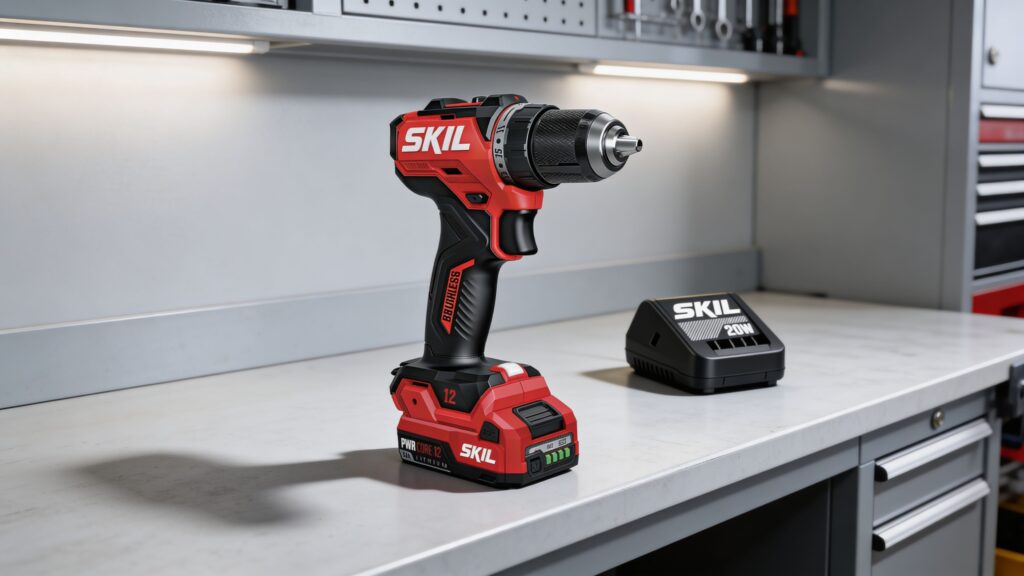
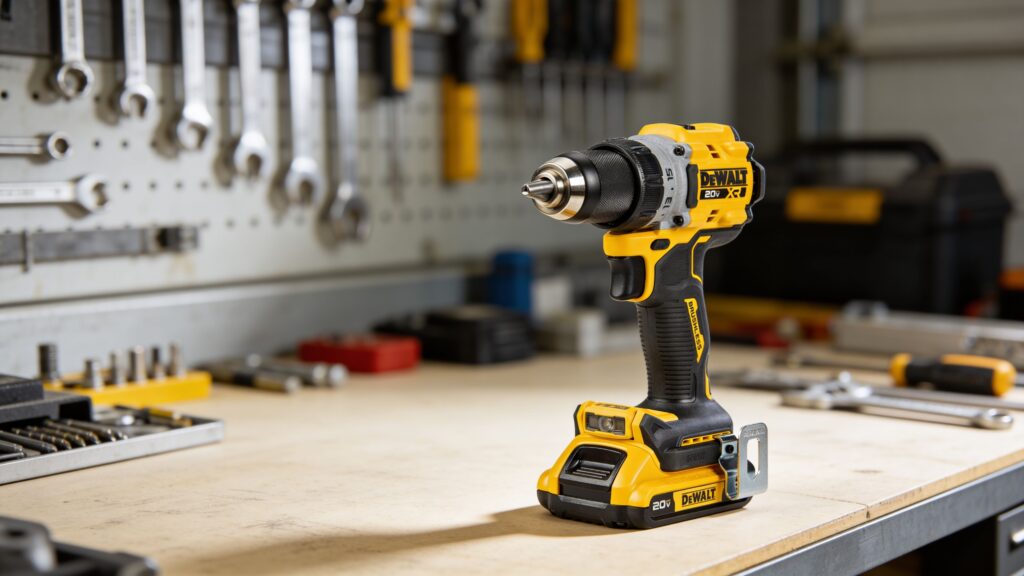
Welcome to our drills hub. Start here to learn how different drill types work, then jump into Explainers, Top 10 lists, in-depth reviews, side-by-side comparisons, and practical buying advice. Whether you’re a homeowner, DIYer, or pro — this page is your shortcut.
Start Here
Shopping for a drill? Start with the path that fits how you want to decide — whether you want the best overall picks, help choosing the right drill type, side-by-side comparisons, or a practical buying guide before you buy.
Jump straight to our strongest drill recommendations and best overall picks for most buyers.
Browse the main kinds of drills to find the right fit for home projects, heavy-duty work, or everyday DIY use.
See how drill types and top models stack up so you can understand tradeoffs before choosing.
Learn what matters most, from power and battery life to size, ergonomics, and long-term value.
Featured
Our top-performing drills across cordless, hammer, and specialty categories — selected for power, reliability, and real-world value, then organized into the best picks for the jobs people actually do.
Start with the drill category that matches your work. Each type has its own hub with Top 10 lists, reviews, comparisons, and buying guides.
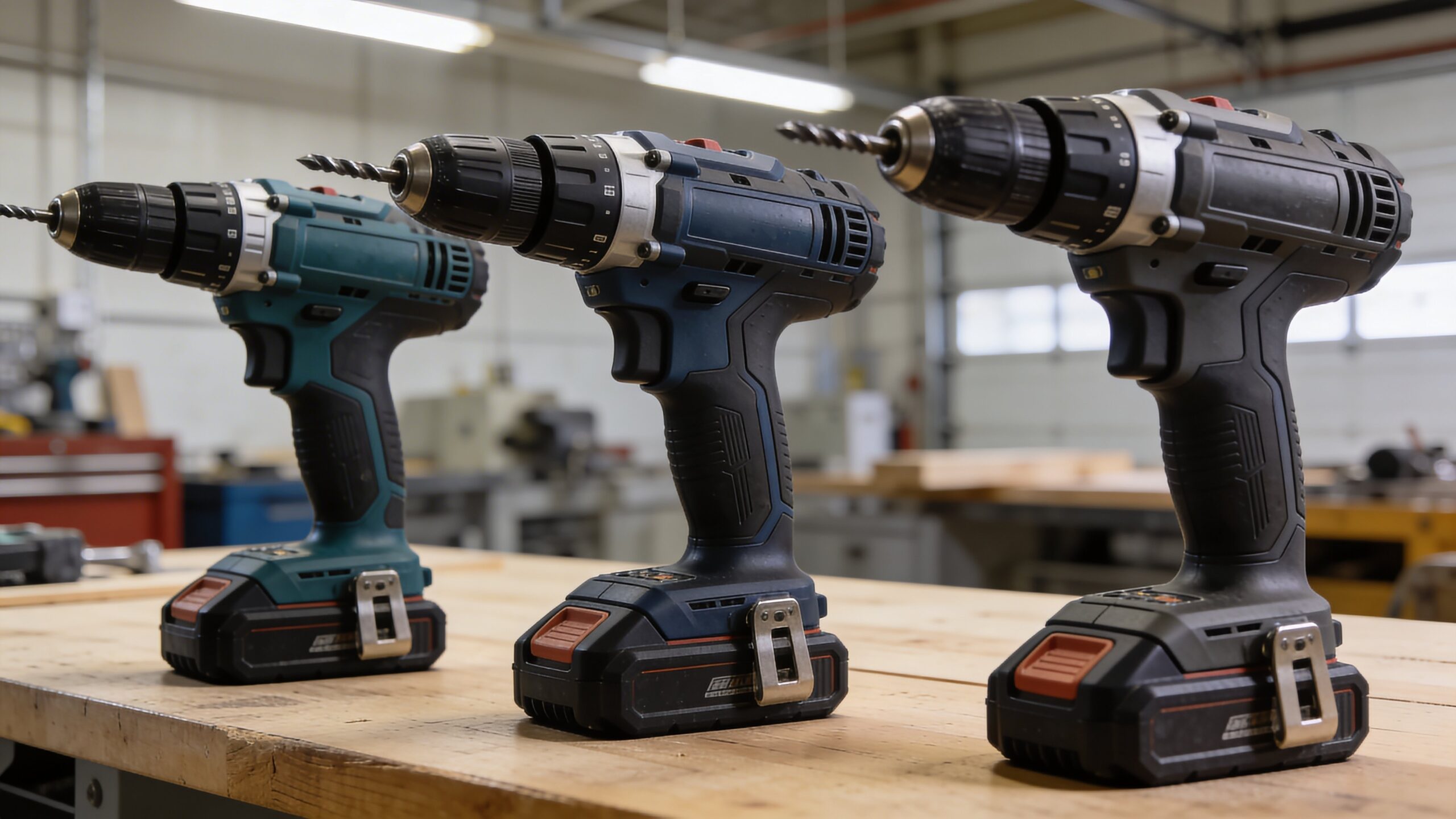
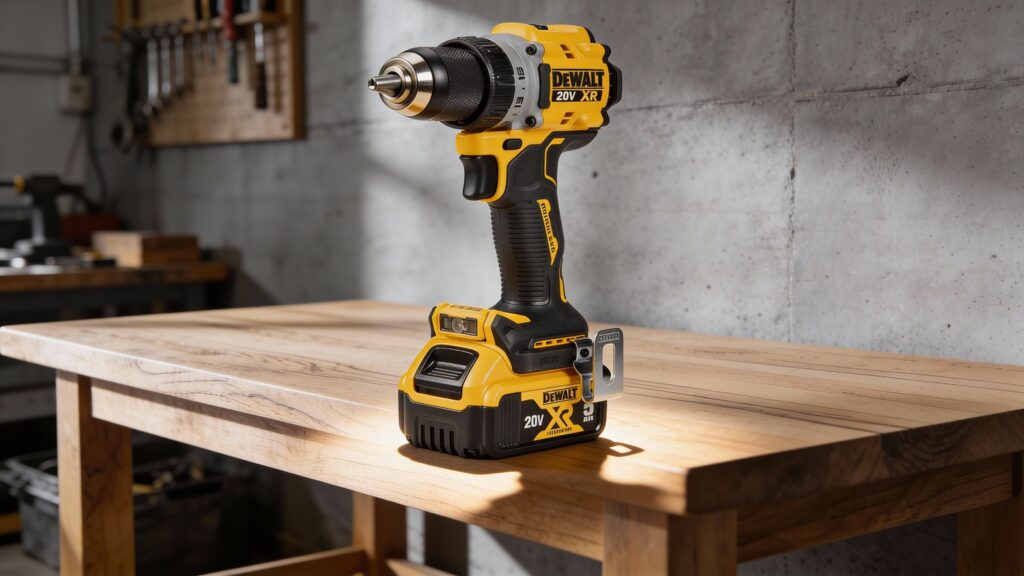
The default pick for most households: drilling + driving, battery platforms, and all-around value.
Consistent power for long sessions and heavy loads—no batteries required.
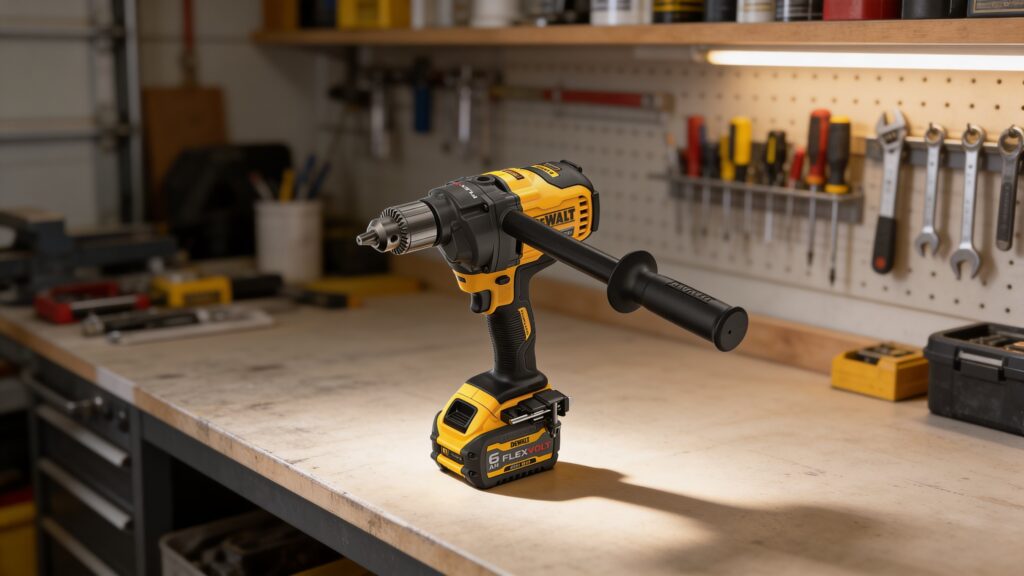
Extra bite for tougher surfaces when you don’t need a full rotary hammer.
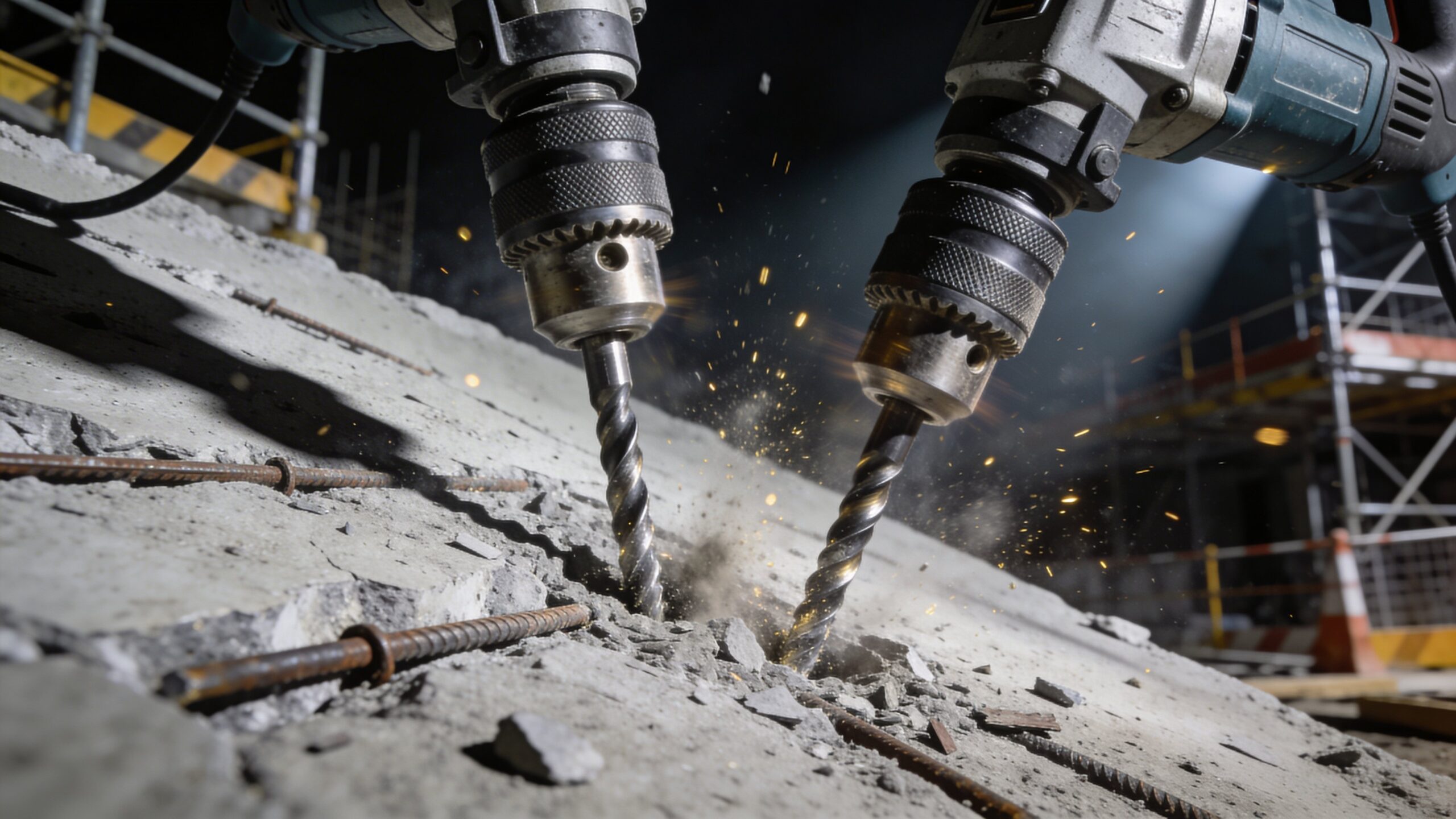
Purpose-built for fast, clean holes in concrete and masonry—true SDS performance.
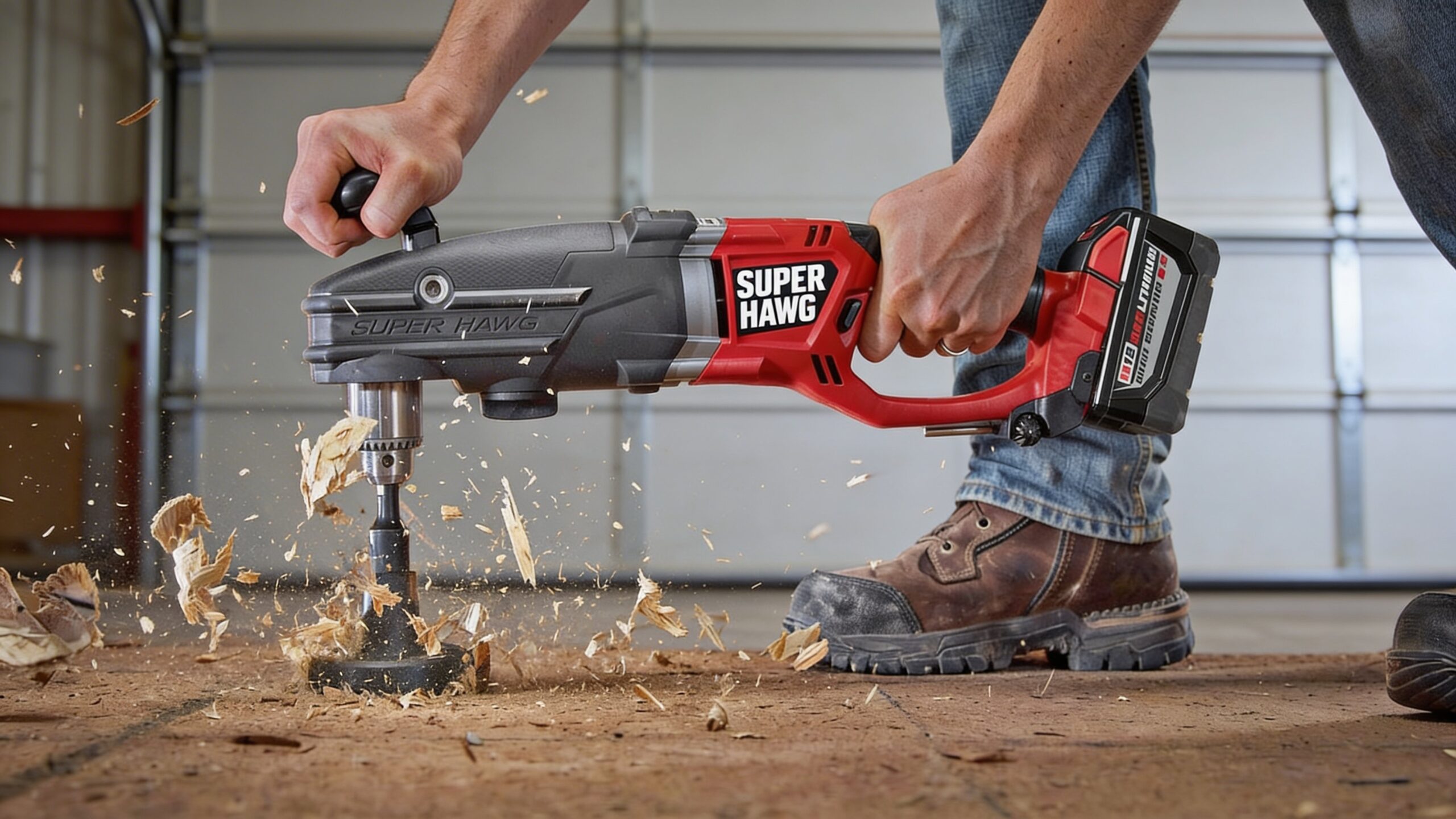
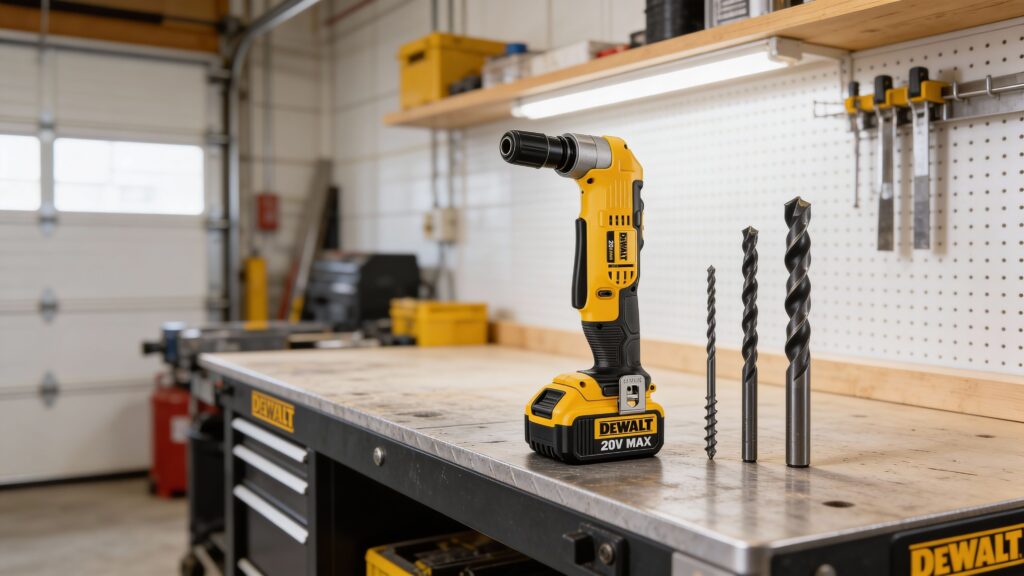
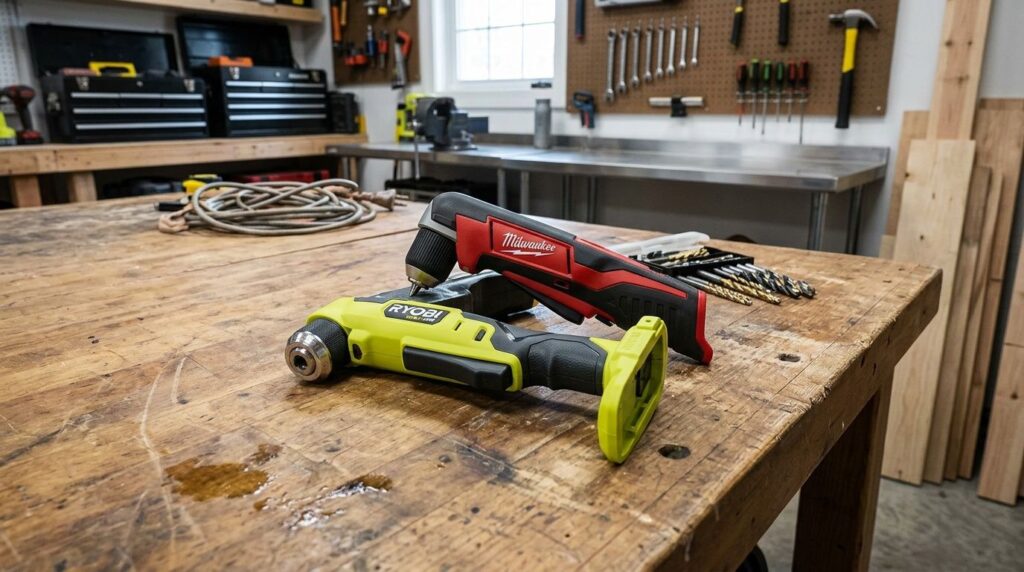
Compact heads for framing bays and corners where full-size drills can’t fit.
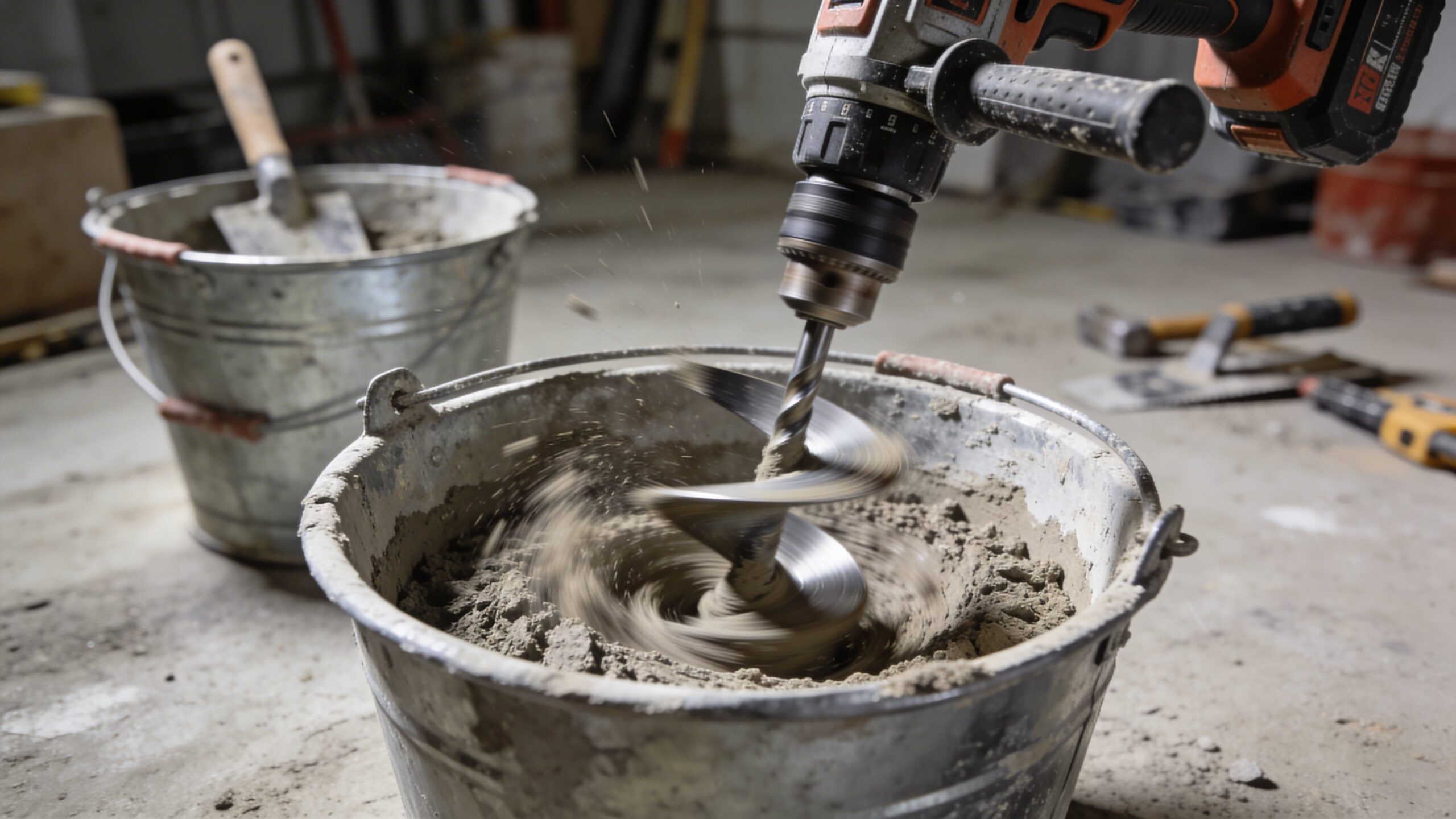
Low-speed, high-torque tools for paint, mortar, self-leveler, and heavy compounds.
Fresh Drops
Deep dives on performance, ergonomics, battery ecosystem value, and who each drill is truly for.
Side-by-side
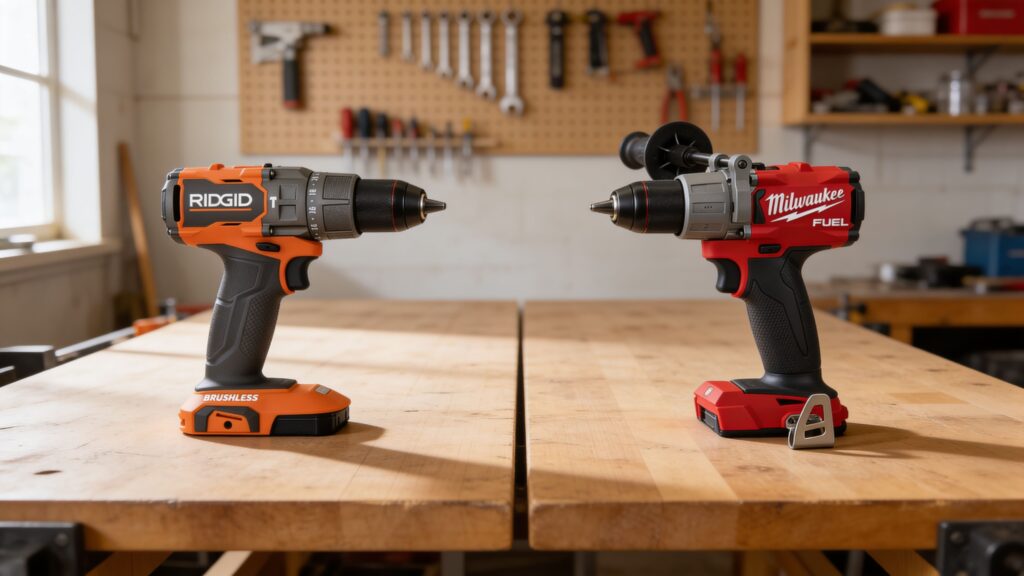
Side-by-side matchups to settle the big questions: brand vs brand, 12V vs 18V, compact vs full-size, kit value, and more.
Smart Decisions
Straight talk on what matters: torque, chuck quality, clutch behavior, weight/balance, battery platform, warranties, and long-term value.
Our Process
Review Streets uses structured analysis and AI-assisted research to evaluate drills across performance, usability, and value. Rather than relying on marketing claims alone, we combine manufacturer specifications, verified third-party testing data, professional feedback, and real customer experiences to surface meaningful differences between models.
Our system compares drills side-by-side using normalized specifications, expert reviews, and aggregated user feedback to identify strengths, limitations, and best-fit use cases. The result is clear, practical buying guidance designed to help you choose tools that match your projects — not just popularity rankings.
Understand First
Quick answers and clarity: brushless vs brushed, “20V max” marketing, hammer drill vs drill/driver, and what specs actually mean.
Discover how corded drills convert constant electricity into steady torque and unstoppable performance for demanding, all-day jobs.
Feel the impact—discover how hammer drills add pounding force to rotation, powering through masonry where rotary drills hit their limits.
Feel the difference high torque makes—power through thick materials faster, smoother, and with far less strain on you.
Work longer with less fatigue—discover how proper weight and balance turn cordless drills into precision tools instead of arm-burning beasts.
Charge smarter—discover how voltage ratings shape cordless drill power, runtime, and whether your tool breezes through tasks or struggles.
Know when muscle matters—discover why mixing drills outperform standard drills for thick materials, heavy loads, and nonstop blending power.
Browse by format
Prefer a specific format? Jump straight to it.
Choose a retailer
Prices checked regularly. We may earn a commission at no cost to you.