```html ```

1/2-Inch Chuck vs 3/8-Inch Chuck Hammer Drills: Key Differences Explained

This head-to-head comparison examines 1/2-inch and 3/8-inch chuck hammer drills, focusing on capacity, power, size, and real-world performance to clarify tradeoffs and guide informed tool selection decisions.

By: Review Streets Research Lab
Updated: February 20, 2026
Approx. 10–12 min read
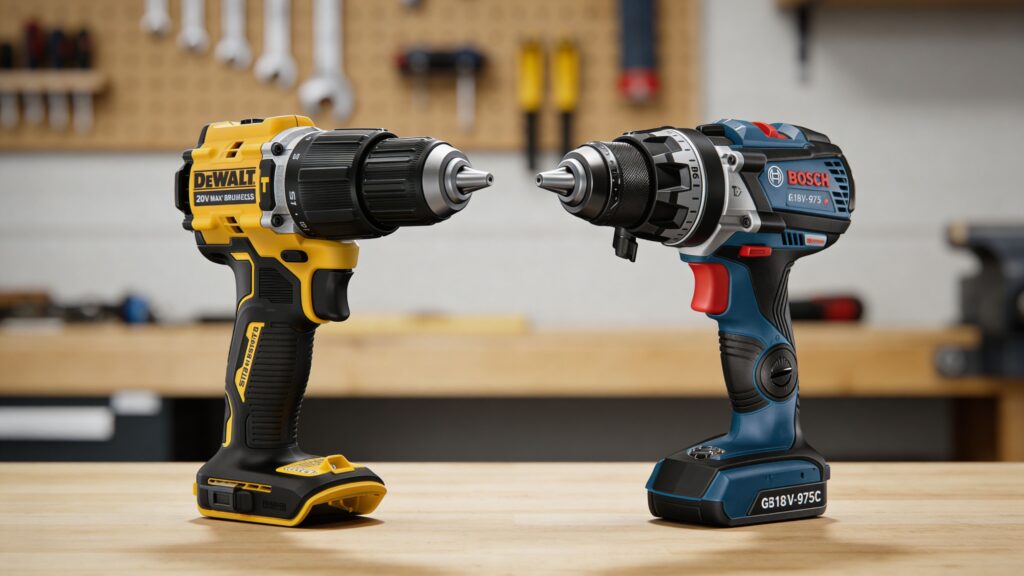
Side-by-side comparison of 1/2-inch and 3/8-inch chuck hammer drills on a workshop bench, highlighting size difference and chuck capacity

Head-to-head

1/2-Inch Chuck vs 3/8-Inch Chuck Hammer Drills: Key Differences Explained

A clear A/B view of what changes when you step up from a 3/8-inch chuck to a 1/2-inch chuck on a hammer drill: bit capacity, stability under load, handling in tight spaces, and how those tradeoffs affect everyday drilling and fastening decisions.
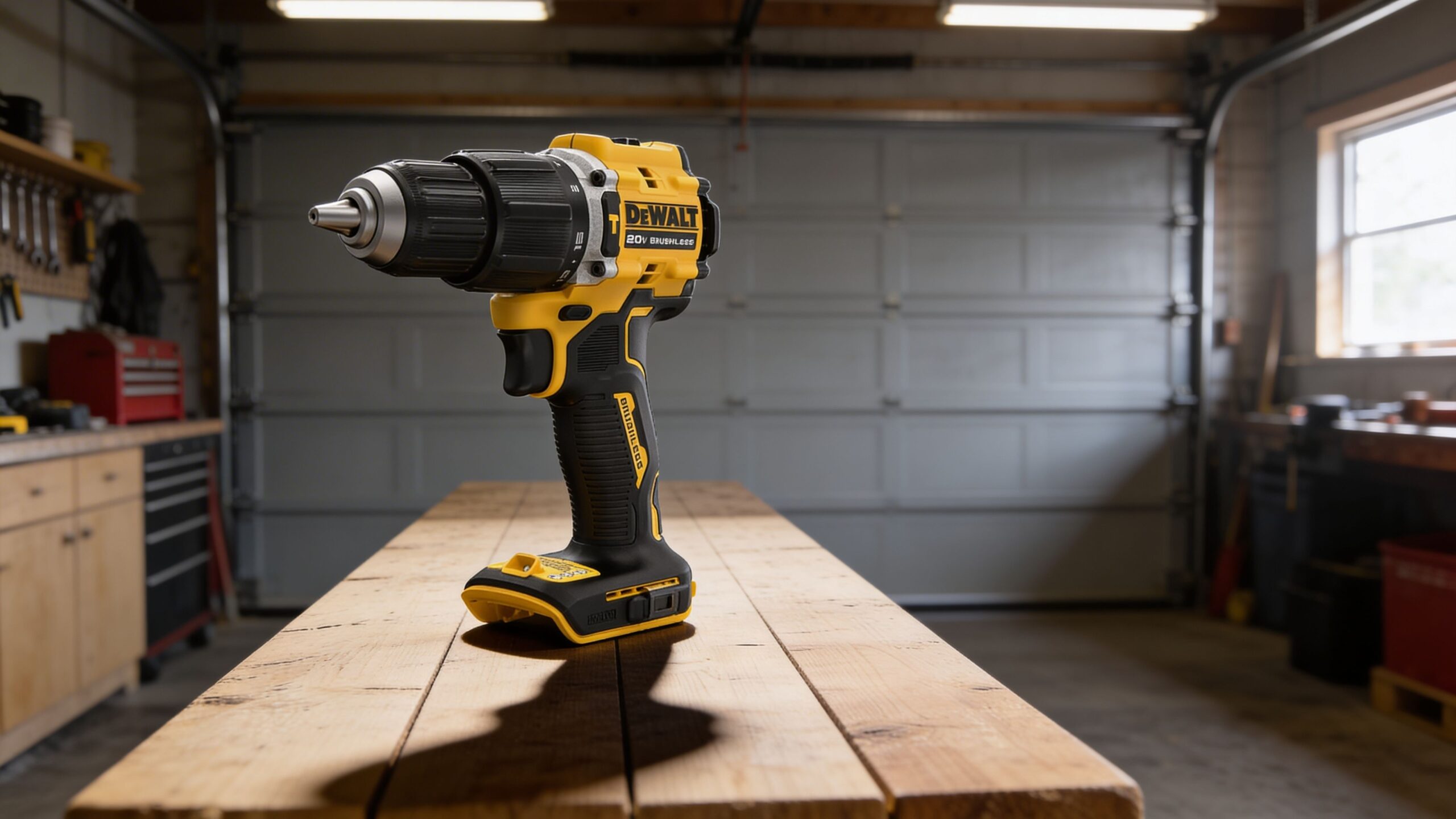
1/2-Inch Chuck Hammer Drill

1/2-Inch Chuck Hammer Drill

The “capacity-first” choice for larger bits and tougher material transitions—typically steadier when you lean into drilling and better suited to heavier-duty holes where chuck grip and tool stability matter.

Score 8.7 Best for larger bits + tougher holes Battery varies by model Why buy capacity + secure bit hold
  • Handles bigger hole saws, spade bits, and SDS-adapter-style tasks more confidently (where supported)
  • Typically feels more planted when drilling dense wood or light masonry with larger diameters
  • Better long-term flexibility if your work regularly pushes beyond small pilot holes and fasteners
VS
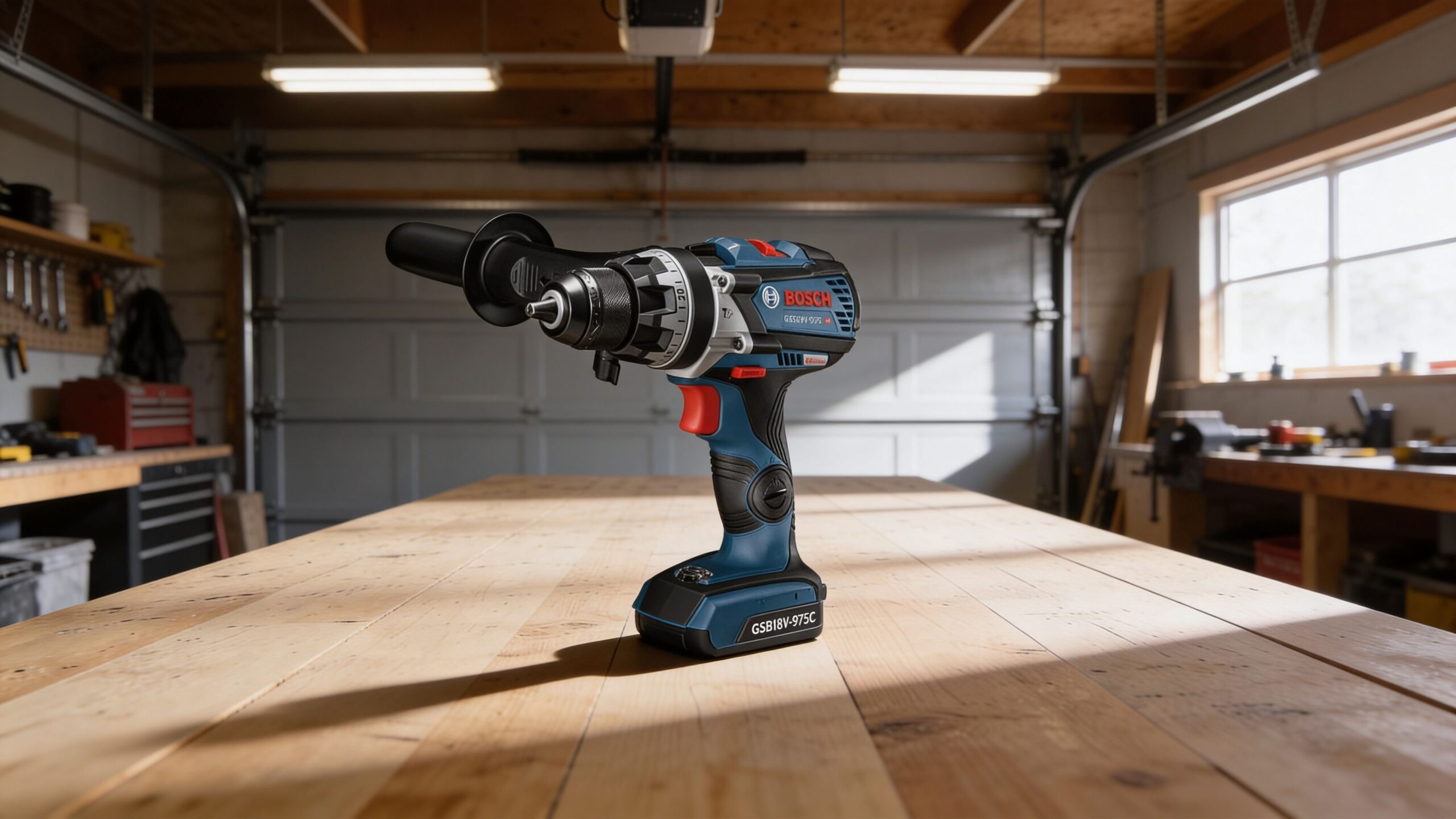
3/8-Inch Chuck Hammer Drills

3/8-Inch Chuck Hammer Drills

The “compact control” option for routine drilling and fastening—often lighter, easier to maneuver in cabinets and stud bays, and well matched to smaller bits and day-to-day punch-list work.

Score 8.2 Best for compact work + light masonry Battery varies by model Why buy access + everyday handling
  • Usually easier to control for pilots, smaller holes, and repeatable fastening
  • Better fit for tight quarters where a shorter, lighter drill reduces fatigue
  • Smart choice when most tasks live in common bit sizes and occasional hammer mode use
Power under load
Typically better paired to higher-load drilling
Strong for routine holes and smaller bits
1/2-Inch Chuck
Control & clutch consistency
Good, especially at lower speeds
Often easier for precise fastening
3/8-Inch Chuck
Ergonomics (feel + fatigue)
More mass; steadier but can tire faster
Lighter feel; easier in tight spaces
3/8-Inch Chuck
Value (typical kit pricing)
Often priced higher for capability
Commonly more budget-friendly
3/8-Inch Chuck
Battery ecosystem depth
Depends on brand/platform you choose
Tie
Real-world context
This comparison reflects a synthesis of professional reviews, manufacturer data, long-term user feedback, and use-case patterns to highlight how each drill typically performs in everyday projects.

1/2-Inch Chuck — Why people choose it

  • Wider bit capacity for larger diameters and heavier-duty drilling setups
  • Typically more stable when drilling dense material or stepping up hole sizes
  • Better fit when hammer mode is used with larger masonry bits and longer runs

3/8-Inch Chuck — Why people choose it

  • Compact handling for cabinets, tight framing bays, and overhead work (less fatigue)
  • Great match for common bit sizes and routine drilling/fastening
  • Often a simpler, lower-cost choice when you don’t need larger bit capacity
Verdict: Choose a 1/2-inch chuck hammer drill if your work regularly involves larger bits, tougher drilling, or tasks where extra chuck capacity and a steadier feel matter most. Choose a 3/8-inch chuck hammer drill if you prioritize lighter handling, tight-space access, and dependable performance with common bit sizes for everyday drilling and fastening.
Read FAQs

Deep dive

What actually matters in this matchup

The 1/2-inch vs 3/8-inch chuck decision isn’t just “bigger is better.” It’s about how the drill behaves when the work gets real: how confidently it holds larger bits, how stable it feels when the bit starts to bind, and how much control you keep when you’re working one-handed, overhead, or in a tight bay. This deep dive focuses on outcomes—bit security, predictability at the trigger, fatigue over long sessions, and how each chuck size fits typical drilling and hammer-drilling workflows—so the choice matches the work instead of the spec sheet.

Bit capacity & chuck confidence: A 1/2-inch chuck generally earns its keep when you routinely run larger bits or step up hole sizes, because the setup tends to feel more stable and secure as resistance increases. A 3/8-inch chuck can feel more nimble with common bit sizes, but it’s usually less forgiving when you push into larger diameters or heavier drilling patterns.

Control vs “push-through” feel: The practical tradeoff is often control on the small end versus composure on the big end. A 3/8-inch chuck hammer drill is typically easier to start precisely and manage in delicate work, while a 1/2-inch chuck hammer drill is more likely to feel planted when drilling demands rise and the tool needs to stay composed.

Workflow fit over a full day: If most tasks are pilots, hardware installs, and routine holes, the lighter, easier-to-position feel common with 3/8-inch setups can reduce fatigue and improve repeatability. If the day includes larger holes, frequent bit changes across sizes, or heavier material transitions, the added capacity and steadier handling associated with 1/2-inch chucks can keep the workflow smoother and reduce the “fighting the tool” moments.

Methodology

How we evaluated these chuck sizes on hammer drills

This comparison is built around the real differences a 1/2-inch versus 3/8-inch chuck creates in day-to-day drilling and light masonry work. Instead of leaning on spec-sheet claims, we focus on practical tasks that reveal how each setup behaves when bit sizes change, when the material fights back, and when comfort and control matter over repeated use.

Tasks: stepping up hole sizes in wood, drilling clean pilot holes, driving common fasteners with frequent bit changes, and using hammer mode for light-duty masonry holes to assess stability, bit retention, and handling.

What we scored: confidence under load (how steady the drill stays as resistance rises), start accuracy and controllability, fatigue and balance during longer sessions, chuck grip and repeatability, and ownership considerations that affect long-term flexibility.

How results are interpreted: findings are weighed by use case—compact control and access can matter more for routine work, while capacity and steadiness can matter more when larger bits and tougher drilling are common.

What we ignored: isolated marketing claims, torque-forward bragging, and features that don’t reliably change outcomes in everyday drilling and fastening workflows.

FAQ

1/2-Inch vs 3/8-Inch Chuck Hammer Drills: Common questions

Is a 1/2-inch chuck more powerful than a 3/8-inch chuck?
Not inherently. Chuck size determines the maximum bit shank it can hold, not the motor’s output. However, 1/2-inch chuck hammer drills are often paired with more robust platforms, which can make them feel more composed when using larger bits.
Can a 3/8-inch chuck handle masonry drilling?
Yes, for light-duty masonry tasks within its supported bit sizes. For smaller anchor holes and occasional hammer mode use, it can be entirely sufficient. Larger masonry bits and repeated heavy drilling are generally better suited to a 1/2-inch chuck setup.
Does a 1/2-inch chuck make the drill harder to control?
Not necessarily, but the overall tool is often slightly larger and heavier. That added mass can improve stability with bigger bits, while a 3/8-inch model may feel easier to manage in tight spaces or during extended overhead work.
Which chuck size is better for everyday DIY projects?
If most tasks involve common bit sizes, light masonry, and general fastening, a 3/8-inch chuck hammer drill typically covers those needs with easier handling. A 1/2-inch chuck becomes more relevant when projects frequently require stepping up to larger hole diameters.
Will I outgrow a 3/8-inch chuck over time?
It depends on how your projects evolve. For routine maintenance and moderate home improvements, a 3/8-inch chuck can remain adequate long term. If your work expands into larger structural drilling or heavier materials, the additional capacity of a 1/2-inch chuck offers more flexibility.

Key Takeaways

  • A 1/2-inch chuck expands your usable bit range and tends to feel more stable with larger holes, but that added capacity often comes with more size and weight.
  • A 3/8-inch chuck favors maneuverability and everyday control, making it easier to manage in tight spaces and during repetitive, lighter-duty tasks.
  • The real decision hinges on how often you step up to larger diameters—occasional big holes may justify 1/2-inch capacity, while routine small-to-medium work rarely demands it.
  • Chuck size affects workflow: larger chucks offer flexibility for varied bit sizes, while smaller chucks can streamline handling for common drilling and fastening.
  • Neither option is inherently “better”; the right choice aligns with workload patterns, physical comfort over time, and how your projects are likely to evolve.

Verdict

Choosing the right chuck size for real work

In this head-to-head, the better choice is the chuck size that matches how you actually drill: the bit sizes you use most, how often you push into tougher materials, and how much handling comfort matters across long sessions.

#1 Winner

1/2-Inch Chuck Hammer Drill

The better fit when capacity and stability drive results—especially if larger bits show up often or drilling loads regularly get demanding.

  • More flexibility when stepping up to larger hole diameters
  • Typically steadier feel as resistance increases
  • Better match for heavier-duty drilling patterns over time

Runner-up

Jump to the Head-to-Head

Tip: If most projects stay within common bit sizes, handling and fatigue usually matter more than extra chuck capacity.

Where to Buy

We prioritize reputable sellers, easy returns, and reliable availability.

Price checks happen regularly. Some links may earn a commission—never affects rankings.

Accessories You’ll Want

  • Masonry drill bit set (common anchor sizes, plus spares of the bits you burn through most)
  • High-quality 1/4-inch hex bit set (Phillips, Torx, square, and nut drivers for everyday fastening)
  • Compact and high-capacity battery options (a lighter pack for balance + a larger pack for longer drilling sessions)
  • Hole saw or spade bit set (for larger holes where chuck capacity and stability matter)
  • Side handle or auxiliary grip (helps control torque reaction and improves stability when using larger bits)

Tip: Match accessories to how you drill most—3/8-inch setups shine with common bit sizes, while 1/2-inch capacity pays off when you regularly step up to larger diameters.