Best Cordless Drills for Budgets Under $150 (Top 10 Picks)

This guide compares the best budget cordless drills under $150, evaluating performance, build quality, battery systems, and overall value to help readers make informed, practical buying decisions.

By: Review Streets Research Lab
Updated: March 27, 2026
Approx. 10–12 min read
Best Budget Cordless Drills — Top 10 Picks Under $150

Best Budget Cordless Drills — Top 10 Picks Under $150

Our editorial picks ranked by real-world performance, control, durability, and long-term value. Tap any image to expand, or jump to full reviews for deeper specs.
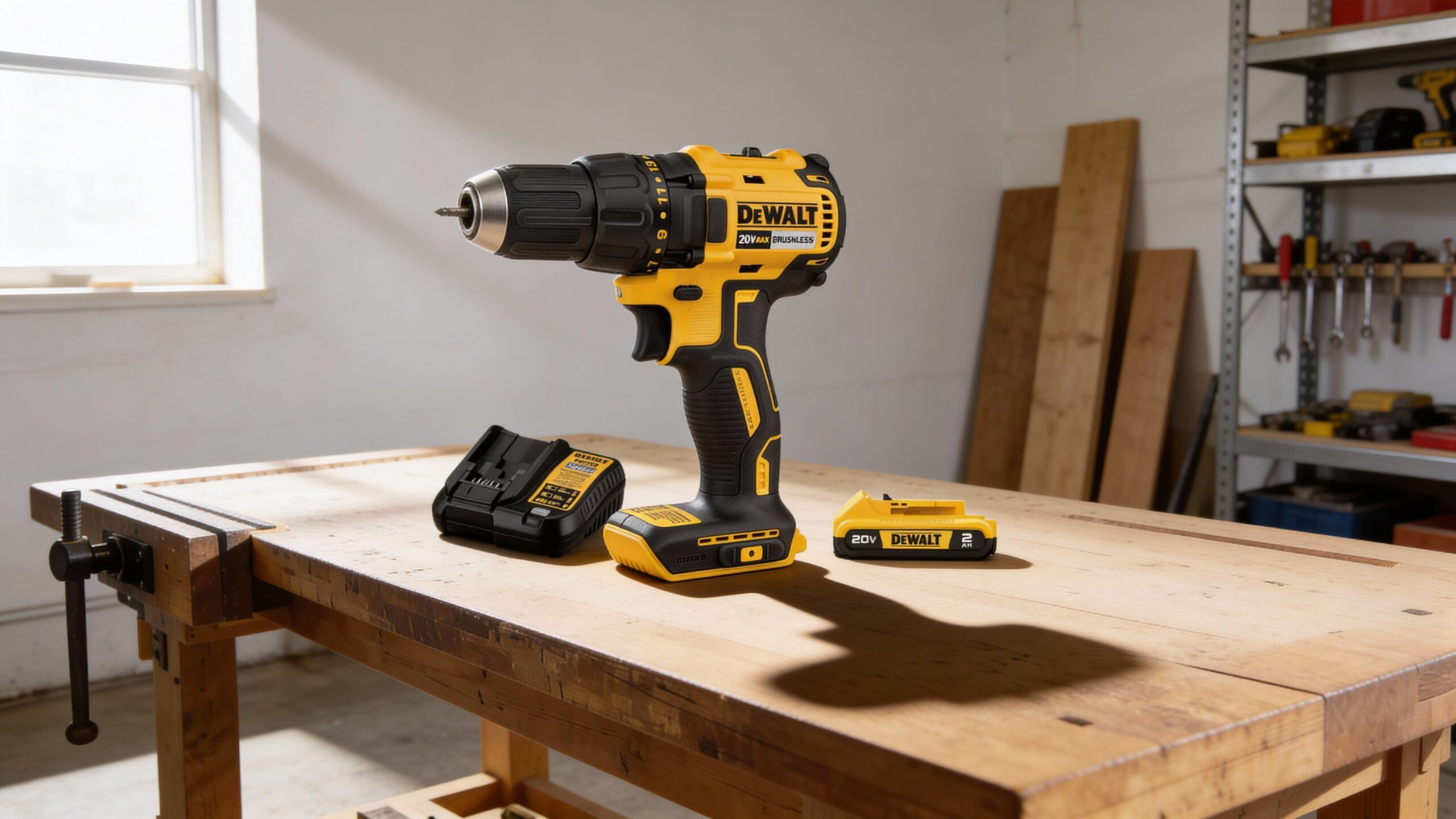
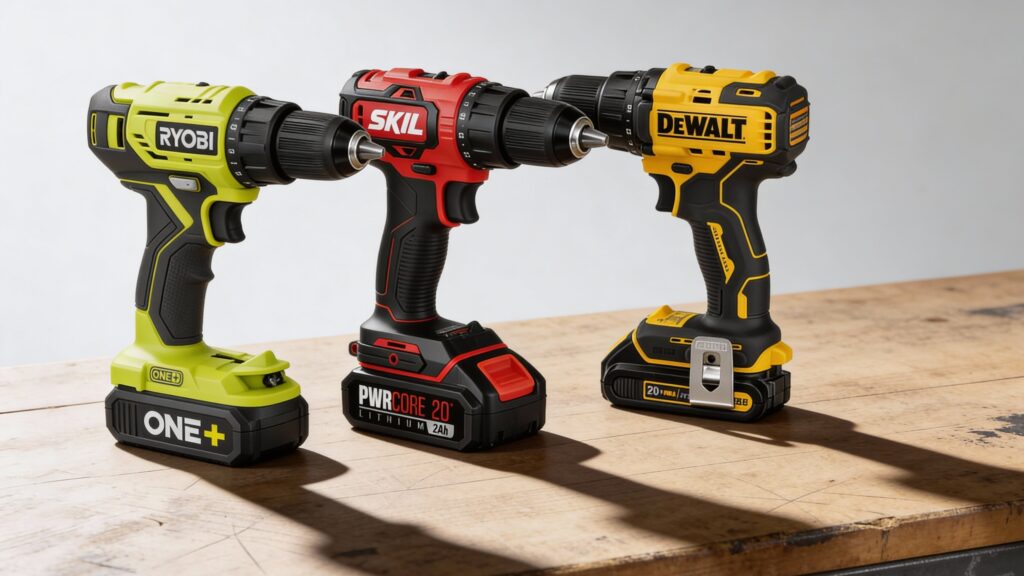
DeWalt 20V Max DCD771C2 cordless drill driver kit
#1 Best Overall Under 150 Score: 9.2 / 10

DeWalt 20V Max DCD771C2

A dependable all-around budget kit with strong everyday power, predictable trigger control, and a proven platform. It’s the easiest recommendation when you want one drill that can handle most home projects without overspending.

Power: Strong Control: Smooth Battery: 20V MAX Best For: All-Around DIY

Pros

  • Reliable drilling and driving for most homeowner tasks
  • Comfortable grip with easy-to-feather trigger feel
  • Large 20V ecosystem for future tool upgrades

Cons

  • Not the best choice for frequent heavy-duty hole drilling
  • Entry batteries can limit runtime on bigger projects
  • Kit accessories vary widely by retailer bundle

Best For

  • General home maintenance and repairs
  • Weekend woodworking and furniture builds
  • Buyers who want one solid starter kit
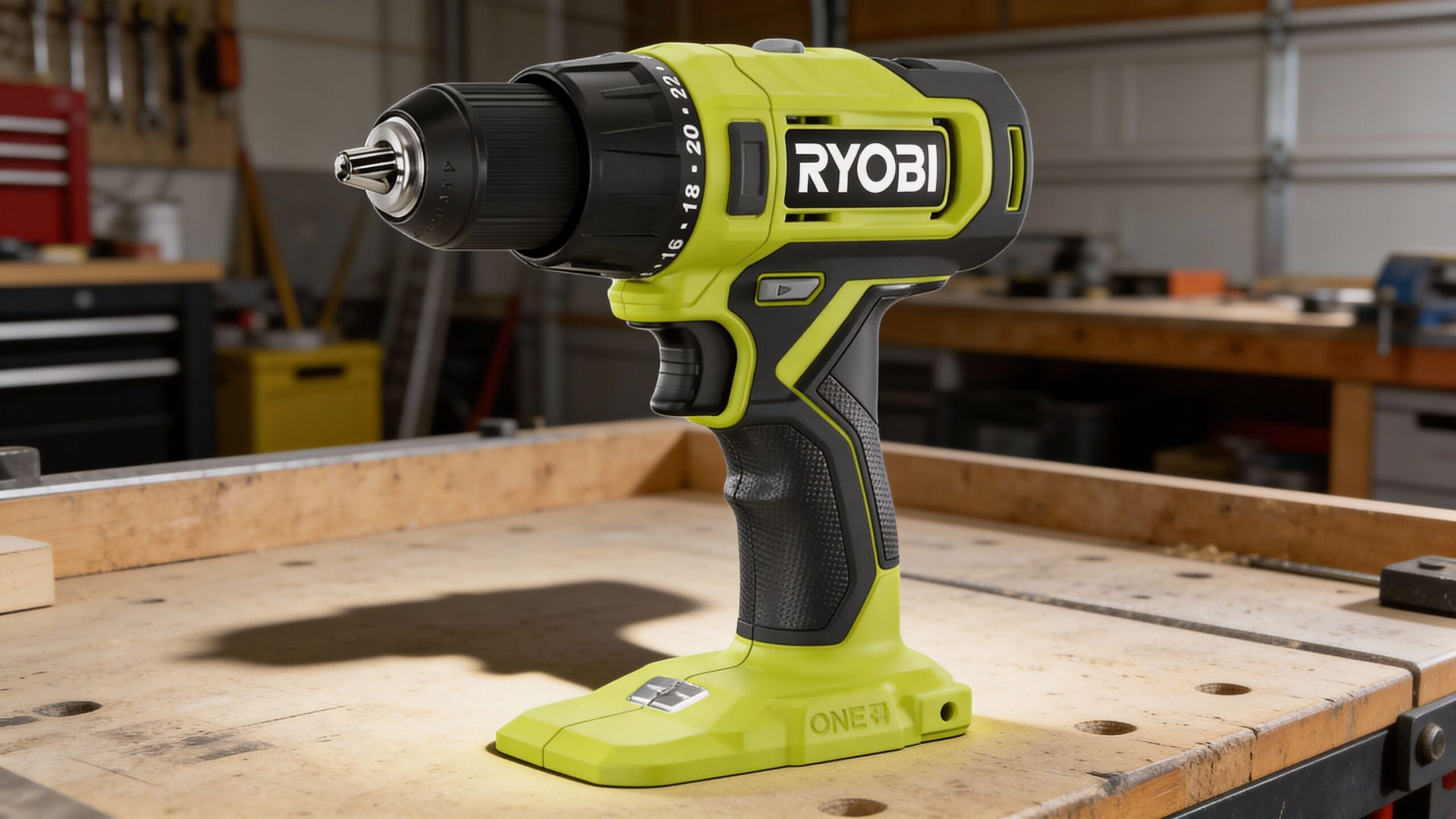
Ryobi 18V One Plus P215K cordless drill driver kit
#2 Best Value Platform Score: 9.0 / 10

Ryobi 18V One Plus P215K

A classic “smart buy” for homeowners: capable performance at a friendly price, plus one of the biggest DIY-focused tool ecosystems. If you expect to add more tools over time, this is a budget platform that scales.

Value: Excellent Ease: Beginner-Friendly Battery: ONE+ 18V Best For: Home Projects

Pros

  • Strong results for common drilling and driving
  • Huge range of affordable ONE+ tools
  • Easy handling for new DIYers

Cons

  • Not the top option for sustained heavy-duty work
  • Runtime improves noticeably with higher-capacity batteries
  • Some kits include minimal accessories

Best For

  • Homeowners building a budget tool collection
  • Light-to-medium drilling and fastening
  • DIYers who want lots of tool options later
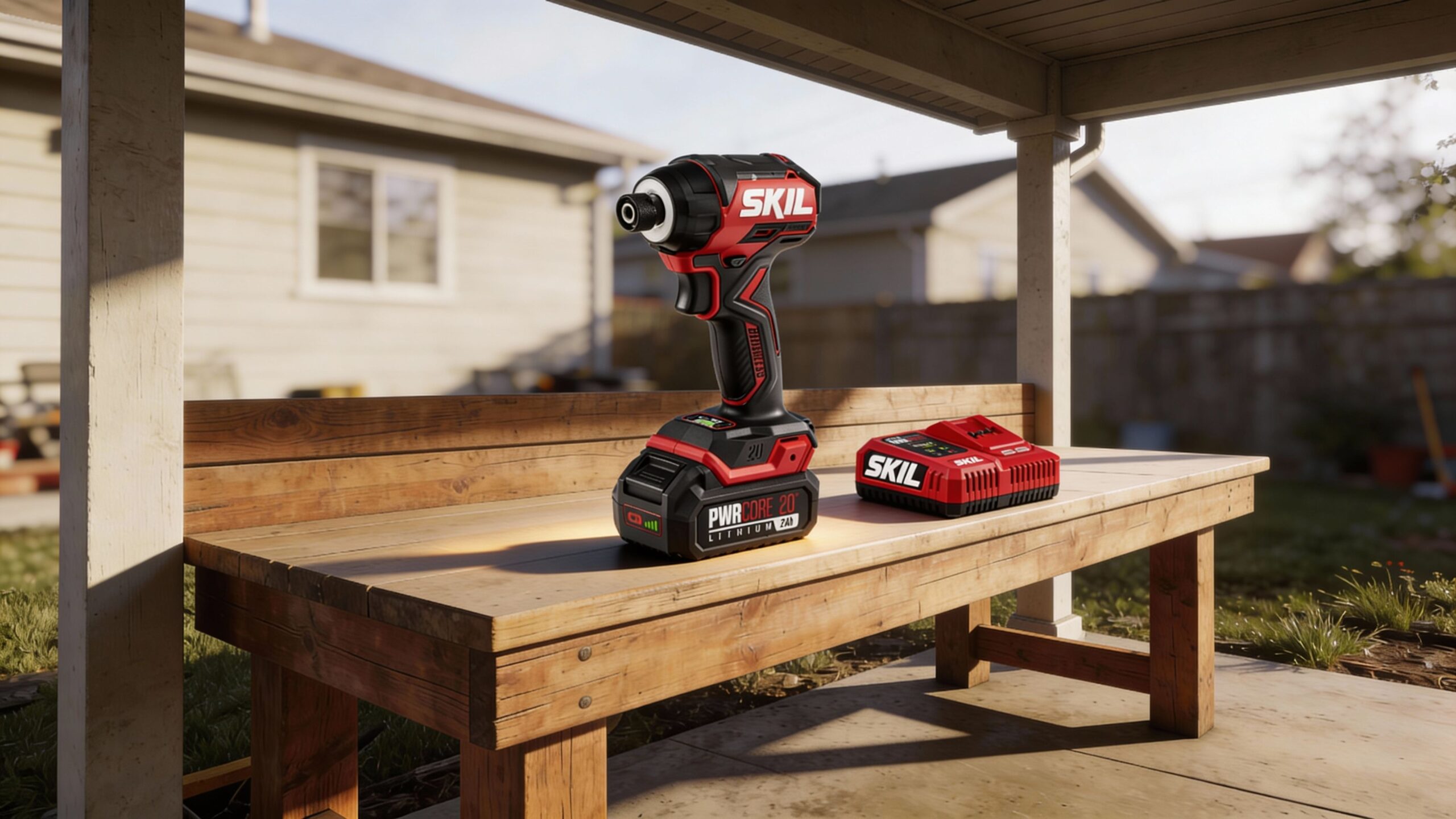
Skil PWRCore 20 Brushless DL5290 cordless drill driver kit
#3 Best Features for the Money Score: 8.8 / 10

Skil PWRCore 20 Brushless DL5290

Brushless efficiency and punchy performance make this a standout when you want “more drill” on a strict budget. It’s a strong pick for heavier home tasks like deck boards, larger fasteners, and multi-hour project days.

Motor: Brushless Drive: Confident Battery: PWRCore 20 Best For: Bigger DIY

Pros

  • Strong performance for drilling and driving at this price
  • Efficient brushless feel for longer work sessions
  • Great upgrade pick if you want more than entry-level

Cons

  • Ecosystem isn’t as broad as the biggest brands
  • Kit availability and bundle contents can vary
  • Heavier than ultra-compact homeowner drills

Best For

  • Deck repairs and outdoor projects
  • DIYers who want brushless value
  • Driving larger screws with less strain
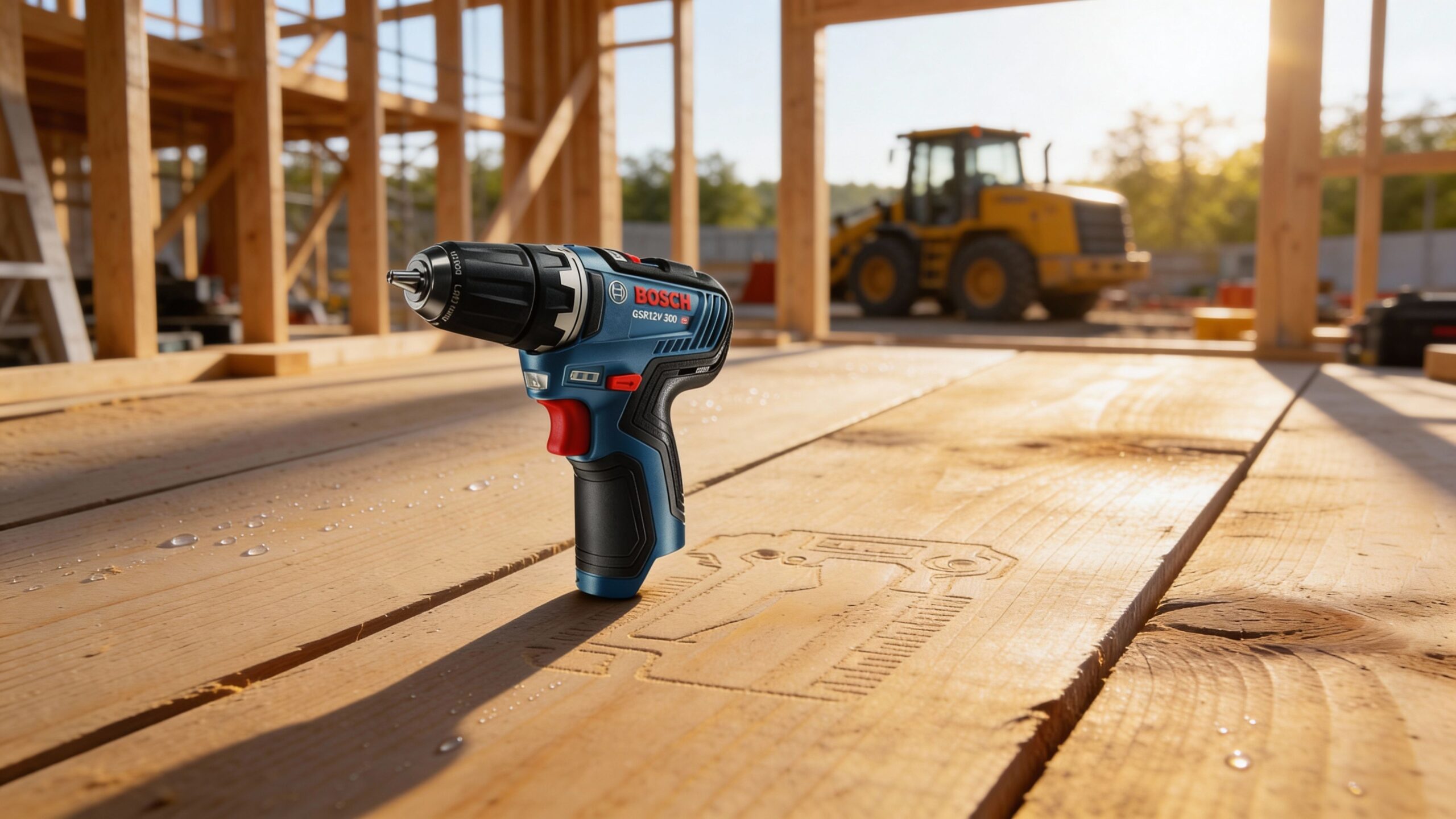
Bosch 12V Max GSR12V-300 compact cordless drill driver kit
#4 Best for Tight Spaces Score: 8.7 / 10

Bosch 12V Max GSR12V-300

Light, nimble, and easy to control for indoor work, cabinets, and awkward angles. It’s the drill you actually enjoy using for assembly and quick repairs because it never feels bulky or tiring.

Size: Ultra-Compact Control: Precise Battery: 12V Max Best For: Cabinets

Pros

  • Excellent maneuverability in cramped spaces
  • Easy trigger control for careful driving
  • Lightweight feel for long indoor sessions

Cons

  • Not intended for big holes or heavy drilling
  • Less torque headroom than full-size 18V/20V
  • Best results depend on using sharp bits

Best For

  • Furniture assembly and shelving
  • Under-sink and closet repairs
  • Anyone who wants a small second drill
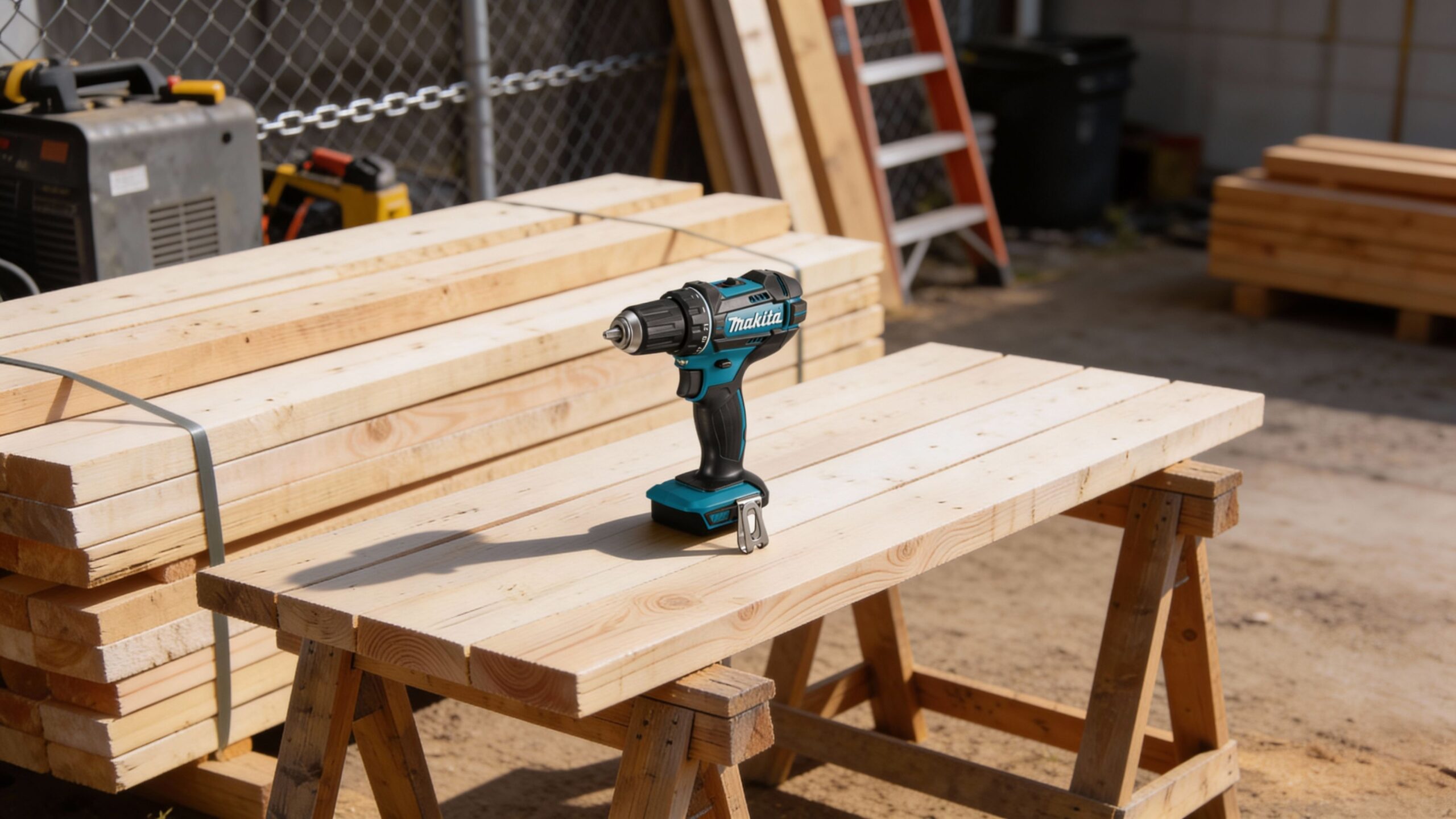
Makita 18V LXT XFD131 cordless drill driver kit
#5 Best Ergonomics Score: 8.6 / 10

Makita 18V LXT XFD131

Smooth handling, balanced weight, and an easy “drives straight” feel that shines in longer sessions. If comfort matters as much as power, this is a refined budget-friendly entry into the LXT system.

Handling: Excellent Drive: Smooth Battery: 18V LXT Best For: Long Sessions

Pros

  • Comfortable grip and balanced feel
  • Predictable control for clean fastening
  • Solid platform if you expand into LXT tools

Cons

  • Deals and kit prices fluctuate more than some rivals
  • Not the top “max torque” winner in hard drilling
  • Starter kits may include smaller batteries

Best For

  • Remodel projects and repeated fastening
  • DIYers who care about comfort and balance
  • Finish work where control matters
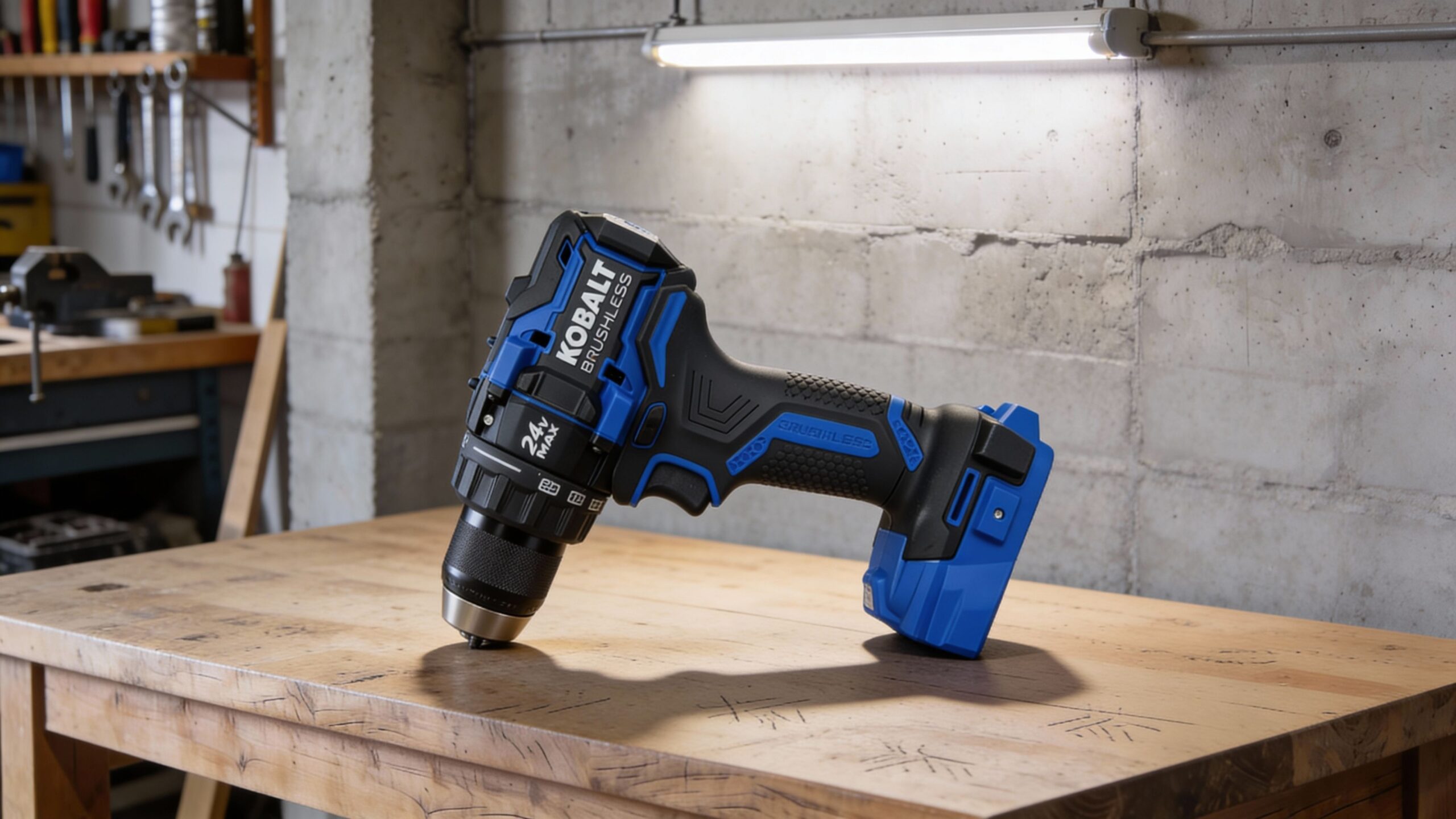
Kobalt 24V Max KDD 124B-03 cordless drill driver kit
#6 Best Power for the Price Score: 8.5 / 10

Kobalt 24V Max KDD 124B-03

A strong performer for larger fasteners and tougher materials, especially when paired with a good battery. It’s a great “budget muscle” pick for homeowners who do bigger projects a few times a year.

Torque: High Drilling: Strong Battery: 24V Max Best For: Bigger Jobs

Pros

  • Plenty of power for demanding homeowner tasks
  • Good speed range for drilling and driving
  • Often strong kit deals under 150

Cons

  • Can feel heavier than compact alternatives
  • Accessory and tool selection varies by retailer
  • Ergonomics are more “workhorse” than refined

Best For

  • Deck repairs and outdoor builds
  • Driving lag bolts and longer screws
  • DIYers who want extra power headroom
Craftsman V20 CMCD700C1 cordless drill driver kit
#7 Best Starter Ecosystem Score: 8.4 / 10

Craftsman V20 CMCD700C1

A straightforward drill that covers the basics with a friendly learning curve and frequent bundle deals. If you want a simple kit now with room to add more V20 tools later, this is a solid entry point.

Ease: Simple Balance: Good Battery: V20 Best For: New Buyers

Pros

  • Easy to use for everyday home tasks
  • Often excellent value in bundled kits
  • Good for drilling pilots and driving screws cleanly

Cons

  • Not ideal for frequent heavy drilling in dense materials
  • Runtime depends heavily on included battery size
  • Less refined feel than premium pro drills

Best For

  • First cordless kit for a new homeowner
  • General repairs, shelves, and small builds
  • Budget tool growth in the V20 line
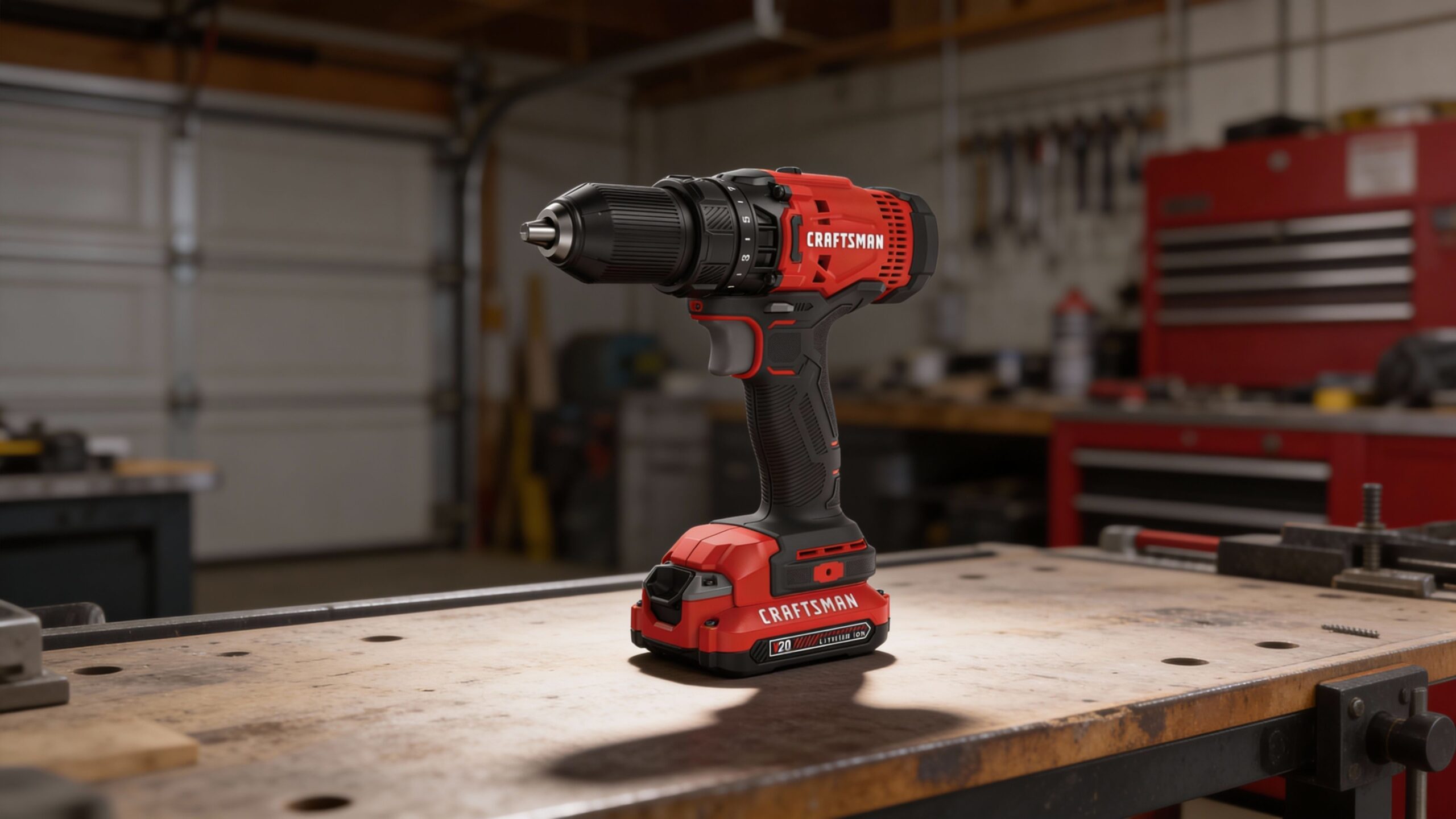
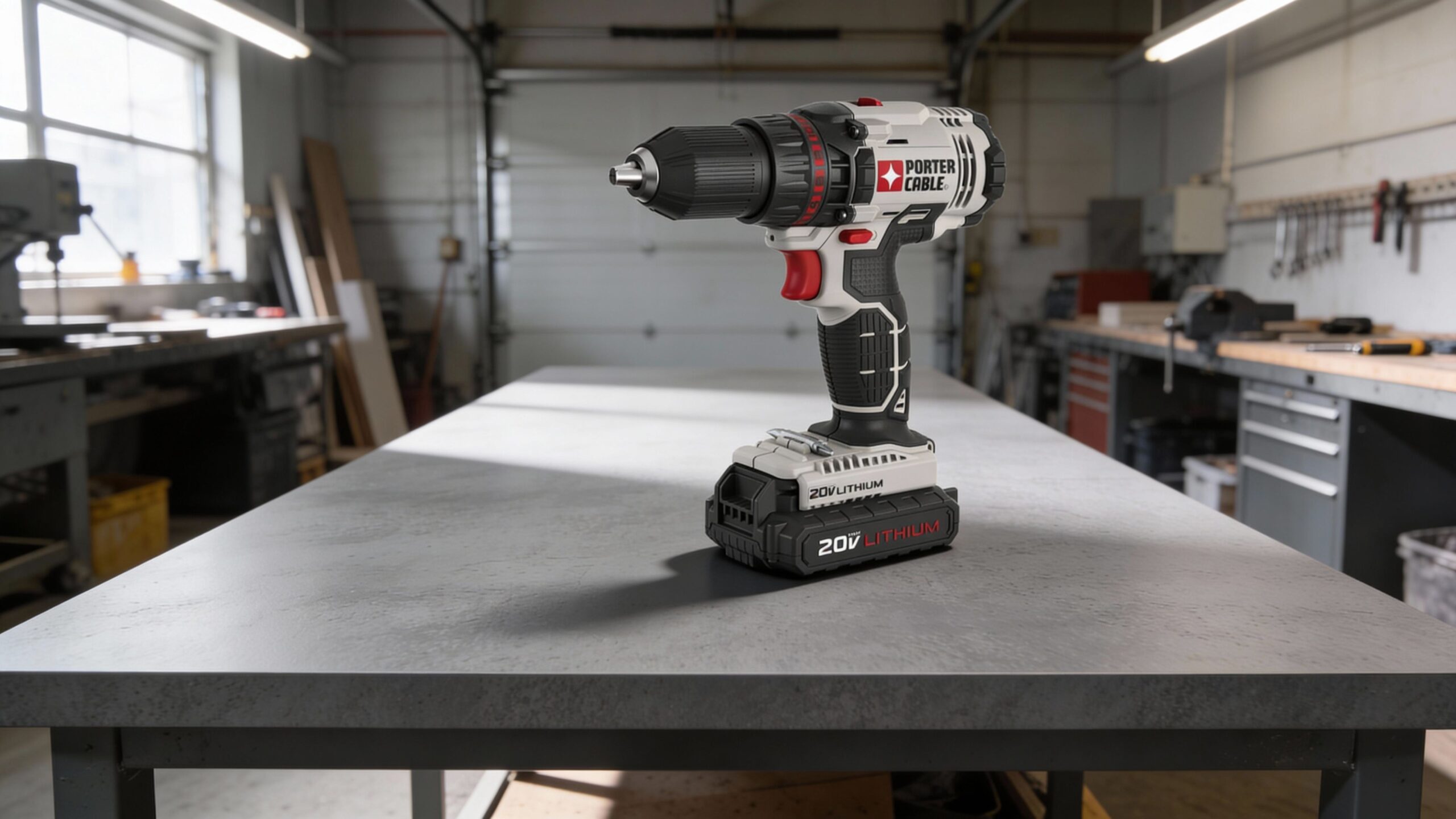
Porter Cable 20V Max PCC601LB compact cordless drill driver kit
#8 Best Simple Compact Kit Score: 8.2 / 10

Porter Cable 20V Max PCC601LB

Compact and approachable for everyday household work, especially when you want something lighter than full-size pro drills. It’s a no-nonsense kit that handles common drilling and driving without a steep learning curve.

Size: Compact Ease: Very Easy Battery: 20V Max Best For: Home Basics

Pros

  • Light, straightforward, and easy to control
  • Good for common drilling and fastening needs
  • Often priced well in starter bundles

Cons

  • Less torque headroom for demanding drilling
  • Not as refined as higher-tier brands
  • Accessory and kit quality varies by package

Best For

  • Apartment kits and light maintenance
  • Furniture builds and shelving
  • Users who want a compact starter drill
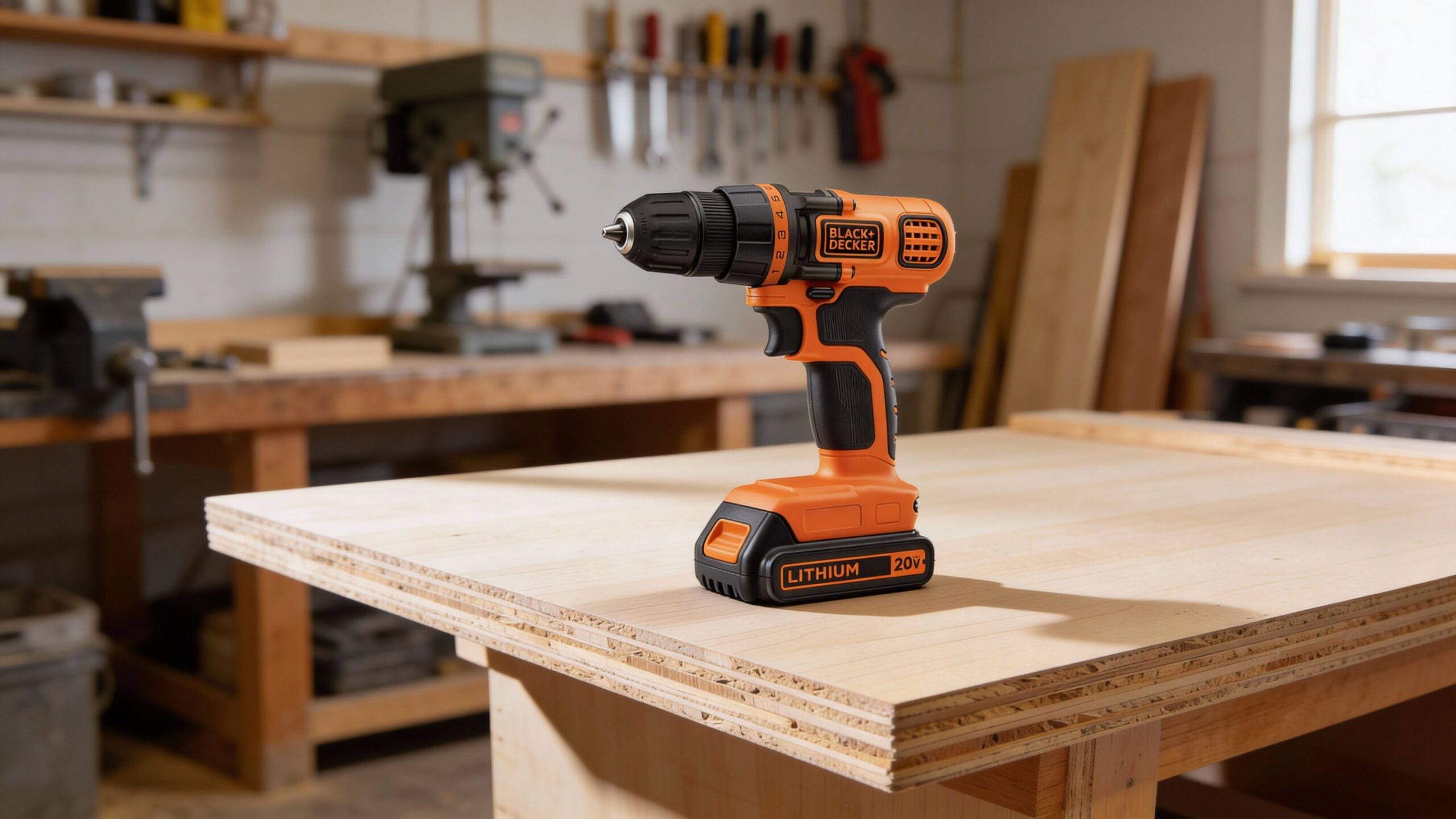
Black and Decker 20V Max LDX120C cordless drill driver kit
#9 Best for Occasional Use Score: 8.0 / 10

Black and Decker 20V Max LDX120C

A simple, lightweight drill that’s perfect for quick fixes, assembly, and small tasks around the home. It’s an ideal “first cordless drill” when you want easy operation and a low cost of entry.

Weight: Light Use: Simple Battery: 20V Max Best For: Quick Repairs

Pros

  • Very approachable for beginners
  • Lightweight for overhead or one-handed tasks
  • Great for assembly and basic household work

Cons

  • Not built for heavy drilling or repeated hard use
  • Less refined control than higher-tier drills
  • Limited headroom for larger fasteners

Best For

  • Furniture assembly and wall decor installs
  • Small repairs and light maintenance
  • Budget-first shoppers who drill occasionally
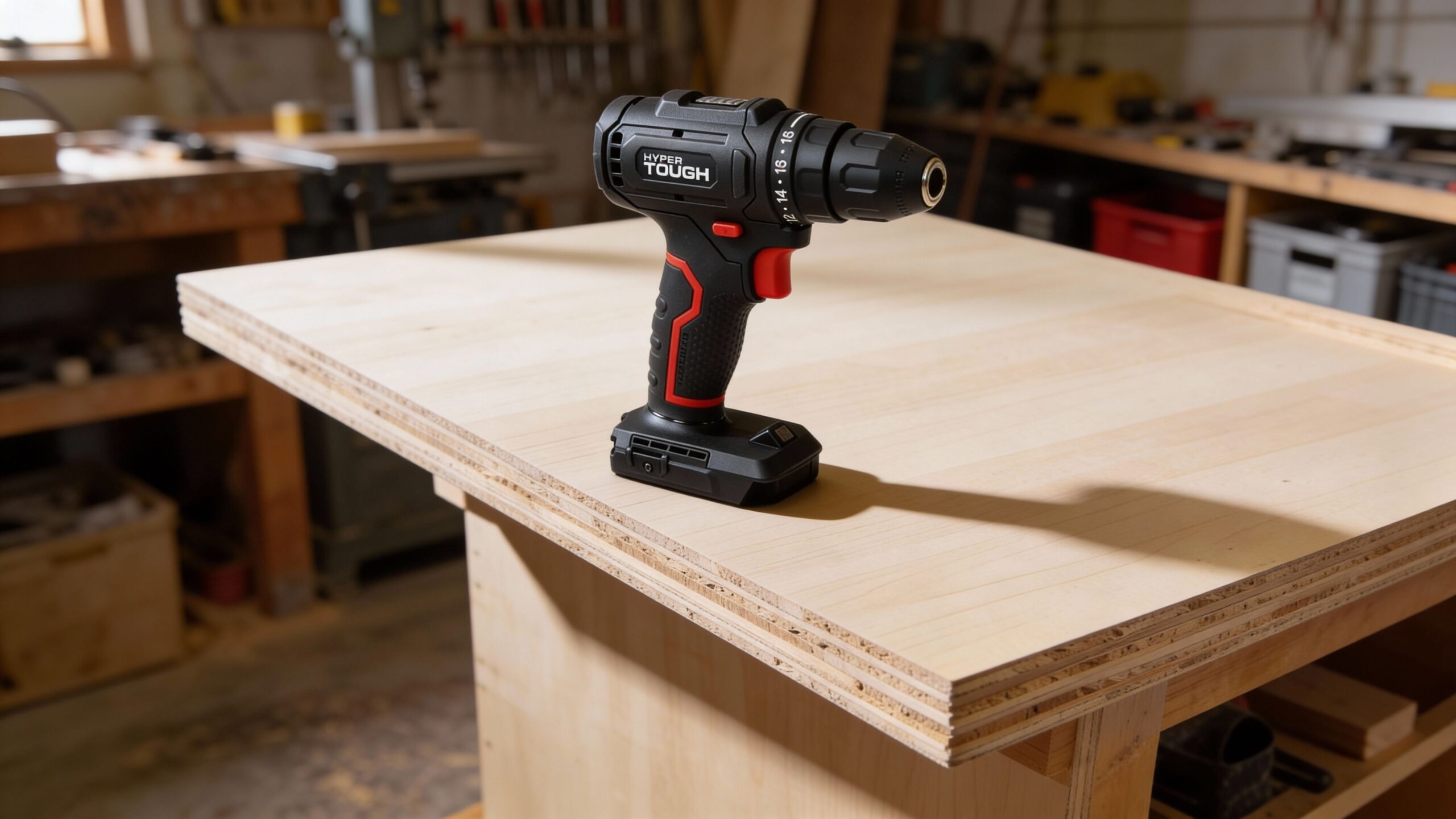
Hyper Tough 20V Max AQ76027G cordless drill driver kit
#10 Lowest Cost Starter Score: 7.8 / 10

Hyper Tough 20V Max AQ76027G

A true entry-level option for basic tasks like assembly, small pilots, and light fastening. If you need a drill for occasional use and want the lowest price without going corded, it gets the job done.

Budget: Lowest Use: Basic Battery: 20V Max Best For: Light Duty

Pros

  • Very low entry cost for a cordless kit
  • Simple operation for occasional tasks
  • Good for small household projects

Cons

  • Limited torque and control under heavier load
  • Not designed for frequent use or hard materials
  • Battery platform is more limited than major brands

Best For

    F
  • Emergency household drill kit
  • Small pilots and light fastening
  • Occasional assembly and quick fixes

Methodology

How We Tested

Our rankings combine hands-on usability checks, comparative performance benchmarks, and broad owner feedback—organized into a consistent scoring model focused on real household and DIY needs under $150.

Our Testing Framework

For budget cordless drills, we focus on the work most people actually do—drilling clean holes, driving fasteners without stripping, and finishing a project without hand fatigue. We evaluate each drill in comparable scenarios across wood, drywall, and common household materials to understand power delivery, control, and consistency.

  • Drilling performance in typical home materials and bit sizes
  • Driving control: trigger feel, clutch accuracy, and reduced cam-out/stripping
  • Handling and ergonomics: balance, grip comfort, and overhead usability
  • Build quality signals: chuck feel, wobble, and overall fit-and-finish
  • Battery and charging practicality for real projects, not lab-perfect conditions
  • Value at the under-$150 tier, including kit completeness and long-term usefulness
Data Sources We Use

Our analysis blends independent viewpoints so no single review, brand claim, or retailer listing can dominate the outcome. We cross-check performance impressions, known platform strengths, and owner-reported reliability to understand how these drills hold up in everyday use.

  • Independent expert reviews that cover drilling/fastening behavior and usability
  • Large-scale user feedback, including long-term owner reports and repeat complaints
  • Manufacturer specifications (speed ranges, clutch settings, included kit contents)
  • Battery platform depth and accessory availability for each ecosystem
  • Known reliability patterns across common models and product generations
  • Pricing and bundle consistency across major retailers to assess true value under $150
How We Score & Rank Products

Each drill is scored on a 10-point scale using a weighted, comparative rubric. Rankings reflect how well a tool performs against others in the same under-$150 category, with emphasis on real results, comfort, and overall ownership value—not marketing language.

  • Performance & results: drilling speed, driving strength, and consistency under load
  • Build quality & reliability: chuck security, durability signals, and owner-reported issues
  • Ease of use & ergonomics: balance, grip comfort, and fatigue over typical sessions
  • Features & execution: clutch usability, work light effectiveness, and control refinements
  • Value: what you get for the price, including kit completeness and everyday usefulness
  • Support & ecosystem: battery availability, platform breadth, and practical upgrade paths
What We Don’t Do

To keep this list consumer-first and trustworthy:

  • We don’t accept paid placements, sponsored rankings, or “buying guide” fees
  • We don’t score products based on affiliate payout rates or retailer incentives
  • We don’t copy brand claims as performance conclusions without verification
  • We don’t hide tradeoffs—budget tools can be great, but limits are clearly stated
  • We don’t force ties or inflate scores to create artificial winners
How Often Rankings Are Updated

We review this Top 10 routinely and update it when meaningful changes occur—new drill releases in the budget tier, major price shifts that move a kit above or below $150, or emerging reliability trends in long-term owner feedback.

When we revise rankings, we re-run comparisons within the category so the list stays current, fair, and useful for buyers making a decision today.

Side-by-Side Comparisons

Quickly narrow your shortlist. Use this first, then jump to full reviews for your finalists.

# Model Best For Platform Weight Power Feel Why It Won
1 DeWalt 20V Max DCD771C2 Best Overall Under 150 Most households 20V MAX Medium Strong Reliable all-around kit value
2 Ryobi 18V One Plus P215K Best Value Platform Budget tool growth ONE+ 18V Medium Moderate Ecosystem depth for the price
3 Skil PWRCore 20 Brushless DL5290 Best Features for the Money Bigger DIY projects PWRCore 20 Medium Strong Brushless feel on a budget
4 Bosch 12V Max GSR12V-300 Best for Tight Spaces Cabinets and indoor work 12V Max Very light Light-Moderate Compact control in cramped areas
5 Makita 18V LXT XFD131 Best Ergonomics Long project sessions 18V LXT Medium Moderate Comfortable balance and control
6 Kobalt 24V Max KDD 124B-03 Best Power for the Price Tougher homeowner jobs 24V Max Med-Heavy Strong Extra headroom for demanding tasks
7 Craftsman V20 CMCD700C1 Best Starter Ecosystem First cordless kit V20 Medium Moderate Simple learning curve with deals
8 Porter Cable 20V Max PCC601LB Best Simple Compact Kit Home basics 20V Max Light-Med Moderate Compact, straightforward everyday use
9 Black and Decker 20V Max LDX120C Best for Occasional Use Quick repairs 20V Max Light Light-Moderate Lightweight and beginner-friendly
10 Hyper Tough 20V Max AQ76027G Lowest Cost Starter Light-duty basics 20V Max Light Light Lowest buy-in for cordless

#1 — DeWalt 20V Max DCD771C2

Best Overall Under 150
Best For
Most households
Platform
20V MAX
Weight
Medium
Power Feel
Strong
Why it wonReliable all-around kit value

#2 — Ryobi 18V One Plus P215K

Best Value Platform
Best For
Budget tool growth
Platform
ONE+ 18V
Weight
Medium
Power Feel
Moderate
Why it wonEcosystem depth for the price

#3 — Skil PWRCore 20 Brushless DL5290

Best Features for the Money
Best For
Bigger DIY projects
Platform
PWRCore 20
Weight
Medium
Power Feel
Strong
Why it wonBrushless feel on a budget

#4 — Bosch 12V Max GSR12V-300

Best for Tight Spaces
Best For
Cabinets and indoor work
Platform
12V Max
Weight
Very light
Power Feel
Light-Moderate
Why it wonCompact control in cramped areas

#5 — Makita 18V LXT XFD131

Best Ergonomics
Best For
Long project sessions
Platform
18V LXT
Weight
Medium
Power Feel
Moderate
Why it wonComfortable balance and control

#6 — Kobalt 24V Max KDD 124B-03

Best Power for the Price
Best For
Tougher homeowner jobs
Platform
24V Max
Weight
Med-Heavy
Power Feel
Strong
Why it wonExtra headroom for demanding tasks

#7 — Craftsman V20 CMCD700C1

Best Starter Ecosystem
Best For
First cordless kit
Platform
V20
Weight
Medium
Power Feel
Moderate
Why it wonSimple learning curve with deals

#8 — Porter Cable 20V Max PCC601LB

Best Simple Compact Kit
Best For
Home basics
Platform
20V Max
Weight
Light-Med
Power Feel
Moderate
Why it wonCompact, straightforward everyday use

#9 — Black and Decker 20V Max LDX120C

Best for Occasional Use
Best For
Quick repairs
Platform
20V Max
Weight
Light
Power Feel
Light-Moderate
Why it wonLightweight and beginner-friendly

#10 — Hyper Tough 20V Max AQ76027G

Lowest Cost Starter
Best For
Light-duty basics
Platform
20V Max
Weight
Light
Power Feel
Light
Why it wonLowest buy-in for cordless

FAQ: Budget Cordless Drills Under 150 (Buying + Real-World Use)

Practical answers for choosing a drill that fits your projects and your budget. Expand a question to get clear tradeoffs and smart shortcuts.

In-Depth Reviews: What These Drills Are Really Like to Use

These full reviews are the deeper dive behind the Top 10 cards. These full reviews expand on the Top 10 cards with the deeper “why” behind each pick. This is the “beyond the spec sheet” part of our Top 10. We focus on real project behavior: trigger control, clutch consistency, balance, fatigue over time, and the small design details that decide whether a drill feels trustworthy or frustrating once you actually start building.

60-second take Real-use breakdown Who it’s for (and not for)
#1 Best Overall Score: 9.2 / 10

DeWalt 20V Max DCD771C2

The most balanced “one drill for most households” choice in this price range. It feels steady in the hand, starts holes predictably, and stays composed across mixed DIY tasks.

Compare Specs

What It’s Great At

  • All-around control: predictable starts and clean finishes on common home projects.
  • Everyday versatility: comfortable across drilling, driving, and repeated fasteners.
  • “Trustworthy” feel: less twitchy than many budget kits in real use.

Watch-Outs

  • Not a compact specialist: bigger bodies can be annoying in tight cabinetry.
  • Battery choice matters: bigger packs can add fatigue for overhead work.
  • Heavy drilling lane: tougher jobs may justify a higher-headroom pick.

Ideal Buyer

  • Homeowners: want one drill that covers typical repairs and builds.
  • Weekend DIY: shelves, furniture, light framing, and general maintenance.
  • Practical shoppers: value consistent behavior over flashy claims.
The Real-World Verdict

This is the drill that feels “right” the most often. It behaves predictably when you’re juggling materials, angles, and fastener types—so you spend less time correcting mistakes and more time finishing the project. The power is solid, but the bigger advantage is consistency: clean starts, usable clutch behavior, and a stable feel that makes everyday DIY less frustrating.

Trigger Control & Clutch Consistency

For most buyers, the “quality” of a drill shows up at low speed. This one gives you better control on starts and stops, which helps when you’re driving fasteners into mixed materials or working near finished surfaces.

  • Best use: furniture, fixtures, hardware installs, and general fastening.
  • Why it matters: fewer stripped screws and less slipping when you’re tired.
Balance & Fatigue Over Time

It feels stable without being awkward. That balance helps for long “run of screws” tasks and reduces the small wrist fatigue that makes accuracy drop late in a project.

  • Feels best: with a battery that matches the job (smaller for detail, larger for heavy runs).
  • Tip: for tight cabinetry, pair with a compact drill later if needed.
Who Should Skip
  • Skip it if: your priority is the smallest possible body for cramped spaces.
  • Skip it if: you only do rare, light tasks and want the lowest-cost kit.
#2 Best Value Score: 9.0 / 10

Ryobi 18V One Plus P215K

The value pick for people who want a capable drill now and a budget-friendly platform later. It’s practical, approachable, and strong enough for most homeowner projects.

Compare Specs

What It’s Great At

  • Platform value: easy to grow into more tools without premium pricing pressure.
  • Everyday DIY: handles typical drilling and driving without drama.
  • Beginner friendly: forgiving feel for learning clutch and trigger control.

Watch-Outs

  • Heavy use: not the most “jobsite tough” option for daily abuse.
  • Kit variability: bundles and included batteries can change the value a lot.
  • Max headroom: the top pick feels more “locked in” on demanding tasks.

Ideal Buyer

  • Homeowners: want strong performance per dollar for common tasks.
  • New tool builders: plan to add tools over time in one battery family.
  • Occasional-to-regular DIY: prefer a practical, low-stress pick.
The Real-World Verdict

Ryobi’s “Best Value” win is about the whole ownership experience. The drill is capable where most people live—repairs, furniture, shelves, light builds—and it doesn’t punish you if you decide you want a sander, trimmer, or more tools later. It’s a smart buy when you want solid performance now and a flexible, budget-friendly ecosystem for the future.

Real-Use Performance: Typical Home Materials

In everyday drilling and driving, it feels capable and predictable—especially for homeowner-grade fasteners and routine holes. It’s not the most aggressive “power feel” in the list, but it stays consistent when you keep tasks in the typical DIY lane.

  • Best use: repairs, assembly, shelving, light construction.
  • Good to know: battery quality can noticeably improve the feel.
Platform & Kit Value: Why It’s #2

Value isn’t just the price tag—it's how expensive it feels to keep going. If you expect to expand beyond one drill, Ryobi tends to keep the path forward practical. That’s why it ranks above some drills that may feel slightly stronger in a single-task snapshot.

  • Best for: buyers who want a long-term, budget-conscious tool shelf.
  • Tip: compare kit contents carefully before deciding.
Who Should Skip
  • Skip it if: you want the most “jobsite rugged” feel for daily hard use.
  • Skip it if: you mainly do heavy drilling and want maximum headroom.
#3 Best Brushless Value Score: 8.8 / 10

Skil PWRCore 20 Brushless DL5290

A strong “step-up” feel without jumping into premium pricing. Brushless behavior shows up in steadier driving, smoother load handling, and less frustration on bigger DIY days.

Compare Specs

What It’s Great At

  • Brushless consistency: steadier feel when projects get stubborn.
  • DIY headroom: more confident than many entry-level brushed kits.
  • Practical value: a good “upgrade without overbuying” lane.

Watch-Outs

  • Ecosystem depth: not as broad as the biggest mainstream platforms.
  • Kit differences: included batteries/charger can change the experience.
  • Finish precision: top picks feel more refined at very low speed.

Ideal Buyer

  • Regular DIYers: want better load feel than an entry kit offers.
  • Budget upgraders: stepping up from a basic household drill.
  • Project builders: furniture, sheds, and weekend build sessions.
The Real-World Verdict

This is the “brushless without the premium” pick. The difference shows up when you’re doing a lot of driving or you hit a denser board than expected: it feels steadier, less bog-prone, and more willing to keep going. It’s not the most refined drill in the list, but it’s a meaningful upgrade from basic kits for people who actually build things regularly.

Load Handling & Power Feel

Where basic drills can feel jumpy or stall-prone when you lean in, this one stays more composed. That “keeps its posture” feeling matters when you’re drilling repeatedly or driving longer fasteners.

  • Best use: repeated driving, mixed-material DIY, moderate drilling.
  • Good to know: it’s strongest when you treat it like a serious DIY tool, not a toy.
Control & Ergonomics

The control is solid for the category. It’s not as “surgically smooth” as the very best picks at tiny speeds, but it’s comfortable enough to keep accuracy high over long runs of screws.

  • Best for: DIYers who want a confident tool that still feels manageable.
  • Tip: if your work is mostly delicate finish installs, prioritize the most refined low-speed pick.
Who Should Skip
  • Skip it if: you want the deepest mainstream ecosystem for lots of future tools.
  • Skip it if: your work is mostly ultra-light tasks where a smaller 12V option feels better.
#4 Best Compact Score: 8.7 / 10

Bosch 12V Max GSR12V-300

The compact control pick for tight indoor work. If you care more about low fatigue, easy handling, and clean precision than maximum drilling headroom, 12V is a great lane.

Compare Specs

What It’s Great At

  • Tight spaces: cabinets, closets, and awkward angles feel less annoying.
  • Low fatigue: easier on wrists/shoulders over long indoor sessions.
  • Precision work: more “fine control” for small fasteners and clean starts.

Watch-Outs

  • Headroom limits: not the best choice for heavier drilling or outdoor builds.
  • Not one-drill for all: often best as a primary indoor drill or a second drill.
  • Power feel: 18V/20V options feel more confident on hard tasks.

Ideal Buyer

  • Indoor DIY: furniture assembly, fixtures, shelves, small repairs.
  • Small-space living: want a tool that’s easy to store and grab.
  • Control-first users: prioritize accuracy over brute force.
The Real-World Verdict

“Best Compact” isn’t about being weak—it’s about being the drill you actually want to use for indoor jobs. The lighter weight and smaller body improve accuracy and reduce fatigue, which often leads to better results in real life. If most of your work is assembly, fixtures, and household repairs, this can feel like the most pleasant drill in the list.

Control in Tight Spaces

The “compact advantage” is real when you’re working inside cabinets, behind appliances, or in cramped corners. You can keep the tool square, start cleanly, and avoid the awkward wrist angles that turn simple jobs into messy ones.

  • Best use: cabinet hardware, small pilots, light driving, fixture installs.
  • Bonus: less fatigue often means fewer slipped bits and scratches.
Expectations: Where 12V Tops Out

12V drills can struggle sooner on heavier drilling and long, stubborn fasteners. If your projects are trending toward outdoor builds, thicker materials, or frequent heavy drilling, you’ll be happier moving up to an 18V/20V platform.

  • Best role: primary indoor drill, or a second drill next to an 18V/20V.
  • Tip: buy the tool that matches your typical job, not your rarest one.
Who Should Skip
  • Skip it if: you want one drill for heavier outdoor builds and frequent hard drilling.
  • Skip it if: “strong power feel” is the main thing you care about.
#5 Comfort + Control Score: 8.6 / 10

Makita 18V LXT XFD131

A comfort-forward drill that feels smooth and deliberate. It’s the pick for people who care about clean control, balanced handling, and less fatigue across longer projects.

Compare Specs

What It’s Great At

  • Long-session comfort: balance that helps accuracy stay high late in the day.
  • Controlled driving: feels steady for hardware and finish-adjacent work.
  • 18V platform: strong ecosystem for people expanding beyond one tool.

Watch-Outs

  • Value depends on kit: pricing varies a lot by bundle.
  • Not the most aggressive feel: some picks feel stronger on hard drilling.
  • Best with intent: shines most for frequent users, not rare one-off jobs.

Ideal Buyer

  • Remodel/maintenance DIY: many small tasks over long sessions.
  • Control-first users: prioritize clean results over max punch.
  • Platform owners: already invested in Makita 18V LXT.
The Real-World Verdict

This pick is about how it feels after the first 30 minutes—not the first 30 seconds. The grip and balance help you keep the tool steady, which improves accuracy and reduces the “wrist fight” that can make drilling sloppy. It’s a great match for people doing lots of installs, repeated fasteners, and mixed tasks where control matters as much as speed.

Ergonomics & Fatigue Management

Comfort is performance when you’re doing an afternoon of drilling and driving. A drill that stays balanced and easy to hold helps you stay square on holes and keep consistent screw depth without constantly correcting.

  • Best use: long sessions, repeated installs, projects with lots of fasteners.
  • Bonus: steadier hand feel can reduce slips on finished surfaces.
Control on Finish-Adjacent Work

If your projects involve cabinets, fixtures, and visible hardware, this kind of control-first drill can feel like a safer choice. It encourages deliberate starts and smooth driving instead of “jumping” into a screw and chewing the head.

  • Best for: hardware, fixtures, shelving, and furniture builds.
  • Good to know: the top picks may feel stronger on heavy drilling, but not necessarily “cleaner.”
Who Should Skip
  • Skip it if: you’re shopping strictly for the lowest-cost kit.
  • Skip it if: your main need is the strongest possible feel for hard drilling.
#6 Extra Headroom Score: 8.5 / 10

Kobalt 24V Max KDD 124B-03

A good pick when you want a more confident “push through it” feel on tougher DIY tasks. The trade is that it can feel more substantial than lighter household-friendly options.

Compare Specs

What It’s Great At

  • Stronger feel: more confidence when tasks get harder than expected.
  • Outdoor DIY: useful for heavier “weekend build” type work.
  • Steady drilling: less hesitant in thicker material than lighter lanes.

Watch-Outs

  • Weight/burden: can feel heavier over long sessions or overhead.
  • Not the most refined: top picks feel smoother at very low speed.
  • Platform choice: make sure the ecosystem fits your future plans.

Ideal Buyer

  • DIY builders: occasional tougher drilling and heavier fastening.
  • Headroom seekers: want a drill that feels less “on the edge.”
  • Practical owners: want confident performance without going premium.
The Real-World Verdict

This is a sensible “extra headroom” pick for people whose projects occasionally drift into heavier territory. It tends to feel more confident when you lean into the work, which can mean fewer stalls and fewer “I should have bought more drill” moments. The trade-off is livability—lighter drills can feel nicer for small indoor tasks and long overhead sessions.

Power Feel vs. Control

The “stronger feel” is helpful when you’re drilling in thicker stock or driving longer fasteners. For delicate work near finished surfaces, the most refined low-speed drills can still feel easier to manage.

  • Best use: tougher DIY jobs where confidence matters more than finesse.
  • Tip: if most tasks are light indoor work, a lighter lane can be more pleasant.
Fatigue & Handling Considerations

More headroom often comes with more burden. If your projects involve long sessions, repeated overhead drilling, or lots of cabinet work, pay attention to how the tool feels after the first 15 minutes—not just the first hole.

  • Best for: sturdy projects and heavier drilling intervals.
  • Less ideal for: tight spaces and long overhead runs.
Who Should Skip
  • Skip it if: your work is mostly light indoor tasks where a lighter drill feels better.
  • Skip it if: you care most about refined low-speed control for finish work.
#7 Starter Platform Score: 8.4 / 10

Craftsman V20 CMCD700C1

A straightforward drill for routine household work. It’s a good “first cordless drill” choice when you want simple operation and sensible performance without chasing premium features.

Compare Specs

What It’s Great At

  • Simple operation: easy to pick up and get clean results quickly.
  • Everyday tasks: repairs, fixtures, furniture, and light drilling.
  • Budget-friendly entry: practical starter choice for many households.

Watch-Outs

  • Heavy drilling lane: not the best for frequent demanding work.
  • Refinement: top picks feel more composed at low speed and under load.
  • Upgrade pressure: frequent DIYers may outgrow it sooner.

Ideal Buyer

  • First-time buyers: want a solid starter drill for home ownership tasks.
  • Occasional DIY: projects that are frequent enough to justify a kit, but not daily.
  • Practical shoppers: want dependable basics over premium polish.
The Real-World Verdict

This is a “solid basics” drill that fits real home life. It’s not trying to be a pro tool, but it delivers enough control and capability for routine repairs and common DIY. If you keep expectations in the homeowner lane, it feels practical and easy to live with.

Best Use Cases: Where It Feels Like a Win

It’s most satisfying when the job is “normal homeowner work”: assembling, hanging, fixing, and drilling modest holes. In that world, the drill feels easy and predictable rather than overcomplicated.

  • Best use: fixtures, shelving, furniture, and routine repairs.
  • Tip: if you’re doing heavy drilling often, move up the list for more headroom.
Control & Reliability Expectations

Compared with the top picks, it may feel less refined at very low speed and less confident when you lean into hard drilling. That doesn’t make it “bad”—it just places it firmly in the starter lane rather than the “one drill forever” lane.

  • Best role: homeowner drill for common tasks.
  • Good to know: frequent DIYers may eventually want a step-up pick.
Who Should Skip
  • Skip it if: you want the most refined trigger/clutch feel for finish work.
  • Skip it if: you’re doing frequent heavy drilling or long build sessions.
#8 Reliable Basics Score: 8.2 / 10

Porter Cable 20V Max PCC601LB

A no-nonsense drill that focuses on getting typical jobs done without fuss. It’s a reasonable pick for everyday household work when you want simple, familiar cordless behavior.

Compare Specs

What It’s Great At

  • Everyday usability: predictable for basic drilling and driving.
  • Simple ownership: less complexity, easy for casual DIY.
  • General home tasks: repairs, assembly, and light builds.

Watch-Outs

  • Less refined feel: top-ranked drills feel steadier at low speed.
  • Headroom: can feel limited when tasks get tougher.
  • Platform planning: make sure the ecosystem suits your long-term needs.

Ideal Buyer

  • Casual DIYers: want a straightforward cordless drill for home life.
  • Repair-focused owners: fixtures, assembly, small installs.
  • Budget-conscious shoppers: prioritize basics over premium polish.
The Real-World Verdict

This is a “reliable basics” option: it covers routine drilling and driving and feels familiar in hand. It doesn’t compete with the top picks on refinement or heavy-task confidence, but it can still be a sensible household drill if your projects stay in the light-to-moderate lane.

Control & Precision: What to Expect

For precise, finish-adjacent work, you may notice less “fine” control than the top of the list. It’s still usable—just plan to go slower and let the tool settle before you commit to a fastener or hole.

  • Best use: general repairs, assembly, routine drilling.
  • Tip: if you do a lot of delicate installs, prioritize the most refined low-speed pick.
Where It Fits in a Shortlist

If you want the best overall experience, start higher up the list. If you want “basic cordless drill behavior” and your projects are mostly household maintenance, this can still be a workable fit.

  • Good fit if: most tasks are light-to-moderate and you value simplicity.
  • Less ideal if: you want maximum control, refinement, or heavy-task confidence.
Who Should Skip
  • Skip it if: you want a “one drill forever” option with top-tier refinement.
  • Skip it if: your projects often demand stronger, more confident drilling feel.
#9 Simple Home Tasks Score: 8.0 / 10

Black and Decker 20V Max LDX120C

A practical “keep a drill in the house” kit for occasional use. It’s approachable, simple, and best when your projects are quick repairs and light-duty installs.

Compare Specs

What It’s Great At

  • Beginner friendly: easy to operate for first-time tool owners.
  • Quick jobs: assembly, small repairs, light drilling, basic fastening.
  • Low-stress ownership: simple kit for occasional household needs.

Watch-Outs

  • Control refinement: top picks feel steadier at low speed and on starts.
  • Heavy tasks: can feel strained on tougher drilling and long fasteners.
  • Upgrade ceiling: frequent DIYers may outgrow it quickly.

Ideal Buyer

  • Occasional users: need a drill for basic household upkeep.
  • Apartment/condo living: prefer simple storage and light use.
  • Budget-first shoppers: prioritize “good enough” for light tasks.
The Real-World Verdict

This kit fits the “simple home tasks” lane: it’s there when you need it, it’s easy to understand, and it won’t feel like overkill for occasional repairs. When projects get heavier or more frequent, you’ll notice the limits sooner than you would with the higher-ranked picks—but for light use, it’s a functional household helper.

Best Use: The Light-Duty Sweet Spot

It performs best when tasks are short and straightforward: assembly, small installs, light drilling, and occasional fastening. That’s where the simplicity feels like an advantage instead of a limitation.

  • Best use: furniture assembly, small anchors, light repairs and installs.
  • Tip: go slower on starts to keep control and avoid slipping.
When to Move Up the List

If your projects are becoming more frequent or heavier—longer screws, tougher materials, bigger builds—you’ll likely appreciate the extra control and confidence of the top half of this list. The jump is less about raw power and more about consistency and reduced frustration.

  • Move up if: you build often, drive many fasteners, or drill tougher materials.
  • Stay here if: your work is occasional and mostly light indoor tasks.
Who Should Skip
  • Skip it if: you want refined control and long-term “tool confidence” for frequent DIY.
  • Skip it if: you routinely do heavier drilling or longer fasteners.
#10 Lowest-Cost Kit Score: 7.8 / 10

Hyper Tough 20V Max AQ76027G

A “minimum spend” kit for very light, occasional tasks. It’s best treated as a basic household backup rather than a drill you expect to power through tougher projects.

Compare Specs

What It’s Great At

  • Lowest buy-in: easy entry for basic household needs.
  • Very light tasks: simple assembly, small repairs, quick installs.
  • Backup role: handy “around the house” tool for rare use.

Watch-Outs

  • Limited refinement: control and consistency are not on par with higher picks.
  • Heavy jobs: can feel strained quickly on tougher drilling/fastening.
  • Longevity expectations: best if you keep demands light and infrequent.

Ideal Buyer

  • Rare DIY: need a drill for occasional “must-do” tasks.
  • Budget constraint: prioritizing entry cost over long-term performance.
  • Secondary tool: a backup drill for quick, light household fixes.
The Real-World Verdict

This is the “lowest-cost kit” option, and it behaves like one. It can handle small, light household tasks when used patiently and within its comfort zone. Where it falls behind the rest of the list is consistency—especially in low-speed control and tougher drilling—so it’s best for rare, simple use rather than frequent DIY or demanding builds.

Best Use Cases: Keep It Simple

This is the drill for “I need to fix this once” moments: assembling, hanging light items, and basic repairs. If you keep jobs short and light, it can be a functional stopgap.

  • Best use: light assembly, small repairs, quick household installs.
  • Tip: go slow on starts and let the tool do the work—don’t force it.
When It Stops Being the Right Tool

If you find yourself doing repeated projects, driving longer fasteners, or drilling tougher materials, moving up this list will feel like a relief. The improvement is mostly in control, consistency, and reduced frustration—not just raw strength.

  • Move up if: you do DIY regularly or want more predictable control.
  • Stay here if: you truly need a very occasional, light-duty drill.
Who Should Skip
  • Skip it if: you want a drill that feels confident and consistent across varied projects.
  • Skip it if: you plan to build frequently—start higher on the list for better control and durability.

Key Takeaways

  • Best Overall Under $150: DeWalt 20V Max DCD771C2 is the safest one-kit pick for most home projects with dependable power and smooth control.
  • Best Value Platform: Ryobi 18V One Plus P215K is the smart budget ecosystem if you plan to add more DIY tools over time.
  • Best Special Use Case: Kobalt 24V Max KDD 124B-03 is the “budget muscle” option when you expect tougher materials and larger fasteners.
  • Most Compact & Easy: Bosch 12V Max GSR12V-300 is the lightweight choice for cabinets, assembly, and quick indoor fixes without fatigue.
  • Ownership Cost Matters: Batteries, chargers, and tool lineup drive long-term value, so pick the platform you’ll stick with beyond this first kit.
  • Rule of Thumb: For most buyers, choose the best all-around kit deal from a platform you can grow into, then add a compact 12V drill only if you need tight-space convenience.

Top Picks

Tap a pick to jump to the full review, or compare specs.

Best Overall DeWalt 20V Max DCD771C2 →

Best Compact Bosch 12V Max GSR12V-300 →

Best Value Ryobi 18V One Plus P215K →

Jump to Comparison

Where to Buy

We prioritize reputable sellers, easy returns, and reliable availability.

Price checks happen regularly. Some links may earn a commission—never affects rankings.

Accessories You’ll Want

  • Drill/driver bit set (Phillips, Torx, square, plus duplicates of your most-used sizes)
  • Multi-material drill bit set (wood + metal bits for pilot holes, mounting, and everyday repairs)
  • Extra battery pack (a compact battery for balance and a higher-capacity battery for longer projects)
  • Magnetic bit holder (helps control screws and reduces drops when working overhead or one-handed)
  • Basic countersink set (for cleaner screw seating in wood projects and quick home builds)

Tip: On budget drills, the best upgrade is usually a better battery and sharp bits—both improve performance more than chasing a little extra torque.