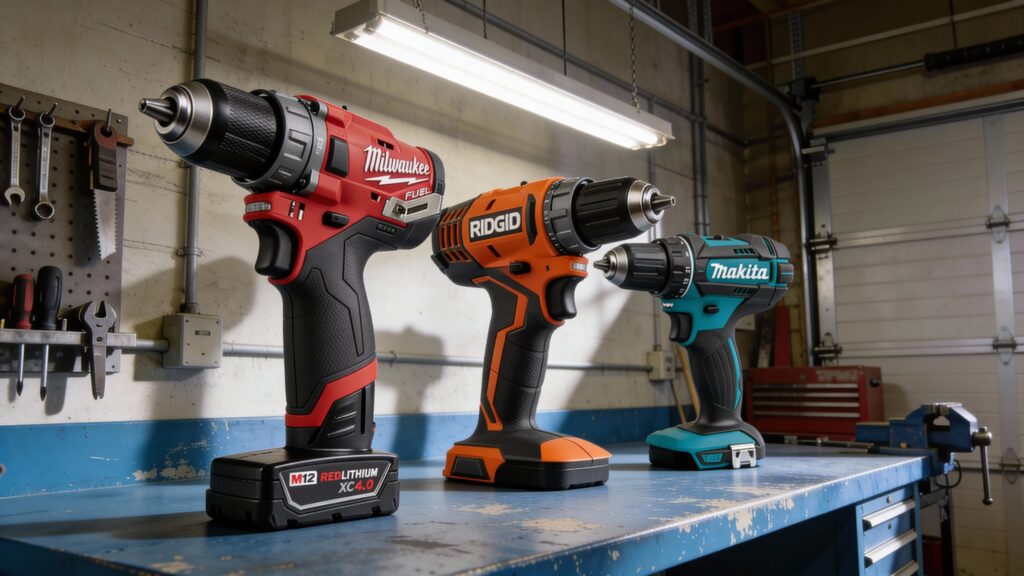
Best Compact Cordless Drills for Tight Spaces (Top 10 Picks)

Our fastest shortcut to the right drill: the best picks across price tiers and battery platforms, plus what actually matters for torque, ergonomics, runtime, and real-world jobs.

By: Review Streets Research Lab
Updated: March 27, 2026
Approx. 10–12 min read
Best Compact Cordless Drills — Top 10 Lightweight Picks for Tight Spaces

Best Compact Cordless Drills — Top 10 Lightweight Picks for Tight Spaces

Our editorial picks ranked by real-world control, compact handling, everyday drilling power, and long-term platform value. Tap any image to expand, or jump to full reviews for deeper specs.

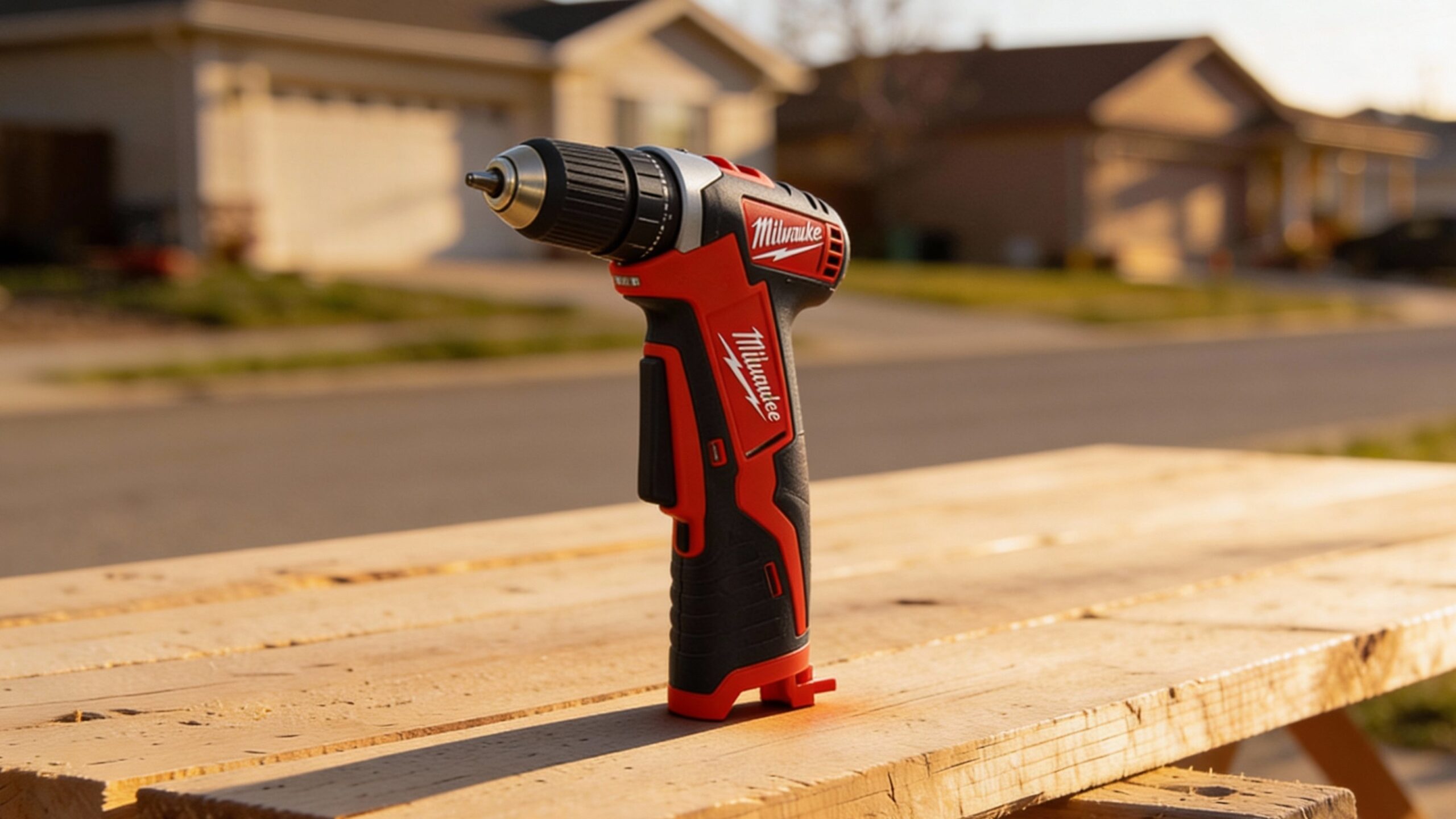
Milwaukee M12 FUEL compact cordless drill driver
#1 Best Overall Score: 9.6 / 10

Milwaukee M12 FUEL

A compact powerhouse that keeps its composure in tight framing bays and overhead work. It delivers impressive bite for its size, with smooth trigger control that makes small pilot holes and precise driving feel effortless.

Handling: Ultra-Compact Control: Excellent Battery: M12 System Best For: Tight Spaces

Pros

  • Compact body helps you work comfortably in studs, cabinets, and corners
  • Strong real-world bite for its class with steady, predictable drive
  • Excellent platform support with a deep lineup of compact tools

Cons

  • Not the first choice for constant large hole-saw or auger use
  • Smaller batteries can limit runtime on heavier tasks
  • Premium kits can cost more than value-focused 18V options

Best For

  • Closets, under-sink repairs, and cabinet installs
  • DIYers who want serious performance in a small footprint
  • Anyone prioritizing control and comfort over max size
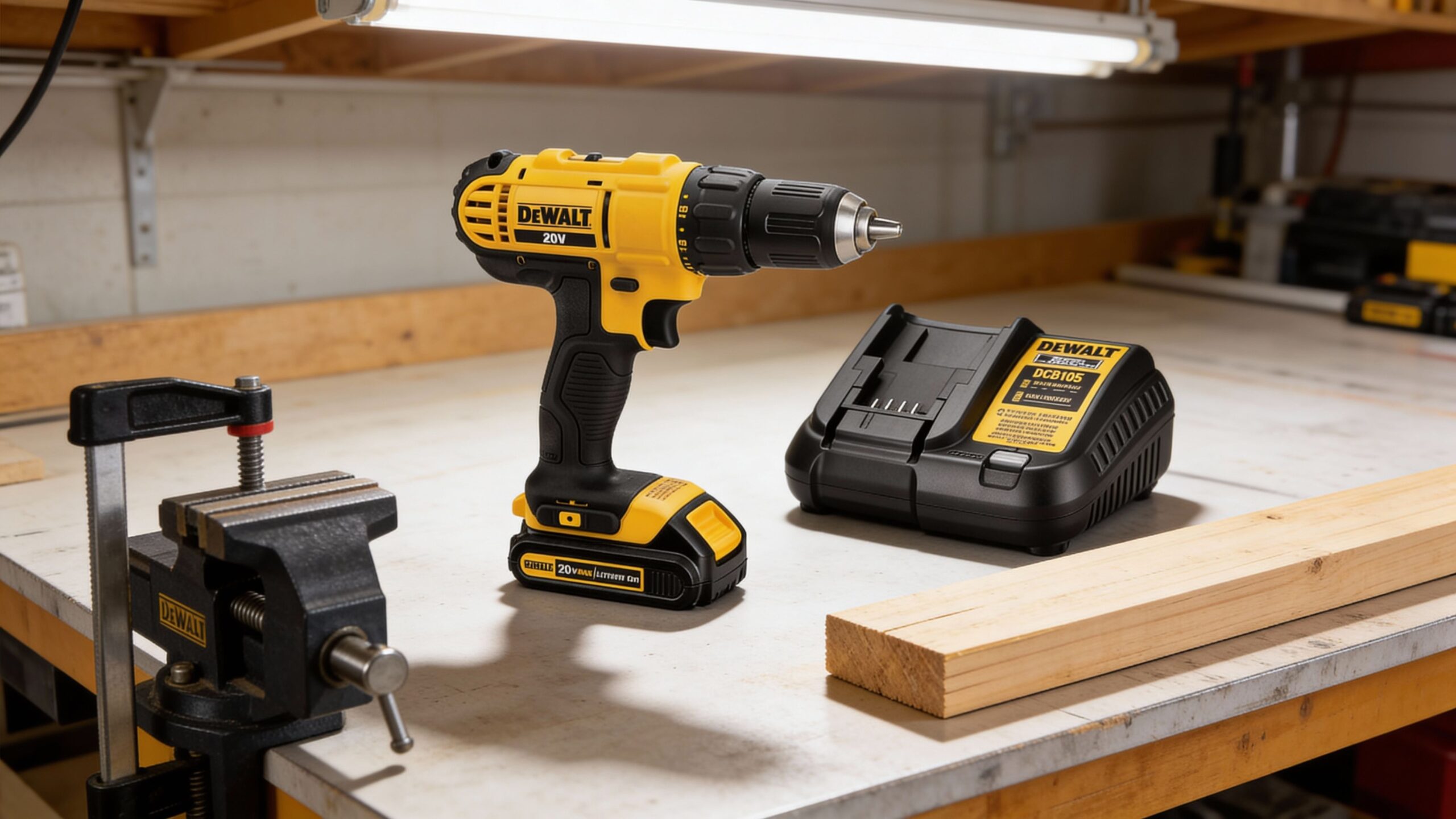
DeWalt 20V Max Atomic compact cordless drill driver
#2 Best for Tight Spaces Score: 9.4 / 10

DeWalt 20V Max Atomic

Built for the cramped jobs that punish full-size drills—think stud bays, cabinet backs, and awkward angles. You get a compact stance with dependable power, plus a massive platform if you expand later.

Size: Very Compact Durability: Excellent Battery: 20V Max Best For: Remodel Work

Pros

  • Short, maneuverable build that shines in confined work areas
  • Strong everyday drilling and driving with reliable consistency
  • Huge tool and battery ecosystem for long-term growth

Cons

  • Top performance improves with higher-capacity batteries
  • Less headroom than larger drills for constant heavy boring
  • Premium kits can climb in price depending on bundle

Best For

  • Cabinet installs, electrical boxes, and stud-bay drilling
  • DIYers who want compact size without giving up platform depth
  • Frequent users who value durability in a small tool
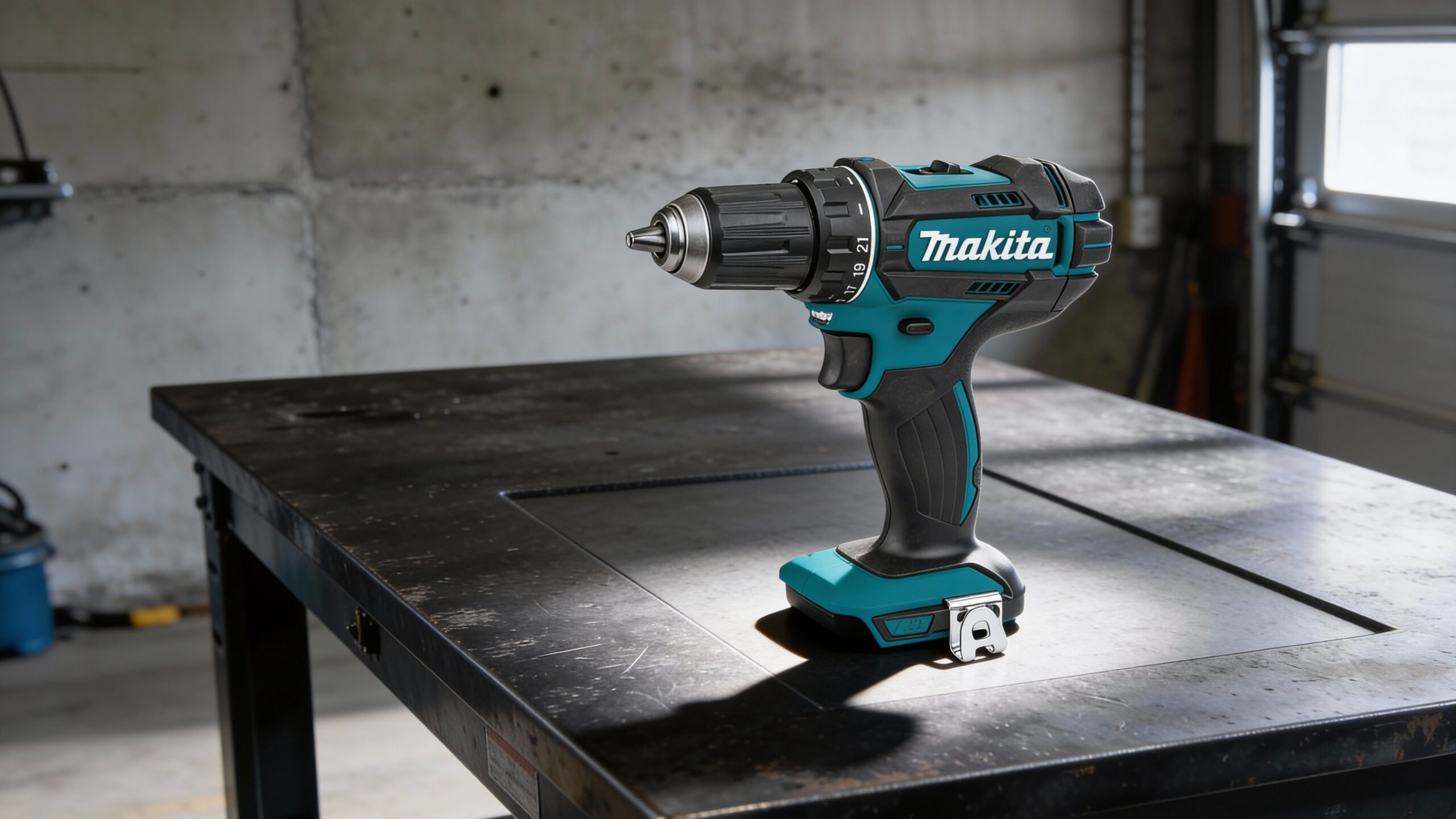
Makita 18V LXT Sub Compact cordless drill driver
#3 Best Balance Score: 9.2 / 10

Makita 18V LXT Sub Compact

The “feels right in the hand” pick for long sessions—light, controlled, and surprisingly capable for its size. If you want compact handling while staying on a pro-friendly 18V platform, this is the sweet spot.

Ergonomics: Excellent Control: High Battery: LXT System Best For: Daily DIY

Pros

  • Outstanding balance that reduces fatigue on overhead and repetitive work
  • Refined feel for controlled fastening and smaller bit sizes
  • Solid platform support if you already own Makita batteries

Cons

  • Not a max-power specialist for constant heavy drilling
  • Best value depends on choosing the right kit configuration
  • Smaller body can mean slightly slower performance on tough materials

Best For

  • Furniture builds, shelving, and renovation punch-list tasks
  • Users who prioritize comfort and predictable control
  • Anyone staying on an 18V platform but wanting a smaller drill
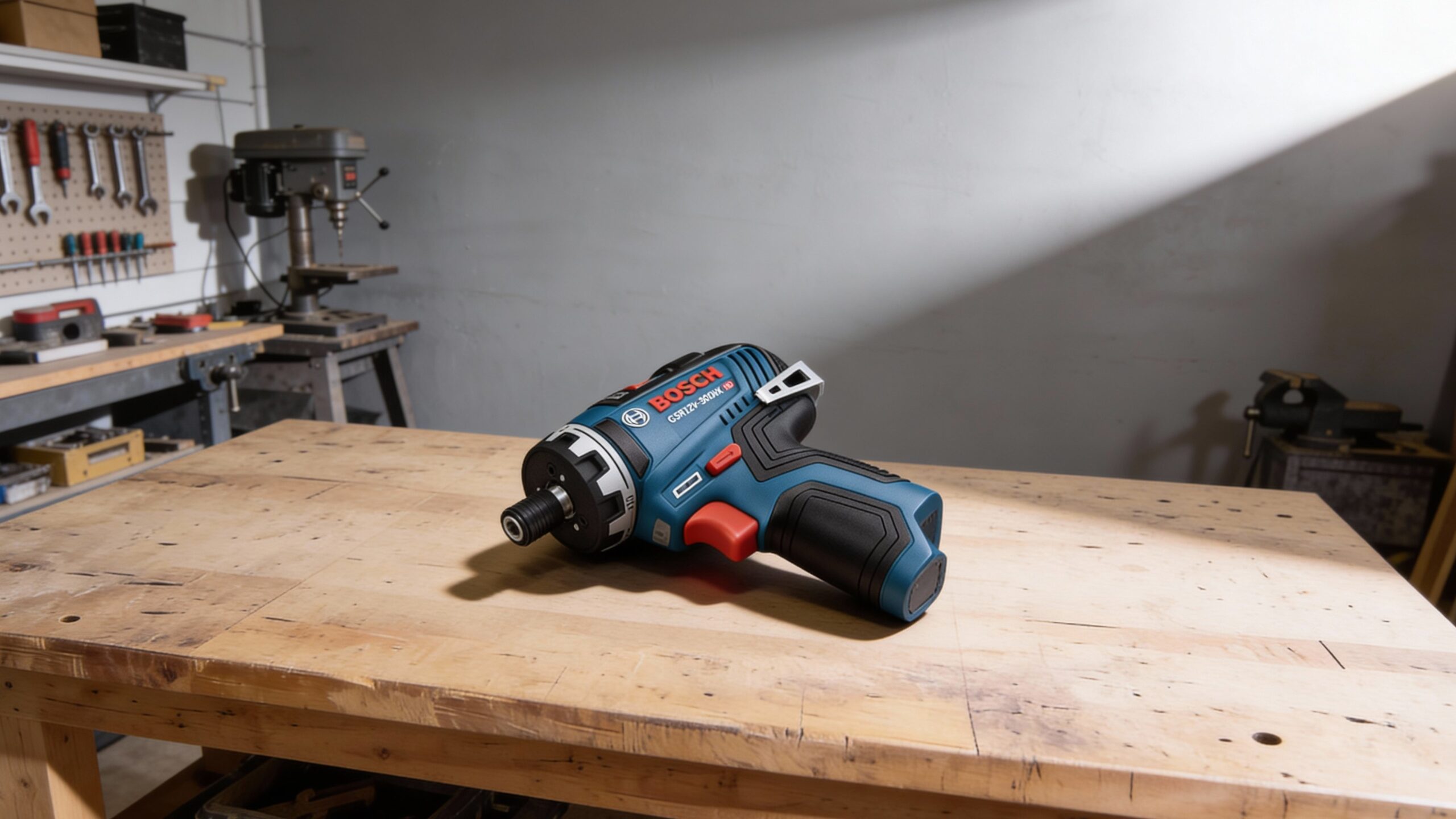
Bosch 12V Max Flexiclick compact cordless drill driver
#4 Best for Assembly Score: 9.0 / 10

Bosch 12V Max Flexiclick

Compact, precise, and built for indoor work where control matters more than brute force. This is the “clean finish” choice for shelves, furniture, hardware installs, and smaller pilot holes without overdriving.

Weight: Very Light Precision: Excellent Battery: 12V System Best For: Indoor Tasks

Pros

  • Easy, controlled drive that helps prevent stripped screws
  • Compact storage footprint and comfortable one-hand handling
  • Ideal second drill for quick jobs and indoor installs

Cons

  • Not intended for frequent heavy drilling or large holes
  • Less torque headroom than compact 18V and 20V drills
  • Best for light-to-medium tasks rather than jobsite duty

Best For

  • Furniture assembly, shelves, and interior hardware
  • Apartment and condo tool kits where space matters
  • Anyone who wants a lightweight drill with great control
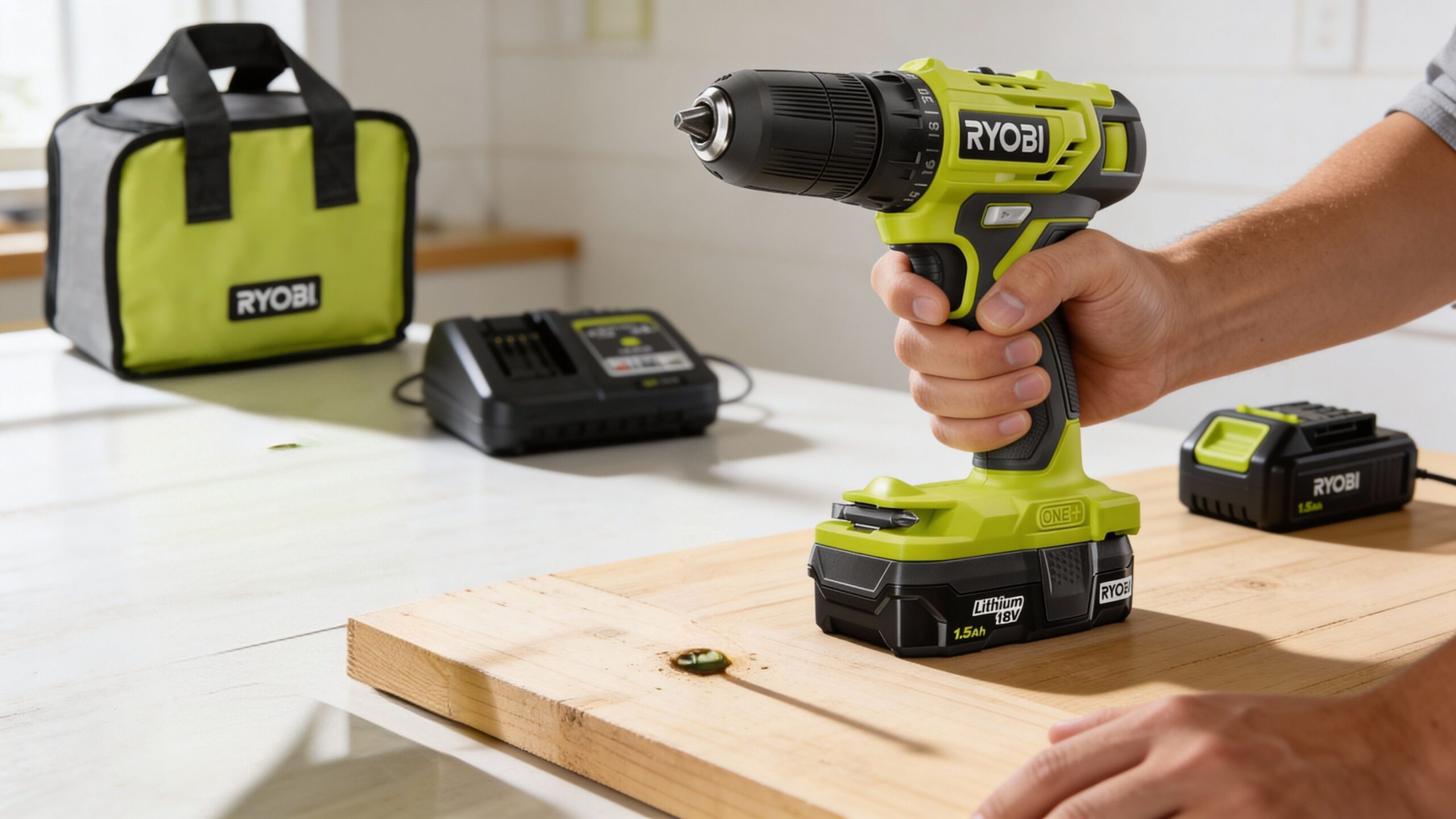
Ryobi ONE Plus HP Compact Brushless cordless drill driver
#5 Best Value Platform Score: 8.9 / 10

Ryobi ONE Plus HP Compact Brushless

A compact drill that hits the “smart value” lane: strong enough for most homeowner tasks, small enough for tight work, and backed by a huge lineup for future upgrades. Great performance per dollar without feeling flimsy.

Value: Excellent Size: Compact Battery: ONE Plus System Best For: Homeowners

Pros

  • Great capability for common drilling and driving at a value price
  • Huge platform depth for building a full home tool lineup
  • Compact feel that fits comfortably in cabinets and corners

Cons

  • Not a heavy-duty pro pick for daily high-load drilling
  • Runtime can vary depending on battery size and kit selection
  • Accessory and bundle contents differ widely by retailer

Best For

  • Weekend projects, repairs, and light remodeling work
  • DIYers who want a platform that scales affordably
  • Users who want compact handling without stepping down to 12V
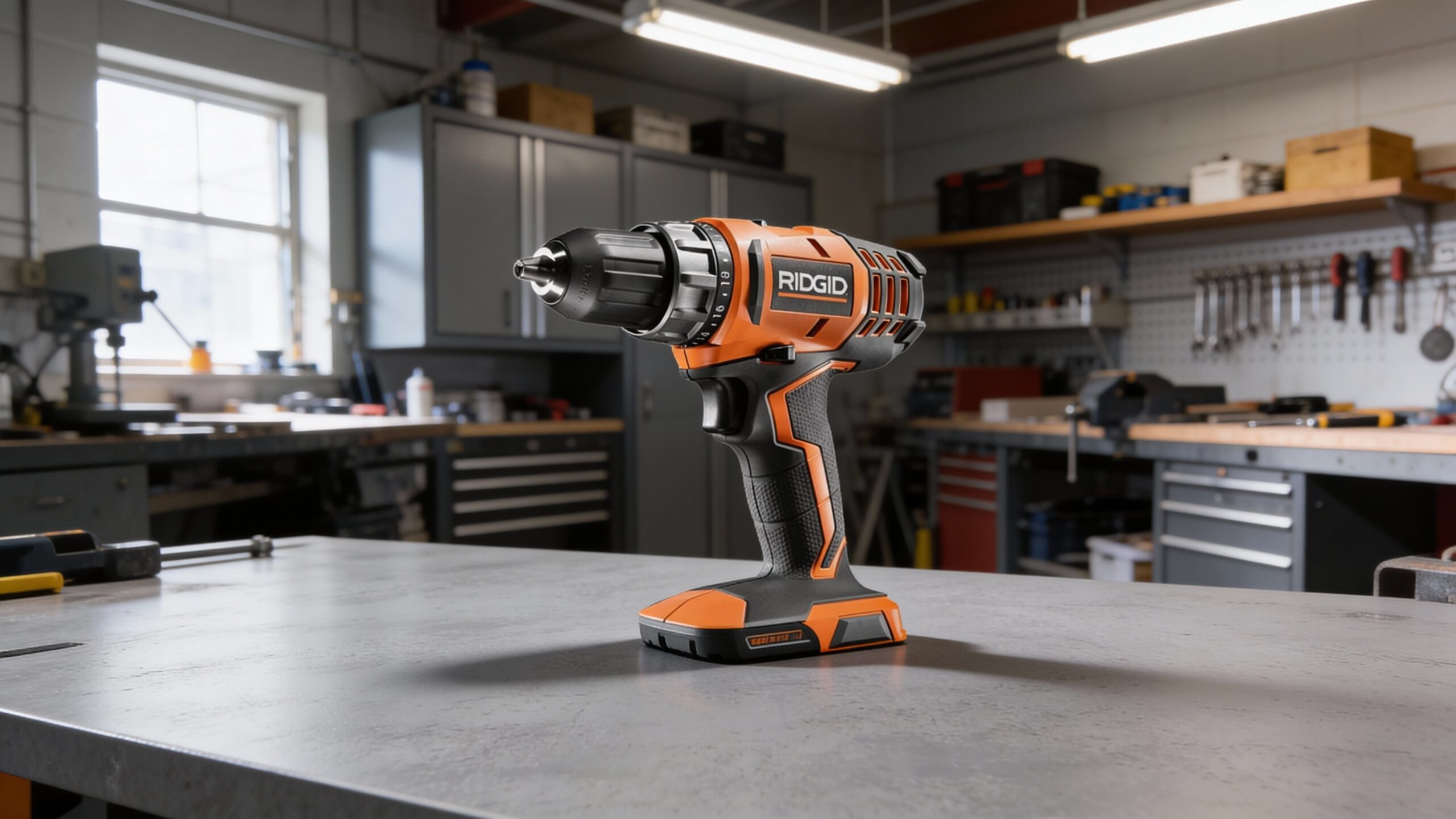
Ridgid 18V Compact Brushless cordless drill driver
#6 Best Warranty Value Score: 8.8 / 10

Ridgid 18V Compact Brushless

A compact workhorse that balances confident drilling with comfortable handling for everyday projects. It’s the pick for shoppers who want solid build feel and strong long-term ownership value in a compact form.

Build: Tough Grip: Comfortable Battery: 18V System Best For: Home Projects

Pros

  • Solid power for compact drilling and driving tasks
  • Comfortable balance that stays steady in awkward angles
  • Strong long-term value story for frequent DIY use

Cons

  • Kit availability and bundle quality vary by retailer
  • Heavier boring work may call for a larger full-size drill
  • Platform depth can be smaller than the biggest brands

Best For

  • Remodel punch lists and frequent home maintenance
  • DIYers who want a compact drill that still feels sturdy
  • Users who care about long-term ownership value
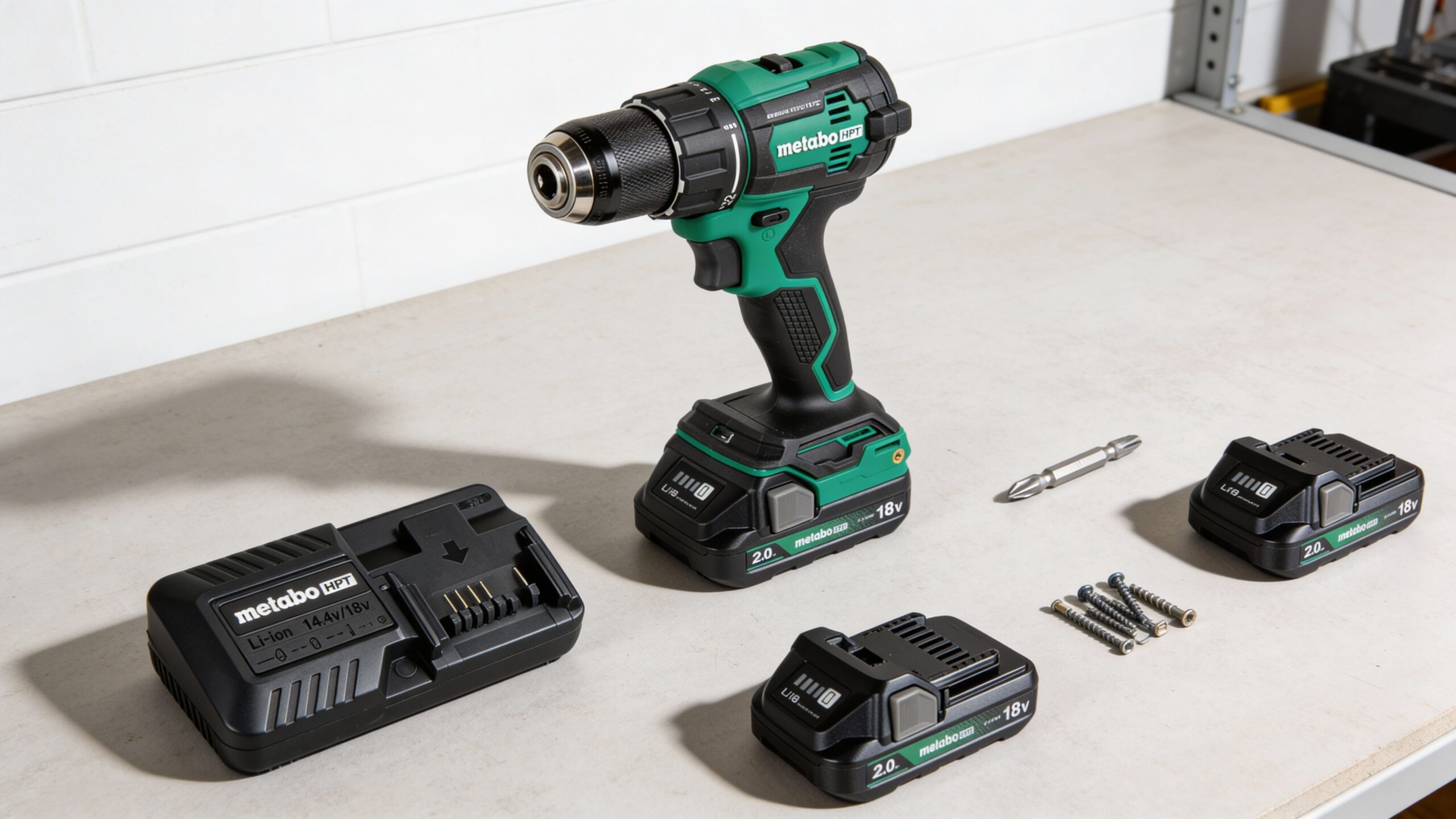
Metabo HPT 18V Compact Brushless cordless drill driver
#7 Best Runtime to Weight Score: 8.7 / 10

Metabo HPT 18V Compact Brushless

A compact drill that feels efficient—good bite, steady control, and a comfortable footprint for repetitive tasks. It’s a smart pick when you want a lighter drill that still holds up for regular project work.

Efficiency: High Balance: Great Battery: 18V System Best For: Repetitive Work

Pros

  • Comfortable size that stays stable during repeated driving
  • Good capability for compact drilling and fastening tasks
  • Solid option for users who want a lighter everyday drill

Cons

  • Not the top choice for constant high-torque boring applications
  • Platform depth can vary by store and region
  • Some kits may include smaller batteries that limit runtime

Best For

  • Deck hardware, fencing repairs, and everyday drilling
  • DIYers who want a compact drill for frequent use
  • Users who prioritize comfort and efficiency over max power
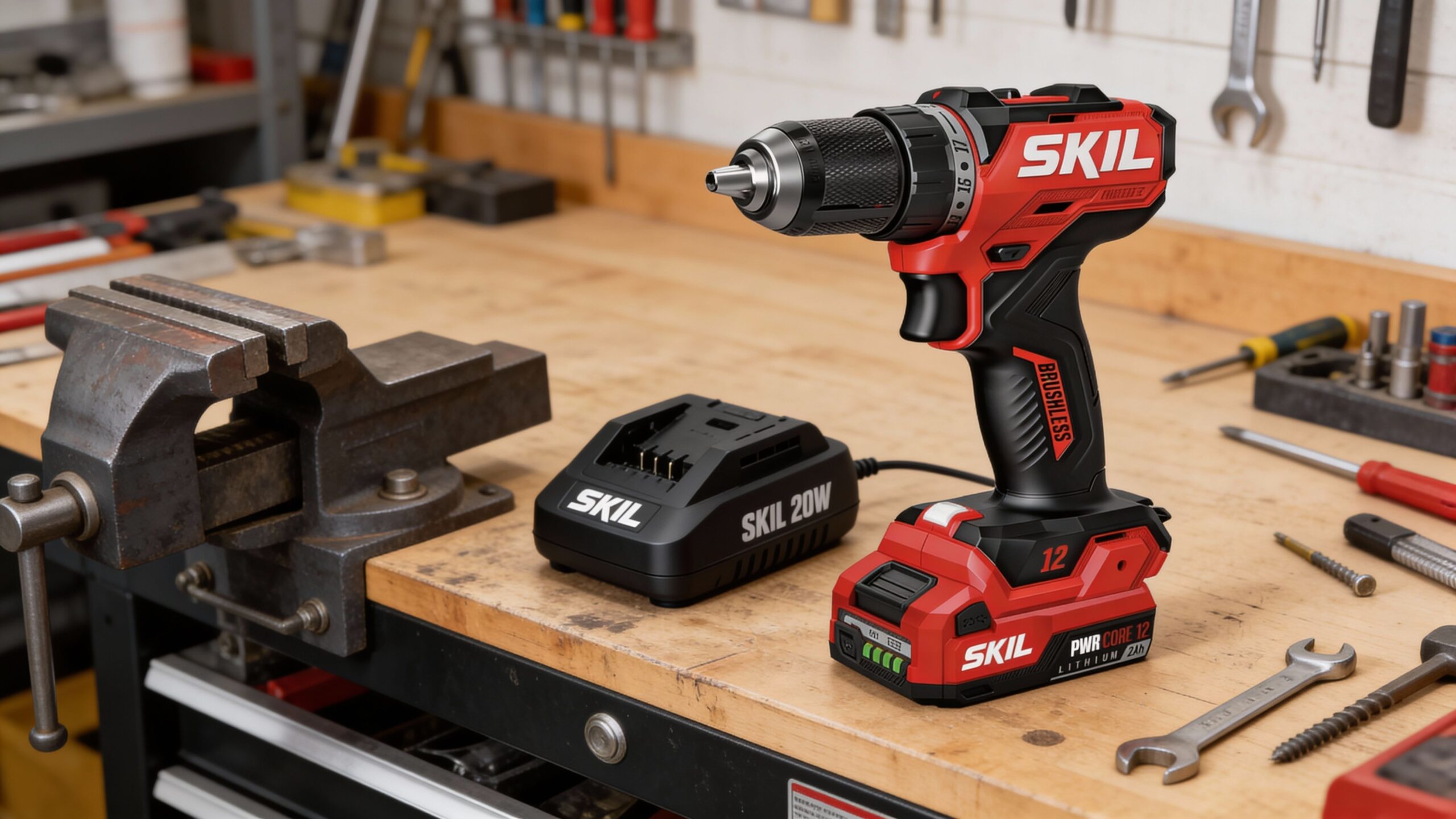
Skil PWRCORE 20 Compact Brushless cordless drill driver
#8 Best Kit Value Score: 8.6 / 10

Skil PWRCORE 20 Compact Brushless

A strong “buy a kit and start building” option with compact handling that works well in tight spaces. It’s easy to recommend for budget-aware shoppers who still want modern brushless feel and solid everyday performance.

Value: High Modern Feel: Smooth Battery: 20V System Best For: First Kit

Pros

  • Great bang for the buck in common bundled kits
  • Compact handling that fits cabinets, shelves, and stud bays
  • Strong everyday drilling and driving for home projects

Cons

  • Platform depth is smaller than the biggest pro brands
  • Bundle contents can vary a lot between retailers
  • Heavy drilling may push you toward a larger full-size model

Best For

  • First-time buyers who want a compact, capable drill
  • Household repairs, shelves, and furniture builds
  • Shoppers who want good performance without premium pricing
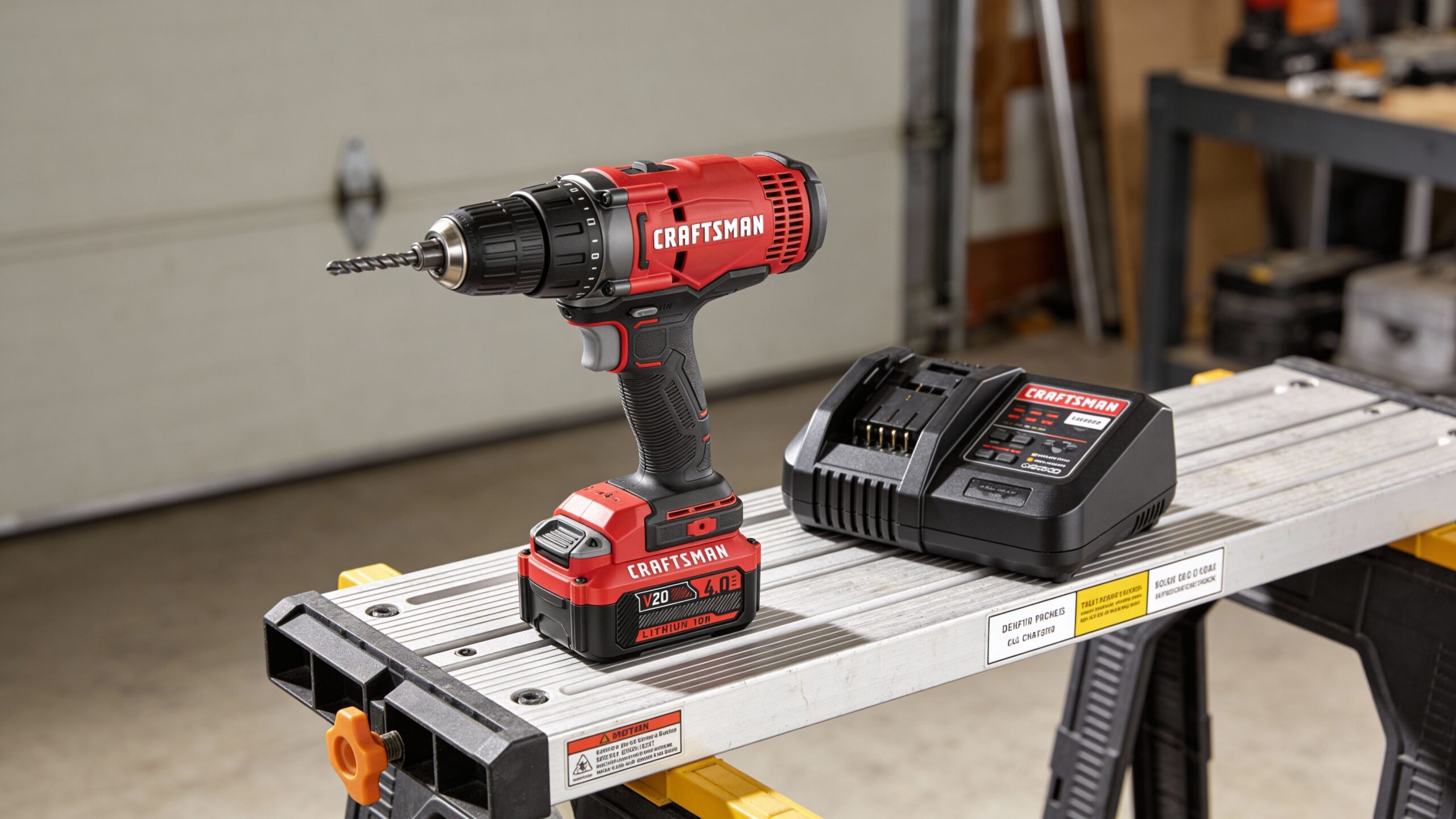
Craftsman V20 Compact cordless drill driver
#9 Best Starter Pick Score: 8.4 / 10

Craftsman V20 Compact

A friendly, compact drill that covers the basics without overwhelming new users. It’s a practical way to start a cordless lineup for common repairs, furniture builds, and light-to-medium drilling needs.

Ease: Beginner-Friendly Value: Strong Battery: V20 System Best For: Home Basics

Pros

  • Simple, approachable feel for first-time cordless owners
  • Often available in affordable kits with useful extras
  • Good for common drilling and driving around the house

Cons

  • Not the strongest choice for tougher, repetitive drilling
  • Platform breadth and accessories can vary by retailer
  • Smaller batteries in some kits may limit runtime

Best For

  • First cordless drill for apartments and new homeowners
  • General repairs, hanging hardware, and furniture builds
  • Users who want compact size with easy learning curve
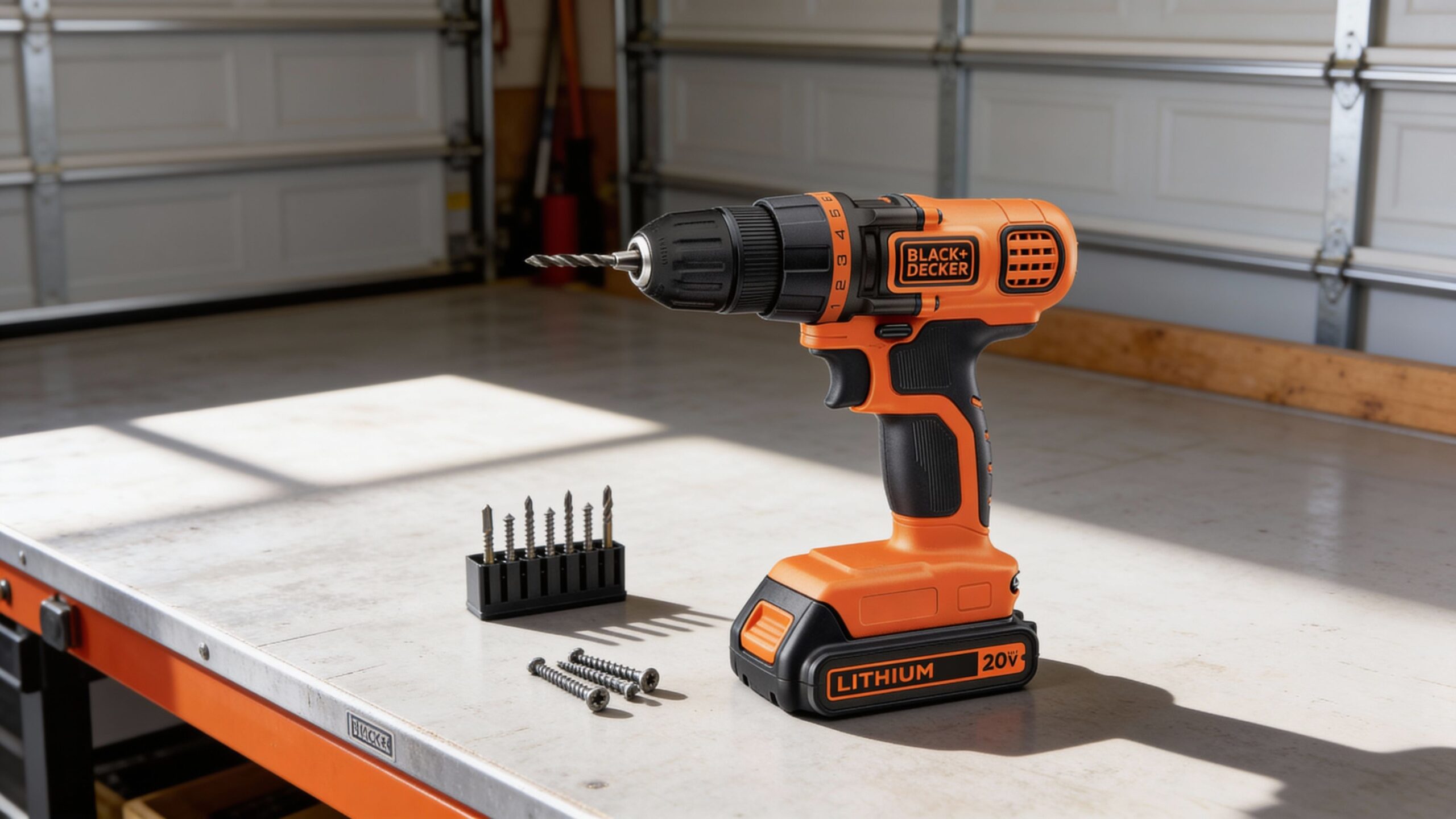
Black and Decker 20V Max Compact cordless drill driver
#10 Best Budget Score: 8.3 / 10

Black and Decker 20V Max Compact

The budget-friendly compact pick for occasional jobs—quick fixes, light installs, and furniture assembly. It’s easy to use, light in the hand, and a smart choice when you don’t need pro-grade power.

Weight: Light Ease: Very Simple Battery: 20V Max Best For: Occasional Use

Pros

  • Very approachable for beginners and quick household tasks
  • Often one of the lowest-cost kit options
  • Lightweight handling for basic drilling and driving

Cons

  • Not designed for heavy drilling or daily high-load use
  • Less refined control and durability than premium models
  • Best as a basic household drill rather than a do-everything tool

Best For

  • Apartment kits, quick repairs, and light installs
  • Furniture assembly and small pilot holes
  • Budget-first shoppers who want compact convenience

Methodology

How We Tested

Our rankings are built to reflect how compact cordless drills perform in real homes and jobsite-style tasks—prioritizing tight-space handling, controllable driving, and long-term platform value over marketing claims.

Our Testing Framework

For this category, we focus on compact drills designed for tight spaces and lightweight daily use. We evaluate how each model feels when drilling and driving in realistic scenarios like cabinet work, stud bays, hardware installs, and overhead tasks.

  • Compact handling in confined areas, including reach and balance
  • Trigger control and clutch performance for clean, repeatable driving
  • Drilling capability for common household materials and fasteners
  • Ergonomics for extended use, including grip comfort and fatigue
  • Battery platform practicality for real owners and future tool expansion
Data Sources We Use

We combine multiple independent inputs so a single review, retailer page, or brand claim never drives the outcome. Our synthesis emphasizes reliability signals and real ownership experience for compact drill platforms.

  • Independent tool reviewers and controlled comparison testing where available
  • Large-scale owner feedback, including recurring praise and common complaints
  • Manufacturer specs, manuals, and platform details such as battery compatibility
  • Reliability patterns across model generations, including warranty and service trends
How We Score & Rank Products

Each drill receives a 10-point score using a weighted, category-specific model. Rankings are comparative within compact cordless drills, rewarding the best mix of control, usability, and dependable real-world results.

  • Performance and results for typical drilling and fastening tasks
  • Build quality and long-term reliability expectations
  • Ease of use, including size, balance, and user-friendly controls
  • Design execution, such as clutch consistency and overall refinement
  • Value and ecosystem strength, including batteries, chargers, and platform depth
What We Don’t Do

To keep recommendations consumer-first and consistent:

  • We don’t accept paid placements, sponsored rankings, or “best-of” fees
  • We don’t rank based on affiliate rates or retailer incentives
  • We don’t award wins for hype, labels, or spec-sheet max numbers alone
How Often Rankings Are Updated

Rankings are reviewed regularly and updated when meaningful changes occur—new releases, major price shifts, notable reliability trends, or significant updates to battery platforms and kit availability.

Our goal is to keep this list current for shoppers, while maintaining stable scoring standards so year-to-year comparisons remain fair and useful.

Side-by-Side Comparisons

Quickly narrow your shortlist. Use this first, then jump to full reviews for your finalists.

# Model Best For Platform Weight Power Feel Why It Won
1 Milwaukee M12 FUEL Best Overall Most people, most tasks 12V Very light Strong Compact power with control
2 DeWalt 20V Max Atomic Best for Tight Spaces Cramped installs 20V Light-Med Strong Compact body, dependable punch
3 Makita 18V LXT Sub Compact Best for Comfort + Control Long sessions 18V Light-Med Moderate-Strong Smooth handling, easy precision
4 Bosch 12V Max Flexiclick Best for Versatility Awkward angles 12V Very light Moderate Flexible handling for tight spots
5 Ryobi ONE Plus HP Compact Brushless Best Value Budget-minded DIY 18V Medium Moderate Value platform, easy upgrades
6 Ridgid 18V Compact Brushless Best for Durability Frequent home projects 18V Medium Strong Sturdy feel for the price
7 Metabo HPT 18V Compact Brushless Best for Everyday Work Balanced daily use 18V Light-Med Moderate-Strong Balanced power and size
8 Skil PWRCORE 20 Compact Brushless Best Kit Value Starter kits 20V Medium Moderate Strong bundles, practical value
9 Craftsman V20 Compact Starter Platform Occasional DIY 20V Medium Moderate Solid basics, easy entry
10 Black and Decker 20V Max Compact Simple Budget Quick home fixes 20V Light Light-Moderate Simple, affordable, approachable

#1 — Milwaukee M12 FUEL

Best Overall
Best For
Most people, most tasks
Platform
12V
Weight
Very light
Power Feel
Strong
Why it wonCompact power with control

#2 — DeWalt 20V Max Atomic

Best for Tight Spaces
Best For
Cramped installs
Platform
20V
Weight
Light-Med
Power Feel
Strong
Why it wonCompact body, dependable punch

#3 — Makita 18V LXT Sub Compact

Best for Comfort + Control
Best For
Long sessions
Platform
18V
Weight
Light-Med
Power Feel
Moderate-Strong
Why it wonSmooth handling, easy precision

#4 — Bosch 12V Max Flexiclick

Best for Versatility
Best For
Awkward angles
Platform
12V
Weight
Very light
Power Feel
Moderate
Why it wonFlexible handling for tight spots

#5 — Ryobi ONE Plus HP Compact Brushless

Best Value
Best For
Budget-minded DIY
Platform
18V
Weight
Medium
Power Feel
Moderate
Why it wonValue platform, easy upgrades

#6 — Ridgid 18V Compact Brushless

Best for Durability
Best For
Frequent home projects
Platform
18V
Weight
Medium
Power Feel
Strong
Why it wonSturdy feel for the price

#7 — Metabo HPT 18V Compact Brushless

Best for Everyday Work
Best For
Balanced daily use
Platform
18V
Weight
Light-Med
Power Feel
Moderate-Strong
Why it wonBalanced power and size

#8 — Skil PWRCORE 20 Compact Brushless

Best Kit Value
Best For
Starter kits
Platform
20V
Weight
Medium
Power Feel
Moderate
Why it wonStrong bundles, practical value

#9 — Craftsman V20 Compact

Starter Platform
Best For
Occasional DIY
Platform
20V
Weight
Medium
Power Feel
Moderate
Why it wonSolid basics, easy entry

#10 — Black and Decker 20V Max Compact

Simple Budget
Best For
Quick home fixes
Platform
20V
Weight
Light
Power Feel
Light-Moderate
Why it wonSimple, affordable, approachable

FAQ: Compact Cordless Drills (Buying + Real-Use Fit)

Quick, practical answers to help you pick the right drill for your projects, your hands, and the battery platform you’ll actually live with. Expand a question to see the “why,” not just the headline.

In-Depth Reviews: What These Drills Are Really Like to Use

These full reviews expand on the Top 10 cards with the deeper “why” behind each pick. This is the “beyond the spec sheet” part of our Top 10. We focus on real project behavior: trigger control, clutch consistency, balance, fatigue over time, and the small design details that decide whether a drill feels trustworthy or frustrating once you actually start building.

60-second take Real-use breakdown Who it’s for (and not for)
#1 Best Overall Score: 9.6 / 10

Milwaukee M12 FUEL

The most dependable “compact drill that still feels serious” choice. It’s built for tight-space work, but the control and consistency make it feel like a daily driver—not a compromise.

Compare Specs

What It’s Great At

  • Compact control: easy to start clean holes and finish screws without “jump.”
  • Low-fatigue handling: comfortable for overhead work and long sessions.
  • Daily reliability feel: stays composed when projects get repetitive.

Watch-Outs

  • Premium ecosystem cost: best value if you’ll build into the platform.
  • Not a brute-force specialist: heavy, large-bit drilling favors bigger platforms.
  • Battery choice matters: small packs maximize balance; larger packs add weight.

Ideal Buyer

  • Homeowners: want one compact drill that doesn’t feel limiting.
  • Installers/DIY builders: cabinets, shelves, fixtures, and ongoing projects.
  • Anyone prioritizing control: prefers “predictable” over “peaky.”
The Real-World Verdict

Milwaukee M12 FUEL earns #1 because it feels “trustworthy” in real work. The compact size helps in cabinets and corners, but the bigger win is consistency: it starts smoothly, stays controllable, and avoids the twitchy behavior that makes compact drills frustrating. If you want the safest compact pick, this is it.

Trigger & Clutch Control

Compact drills live or die by low-speed feel. This one behaves predictably when you’re easing a screw into mixed materials, setting hardware, or trying to stop exactly where you mean to stop.

  • Best use: cabinets, fixtures, furniture builds, and finish-adjacent installs.
  • Why it matters: fewer stripped fasteners and fewer “oops” moments.
Balance & Fatigue Over Time

The biggest advantage of a top-tier compact drill is that it stays comfortable when the project drags on. The grip and balance encourage steady, accurate work even when you’re stretched or working overhead.

  • Tip: use a compact battery for the best “light and nimble” feel.
  • Trade: larger packs add runtime but change the balance.
Who Should Skip
  • Skip it if: you only do rare “hang a picture” tasks and want the lowest-cost kit.
  • Skip it if: your main work is heavy, large-bit drilling where a bigger platform feels safer.
#2 Best Compact 20V Score: 9.4 / 10

DeWalt 20V Max Atomic

A compact drill that feels purpose-built for tight bays and real installs—without feeling underpowered for everyday drilling. It’s the best “small but capable” 20V lane pick.

Compare Specs

What It’s Great At

  • Tight-space access: easier to work between studs and inside cabinets.
  • Everyday capability: feels confident on typical drilling and driving.
  • Platform continuity: fits naturally into 20V Max ownership.

Watch-Outs

  • Compact trade-offs: sustained heavy drilling can feel less relaxed than full-size tools.
  • Battery adds bulk: bigger packs reduce the “Atomic” advantage.
  • Best as a specialist: shines most when access is the main issue.

Ideal Buyer

  • Cabinet/fixture work: hardware installs, closets, under-sink fixes.
  • DeWalt owners: want the compact complement to bigger 20V tools.
  • DIYers with tight spaces: needs maneuverability more than maximum headroom.
The Real-World Verdict

The Atomic earns its rank because it solves a real problem: access. It feels like a drill designed for the work people actually do in homes—installing, adjusting, fixing—where space is limited and control matters. If you want compact without giving up too much “normal drill” confidence, this is a strong pick.

Tight-Space Handling

When you’re working in a cabinet box or cramped bay, the drill’s length and balance decide whether you stay square—or fight the tool the entire time. The Atomic makes those awkward angles feel more manageable.

  • Best use: cabinets, stud bays, fixture installs, hardware work.
  • Result: fewer crooked starts and fewer “I can’t fit the drill” moments.
Best Battery Pairing

The “compact” advantage is strongest when you keep the setup compact. A smaller battery keeps it nimble for installs; larger packs help for longer sessions but reduce the reason you chose an Atomic body in the first place.

  • Best feel: smaller packs for access and balance.
  • Best endurance: larger packs when runtime is the priority.
Who Should Skip
  • Skip it if: your projects are mostly heavy drilling where a larger platform feels more relaxed.
  • Skip it if: you don’t need compact access—full-size tools provide more headroom.
#3 Best Ergonomics Score: 9.2 / 10

Makita 18V LXT Sub Compact

The comfort-first compact that stays easy to steer when a “quick job” becomes an afternoon. If you care about balance, grip comfort, and clean driving control, it fits.

Compare Specs

What It’s Great At

  • Comfort in long sessions: reduces fatigue when projects run long.
  • Steady driving feel: easy to place screws cleanly and consistently.
  • LXT ownership synergy: a natural fit if you’re already on Makita.

Watch-Outs

  • Not the “most aggressive” feel: prioritizes smoothness over brute punch.
  • Value depends on platform: best if you’ll add more LXT tools.
  • Compact trade: heavy drilling may be happier in a bigger body.

Ideal Buyer

  • Remodel/DIY regulars: wants comfort and control over long use.
  • Finish-minded users: prefers predictable driving and fewer mistakes.
  • Makita platform builders: expanding LXT with a smaller, easier body.
The Real-World Verdict

Makita’s sub-compact approach feels refined. It’s the kind of drill that keeps you accurate late in the project, when fatigue usually starts turning “careful work” into sloppy work. If your priority is how the drill behaves in your hand—not just what it can do once—this is an excellent choice.

Balance & Handling

A drill can be “strong” and still be annoying. This one feels designed to stay balanced, which helps you keep the bit straight and the screw head clean—especially in awkward stance positions.

  • Best use: repeated driving, fixture installs, cabinetry, hardware work.
  • Why it matters: comfort usually equals better accuracy over time.
Control on Finish-Adjacent Work

For work where you care about clean starts and controlled stops—hardware, hinges, fixtures—this drill’s “easy-to-steer” feel helps you keep mistakes down without slowing you to a crawl.

  • Best use: cabinetry, trim-adjacent installs, furniture builds.
  • Trade: if you want maximum power feel, look higher on the list.
Who Should Skip
  • Skip it if: you mostly want the most aggressive “power feel” above all else.
  • Skip it if: you’re buying strictly by lowest cost and won’t build into LXT.
#4 Best Versatility Score: 9.0 / 10

Bosch 12V Max Flexiclick

The “do more in less space” pick. It’s built for awkward angles and small installs where flexibility matters more than maximum power, and it’s impressively controllable for detail work.

Compare Specs

What It’s Great At

  • Awkward-angle access: designed for installs where a normal drill fights you.
  • Precision tasks: steady, controllable feel in smaller hardware work.
  • Compact convenience: easy to carry, store, and grab for quick fixes.

Watch-Outs

  • Not for heavy drilling: best when control and access are the priority.
  • Specialty-first: may not replace a full-size drill for everyone.
  • Platform depth: smaller ecosystem than major 18V/20V lines.

Ideal Buyer

  • Install-focused DIY: cabinets, fixtures, hardware, and tight interior work.
  • Detail-minded users: wants more “precision tool” behavior.
  • Small-space owners: prioritizes convenience and control.
The Real-World Verdict

Flexiclick is the definition of “right tool for the right jobs.” It doesn’t try to win on brute force. It wins by making awkward installs feel normal and by keeping control high when you’re working close to finished surfaces. If you do a lot of interior installs, this kind of versatility is genuinely useful.

Tight Installs & Control

The best part is how it behaves where mistakes are expensive: cabinet faces, fixtures, hardware, and tight corners. It stays manageable and helps you work cleanly when your stance isn’t perfect.

  • Best use: installs, assembly, light drilling, and controlled driving.
  • Bonus: a strong “second drill” even for 18V/20V owners.
What It Replaces (and What It Doesn’t)

For many households, it can cover a lot of day-to-day drilling and driving. But if your routine includes frequent heavy drilling or tougher materials, a compact 18V/20V option higher on this list will feel more relaxed.

  • Great replacement for: basic home drill needs in small spaces.
  • Not a replacement for: frequent heavy-duty drilling and long hard sessions.
Who Should Skip
  • Skip it if: you want one drill primarily for heavier drilling and tougher materials.
  • Skip it if: you’d rather invest in a deeper 18V/20V ecosystem first.
#5 Best Value Score: 8.9 / 10

Ryobi ONE Plus HP Compact Brushless

The best price-to-platform choice for most homeowners. It’s compact enough to feel easy in real use, strong enough for typical projects, and the ONE+ ecosystem keeps expansion practical.

Compare Specs

What It’s Great At

  • Value ownership: easy to grow a home tool lineup without premium costs.
  • Compact convenience: comfortable for typical home drilling and driving.
  • Practical performance: dependable feel for everyday projects.

Watch-Outs

  • Not a pro-abuse pick: best as a homeowner workhorse, not a daily jobsite tool.
  • Kit variability: some bundles are much better than others.
  • Heavy drilling limits: tougher work can highlight the gap to the top picks.

Ideal Buyer

  • Homeowners: wants good real-use performance without overspending.
  • Platform starters: wants a lineup that can grow over time.
  • Weekend DIY: repairs, furniture, fixtures, and small builds.
The Real-World Verdict

This Ryobi lands in the sweet spot: it’s compact enough to feel user-friendly, yet capable enough to handle real household work without constant “I should’ve bought more drill” regret. The bigger win is the ecosystem—ONE+ makes it easier to keep building a kit without turning every purchase into a premium decision.

Platform Value: Why It Matters

“Best Value” here is about lifetime cost, not just the drill body. If you plan to add tools, batteries, and accessories over time, the Ryobi lane tends to stay affordable in a way that makes sense for most households.

  • Best for: building a practical home tool shelf over months and years.
  • Tip: pick a kit that supports your typical project length.
Real-Use Performance Feel

In typical home materials, it feels steady and capable. It won’t match the most premium picks for “always composed under pressure,” but for common drilling and driving it stays predictable and easy to live with.

  • Best use: repairs, shelves, assembly, and general maintenance tasks.
  • Trade: tougher drilling can feel more demanding than higher-ranked options.
Who Should Skip
  • Skip it if: you need a tool for daily hard use and want top-tier durability feel.
  • Skip it if: your projects are consistently heavy drilling, not mixed home tasks.
#6 Best Durability Feel Score: 8.8 / 10

Ridgid 18V Compact Brushless

A sturdier, more “job-ready” compact option that feels built to take repeated use. It’s a smart middle lane for buyers who want a tougher vibe without going full premium.

Compare Specs

What It’s Great At

  • Sturdy handling: feels planted and confident in real drilling.
  • Everyday toughness: suited to frequent use and “messy project” conditions.
  • Balanced capability: a practical blend of compact size and work readiness.

Watch-Outs

  • Not the smallest: some tight spaces still favor shorter bodies.
  • Platform choice: value improves most if you’ll stay in the ecosystem.
  • Feel preference: “more planted” can mean less ultra-light comfort.

Ideal Buyer

  • Frequent DIY: wants a tougher compact drill for regular home work.
  • Renovation tasks: drills and drives across varied materials.
  • Buyers avoiding premium spend: wants rugged feel without top-tier pricing.
The Real-World Verdict

Ridgid’s compact brushless entry earns its spot by feeling solid in the hand and consistent in use. It’s a good choice for homeowners who actually build and fix things regularly and want a drill that feels less “delicate” without turning the purchase into a premium-platform commitment.

Build Feel & Project Confidence

Some compact drills feel “fine” until the material fights back. This one tends to feel more planted, which helps when you’re drilling repeatedly or driving into tougher spots around the house.

  • Best use: frequent home projects and mixed-material work.
  • Trade: not the most ultra-compact option for the tightest cabinet boxes.
Ergonomics for Frequent Use

It’s comfortable enough to use often, but the character leans “sturdy” rather than “featherweight.” If you prefer a planted tool that feels stable in the hand, that’s a plus.

  • Best for: users who like stability and control.
  • Less ideal for: buyers who want the lightest possible overhead tool.
Who Should Skip
  • Skip it if: your top priority is the smallest body for ultra-tight access.
  • Skip it if: you want the most premium “refined control” feel at low speed.
#7 Best Alternative Pro Lane Score: 8.7 / 10

Metabo HPT 18V Compact Brushless

A capable compact that leans practical: strong enough for frequent work, steady in typical drilling, and a sensible choice if you want an 18V compact without chasing the top-tier premium lane.

Compare Specs

What It’s Great At

  • Work-ready balance: feels capable for frequent drilling and driving.
  • Compact practicality: fits more spaces than full-size bodies.
  • Value for capability: solid performance without “flagship” pricing pressure.

Watch-Outs

  • Refinement gap: low-speed feel can be less “polished” than the top picks.
  • Ecosystem choice: best if you plan to stay in the platform.
  • Not the niche king: fewer standout specialty advantages than higher-ranked tools.

Ideal Buyer

  • Frequent DIY: wants an 18V compact that feels capable and stable.
  • Budget-conscious builders: wants performance without premium pricing.
  • Platform adopters: wants a consistent battery family for future tools.
The Real-World Verdict

Metabo HPT lands as a good “capable compact” option: it’s not the most refined or the most specialized, but it feels strong enough for real projects and balanced enough to use comfortably. If you want practical performance without overthinking it, it fits the bill.

Performance Feel in Real Materials

In typical drilling and driving, it feels steady and “ready to work.” It handles mixed home tasks well, especially when you’re not trying to push heavy drilling all day.

  • Best use: routine builds, repairs, and ongoing DIY projects.
  • Note: if you want maximum refinement, look higher on the list.
Platform & Ownership Fit

Like most cordless buys, the long-term value improves if you plan to stay in the battery family. If you’re already invested, this can be an easy “keep the platform consistent” decision.

  • Best for: buyers who want a single battery ecosystem for multiple tools.
  • Less ideal for: shoppers who only need one drill and won’t expand.
Who Should Skip
  • Skip it if: you want the most premium-feeling control and finish-work precision.
  • Skip it if: you need an ultra-compact specialty drill for the tightest spaces.
#8 Best Budget Brushless Score: 8.6 / 10

Skil PWRCORE 20 Compact Brushless

The “good brushless compact without the premium tax” option. It’s a practical buy for homeowners who want modern performance, straightforward handling, and a sensible entry cost.

Compare Specs

What It’s Great At

  • Budget-friendly brushless: modern feel without jumping to premium platforms.
  • Everyday projects: solid for common home drilling and driving.
  • Simple ownership: easy to recommend as a practical household tool.

Watch-Outs

  • Ecosystem depth: fewer long-term expansion options than major brands.
  • Refinement: less “polished” feel than the top-ranked picks.
  • Heavy use: frequent hard drilling may justify stepping up the list.

Ideal Buyer

  • Value shoppers: wants brushless benefits without premium costs.
  • Homeowners: needs a dependable compact for routine work.
  • First-time buyers: wants a modern, practical drill for real projects.
The Real-World Verdict

Skil’s compact brushless option is a sensible “do the basics well” drill with modern ownership benefits. It doesn’t outclass the leaders on refinement or ecosystem, but it’s a practical pick when you want solid household performance and you’re watching the budget.

Best-Case Use: Where It Feels Like a Win

This is best for steady homeowner work: assembling, hanging, drilling modest holes, and everyday repairs. It performs reliably when the jobs are real—but not extreme.

  • Best use: home maintenance, light builds, fixtures, and general DIY tasks.
  • Trade: heavy drilling sessions can make premium options feel easier.
Why It Ranks Below the Top Picks

The gap is mostly about refinement and long-term platform depth. Higher-ranked drills tend to feel more composed at low speed and offer bigger ecosystems if you plan to build a full cordless lineup.

  • Choose this if: price and practical performance matter most.
  • Step up if: you want premium feel or a deeper long-term platform.
Who Should Skip
  • Skip it if: you want the most refined control for finish-adjacent installs.
  • Skip it if: you plan to build a deep pro-grade cordless ecosystem.
#9 Starter Platform Score: 8.4 / 10

Craftsman V20 Compact

A straightforward compact drill for basic home ownership tasks. It’s easy to learn, easy to live with, and a reasonable starting point when you want simple capability at a sensible cost.

Compare Specs

What It’s Great At

  • Beginner-friendly use: approachable controls and predictable basics.
  • Routine tasks: good for repairs, assembly, and light drilling.
  • Practical starter buy: a sensible entry into a cordless platform.

Watch-Outs

  • Less refined feel: control can be less “smooth” than higher-ranked picks.
  • Heavy drilling limits: tougher projects highlight the gap to top tiers.
  • Expansion priorities: platform depth may matter if you plan to add many tools.

Ideal Buyer

  • First-time drill owners: wants simple, reliable basics.
  • Occasional DIY: fixes, furniture, fixtures, and small installs.
  • Budget-minded shoppers: wants capability without overbuying.
The Real-World Verdict

Craftsman V20 Compact is a “get the basics done” tool that’s easy to recommend when the use case is straightforward. If your projects are occasional and you mainly need a drill that’s there when you need it, this works. If you’re ramping up to frequent builds, the value of the higher-ranked models shows quickly.

Best-Case Projects

Where it feels best is normal household life: assembling, hanging, quick repairs, and modest drilling. It’s convenient and practical when you’re not pushing heavy workloads.

  • Best use: furniture, fixtures, basic maintenance, light drilling and driving.
  • Tip: if you’re building a bigger tool shelf, consider a higher-ranked platform-first pick.
When to Move Up the List

If you care about smoother control, cleaner driving, or you’re doing projects more frequently, the upgrades in the top half of this list tend to feel noticeable. That’s usually where buyers see the difference between “works” and “feels good to use.”

  • Move up if: you’re using the drill weekly or doing repeated installs.
  • Stay here if: use is occasional and the tasks are light.
Who Should Skip
  • Skip it if: you want the most refined control for finish work and precise installs.
  • Skip it if: you expect frequent heavier drilling or long, tough sessions.
#10 Simple Budget Score: 8.3 / 10

Black and Decker 20V Max Compact

The basic “keep a drill in the house” option. It’s approachable, light for quick tasks, and makes sense when your projects are occasional and your budget is the top constraint.

Compare Specs

What It’s Great At

  • Low barrier: easy to learn and easy to hand to a new DIYer.
  • Quick fixes: convenient for basic household tasks and assembly.
  • Budget-first shopping: simple kits often come in at low cost.

Watch-Outs

  • Limited headroom: tougher drilling can highlight the boundaries fast.
  • Less refined control: not as precise-feeling as higher-ranked options.
  • Best as basic support: not designed for frequent heavy use.

Ideal Buyer

  • Occasional homeowners: needs a drill for periodic repairs and assembly.
  • Apartment living: wants compact storage and simple operation.
  • Budget shoppers: wants a functional tool without overbuying.
The Real-World Verdict

This ranks last not because it’s unusable, but because it’s the most limited in “feel” and headroom. For light, occasional work, it can be perfectly fine. If you start doing projects more often, you’ll likely appreciate the cleaner control, comfort, and confidence offered by the higher-ranked drills in this list.

Best Use Cases: Keep It Simple

Think basic assembly, hanging, small repairs, and light drilling. It’s at its best when you want something that works for quick tasks and you’re not expecting “pro-level” consistency.

  • Best use: furniture assembly, small installs, occasional household fixes.
  • Tip: if you’re building more often, consider the Best Value pick for a better long-term feel.
Expectations: What This Tier Feels Like

Lower-cost compacts typically feel less refined at low speed and less relaxed when you push them. If your jobs stay light, that’s okay. If they trend heavier, the jump in control and confidence from the top half of this list is worth it.

  • Works best when: tasks are occasional and light.
  • Upgrade when: you’re doing repeated installs or tougher drilling.
Who Should Skip
  • Skip it if: you want refined control and consistent “confidence” under load.
  • Skip it if: you expect frequent use—better-ranked compacts will feel easier and more reliable.

Key Takeaways

  • Best Overall: Milwaukee M12 FUEL wins for the most confidence in tight spaces with excellent control for everyday drilling and driving.
  • Best Special Use Case: DeWalt 20V Max Atomic is the go-to when you’re constantly working in cramped stud bays, cabinets, and awkward angles.
  • Best Value Pick: Ryobi ONE Plus HP Compact Brushless delivers the strongest performance-per-dollar with a huge lineup for homeowners.
  • Most Compact & Easy: Bosch 12V Max Flexiclick is the lightweight, precise choice for assembly, shelves, and clean indoor installs.
  • Platform Matters: Your battery ecosystem drives long-term ownership cost—choose the lineup that fits the tools you’ll add next, not just today’s drill.
  • Rule of Thumb: Most buyers should prioritize compact handling and smooth control first, then buy the best kit deal on the platform they’ll actually stick with.

Top Picks

Tap a pick to jump to the full review, or compare specs.

Best Overall → Milwaukee M12 FUEL

Tight Spaces → DeWalt 20V Max Atomic

Best Value → Ryobi ONE Plus HP Compact Brushless

Jump to Comparison

Where to Buy

We prioritize reputable sellers, easy returns, and reliable availability.

Price checks happen regularly. Some links may earn a commission—never affects rankings.

Accessories You’ll Want

  • Compact drill/driver bit kit (Phillips, Torx, square, plus spares of the sizes you strip most often)
  • Assorted drill bit set (wood + metal bits for pilot holes, mounting hardware, and everyday repairs)
  • Extra battery + charger (one small pack for balance and one larger pack for longer sessions)
  • Right-angle or offset attachment (helps reach inside cabinets, between studs, and tight corners)
  • Magnetic bit holder (speeds up repetitive driving and reduces dropped screws in cramped areas)

Tip: Match accessories to your platform—batteries, chargers, and compatible attachments are what make a compact drill feel “ready” long term.