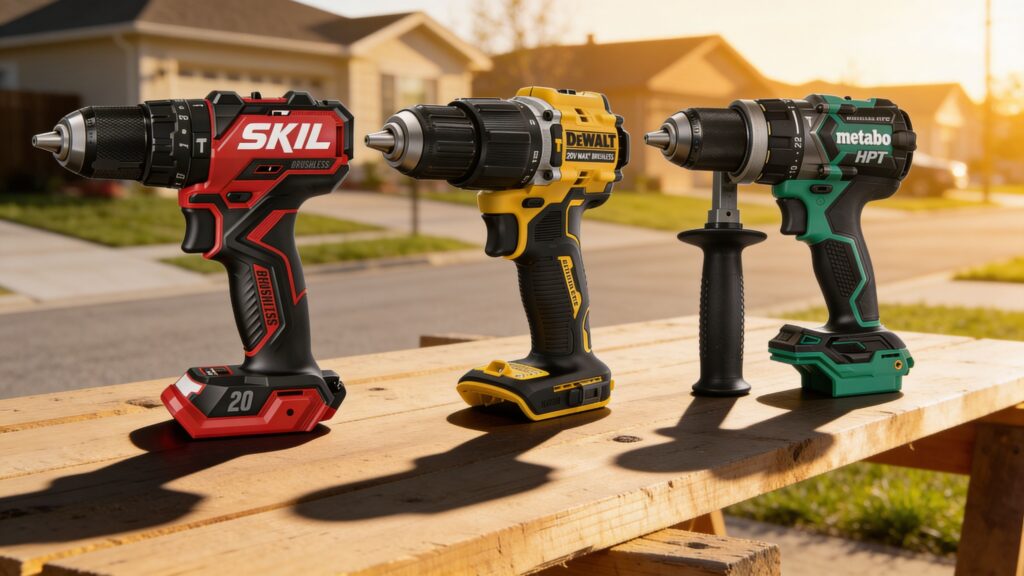
Best Hammer Drills for Concrete and Masonry

We evaluated leading hammer drills designed for concrete and masonry, comparing power, impact performance, durability, and control to identify the most capable options for demanding drilling and anchoring tasks.

By: Review Streets Research Lab
Updated: April 1, 2026
Approx. 10–12 min read
Professional cordless hammer drill driving a masonry bit into a concrete slab on an active jobsite

Best Hammer Drills for Concrete and Masonry

Our editorial picks ranked by real-world drilling speed in masonry, control, durability, and long-term value. Tap any image to expand, or jump to full reviews for deeper specs.

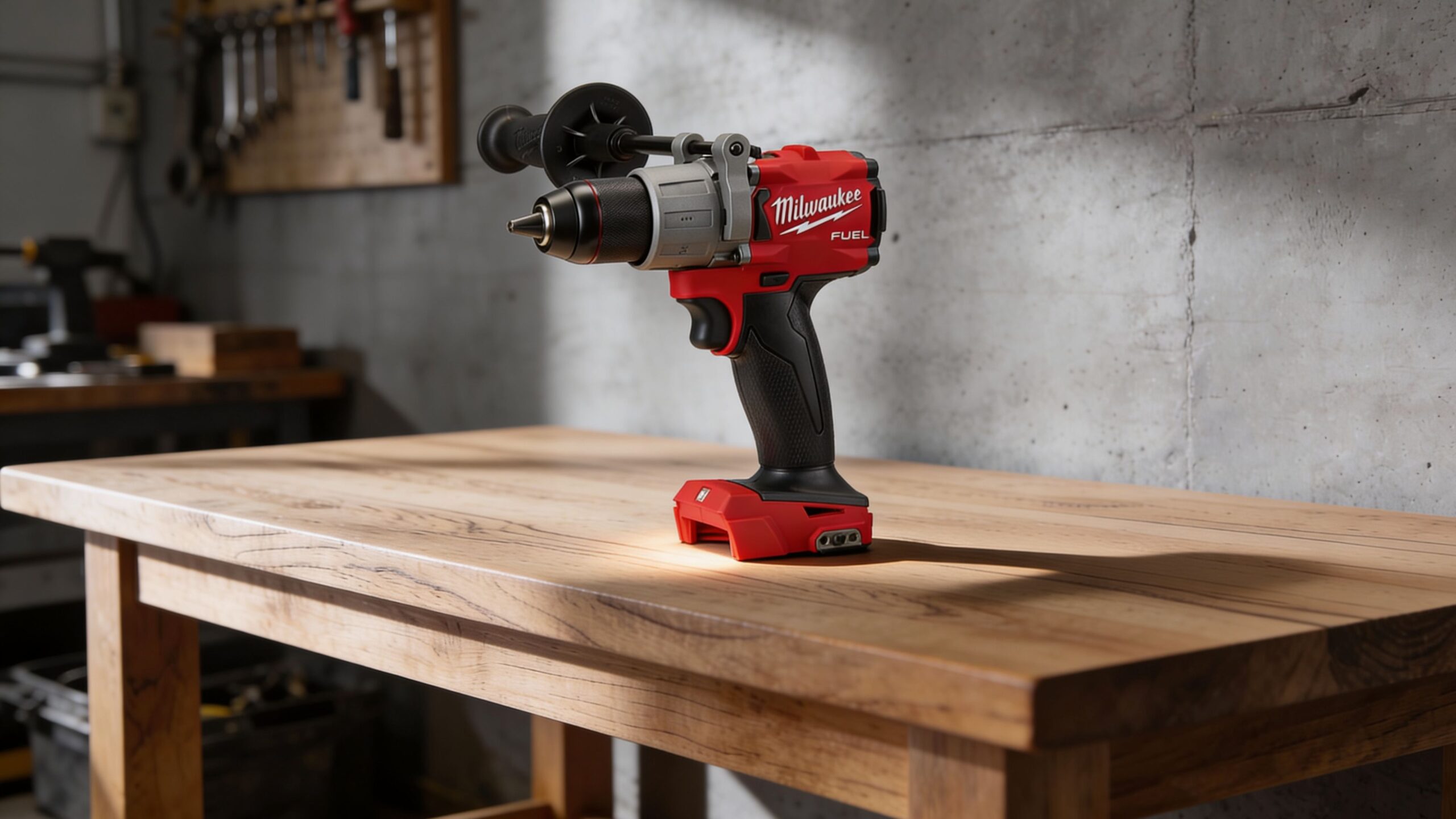
Milwaukee M18 FUEL Hammer Drill Driver
#1 Best Overall Score: 9.7 / 10

Milwaukee M18 FUEL Hammer Drill Driver

A high-output hammer drill with the torque and hammering speed to stay efficient in concrete and block. Strong control at low speed helps start holes cleanly and reduce bit walk, even when drilling overhead.

Power: Best-in-class Hammering: Fast Chuck: 1/2 in Ratcheting Best For: Heavy Masonry

Pros

  • Excellent drilling speed in block and cured concrete with quality masonry bits
  • Strong trigger control for clean starts and reduced blowouts
  • Deep battery and tool ecosystem for jobsite expansion

Cons

  • Heavier than compact homeowner-focused hammer drills
  • Top output is best paired with higher-capacity batteries
  • Premium pricing versus value-tier platforms

Best For

  • Frequent concrete and block drilling for anchors
  • Pros who want a single drill for mixed materials
  • DIYers investing in a long-term platform
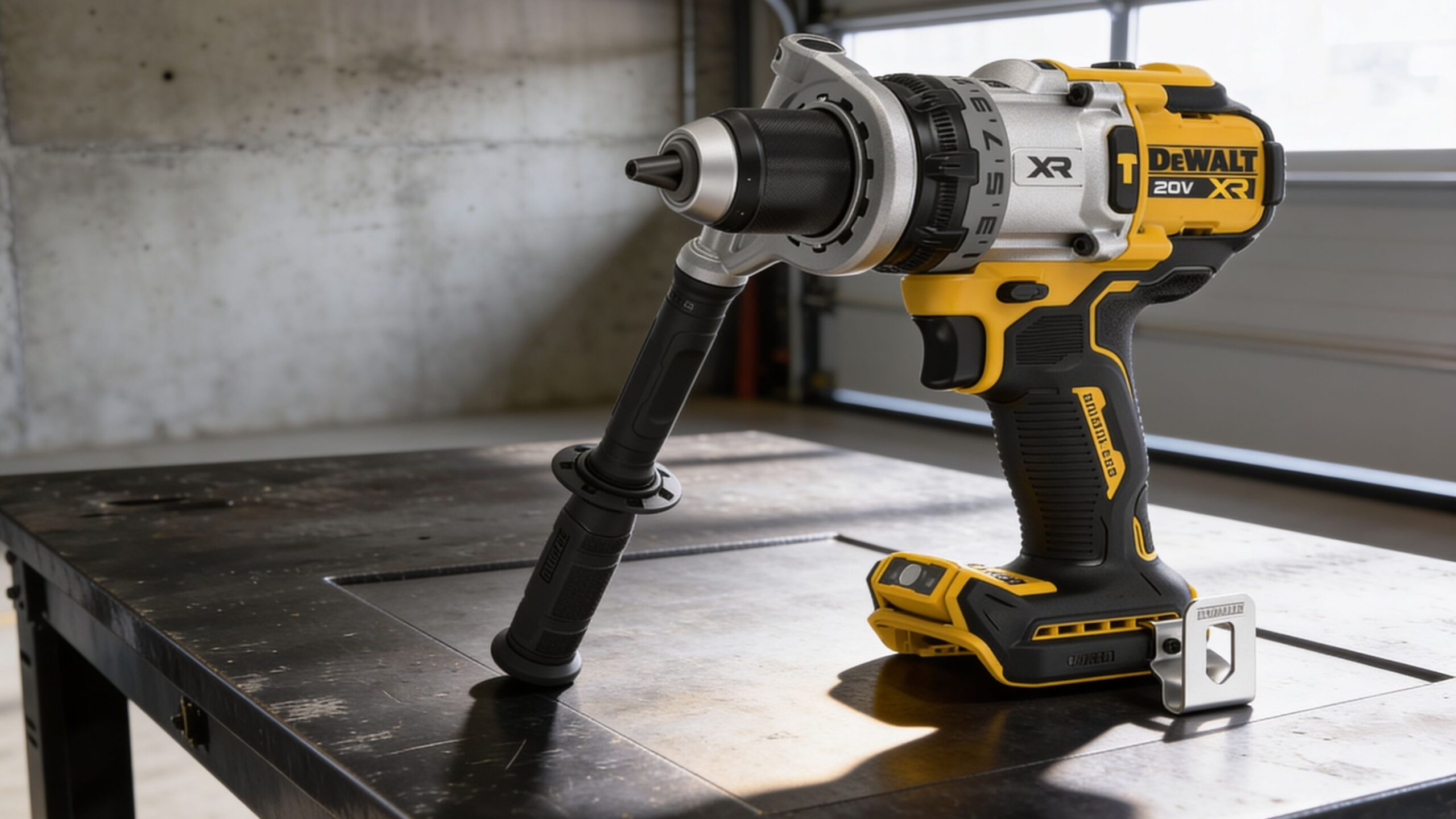
DeWalt 20V MAX XR Brushless Hammer Drill Driver
#2 Best for Pros Score: 9.5 / 10

DeWalt 20V MAX XR Brushless Hammer Drill Driver

A jobsite-forward hammer drill that balances speed in masonry with strong durability and serviceable ergonomics. It performs reliably for repeated anchor holes while staying versatile for wood and metal work.

Durability: Excellent Control: Strong Battery: 20V MAX Best For: Daily Use

Pros

  • Consistent masonry performance for repeated drilling cycles
  • Comfortable layout for long sessions and overhead work
  • Large platform for batteries and jobsite tools

Cons

  • Can feel bulky compared with compact hammer drills
  • Best output benefits from higher-capacity batteries
  • Premium-tier models cost more than value options

Best For

  • Contractors drilling anchors and Tapcon holes
  • Users already invested in 20V MAX batteries
  • Mixed-material drilling across the jobsite
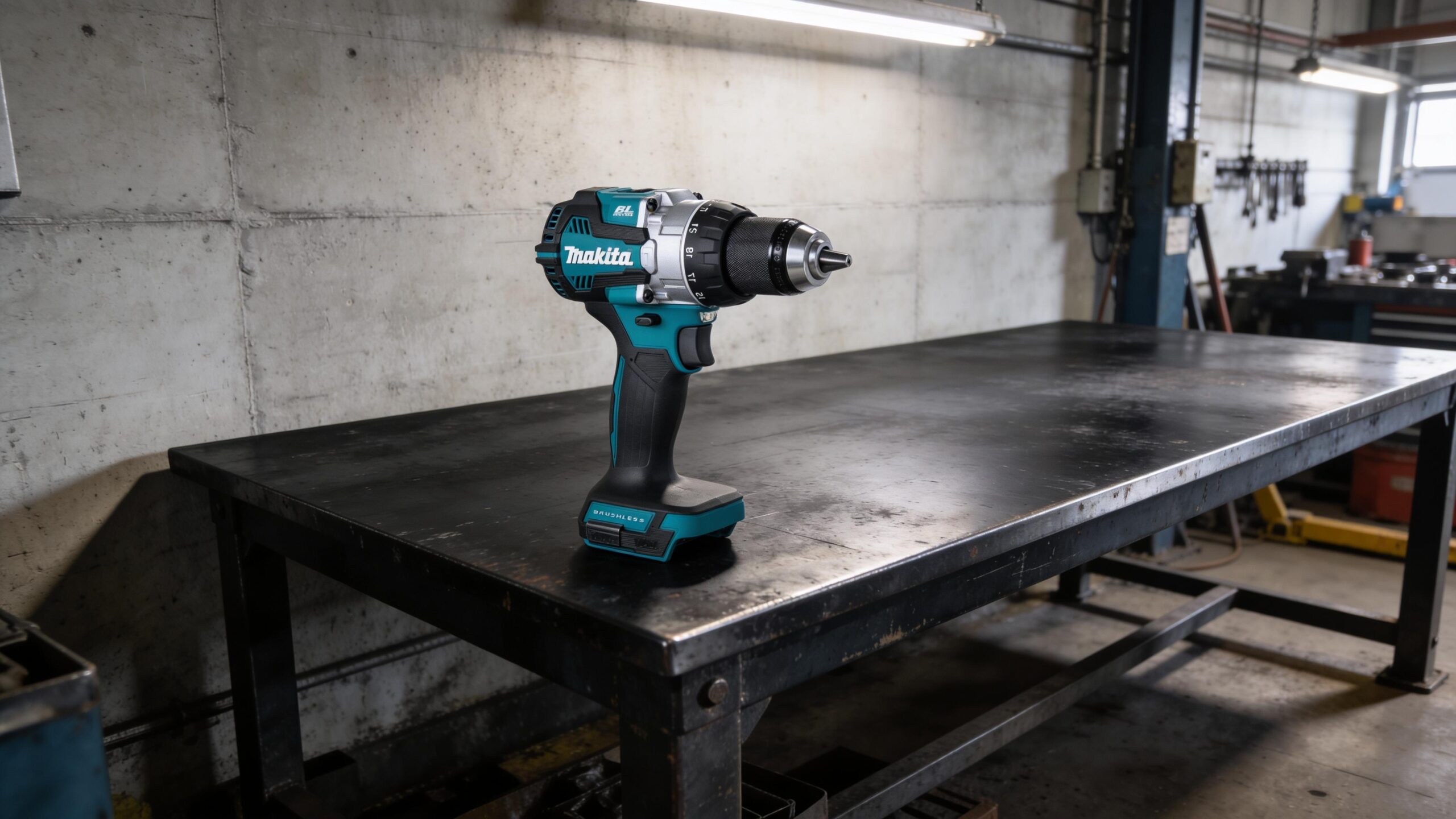
Makita 18V LXT Brushless Hammer Drill Driver
#3 Best Control Score: 9.3 / 10

Makita 18V LXT Brushless Hammer Drill Driver

Smooth trigger response and balanced handling make this a confident choice for precise masonry drilling. It keeps momentum well in block while still feeling refined for finish work and cabinetry.

Balance: Excellent Vibration: Low Battery: LXT System Best For: Precision Holes

Pros

  • Refined control for accurate starts in brick and block
  • Comfortable grip and balance for extended drilling sessions
  • Strong ecosystem for building a full kit over time

Cons

  • Some variants emphasize smoothness over maximum output
  • Top performance depends on selecting the higher-output model
  • Premium bundles can cost more than value platforms

Best For

  • Home remodelers drilling anchors and light masonry
  • Users who prioritize control and comfort
  • Mixed drilling across wood, metal, and block
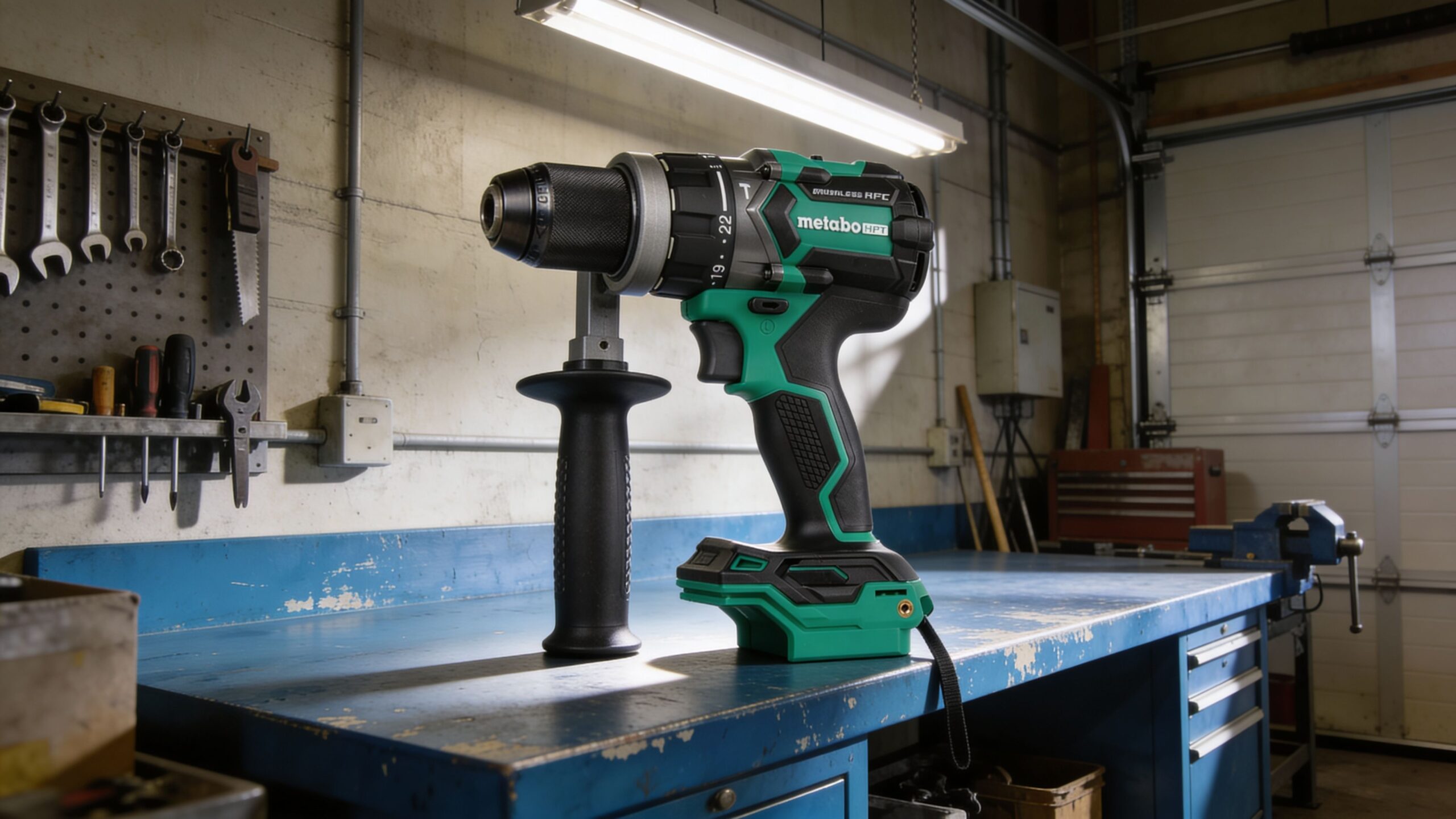
Metabo HPT 18V Brushless Hammer Drill Driver
#4 Best Reliability Score: 9.1 / 10

Metabo HPT 18V Brushless Hammer Drill Driver

A tough, jobsite-friendly hammer drill that holds steady under repeated masonry work. It delivers consistent drilling results for anchors and fasteners in brick and block while staying versatile for daily tasks.

Durability: Excellent Stability: High Battery: 18V System Best For: Repeat Anchors

Pros

  • Consistent performance for repeated anchor drilling
  • Solid build feel suited to jobsite use
  • Good balance of power and control

Cons

  • Platform depth varies compared with the biggest brands
  • May feel heavier than compact homeowner drills
  • Some kits and accessories can be retailer-specific

Best For

  • Jobsite drilling in brick, block, and light concrete
  • Users who value durability and steady performance
  • Mixed drilling across wood, metal, and masonry
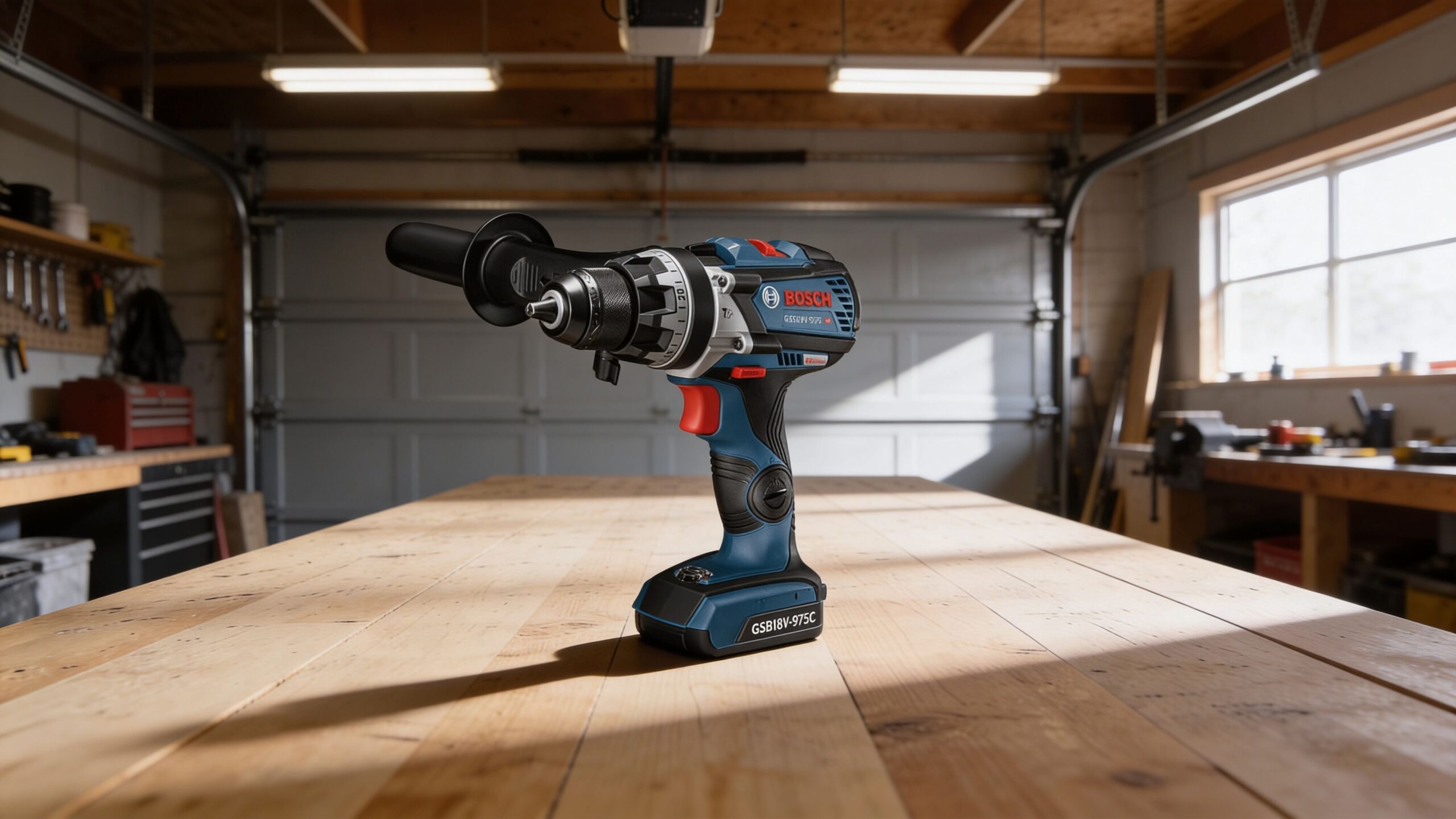
Bosch 18V Brushless Hammer Drill Driver
#5 Best Engineering Score: 9.0 / 10

Bosch 18V Brushless Hammer Drill Driver

A well-rounded hammer drill with strong drilling efficiency and a refined feel. It is especially good for consistent, repeatable holes in block and brick where control helps keep your layout accurate.

Accuracy: High Build: Solid Battery: 18V System Best For: Repeat Holes

Pros

  • Strong balance of power and control for masonry drilling
  • Refined feel for accurate hole placement
  • Good durability for steady use and repeated cycles

Cons

  • Model availability and variants can be confusing
  • Some packages emphasize features over max output
  • Accessory ecosystem is smaller than the biggest brands

Best For

  • Brick and block drilling for fasteners and anchors
  • Users who value smooth, controlled starts
  • Remodel work with frequent layout drilling
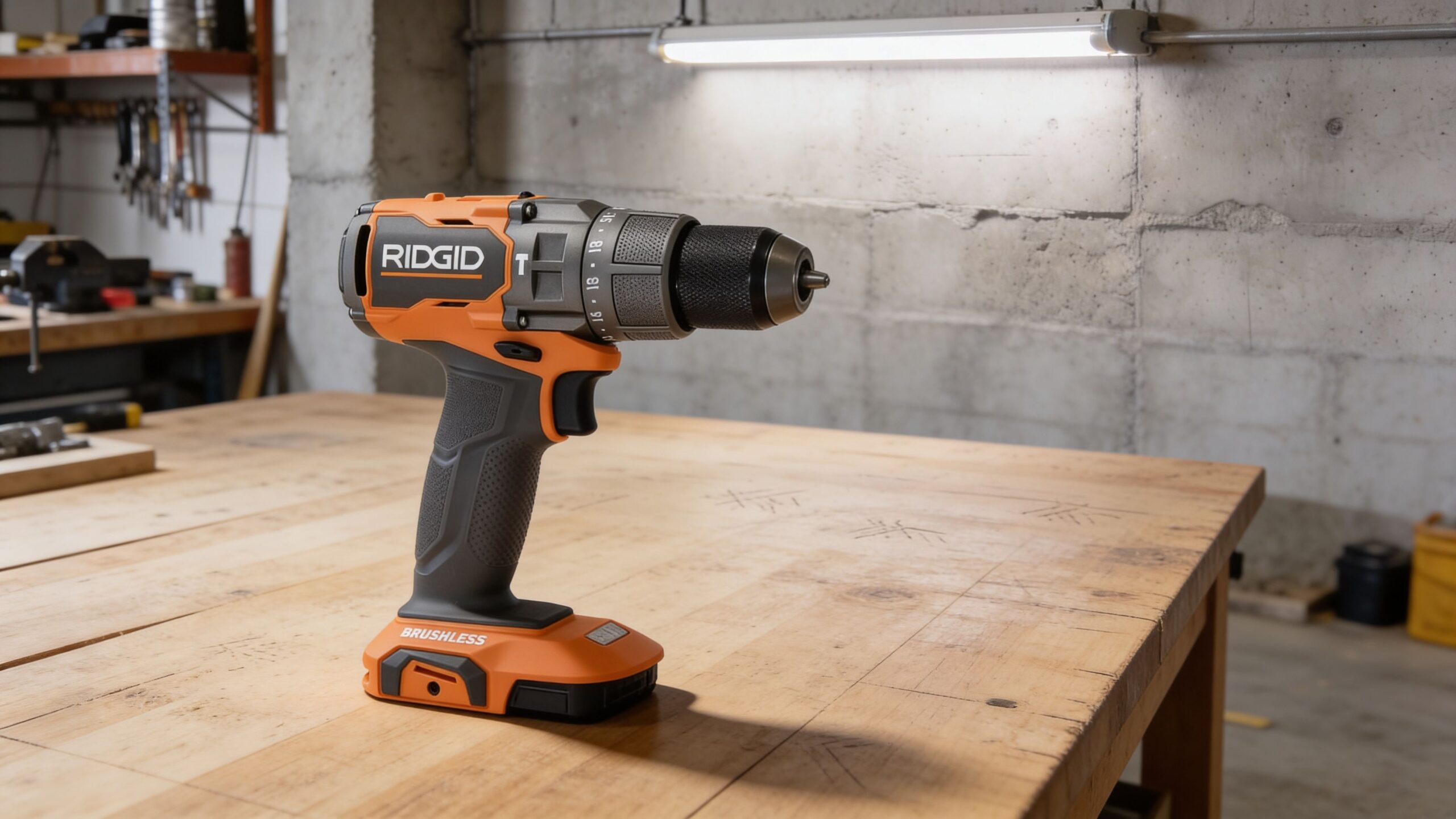
Ridgid 18V Brushless Hammer Drill Driver
#6 Best Mid Price Score: 8.8 / 10

Ridgid 18V Brushless Hammer Drill Driver

A strong performer for buyers who want serious masonry capability without jumping to flagship pricing. It drills cleanly in block and brick and has enough power for typical concrete anchor work.

Value: Strong Power: High Chuck: 1/2 in Metal Best For: Anchors

Pros

  • Strong performance in common masonry drilling sizes
  • Good ergonomics and stability under load
  • Often priced competitively versus flagship drills

Cons

  • Ecosystem depth is smaller than the largest platforms
  • Some models vary by generation and retailer availability
  • Heavier than ultra-compact options for indoor tasks

Best For

  • Homeowners drilling concrete for anchors and brackets
  • DIY remodelers needing a durable all-purpose drill
  • Shoppers who want strong performance per dollar
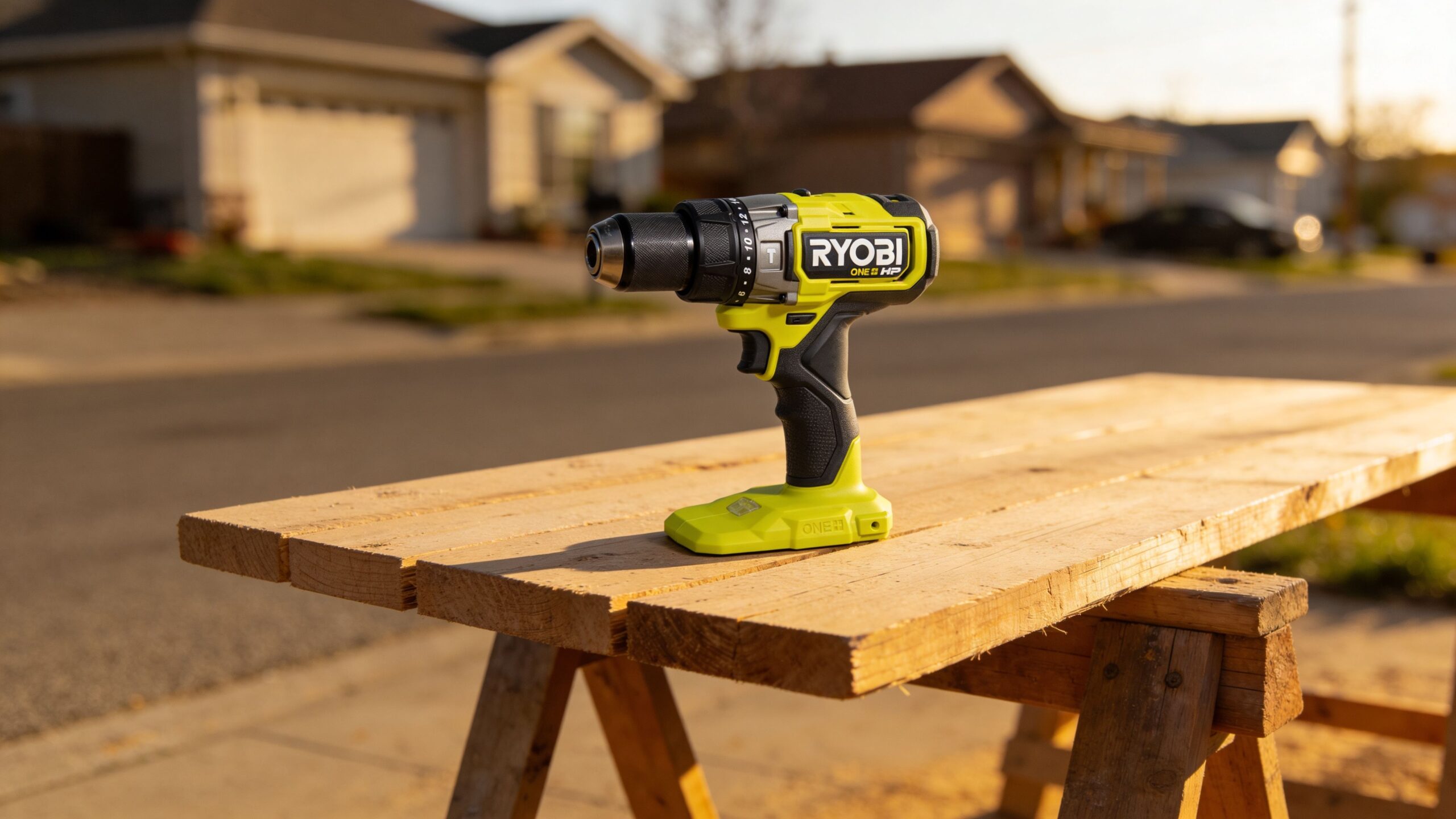
Ryobi 18V ONE Plus HP Brushless Hammer Drill Driver
#7 Best Value Score: 8.6 / 10

Ryobi 18V ONE Plus HP Brushless Hammer Drill Driver

A value-oriented hammer drill that can handle brick and block work reliably while staying approachable for homeowners. It is a practical choice when you want a large ecosystem without premium pricing.

Value: Excellent Ease: Friendly Battery: ONE Plus Best For: Home Masonry

Pros

  • Capable for common masonry tasks with the right bits
  • Large ecosystem for expanding beyond one tool
  • Approachable ergonomics for newer users

Cons

  • Not the top choice for daily heavy-duty concrete work
  • Runtime and output depend heavily on battery selection
  • Model differences can vary by generation

Best For

  • Homeowners drilling brick and block for mounts
  • DIY projects that mix wood, metal, and masonry
  • Budget-focused buyers building a platform
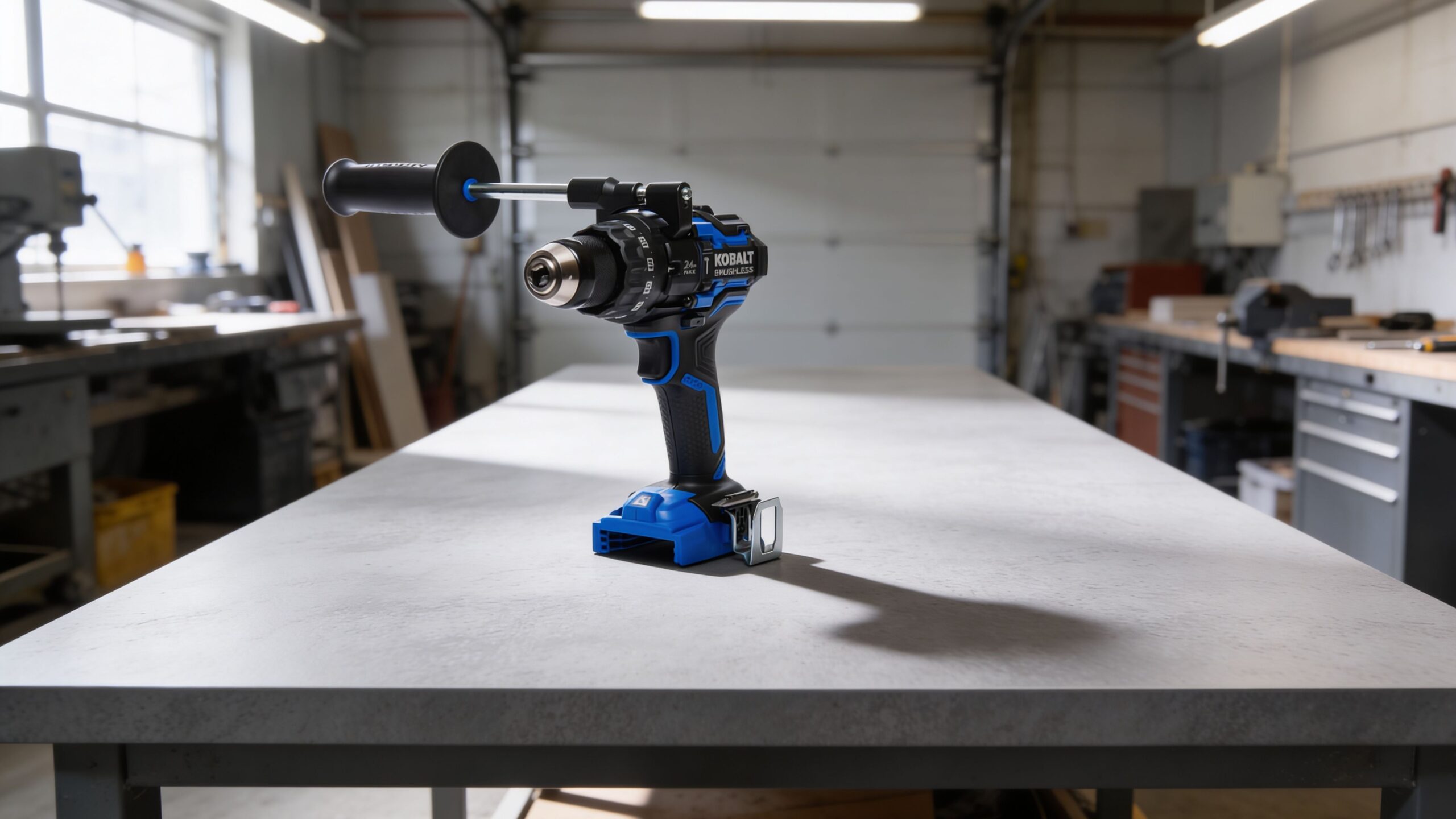
Kobalt 24V Max XTR Hammer Drill Driver
#8 Best Home Platform Score: 8.4 / 10

Kobalt 24V Max XTR Hammer Drill Driver

A solid homeowner-focused hammer drill with extra power headroom for tougher masonry work. It balances drilling performance and handling well for brackets, mounts, and anchor-heavy projects.

Power: Strong Handling: Easy Battery: 24V Max Best For: DIY Anchors

Pros

  • Good capability for typical concrete and block anchor sizes
  • Comfortable handling for home maintenance and installs
  • Strong value positioning in its platform

Cons

  • Not as fast as flagship pro hammer drills in dense concrete
  • Accessory and tool ecosystem is smaller than major brands
  • Heavier than 12V compact solutions for indoor work

Best For

  • Homeowners drilling masonry for shelves and mounts
  • General drilling across wood, metal, and brick
  • Users looking for a practical long-term platform
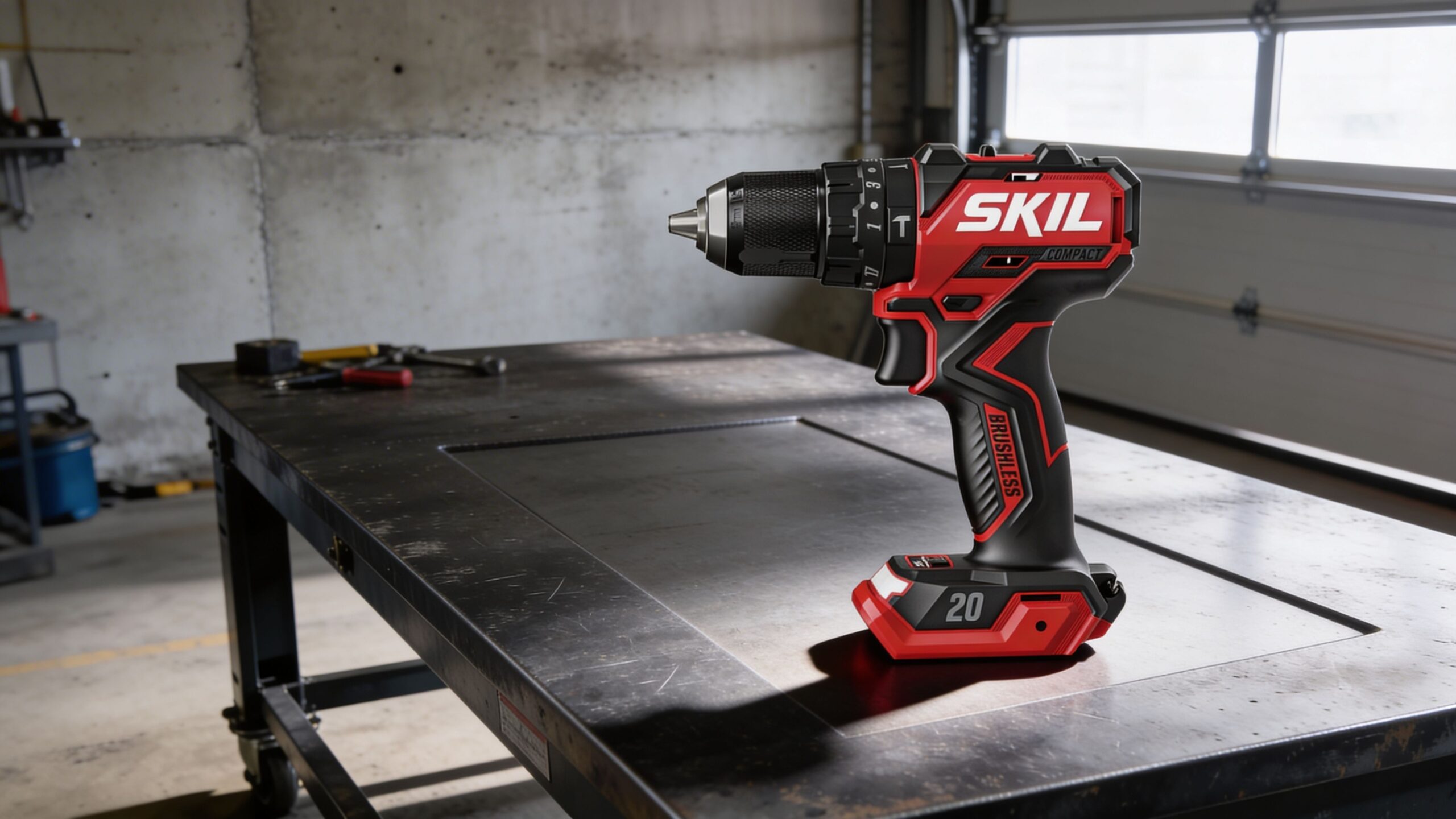
Skil PWRCore 20 Brushless Hammer Drill Driver
#9 Best Budget Brushless Score: 8.2 / 10

Skil PWRCore 20 Brushless Hammer Drill Driver

A smart pick for buyers who want brushless efficiency and real hammer-drill capability for occasional masonry work. It handles brick and block drilling well while staying price-conscious for most homeowners.

Efficiency: Brushless Value: High Battery: PWRCore 20 Best For: Occasional Masonry

Pros

  • Solid masonry performance for homeowner anchor tasks
  • Good feature set and efficiency for the price tier
  • Approachable handling and easy learning curve

Cons

  • Not designed for high-volume pro concrete drilling
  • Smaller ecosystem than major pro platforms
  • Output can vary based on battery capacity

Best For

  • DIYers who drill brick and block occasionally
  • Home installs like brackets, rails, and mounts
  • Budget buyers who still want brushless tech
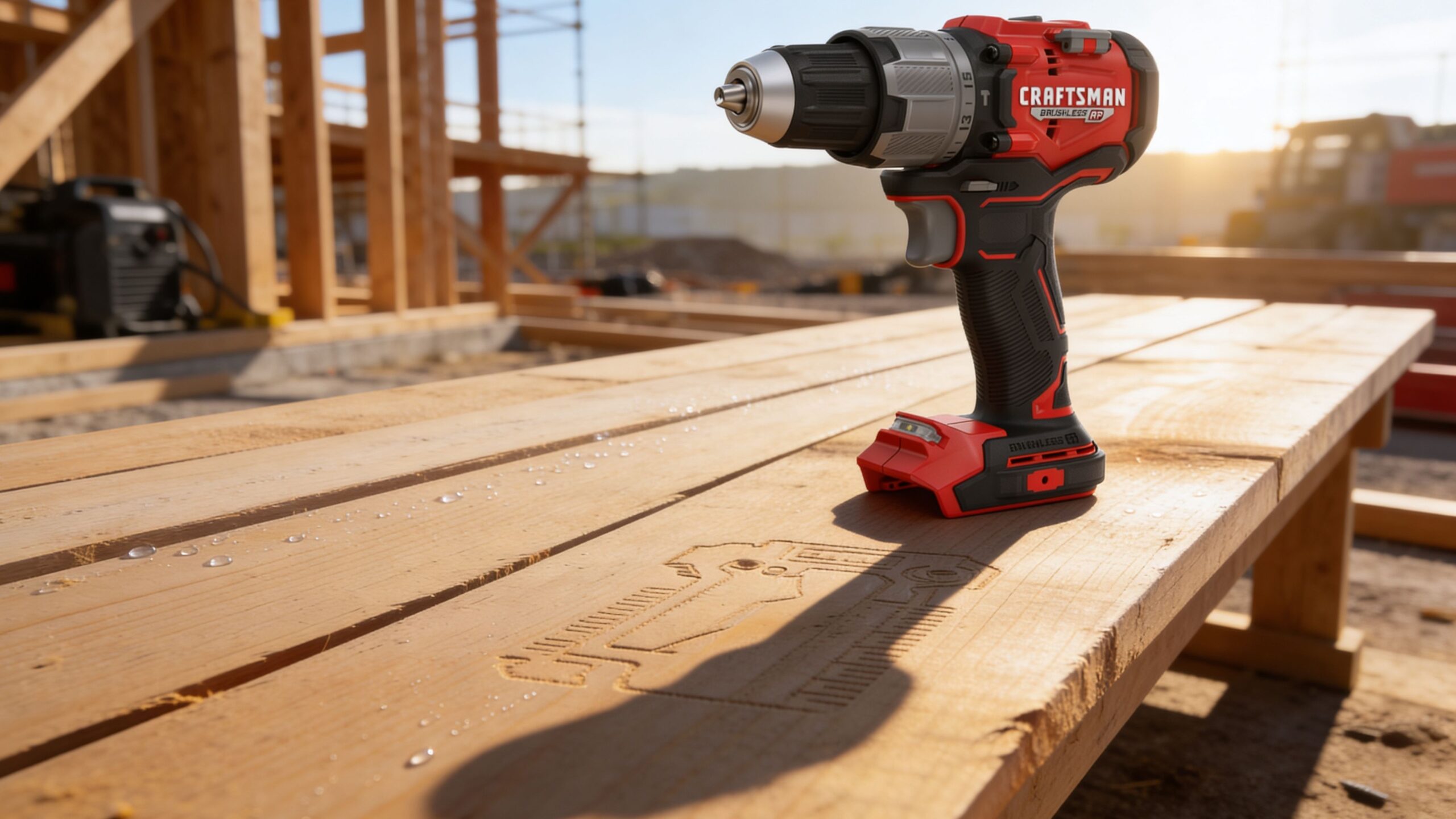
Craftsman V20 Hammer Drill Driver
#10 Best Starter Score: 8.0 / 10

Craftsman V20 Hammer Drill Driver

A straightforward entry point for occasional masonry drilling and everyday home projects. It is best for light-to-medium concrete and block tasks where ease of use matters more than maximum speed.

Ease: Very Simple Handling: Comfortable Battery: V20 System Best For: Light Masonry

Pros

  • Easy to use for common household drilling tasks
  • Capable for light masonry when paired with quality bits
  • Good option for starting a basic cordless platform

Cons

  • Slower in dense concrete than pro-focused options
  • Less headroom for larger diameter masonry drilling
  • Not intended for high-volume jobsite anchor work

Best For

  • Occasional drilling in brick, block, and concrete
  • Homeowners who want straightforward controls
  • Basic installs like shelves, brackets, and mounts

Methodology

How We Tested

Our rankings reflect how cordless hammer drills perform in concrete and masonry work, using a consistent framework built from real-world use criteria, expert consensus, and broad owner feedback.

Our Testing Framework

We evaluate cordless hammer drills the way most people actually use them for concrete and masonry: drilling anchor holes in cured concrete, block, and brick, then switching back to standard drilling and driving for mixed-material jobs.

  • Masonry drilling speed and consistency with common bit sizes
  • Hole-start control, stability, and reduced bit walk on smooth surfaces
  • Comfort and fatigue factors, especially for overhead or repeated holes
  • Chuck grip, clutch behavior, and mode switching (drill/drive/hammer)
  • Heat management and durability expectations for repeat anchor work
Data Sources We Use

Our analysis blends multiple independent inputs to reduce single-source bias and better reflect long-term ownership:

  • Professional tool reviews focused on drilling performance and control
  • Verified owner feedback on reliability, chuck performance, and battery behavior
  • Manufacturer specs and documentation (impact rate, speed ranges, torque claims)
  • Known reliability patterns across model generations and battery platforms
How We Score & Rank Products

Each hammer drill is scored on a 10-point scale using a weighted, comparative model. Rankings reflect relative performance for concrete and masonry use, then factor in day-to-day versatility and overall value.

  • Masonry performance and drilling results under load
  • Build quality, reliability signals, and durability design
  • Ease of use: ergonomics, balance, vibration feel, and control
  • Features that matter in practice: modes, clutch tuning, and chuck quality
  • Value and platform strength: battery ecosystem, availability, and support
What We Don’t Do

To keep recommendations useful and independent:

  • We don’t accept paid placements, sponsored rankings, or “guaranteed awards”
  • We don’t rank based on affiliate rates, promotions, or retailer incentives
  • We don’t inflate scores to force artificial winners or hide tradeoffs
How Often Rankings Are Updated

Rankings are reviewed regularly and updated when meaningful changes occur—new model releases, platform updates, pricing shifts, or emerging reliability trends.

When we update a list, we re-check category fit (concrete and masonry drilling), confirm availability, and adjust scores only when the evidence supports a change.

Side-by-Side Comparisons

Quickly narrow your shortlist. Use this first, then jump to full reviews for your finalists.

# Model Best For Platform Weight Power Feel Why It Won
1 Milwaukee M18 FUEL Hammer Drill Driver Best Overall Heavy masonry drilling M18 System Med-Heavy Very strong Power + control + platform
2 DeWalt 20V MAX XR Brushless Hammer Drill Driver Best for Pros Daily jobsite anchors 20V MAX Medium Very strong Rugged consistency under load
3 Makita 18V LXT Brushless Hammer Drill Driver Best Control Precise hole starts LXT System Medium Strong Smooth control for accuracy
4 Metabo HPT 18V Brushless Hammer Drill Driver Best Reliability Repeat anchor holes 18V System Medium Strong Steady, durable jobsite feel
5 Bosch 18V Brushless Hammer Drill Driver Best Engineering Repeatable layout drilling 18V System Medium Strong Refined feel, consistent holes
6 Ridgid 18V Brushless Hammer Drill Driver Best Mid Price Concrete anchors at home 18V System Medium Strong Strong performance per dollar
7 Ryobi 18V ONE Plus HP Brushless Hammer Drill Driver Best Value Home masonry projects ONE Plus System Medium Moderate-Strong Value platform, broad lineup
8 Kobalt 24V Max XTR Hammer Drill Driver Best Home Platform DIY anchors and mounts 24V Max Med-Heavy Moderate-Strong Power headroom for DIY
9 Skil PWRCore 20 Brushless Hammer Drill Driver Best Budget Brushless Occasional masonry drilling PWRCore 20 Medium Moderate Brushless value for homeowners
10 Craftsman V20 Hammer Drill Driver Best Starter Light masonry tasks V20 System Medium Moderate Simple, approachable capability

#1 — Milwaukee M18 FUEL Hammer Drill Driver

Best Overall
Best For
Heavy masonry drilling
Platform
M18 System
Weight
Med-Heavy
Power Feel
Very strong
Why it wonPower + control + platform

#2 — DeWalt 20V MAX XR Brushless Hammer Drill Driver

Best for Pros
Best For
Daily jobsite anchors
Platform
20V MAX
Weight
Medium
Power Feel
Very strong
Why it wonRugged consistency under load

#3 — Makita 18V LXT Brushless Hammer Drill Driver

Best Control
Best For
Precise hole starts
Platform
LXT System
Weight
Medium
Power Feel
Strong
Why it wonSmooth control for accuracy

#4 — Metabo HPT 18V Brushless Hammer Drill Driver

Best Reliability
Best For
Repeat anchor holes
Platform
18V System
Weight
Medium
Power Feel
Strong
Why it wonSteady, durable jobsite feel

#5 — Bosch 18V Brushless Hammer Drill Driver

Best Engineering
Best For
Repeatable layout drilling
Platform
18V System
Weight
Medium
Power Feel
Strong
Why it wonRefined feel, consistent holes

#6 — Ridgid 18V Brushless Hammer Drill Driver

Best Mid Price
Best For
Concrete anchors at home
Platform
18V System
Weight
Medium
Power Feel
Strong
Why it wonStrong performance per dollar

#7 — Ryobi 18V ONE Plus HP Brushless Hammer Drill Driver

Best Value
Best For
Home masonry projects
Platform
ONE Plus System
Weight
Medium
Power Feel
Moderate-Strong
Why it wonValue platform, broad lineup

#8 — Kobalt 24V Max XTR Hammer Drill Driver

Best Home Platform
Best For
DIY anchors and mounts
Platform
24V Max
Weight
Med-Heavy
Power Feel
Moderate-Strong
Why it wonPower headroom for DIY

#9 — Skil PWRCore 20 Brushless Hammer Drill Driver

Best Budget Brushless
Best For
Occasional masonry drilling
Platform
PWRCore 20
Weight
Medium
Power Feel
Moderate
Why it wonBrushless value for homeowners

#10 — Craftsman V20 Hammer Drill Driver

Best Starter
Best For
Light masonry tasks
Platform
V20 System
Weight
Medium
Power Feel
Moderate
Why it wonSimple, approachable capability

FAQ: Cordless Hammer Drills for Concrete and Masonry

Practical answers to the questions people ask before buying a hammer drill for anchors, block, and brick. Expand a topic to get quick guidance and real tradeoffs.

Top 10 Full Reviews: What These Hammer Drills Are Really Like to Use

These full reviews expand on the Top 10 cards with deeper context and buyer-fit detail. This is the “beyond the spec sheet” part of our Top 10. We focus on real concrete-and-masonry behavior: start control, hammer-mode consistency, vibration and fatigue, clutch feel in mixed materials, and the small design choices that decide whether a drill feels steady or stressful once you’re actually drilling anchors.

60-second take Real-use breakdown Who it’s for (and not for)
#1 Best Overall Score: 9.7 / 10

Milwaukee M18 FUEL Hammer Drill Driver

The most complete all-around hammer drill in the group: confident in concrete, composed at low speed, and built like a tool you can keep reaching for year after year.

Compare Specs

What It’s Great At

  • Anchor drilling feel: stays steady and confident in concrete and block.
  • Start control: predictable ramp-up helps reduce bit-walk at the hole start.
  • Long-term ownership: a deep platform that supports upgrades later.

Watch-Outs

  • Heavier builds: big batteries add bulk and overhead fatigue.
  • Premium buy-in: best value if you’ll use the platform often.
  • Overkill risk: light-only users may not need this level of tool.

Ideal Buyer

  • Concrete DIYers: anchors, Tapcon-style fasteners, and masonry fixtures.
  • Remodelers: mixed materials—wood, metal, and occasional masonry.
  • Platform builders: want a drill that pairs well with future tools.
The Real-World Verdict

This is the pick that feels the most “trustworthy” across real projects. It brings strong hammer-drilling confidence without feeling reckless in slower, controlled work—so you’re not constantly switching tools as tasks change.

Hammer Mode: Concrete & Block Behavior

The advantage here is consistency: it feels like it keeps “bit pressure” stable instead of stalling or chattering when the concrete changes density. That matters most when you’re drilling repeated anchor holes and want predictable progress.

  • Best use: medium anchor runs, fixtures, brackets, and masonry installs.
  • Tip: smooth starts help keep holes cleaner and more accurately placed.
Control, Ergonomics & Fatigue

Powerful hammer drills can feel tiring fast—especially overhead. This one stays manageable because the control feels deliberate, and the tool tends to behave predictably when you ease into the hole rather than forcing it.

Who Should Skip
  • Skip it if: you only drill occasional light anchors and want minimum spend.
  • Skip it if: you prioritize the lightest possible tool for overhead work.
#2 Best for Pros Score: 9.5 / 10

DeWalt 20V MAX XR Brushless Hammer Drill Driver

The “workday” pick: durable, consistent under load, and easy to standardize on if you want a platform that’s widely supported and simple to expand over time.

Compare Specs

What It’s Great At

  • Repeat drilling: stays consistent across back-to-back anchor holes.
  • Jobsite durability: built to tolerate bumps, dust, and daily handling.
  • Platform reach: makes tool and battery expansion straightforward.

Watch-Outs

  • Bulk factor: can feel larger than “home compact” options.
  • Battery pairing: feels best when you use a capable pack.
  • Premium lane: less compelling for occasional-use buyers.

Ideal Buyer

  • Contractors: need dependable performance and predictable feel.
  • Serious DIY: frequent masonry + mixed-material drilling.
  • Platform loyalists: already invested in 20V MAX tools.
The Real-World Verdict

The XR earns its spot because it behaves like a reliable daily tool: it doesn’t feel “fussy,” it handles load changes without drama, and it’s supported by one of the easiest ecosystems to build around.

Concrete Consistency Under Load

What stands out is how “steady” it feels when you hit harder aggregate or a stubborn spot. That steady behavior is what keeps anchor drilling from turning into a stop-and-start experience.

  • Best use: frequent anchor drilling, brackets, rails, and repeated masonry holes.
  • Why it matters: steadier progress reduces fatigue and rushed technique.
Platform Practicality: Batteries & Support

The practical advantage is availability and breadth: batteries, chargers, and compatible tools are easy to find, which matters when you’re building a consistent setup or replacing gear on a timeline.

Who Should Skip
  • Skip it if: you want the lightest tool possible for overhead anchor work.
  • Skip it if: you only drill occasional masonry holes and prefer a value-first option.
#3 Comfort + Control Score: 9.3 / 10

Makita 18V LXT Brushless Hammer Drill Driver

The refined-feel pick. It’s the drill that makes long sessions less annoying—steady grip, predictable control, and a “calm” feel when you’re switching between drilling and driving.

Compare Specs

What It’s Great At

  • Low-fatigue handling: balance and grip feel natural for longer work.
  • Controlled starts: easier to “place” the hole before committing pressure.
  • Mixed-material workflow: smooth transitions from masonry to wood/metal tasks.

Watch-Outs

  • Not the loudest flex: some drills feel more aggressive at the top end.
  • Value depends on kits: smart bundle choices matter.
  • Overkill for light-only: casual users may not notice the refinements.

Ideal Buyer

  • Remodel DIY: lots of drilling/driving with occasional masonry anchors.
  • Precision-first users: want control that feels natural and predictable.
  • LXT owners: expanding a long-running platform.
The Real-World Verdict

If you value “nice to use” as much as raw output, Makita’s feel is hard to ignore. It ranks high because it stays composed and comfortable when work drags on—especially in mixed project days.

Start Control & Placement in Masonry

The difference shows up at the start: the drill feels easier to “settle” before you apply pressure. That small detail reduces misaligned holes, especially on brick faces or smooth concrete.

Vibration, Grip & Long Sessions

Hammer drilling is never “gentle,” but comfort differences add up fast. This one earns its rank because it feels less fatiguing and more controllable when you’re doing multiple holes or working overhead.

Who Should Skip
  • Skip it if: you only care about the cheapest path to occasional anchor holes.
  • Skip it if: you want the most aggressive “max output” feel above all else.
#4 Best Durability Pick Score: 9.1 / 10

Metabo HPT 18V Brushless Hammer Drill Driver

A tough, job-ready choice that feels built for real use—strong in masonry work, dependable in mixed projects, and especially appealing if durability is high on your list.

Compare Specs

What It’s Great At

  • Rugged feel: built to tolerate dust, bumps, and repeated use.
  • Concrete capability: confident drilling behavior for anchors and fixtures.
  • Workmanlike control: stable, predictable performance during real tasks.

Watch-Outs

  • Refinement: some users prefer “smoother” premium ergonomics.
  • Best when committed: value improves if you stick with the platform.
  • Not the lightest: heavier feel can add fatigue overhead.

Ideal Buyer

  • Hands-on DIY: frequent anchors, mounting, and masonry drilling.
  • Durability-first: wants a tool that feels “built for work.”
  • Value-minded pros: wants strong performance without chasing flagship pricing.
The Real-World Verdict

This is the “serious tool” option that doesn’t need to be flashy. It ranks high because it performs well in masonry work and feels like it can tolerate repeat projects without turning sloppy or frustrating.

Concrete Drilling: Pace & Stability

The advantage is that it stays “on task” through the hole without feeling like it needs constant babysitting. That stability is what keeps anchor drilling from becoming a wrestling match.

Daily Use: Build Feel & Confidence

It feels like a drill designed for repeat handling: solid grip, stable stance, and fewer “surprise” moments when material changes. That’s what a durability pick should feel like.

Who Should Skip
  • Skip it if: you strongly prioritize ultra-refined ergonomics over rugged feel.
  • Skip it if: your masonry drilling is rare and you want a value-first kit.
#5 Best Control Pick Score: 9.0 / 10

Bosch 18V Brushless Hammer Drill Driver

A controlled, confidence-first hammer drill that feels easy to place and manage—especially useful when accuracy matters as much as raw speed in concrete or brick.

Compare Specs

What It’s Great At

  • Clean starts: easier hole placement with less wandering.
  • Manageable feel: a steady, predictable personality in use.
  • Mixed tasks: comfortable for drilling and driving between masonry steps.

Watch-Outs

  • Not the “brute force” lane: some models feel more aggressive under load.
  • Battery pairing matters: steadier feel improves with capable packs.
  • Best fit is control: if you only chase speed, look elsewhere.

Ideal Buyer

  • Accuracy-first: mounting, brackets, and precise anchor placement.
  • Comfort seekers: wants a drill that feels composed, not jumpy.
  • DIY + light pro: frequent mixed-material work with regular masonry needs.
The Real-World Verdict

Bosch lands here because it feels easy to manage. When you’re drilling masonry for mounts and fixtures, “predictable” often beats “wildly powerful,” and this drill leans into that strength.

Placement & Precision in Masonry

The value shows up when the hole location matters: it’s easier to start cleanly, keep alignment, and avoid “skate” moments that can throw off your anchor position.

  • Best use: mounts, rails, brackets, and fixture installs in brick/block.
  • Why it matters: better placement reduces rework and oversized holes.
Comfort & Long-Session Usability

It’s a drill you can keep using without constantly readjusting your grip or fighting the tool. That comfort adds up during multiple holes, overhead work, or ladder installs.

Who Should Skip
  • Skip it if: you prioritize maximum “power feel” for heavy, frequent masonry drilling.
  • Skip it if: your budget is tight and value kits are your main goal.
#6 Best Workshop Value Score: 8.8 / 10

Ridgid 18V Brushless Hammer Drill Driver

A practical, capable hammer drill that feels ready for real homeowner and garage-workshop use, especially when you want solid performance without living in flagship pricing.

Compare Specs

What It’s Great At

  • All-purpose capability: comfortable for mixed drilling and driving.
  • Concrete readiness: steady enough for typical anchor work.
  • Practical ownership: a common-sense lane between budget and premium.

Watch-Outs

  • Not the top finisher: the very best tools feel more refined under pressure.
  • Bulk depends on battery: bigger packs can shift balance.
  • Best as a “doer”: fewer specialty perks than top-ranked picks.

Ideal Buyer

  • Home workshop: frequent projects with occasional masonry drilling.
  • Value-minded builders: wants strong basics done well.
  • Mixed-material DIY: drilling, driving, and repairs across the house.
The Real-World Verdict

Ridgid’s appeal is straightforward: it’s a capable hammer drill that feels like it belongs in a real workshop. It doesn’t chase flash—it focuses on getting common jobs done with less frustration.

Concrete Anchors: Where It Fits Best

For typical homeowner anchor work—mounts, brackets, and masonry fixtures—it holds up well. The key is using a steady approach: clean start, consistent pressure, and letting the hammer action do the work.

Handling & Practical Everyday Use

It’s a solid daily driver for people who actually use their drill. The feel is practical and predictable—good traits when you’re jumping between small tasks and occasional heavy moments.

Who Should Skip
  • Skip it if: you want the very highest-ranked premium performance lane.
  • Skip it if: you only need a drill for rare, light-duty tasks.
#7 Best Value Score: 8.6 / 10

Ryobi 18V ONE Plus HP Brushless Hammer Drill Driver

The approachable value lane for masonry-capable work: enough hammer-drill confidence for typical anchors, plus a platform that stays easy to expand for home projects.

Compare Specs

What It’s Great At

  • Budget-friendly platform: easy to grow without sticker shock.
  • Home masonry tasks: suitable for typical anchors and mounts.
  • User-friendly feel: a practical choice for newer DIYers.

Watch-Outs

  • Not a pro workhorse: heavy daily masonry drilling pushes premium options.
  • Battery pairing matters: performance feel improves with capable packs.
  • Bundle variability: some kits are much better buys than others.

Ideal Buyer

  • Homeowners: want value without giving up real capability.
  • Occasional masonry: anchors, brackets, and fixture mounts.
  • Platform starters: building a broader DIY tool shelf.
The Real-World Verdict

This is value that still respects real projects. It’s not the highest-powered lane, but it offers enough masonry-capable performance for typical homeowner needs while keeping platform costs approachable.

Where It Fits in Masonry Work

It’s a good fit for anchor holes and mounting tasks where you’re not drilling dozens of holes back-to-back. The key is pacing and good technique—steady pressure and sharp bits make a noticeable difference.

Buying Smart: What Improves the Experience
  • Better battery pairing: helps maintain steadier output feel.
  • Real masonry bits: improves speed and reduces frustration.
  • Kit choice: bundles vary—aim for practical, not flashy.
Who Should Skip
  • Skip it if: you drill masonry frequently at a jobsite pace.
  • Skip it if: you want the most premium refinement and top-end confidence.
#8 Best Power Value Score: 8.4 / 10

Kobalt 24V Max XTR Hammer Drill Driver

A strong “power-per-dollar” lane that can feel confidently capable in masonry work, especially for DIYers who want more headroom than typical value platforms.

Compare Specs

What It’s Great At

  • Confident feel: strong drilling personality for masonry anchors.
  • Shortlist clarity: a good pick when you want “more” without going flagship.
  • DIY-ready: capable for heavier home projects and installs.

Watch-Outs

  • Bulk: power-focused tools can feel heavier in extended use.
  • Platform commitment: value depends on how much you’ll expand the system.
  • Not the top refinement: control feel may vary vs higher-ranked picks.

Ideal Buyer

  • Heavier DIY: mounting, anchors, and more demanding home projects.
  • Power seekers: wants extra headroom beyond typical budget lanes.
  • Shortlist builders: wants a capable lane without premium pricing.
The Real-World Verdict

Kobalt’s XTR lane earns its spot because it can feel legitimately capable for concrete-and-masonry tasks, especially for DIYers who want a stronger “power feel” without jumping to the top-tier price band.

Masonry Drilling: Where It Shines

The main advantage is headroom: it tends to feel confident when you lean into anchor work. That’s useful when the concrete is inconsistent and you don’t want a drill that feels like it’s constantly on the edge.

Handling Tradeoffs: Power vs Fatigue

More headroom often means more burden. If you do long overhead runs, prioritize balance and comfort. If you do shorter, heavier drilling sessions, the extra confidence can be worth it.

Who Should Skip
  • Skip it if: you want the lightest, most compact hammer drill for tight spaces.
  • Skip it if: you’re only drilling a handful of light anchors per year.
#9 Best Starter Bundle Score: 8.2 / 10

Skil PWRCore 20 Brushless Hammer Drill Driver

A solid entry for buyers who want a capable hammer drill without chasing premium pricing—especially when you find a bundle that actually supports real home projects.

Compare Specs

What It’s Great At

  • Practical value: good capability for typical homeowner projects.
  • Masonry basics: handles common anchors and mounting tasks.
  • Easy entry: a straightforward first “real” hammer drill lane.

Watch-Outs

  • Ecosystem depth: fewer expansion paths than major pro platforms.
  • Not for heavy runs: frequent masonry drilling favors higher-ranked picks.
  • Bundle differences: kit contents can change the value drastically.

Ideal Buyer

  • Homeowners: want a capable tool without premium commitment.
  • Occasional masonry: anchors, brackets, and fixtures as needed.
  • Bundle shoppers: prioritizes a complete, practical starter setup.
The Real-World Verdict

Skil earns this spot as a sensible starter lane. It won’t outperform the premium leaders in long masonry sessions, but it can cover common household drilling and anchor work when you buy it in a smart kit.

Realistic Masonry Expectations

For occasional anchors and mounting tasks, it’s a reasonable fit. The key is not forcing a “budget lane” drill into a jobsite pace—take a steadier approach and use appropriate bits.

Buying Tips: Kits That Make Sense
  • Look for: a usable battery pairing for longer sessions, not just a single compact pack.
  • Prefer: practical accessories over filler add-ons.
  • Plan: for a real masonry bit set if you’ll drill anchors.
Who Should Skip
  • Skip it if: you’re drilling masonry frequently and want top confidence under load.
  • Skip it if: you already own a deeper platform and prefer staying consistent.
#10 Starter Platform Score: 8.0 / 10

Craftsman V20 Hammer Drill Driver

A straightforward, entry-level hammer drill for occasional masonry anchors and everyday home tasks—best when you want a simple tool and a familiar, no-drama learning curve.

Compare Specs

What It’s Great At

  • Approachable use: simple operation for everyday home needs.
  • Occasional anchors: suitable for light masonry mounting tasks.
  • Practical entry: a reasonable “starter platform” lane when priced well.

Watch-Outs

  • Lower headroom: not the best choice for frequent masonry drilling.
  • Refinement: less controlled feel than the top-ranked winners.
  • Best for basics: shines most on simple tasks, not long sessions.

Ideal Buyer

  • First-time buyers: want a simple drill that’s easy to learn.
  • Light-to-moderate DIY: general maintenance plus occasional anchors.
  • Budget-conscious: prioritizes practicality over peak performance.
The Real-World Verdict

Craftsman lands here as a practical starter lane. It can handle basic home drilling and occasional masonry anchors, but it’s not the tool you choose for frequent concrete work or long, demanding sessions.

Best Use Cases: Keep It Practical

It’s at its best when your projects are occasional: mounting a bracket, drilling a few anchors, or handling routine home maintenance. For heavier masonry workloads, the higher-ranked picks will feel more confident and consistent.

How to Get Better Results in Masonry
  • Use proper masonry bits: the right bit reduces time and frustration.
  • Start slow: clean placement first, then steady pressure.
  • Take breaks: pacing improves both results and tool feel.
Who Should Skip
  • Skip it if: you plan frequent concrete drilling or longer anchor runs.
  • Skip it if: you want the most controlled, refined “pro-grade” feel.

Key Takeaways

  • Milwaukee M18 FUEL is the #1 overall winner when you want the most dependable blend of power, control, and jobsite-ready feel.
  • Ryobi 18V ONE Plus HP is the best value pick for capable masonry-ready performance without paying premium platform pricing.
  • DeWalt 20V MAX XR is the best “special use” choice for pro-leaning buyers who prioritize daily reliability and a widely supported ecosystem.
  • DeWalt 20V MAX Atomic is the compact, easier-handling option when tight spaces and lighter feel matter more than max output.
  • Choose the battery ecosystem you’ll actually grow into—ownership cost and tool depth often outweigh small differences in drill performance.
  • Rule of thumb: buy the strongest platform you’ll use regularly, then size down if comfort and access beat brute force for your projects.

Top Picks

Tap a pick to jump to the full review, or compare specs.

Best Overall Milwaukee M18 FUEL Hammer Drill Driver →

Best for Pros DeWalt 20V MAX XR Hammer Drill Driver →

Best Value Ryobi 18V ONE Plus HP Brushless Hammer Drill →

Jump to Comparison

Where to Buy

We prioritize reputable sellers, easy returns, and reliable availability.

Price checks happen regularly. Some links may earn a commission—never affects rankings.

Accessories You’ll Want

  • Carbide-tipped masonry bit set (common anchor sizes plus a few spares for concrete, brick, and block)
  • Concrete anchor assortment (Tapcon-style screws and sleeve anchors in the sizes you actually use)
  • Dust control add-on (vacuum attachment or simple drill dust catcher to keep holes clean and reduce cleanup)
  • Extra battery pack (one compact for balance + one higher-capacity for longer masonry sessions)
  • Side handle + depth stop kit (better control, straighter holes, and consistent embed depth when you’re drilling repeatedly)

Tip: Match accessories to your platform and workload—carbide bits and proper dust control often improve results more than chasing the “most powerful” drill.