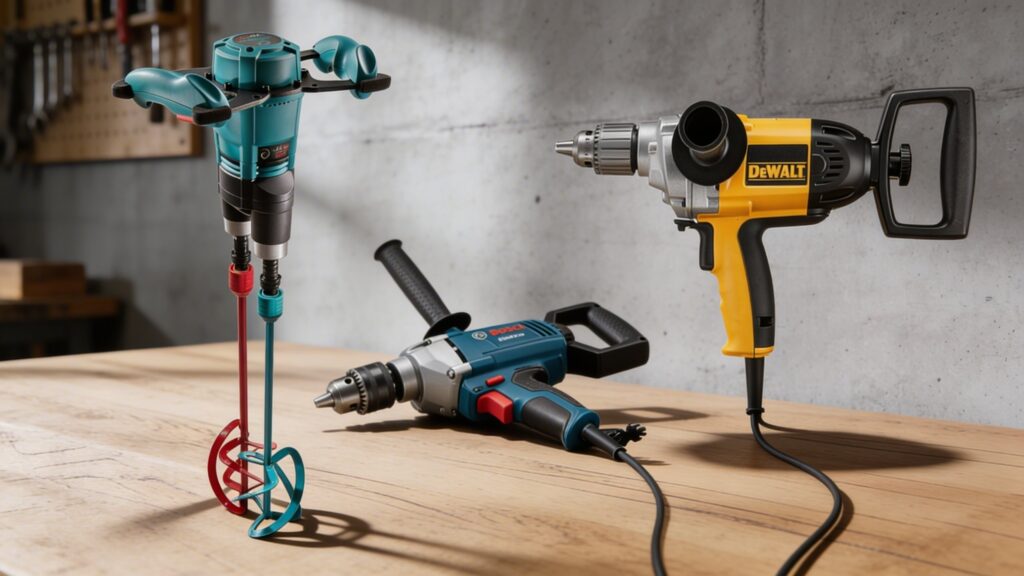
Large batch mixing demands power, stability, and consistent torque. In this guide, we compare and evaluate the best mixing drills designed to handle heavy materials, extended runtimes, and demanding jobsite mixing tasks.

Reviews You Can Trust
Best Mixing Drills for Large Batch Mixing Top 10 Picks
Our editorial picks ranked by torque delivery, mixing control, comfort, durability, and real-world performance for mortar, thinset, grout, plaster, and other heavy material batches.
#1
Best Overall
Score: 9.8 / 10
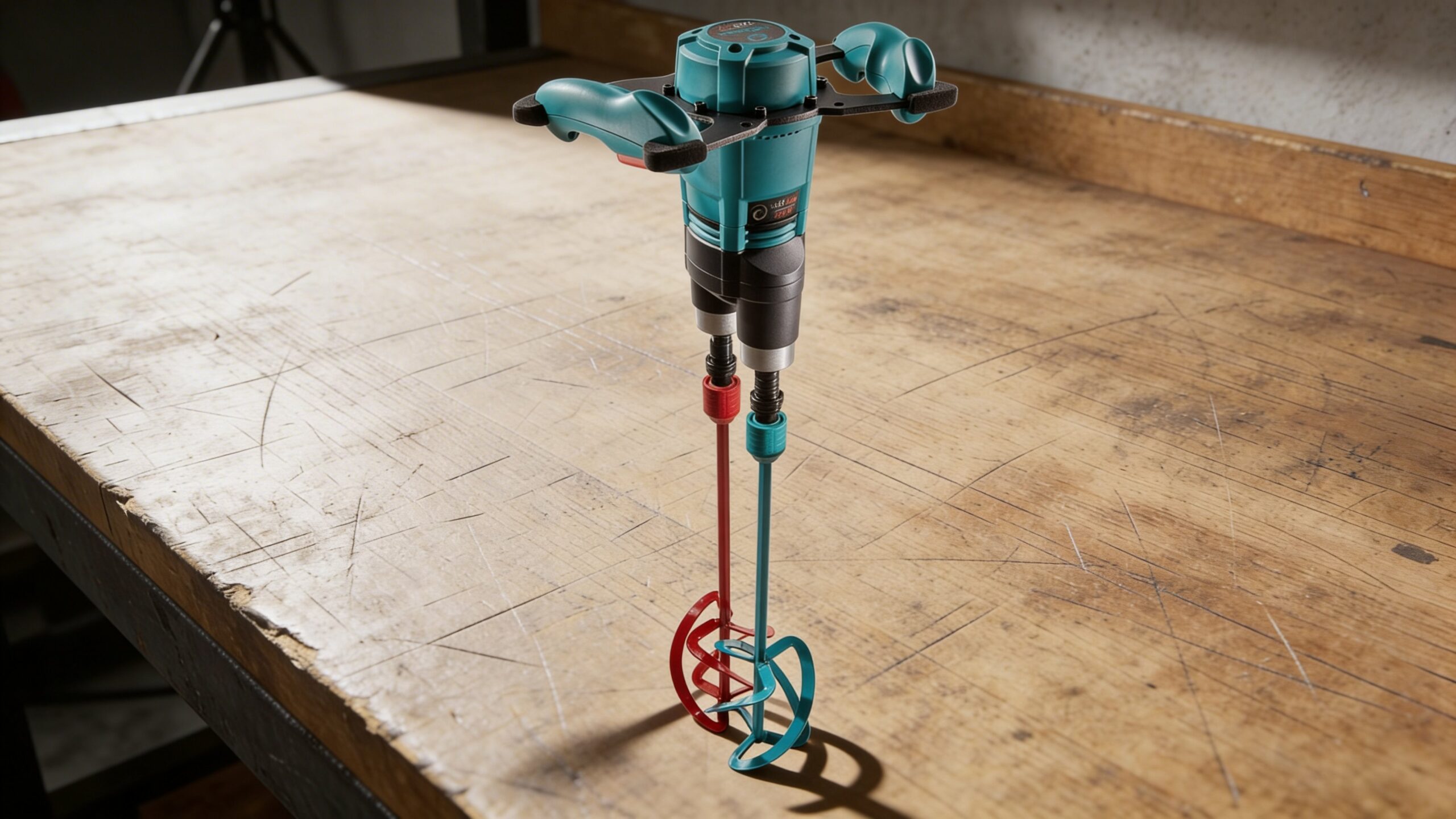
Collomix Xo 4 R
A true heavy-duty mixing specialist with excellent low-speed stability, strong torque delivery, and the kind of refined balance that helps during demanding batch work. It is the standout choice when you want pro-grade confidence for repeated mixing of mortar, grout, and other dense materials.
Torque: Exceptional
Control: Excellent
Mix Type: Heavy Materials
Best For: Pro Batch Mixing
Pros
- Outstanding torque for thick and heavy compounds
- Very controlled low-speed operation under load
- Built for frequent professional mixing sessions
Cons
- Premium pricing versus homeowner options
- Heavier than lighter-duty compact mixers
- Overkill for occasional small repair jobs
Best For
- Contractors mixing dense mortar and thinset daily
- Large batch jobs that demand control and endurance
- Buyers wanting a dedicated pro mixing platform
#2
Best for Pros
Score: 9.5 / 10
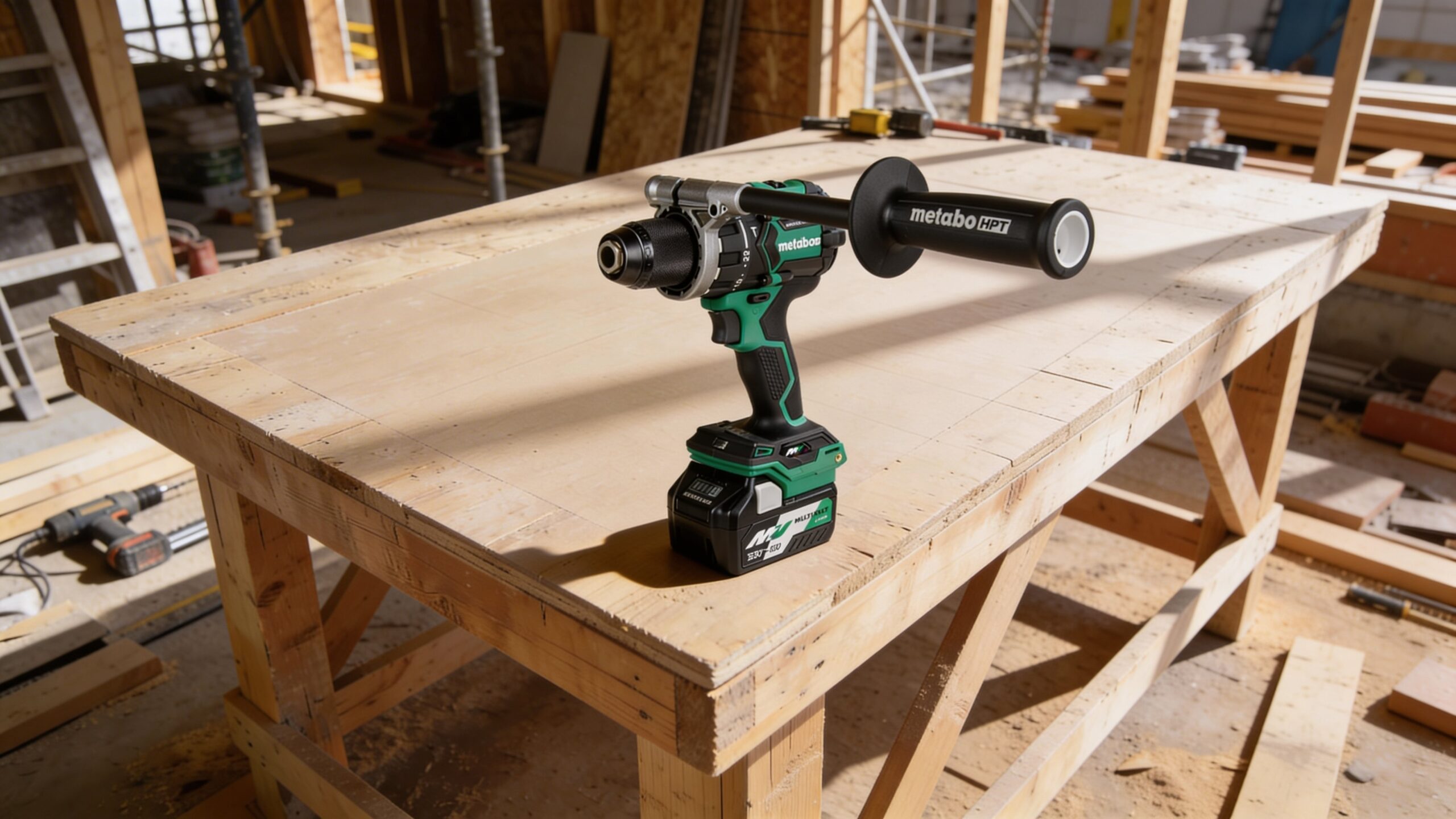
Metabo RWEV 1200-2
This is a jobsite-ready mixing drill with excellent durability, strong sustained output, and the kind of speed control that inspires trust with heavier compounds. It earns a top-tier spot for pros who want repeatable results and a serious workhorse feel.
Torque: High
Durability: Excellent
Speed: 2-Speed Control
Best For: Daily Pro Use
Pros
- Strong sustained performance in dense material mixes
- Very good speed control for cleaner blending
- Built to handle frequent professional use
Cons
- Pricier than casual-use mixing drills
- Bulkier than light-duty homeowner models
- More tool than many small jobs require
Best For
- Tile and flooring crews mixing all day
- Pros who need consistent low-speed control
- Users prioritizing durability and serious output
#3
Best Heavy Duty Value
Score: 9.2 / 10
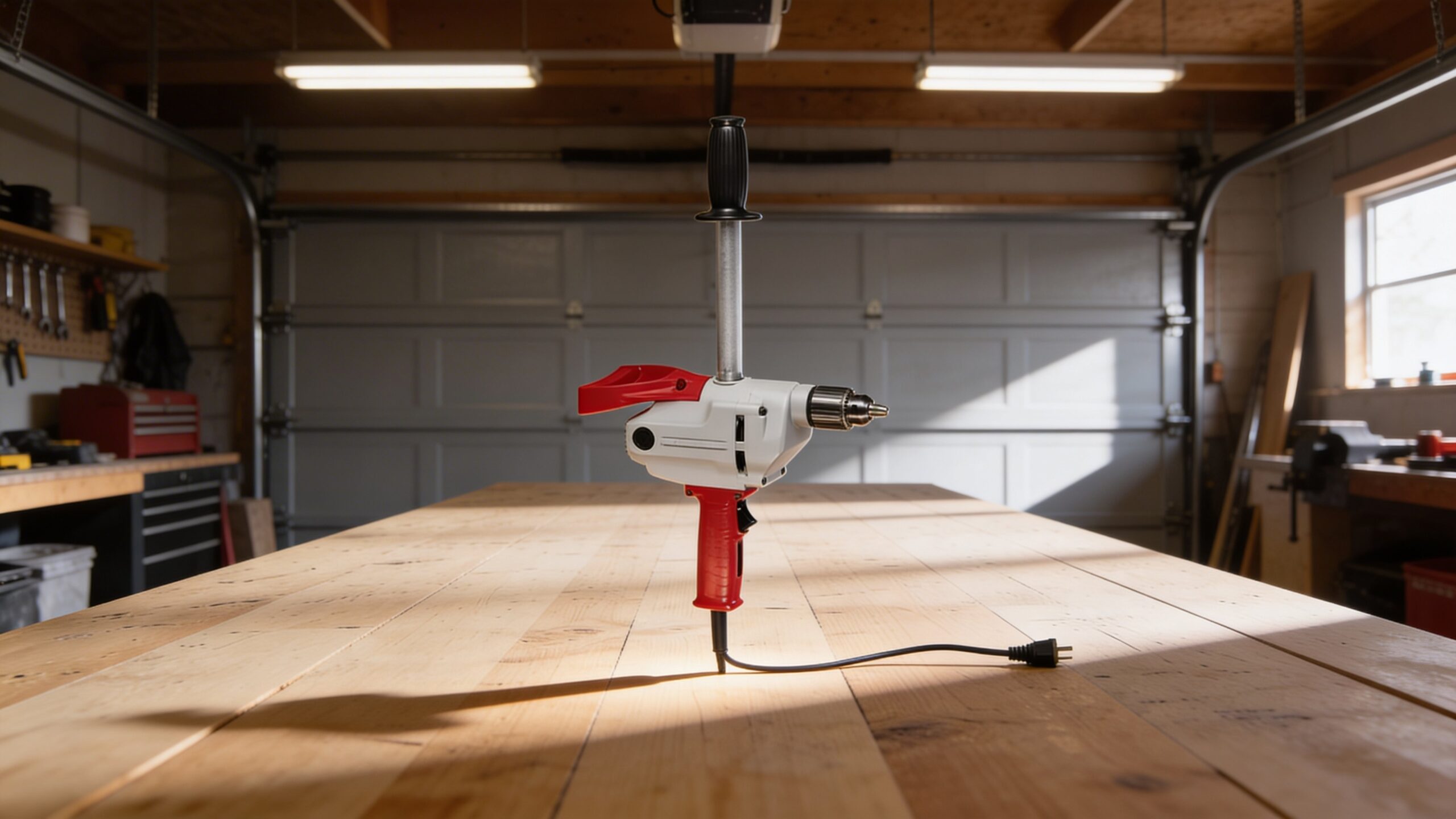
Milwaukee 1660-6
A classic high-torque mixer with raw strength and a straightforward work-focused design that still makes sense for demanding batch jobs. It feels tough, capable, and especially appealing if you want heavy-duty performance without stepping into the most premium price tier.
Torque: Very High
Build: Rugged
Power: Corded
Best For: Thick Mixes
Pros
- Excellent torque for heavy mortar and compound mixing
- Durable no-nonsense construction for tough work
- Good value for users needing serious output
Cons
- Less refined ergonomics than newer specialist mixers
- Corded design limits mobility on some jobsites
- Heavier feel during longer sessions
Best For
- Users mixing dense material in larger batches
- Shoppers wanting proven heavy-duty torque
- Crews that value rugged simplicity
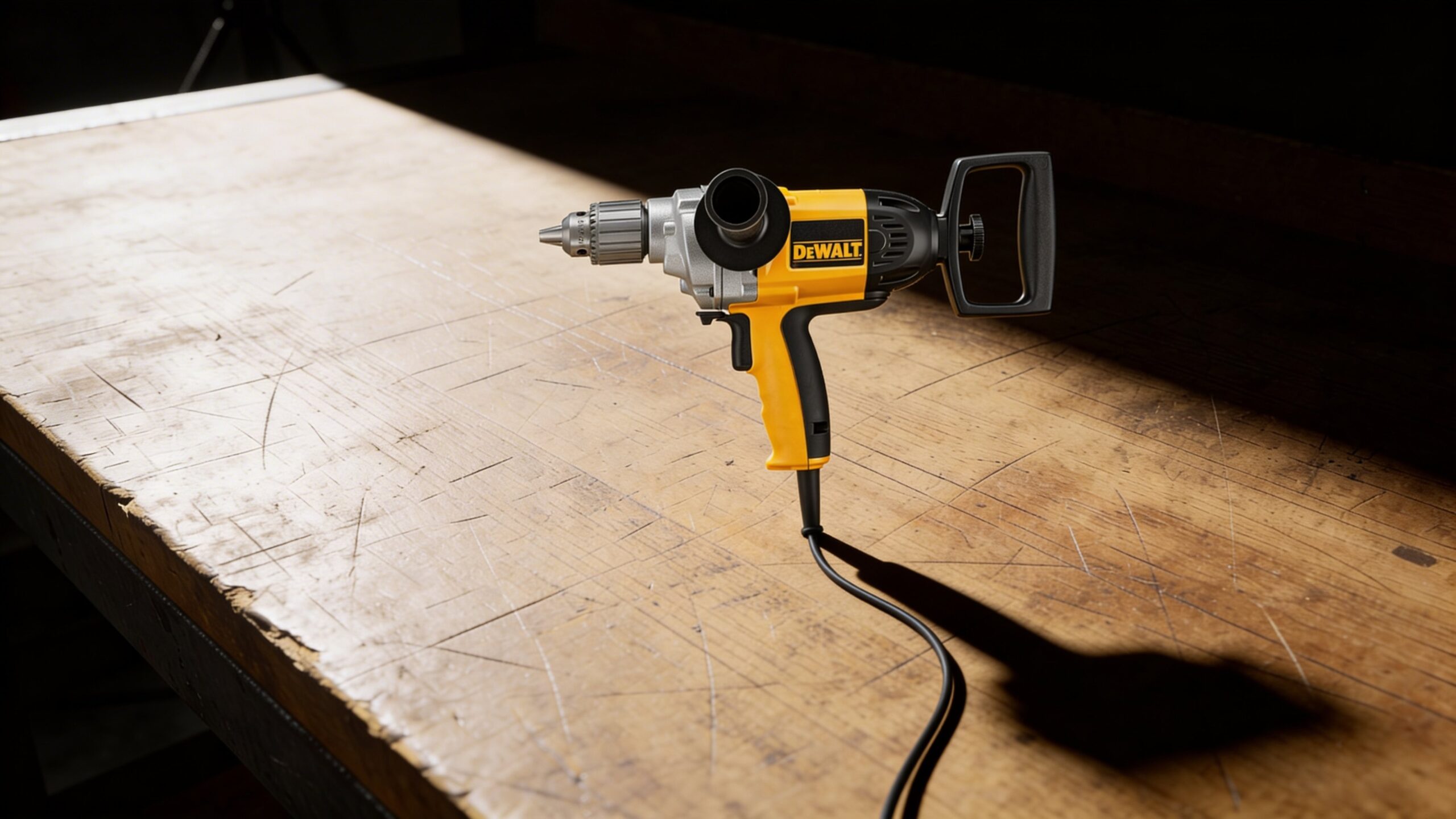
#4
Best Contractor Classic
Score: 9.0 / 10
DeWalt DW130V
The DW130V remains a trusted contractor favorite thanks to its dependable power, simple controls, and strong reputation for real jobsite durability. It is a practical pick for users who want proven corded mixing performance without unnecessary complexity.
Power: Strong
Reliability: Trusted
Control: Variable Speed
Best For: Contractor Work
Pros
- Dependable torque and good mixing consistency
- Simple proven design that is easy to trust
- Commonly favored for grout and mortar jobs
Cons
- Not as specialized as premium dedicated mixers
- Cord management can slow mobile setups
- Feels dated next to newer ergonomic designs
Best For
- Contractors wanting a proven mixing drill
- Mid-to-heavy batch mixing on site
- Buyers who prefer straightforward corded tools
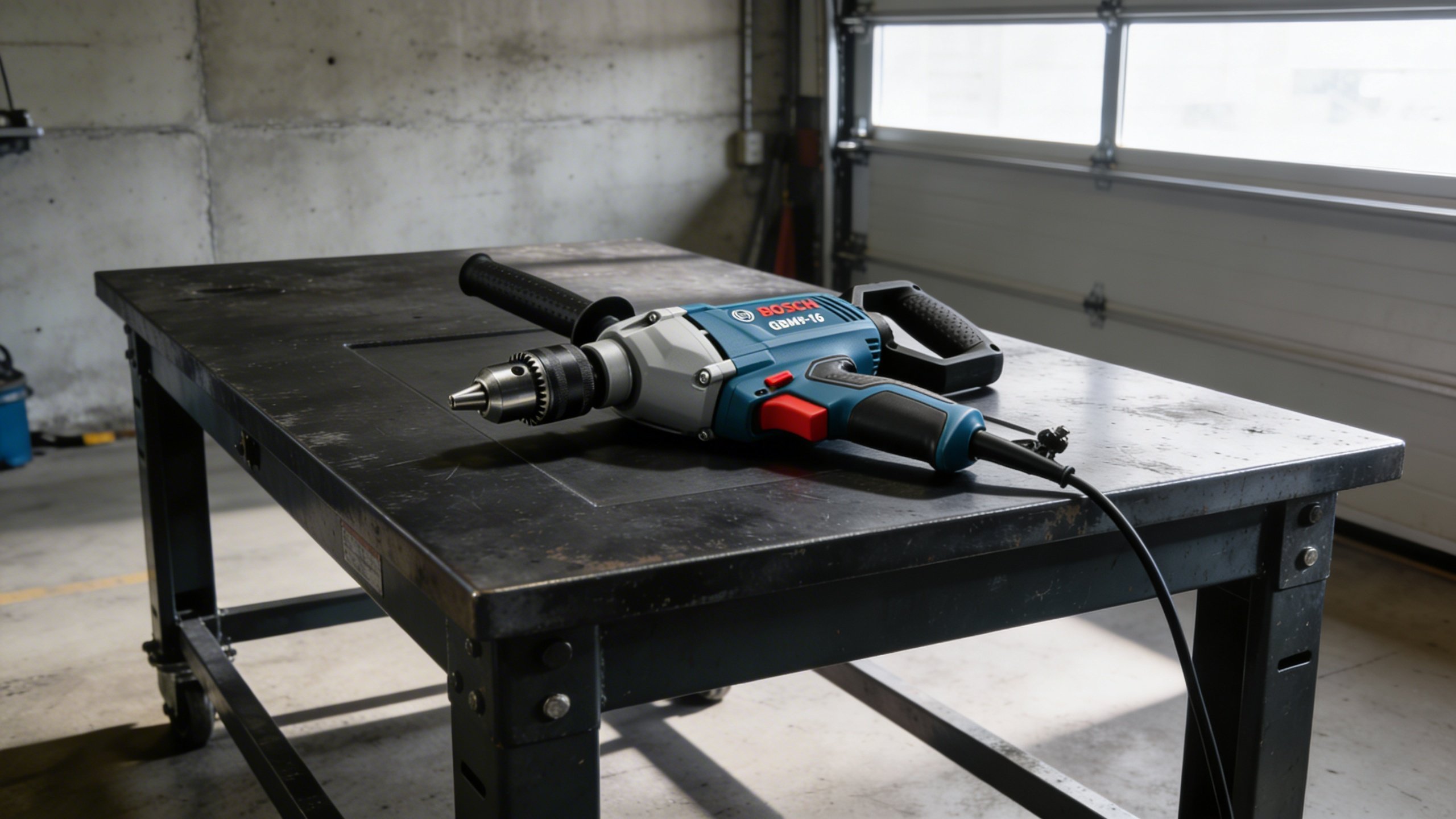
#5
Best Compact Corded Pick
Score: 8.9 / 10
Bosch GBM9-16
Compact for a corded mixer-style tool, the GBM9-16 balances solid power with easier handling in smaller spaces and lighter-duty batch work. It is a smart choice for users who want corded consistency without jumping to the biggest and heaviest format.
Size: Compact
Handling: Easy
Power: Corded
Best For: Medium Batches
Pros
- Good control and manageable size for corded mixing
- Reliable performance for lighter-to-medium materials
- Easier to maneuver than bigger heavy-duty units
Cons
- Less brute force than top heavy-duty mixers
- Not the first pick for very dense large batches
- Corded design still limits movement
Best For
- Smaller crews mixing moderate amounts regularly
- Users wanting easier handling in tighter spaces
- Projects that do not need maximum torque
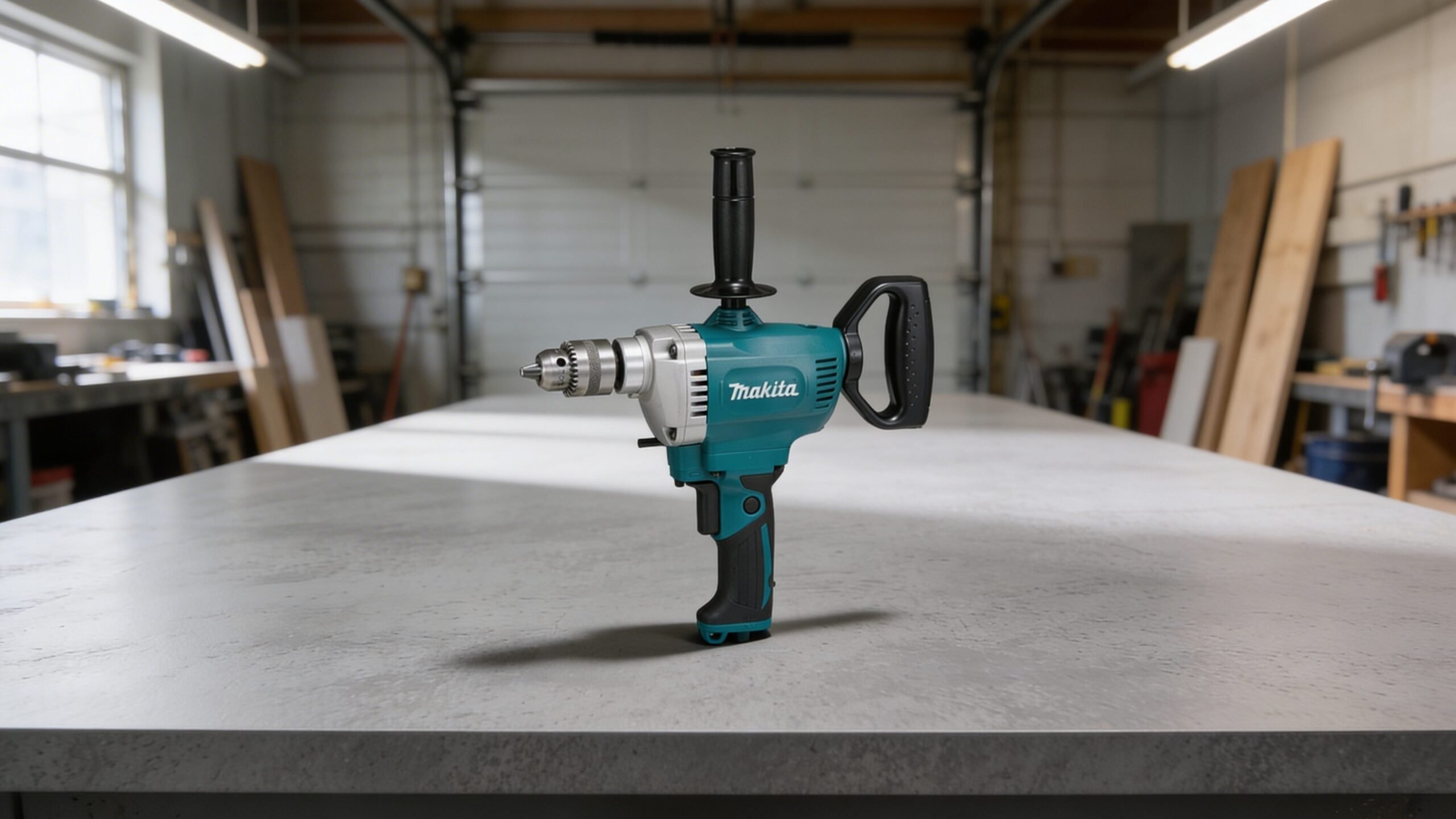
#6
Best Comfort and Control
Score: 8.8 / 10
Makita DS4012
Smooth handling and strong ergonomics make the DS4012 especially appealing for users who spend long stretches mixing and want less fatigue. It offers a refined feel that helps with control, especially on steady repetitive jobs.
Control: High
Comfort: Excellent
Power: Corded
Best For: Long Sessions
Pros
- Comfortable handling during extended mixing sessions
- Very controlled operation for cleaner blending
- Solid build quality from a trusted brand
Cons
- Not the top brute-force choice for the heaviest mixes
- Typically costs more than entry-level alternatives
- Corded setup is less convenient than smaller portable options
Best For
- Installers who value comfort and smooth control
- Medium-to-heavy mixing with less fatigue
- Users who prefer refined ergonomics
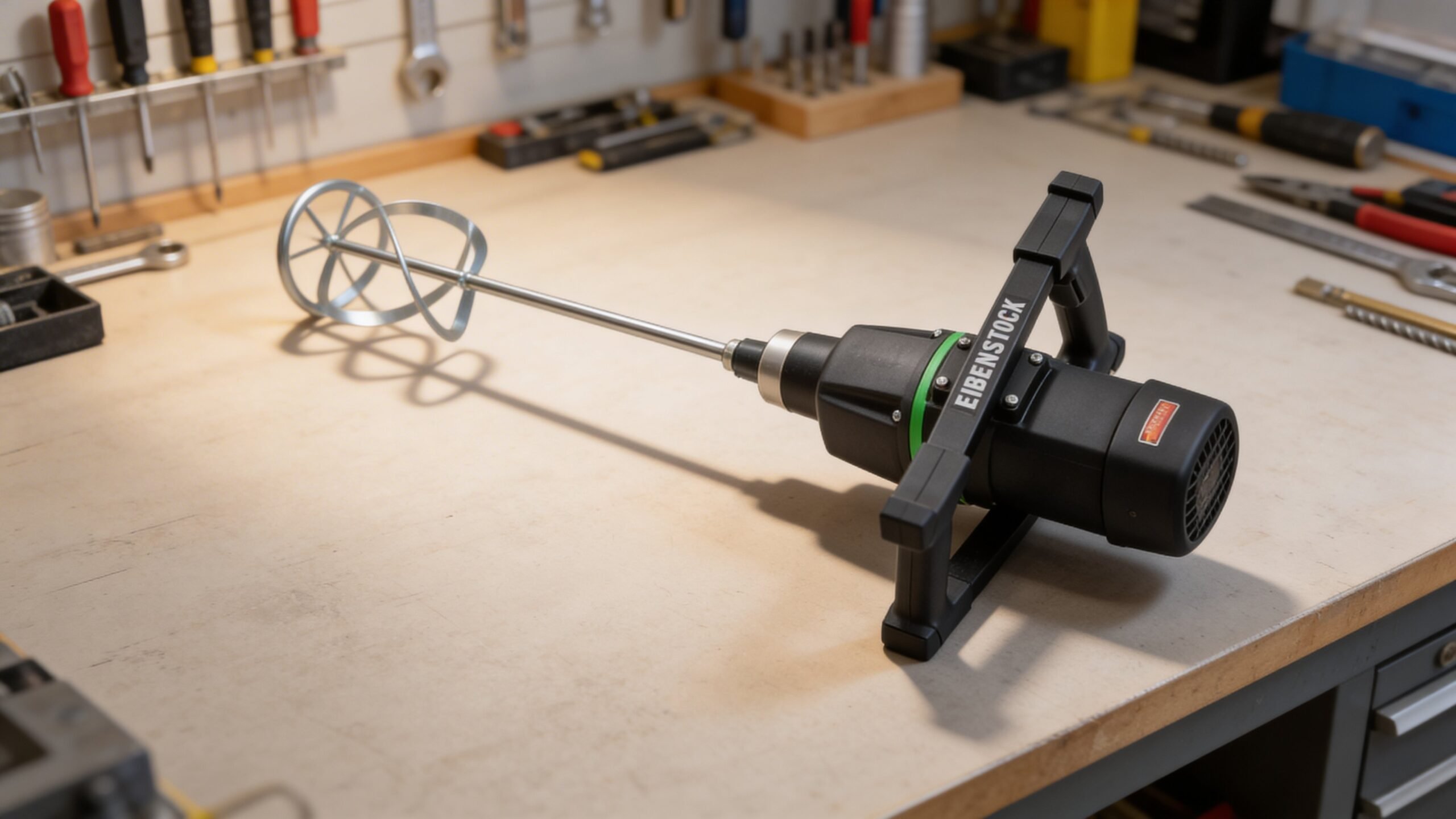
#7
Best for Precision Mixing
Score: 8.7 / 10
Eibenstock EHR 20-2
This model stands out for controlled speed delivery and a more specialized mixing feel that suits finishing materials, coatings, and precise blend consistency. It is a compelling option when finesse matters almost as much as raw power.
Precision: Excellent
Speed: Controlled
Mix Type: Fine Materials
Best For: Consistent Blends
Pros
- Strong control for smoother, more even material blending
- Well suited to coatings and finish-oriented mixes
- Refined specialist feel versus generic drills
Cons
- Less familiar brand for some U.S. buyers
- Accessory and retailer availability can vary
- Not as mainstream as larger contractor favorites
Best For
- Users mixing coatings, plasters, and smoother compounds
- Jobs needing precise speed control
- Buyers wanting a more specialized mixing tool
#8
Best Tile Crew Pick
Score: 8.6 / 10
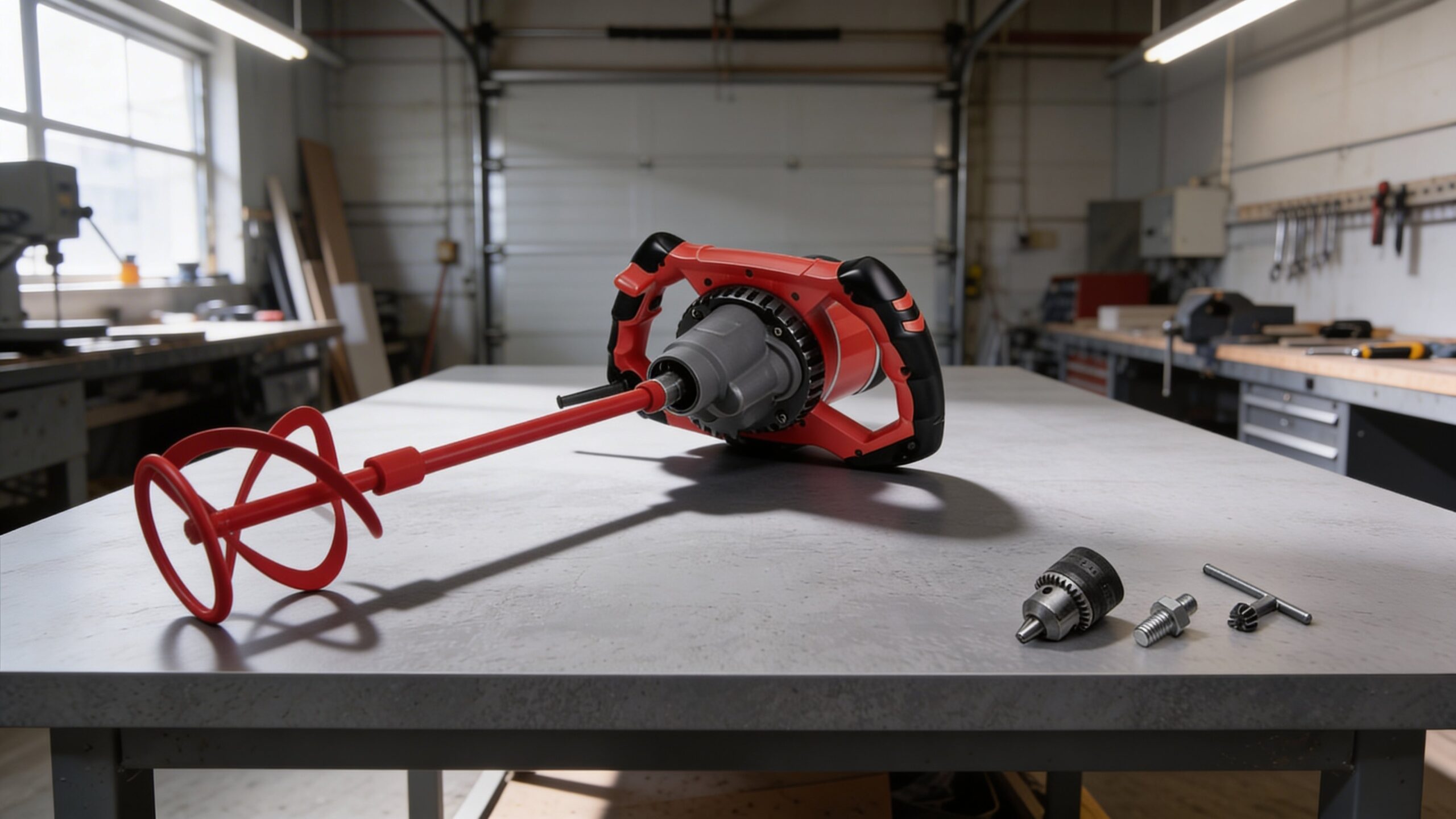
Rubi Rubimix-9 N Plus
Designed with tile and installation work in mind, this mixer delivers a good blend of control, durability, and practical jobsite usability. It is especially attractive for crews mixing adhesives, grout, and similar materials on a regular basis.
Control: Strong
Use Case: Tile Work
Power: Corded
Best For: Adhesives and Grout
Pros
- Well matched to tile-setting material mixing needs
- Good usability for adhesive and grout batches
- Purpose-built feel versus generic drilling tools
Cons
- Less versatile outside mixing-focused tasks
- Availability may depend on retailer selection
- Not as powerful as the top heavy-batch picks
Best For
- Tile professionals and remodel crews
- Regular grout, adhesive, and thinset mixing
- Buyers wanting a dedicated install-oriented mixer
#9
Best Value for Mud Work
Score: 8.4 / 10
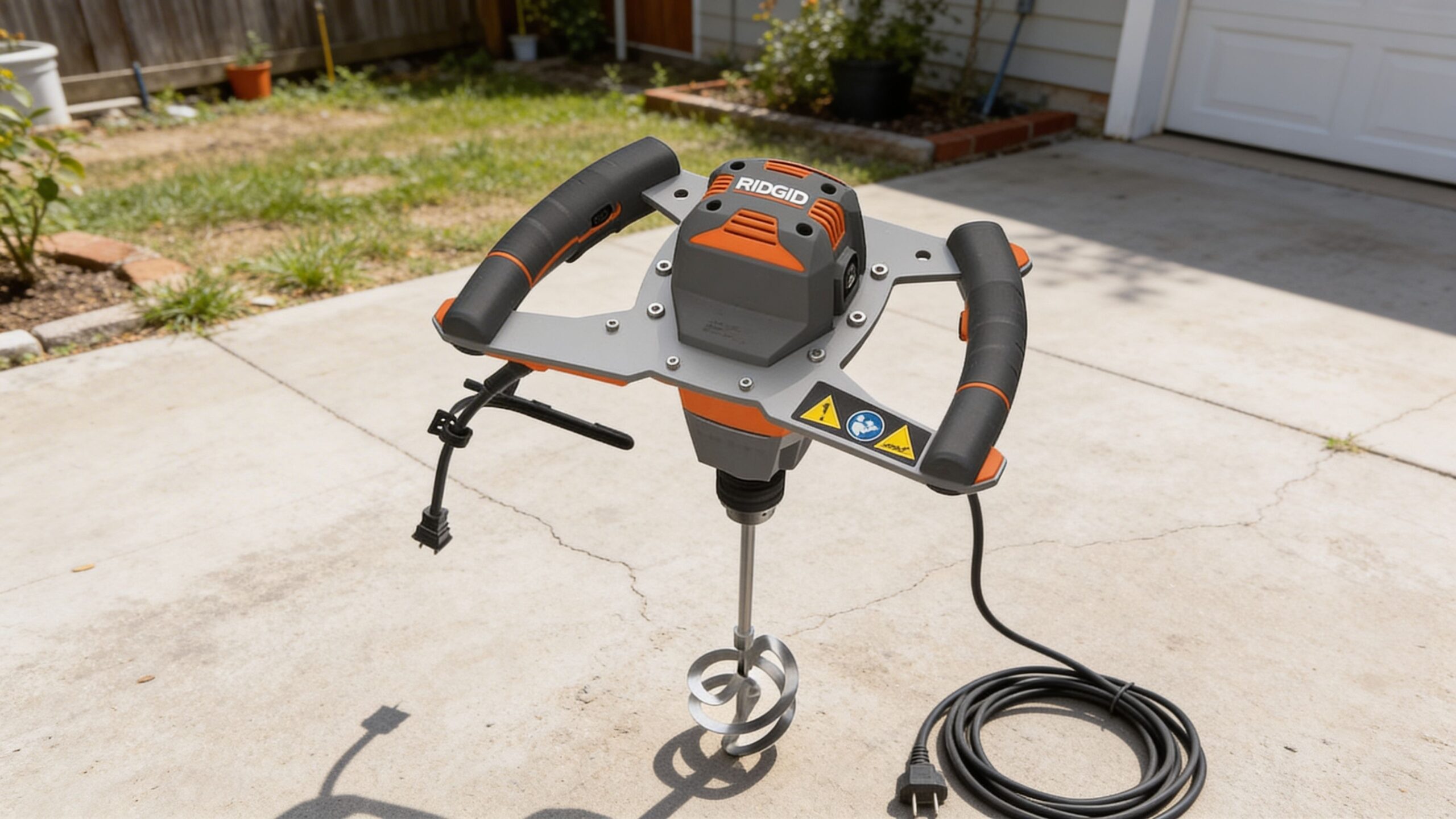
Ridgid R7135 Mud Mixer
A practical value-minded mixer that is especially appealing for drywall mud, thin compounds, and routine batch prep where a dedicated tool makes life easier. It is not the most refined option here, but it covers a lot of common work for the money.
Value: Strong
Use Case: Mud Mixing
Power: Corded
Best For: Routine Prep
Pros
- Good value for dedicated mud and light compound mixing
- Simple to use for common contractor and repair tasks
- More practical than forcing a standard drill to do the job
Cons
- Not the top performer for very dense heavy mixes
- Less premium feel than higher-ranked units
- Best fit is narrower than more versatile pro mixers
Best For
- Drywall mud and lighter compound mixing
- Value shoppers wanting a dedicated mixer
- Occasional-to-regular repair work
#10
Best Budget Dedicated Mixer
Score: 8.1 / 10
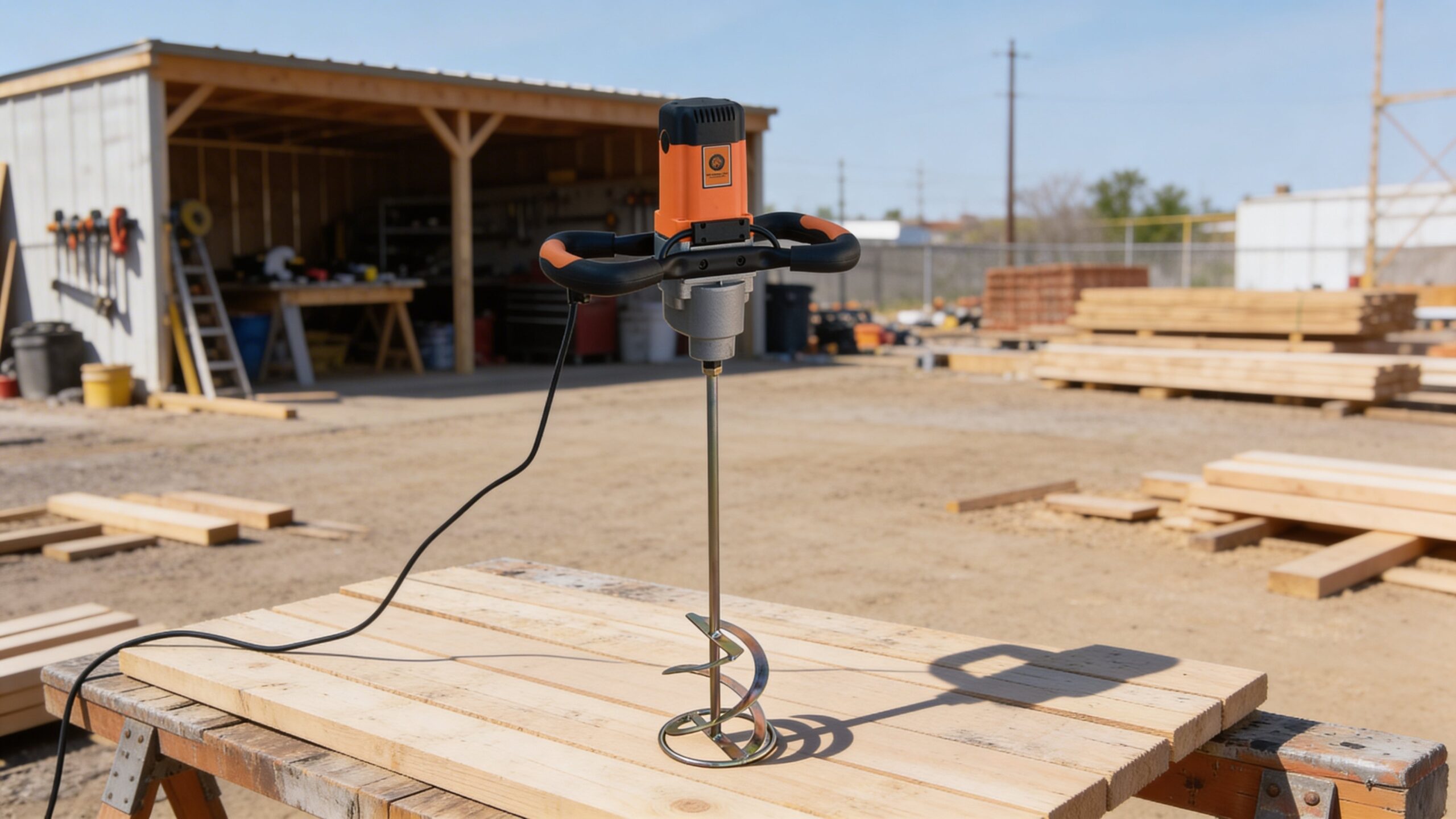
BN Products BNR6400 Power Mixer
This is the budget-conscious dedicated mixer pick for users who want more purpose-built capability than a standard drill but do not need premium contractor-level refinement. It can be a sensible entry point for lighter recurring mixing jobs and smaller project batches.
Budget: Friendly
Format: Dedicated Mixer
Power: Corded
Best For: Light Batch Work
Pros
- Affordable way to move beyond a standard drill
- Purpose-built for recurring light mixing tasks
- Good entry point for smaller project batches
Cons
- Not ideal for large dense professional batch work
- Less refined build and feel than premium options
- Better for lighter duty than all-day contractor use
Best For
- Smaller renovation and repair projects
- Users shopping for a lower-cost dedicated mixer
- Occasional batch mixing with modest material loads