This guide compares ten mixing drills suited for professional contractors, evaluating torque output, speed control, durability, ergonomics, and jobsite performance to support informed, specification-driven purchasing decisions.

Reviews You Can Trust
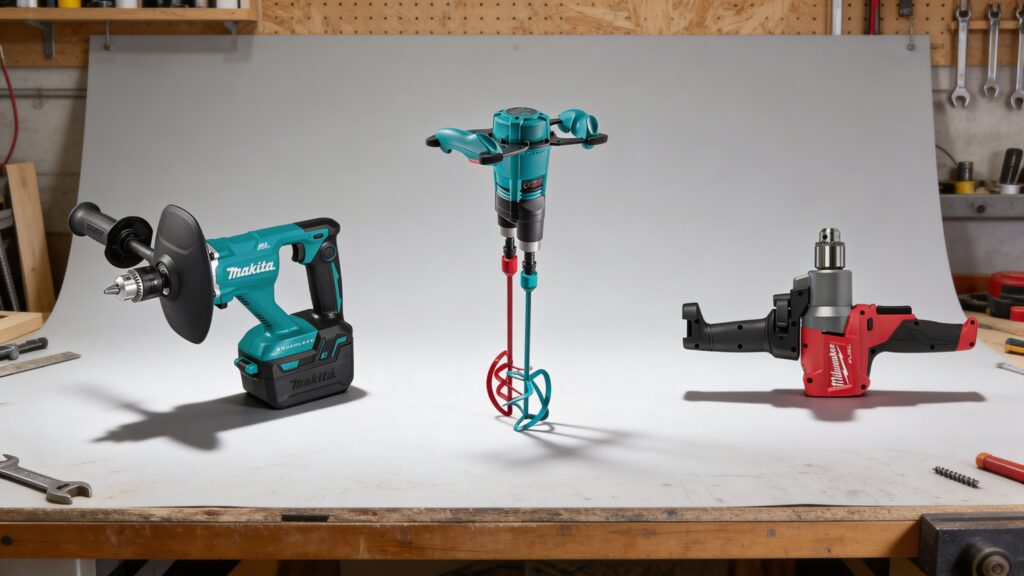
Best Mixing Drills for Professional Contractors (Top 10 Picks)
Our editorial picks ranked by mixing power, low-speed control, durability, and day-to-day handling. Tap any image to expand, or jump to full reviews for deeper specs.
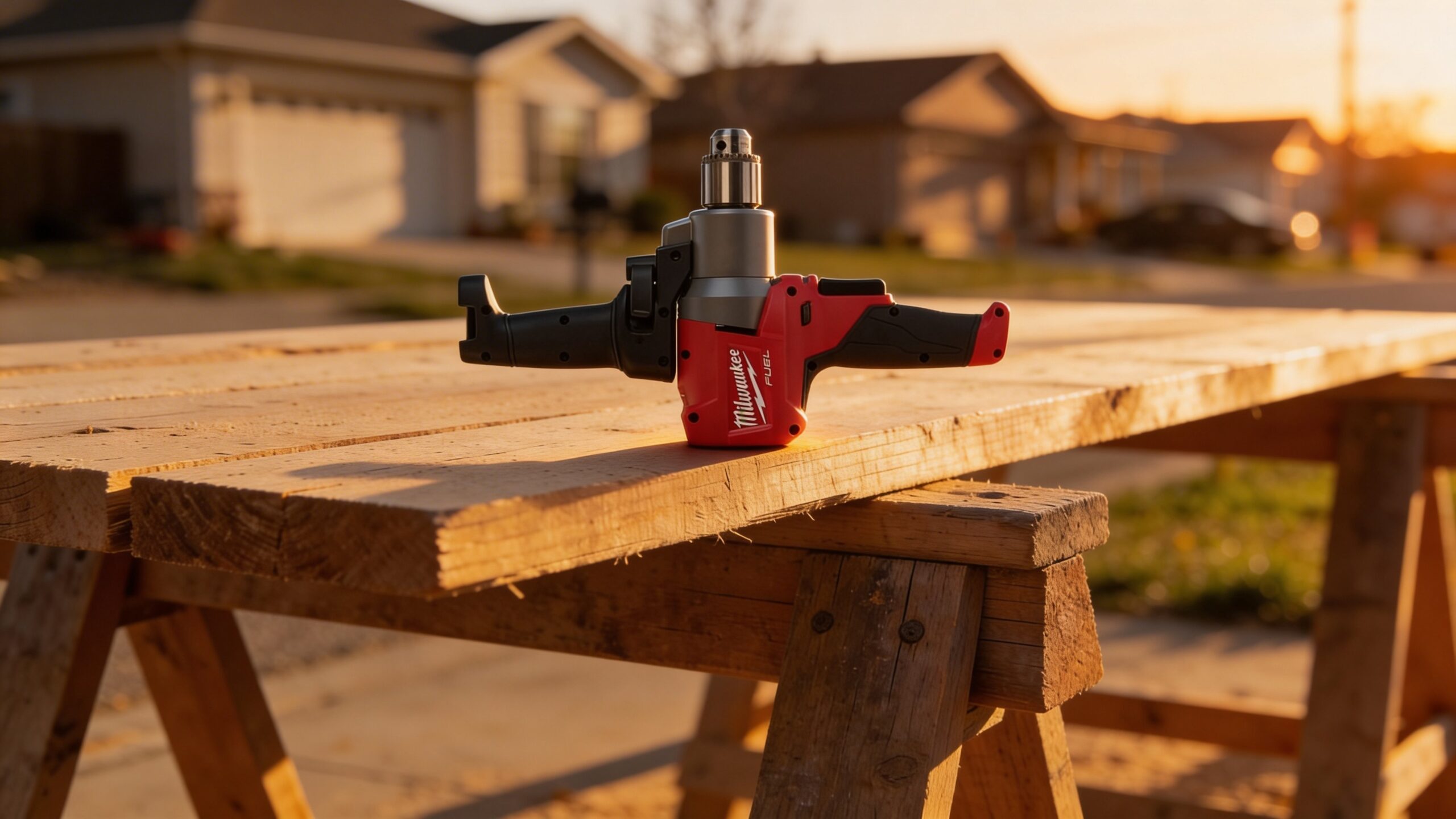
#1
Best Overall
Score: 9.7 / 10
Milwaukee M18 Fuel Mud Mixer
Built for heavy, repeat mixing with strong torque delivery and confident low-speed control that helps reduce splash and dry pockets. A top-tier cordless option when you want jobsite mobility without sacrificing consistency.
Mixing Power: Heavy
Control: Excellent
Platform: M18 System
Best For: Daily Mud
Pros
- Strong torque keeps paddles moving in thick mixes
- Controlled ramp-up helps reduce splatter and blow-by
- Cordless mobility for interior remodel and punch work
Cons
- Heavier with high-capacity batteries installed
- Runtime depends heavily on mix volume and viscosity
- Premium ecosystem cost if starting from zero
Best For
- Tile and flooring crews mixing thinset and grout
- Remodel teams who move room to room all day
- Contractors prioritizing cordless workflow
#2
Best for Heavy Mix
Score: 9.5 / 10
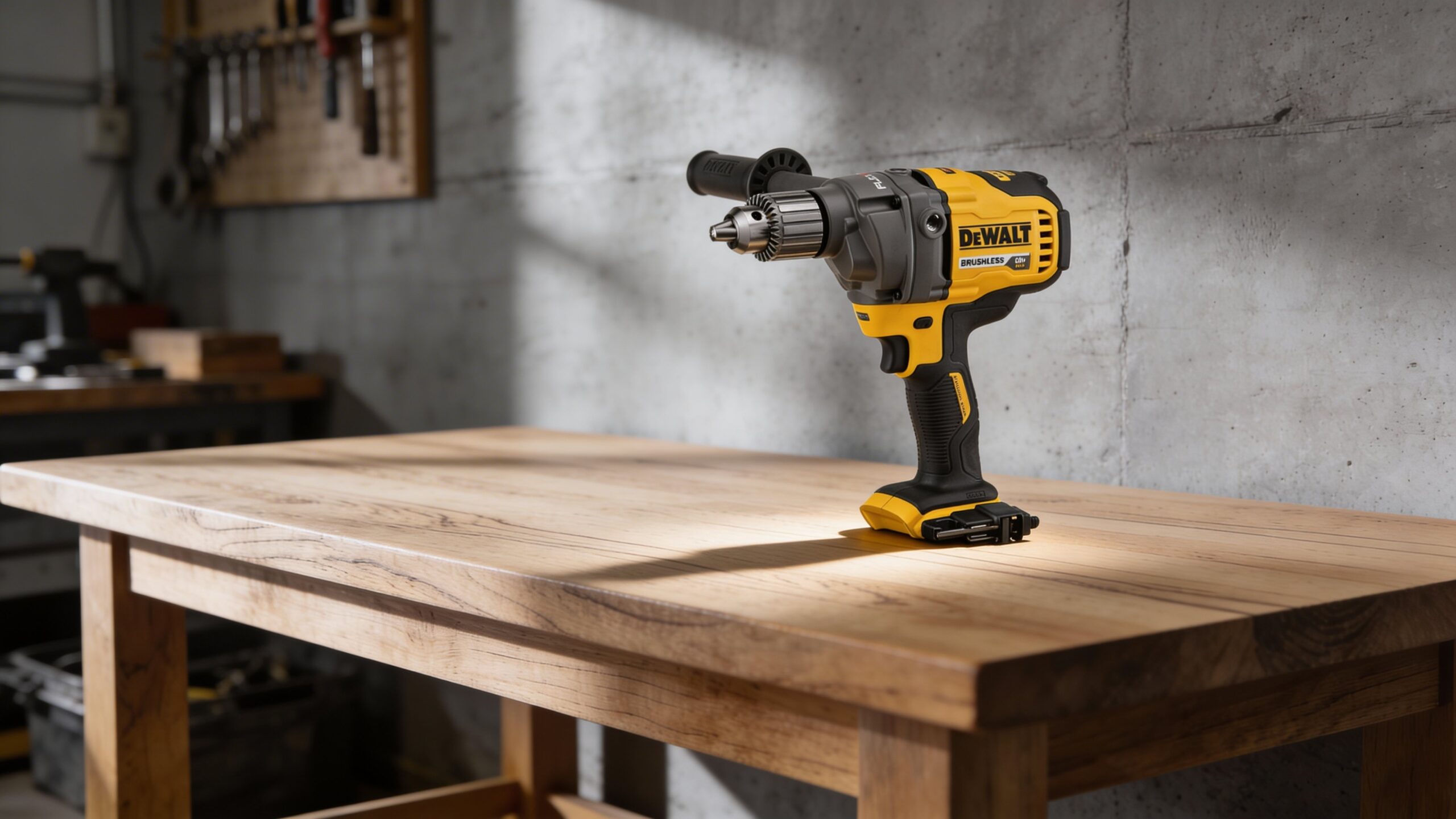
DeWalt 60V Max Mixer Drill
A high-output cordless mixer built for thicker materials where stall resistance matters. Strong power delivery and a robust feel make it a reliable choice for demanding batches on active jobsites.
Mixing Power: Very High
Control: Very Good
Platform: 60V Max
Best For: Mortar
Pros
- High power headroom for thicker mixes
- Jobsite-ready construction and grip ergonomics
- Good choice for crews already on the platform
Cons
- Bulkier tool body than compact mixers
- Large batteries add weight during overhead work
- Less ideal for quick, small indoor batches
Best For
- Masonry and plaster crews mixing heavier materials
- Contractors who need cordless on large sites
- Users prioritizing stall resistance
#3
Best Corded Pro
Score: 9.3 / 10
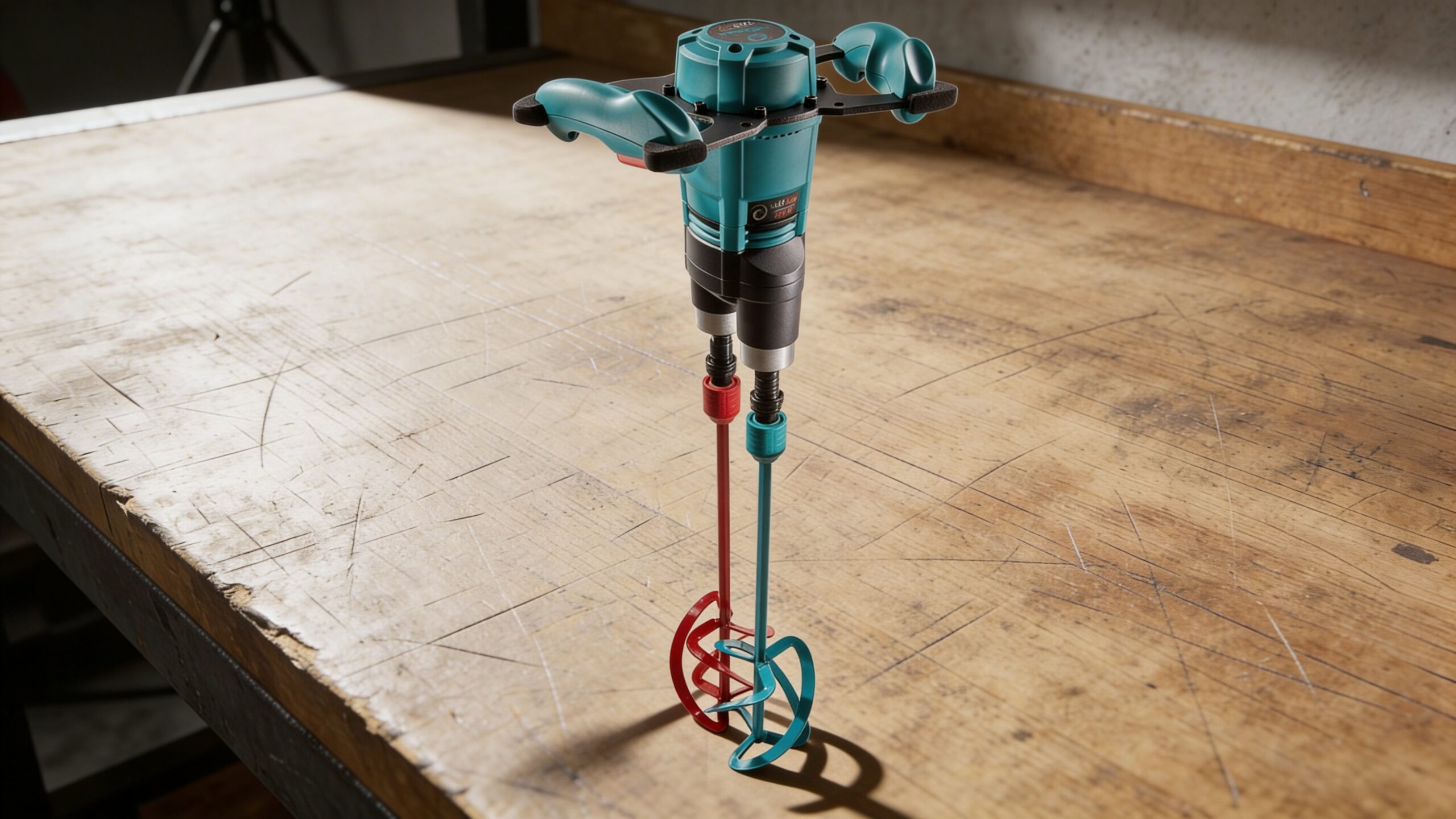
Collomix Xo 6 Mixer
A purpose-built, corded mixer designed for sustained batch work with stable speed and strong torque delivery. Ideal for crews who prioritize consistent performance and don’t want runtime limits.
Duty Cycle: Continuous
Control: Excellent
Power: Corded
Best For: Big Batches
Pros
- Consistent output for long mixing sessions
- Refined control helps prevent aeration and streaks
- Purpose-built handling for paddle mixing
Cons
- Cord management adds setup friction on site
- Higher upfront cost than basic drill mixers
- Less convenient for quick punch-list mixing
Best For
- Flooring crews doing repeated bucket after bucket
- Shops and sites with reliable power access
- Contractors who want consistent, repeatable batches
#4
Best Speed Control
Score: 9.1 / 10
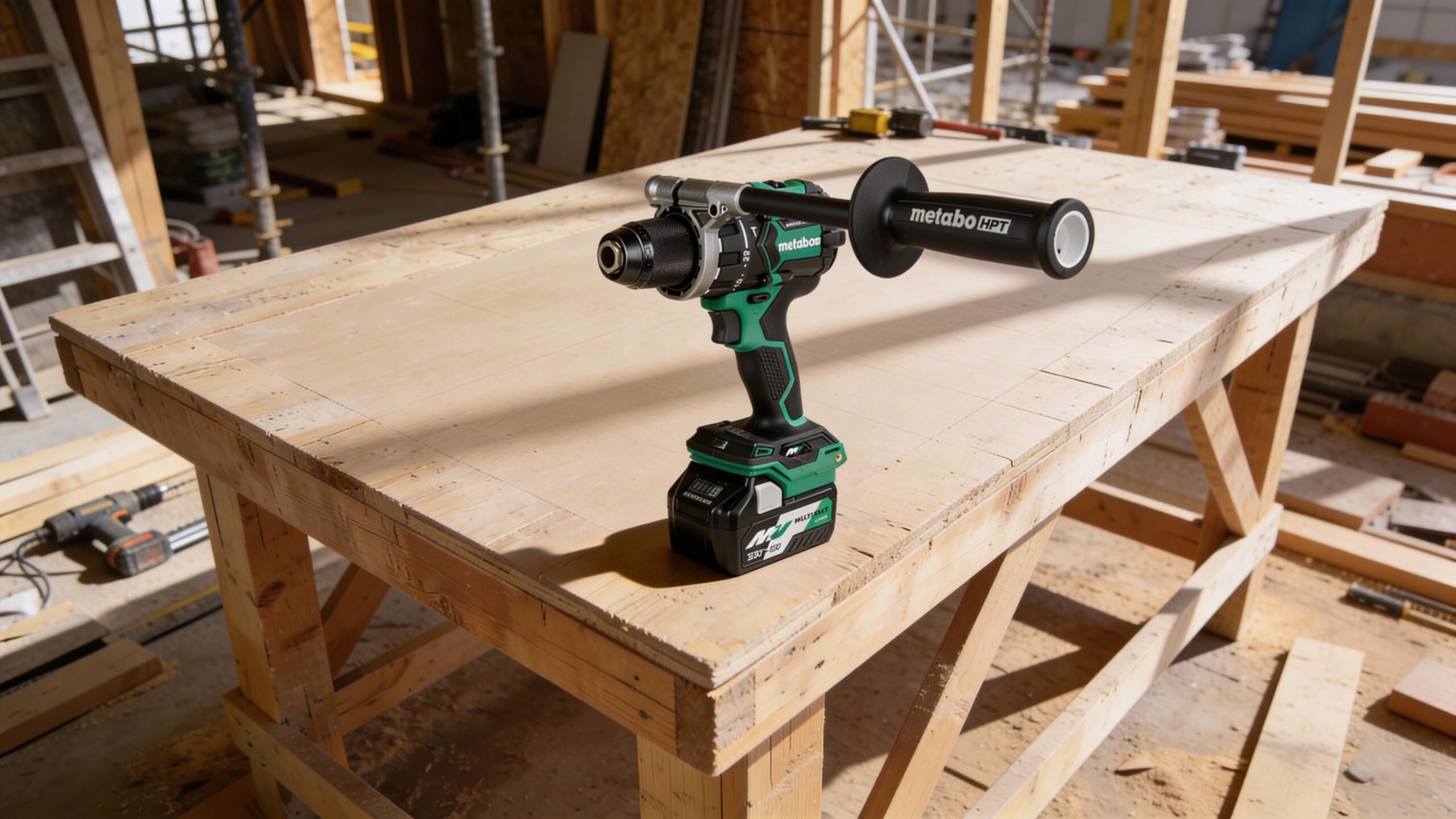
Metabo RWEV 1600-2 Mixer
A corded mixer that emphasizes steady speed management under load, helping maintain uniform consistency when materials change mid-bucket. A strong option for finish-critical mixes where control matters as much as power.
Control: Outstanding
Stability: Very High
Power: Corded
Best For: Finish Mix
Pros
- Very steady speed behavior under changing load
- Good handling for controlled bucket mixing
- Well-suited to repeatable, finish-sensitive batches
Cons
- Corded use limits mobility in tight remodels
- Less convenient for quick, small mixes
- Not as portable as cordless jobsite options
Best For
- Self-leveling underlayment and skim coat mixing
- Crews who want consistent speed behavior
- Workflows with access to reliable power
#5
Best Handling
Score: 8.9 / 10
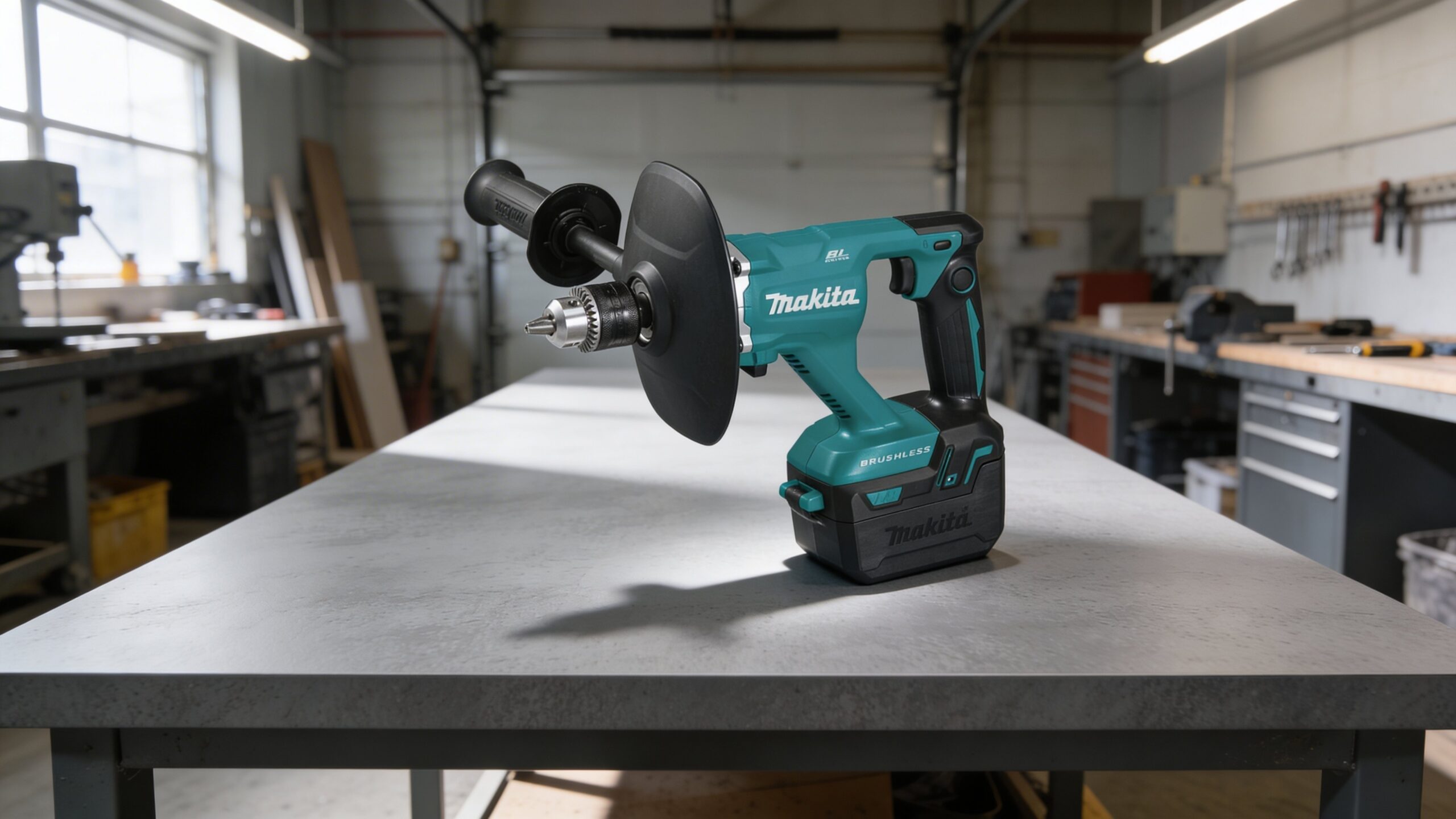
Makita 18V LXT Cordless Mixer
A balanced cordless mixer that prioritizes comfortable control and predictable starts for cleaner buckets. A strong fit for contractors who do frequent medium batches and care about handling quality.
Handling: Excellent
Control: Very Good
Platform: LXT System
Best For: Medium Batches
Pros
- Comfortable grip and stable, predictable mixing feel
- Cleaner starts for less splash at the rim
- Good match for crews already using LXT batteries
Cons
- Not the highest-output option for the thickest mixes
- Runtime varies widely based on material and paddle size
- Best performance typically needs higher-capacity packs
Best For
- Remodelers mixing patch, thinset, and grout
- Contractors who prioritize ergonomics and control
- Jobsite mixing where cords slow you down
#6
Best for Repeated Batches
Score: 8.8 / 10
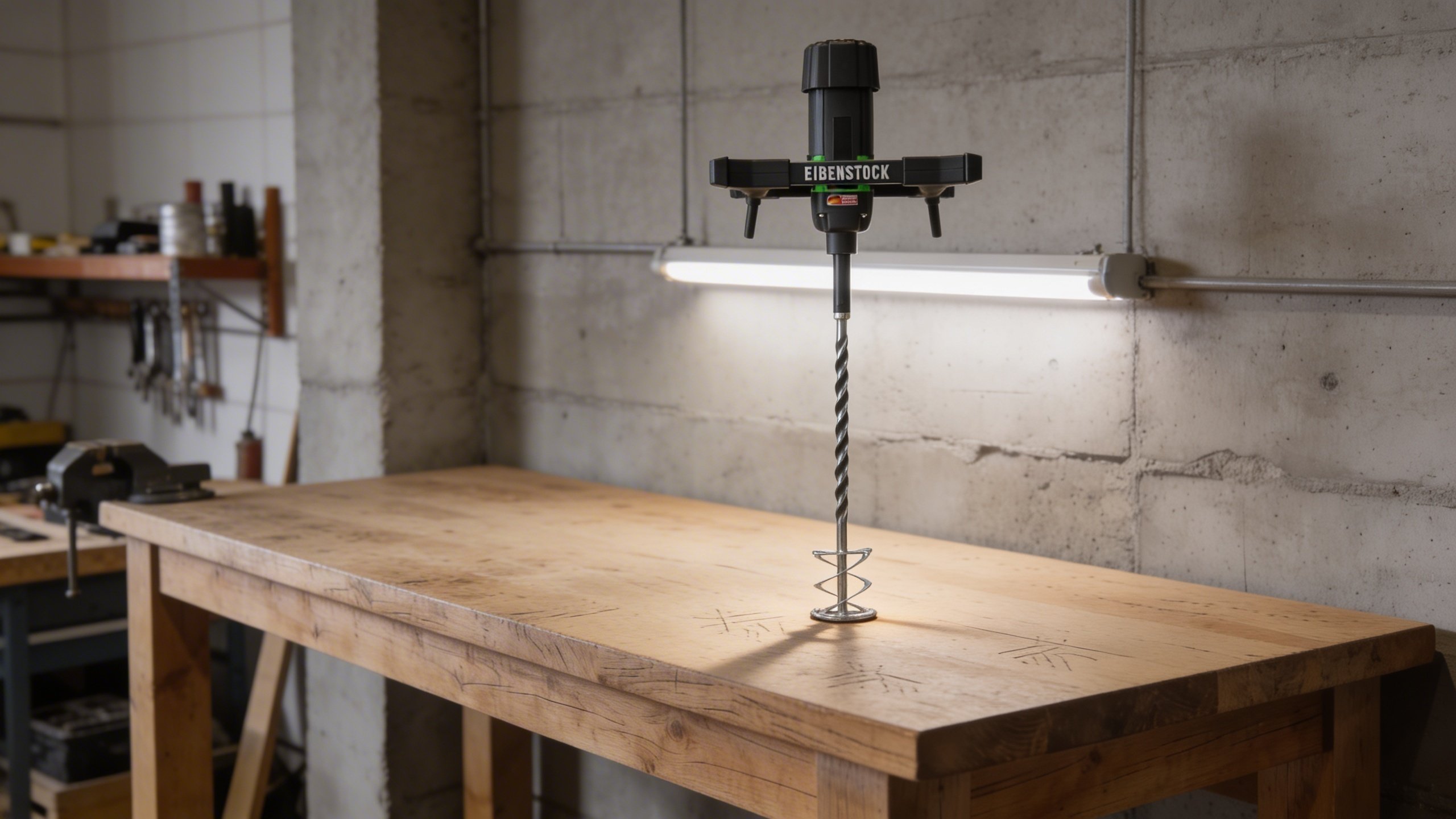
Eibenstock EHR 23-2-4 Mixer
A durable, purpose-built mixer aimed at contractors who mix frequently and want steady, predictable behavior from bucket to bucket. Strong torque delivery and jobsite-ready handling make it a reliable production tool.
Duty Cycle: High
Torque: Strong
Power: Corded
Best For: Production
Pros
- Consistent mixing output for repeated daily batches
- Purpose-built form factor for stable two-hand control
- Good option when runtime limits are unacceptable
Cons
- Corded workflow requires power access and management
- Not the most compact option for tight indoor spaces
- Typically priced above basic drill mixer options
Best For
- Flooring and tile crews mixing day after day
- Large batch work with consistent material specs
- Contractors who want a dedicated mixing tool
#7
Best Compact Corded
Score: 8.6 / 10
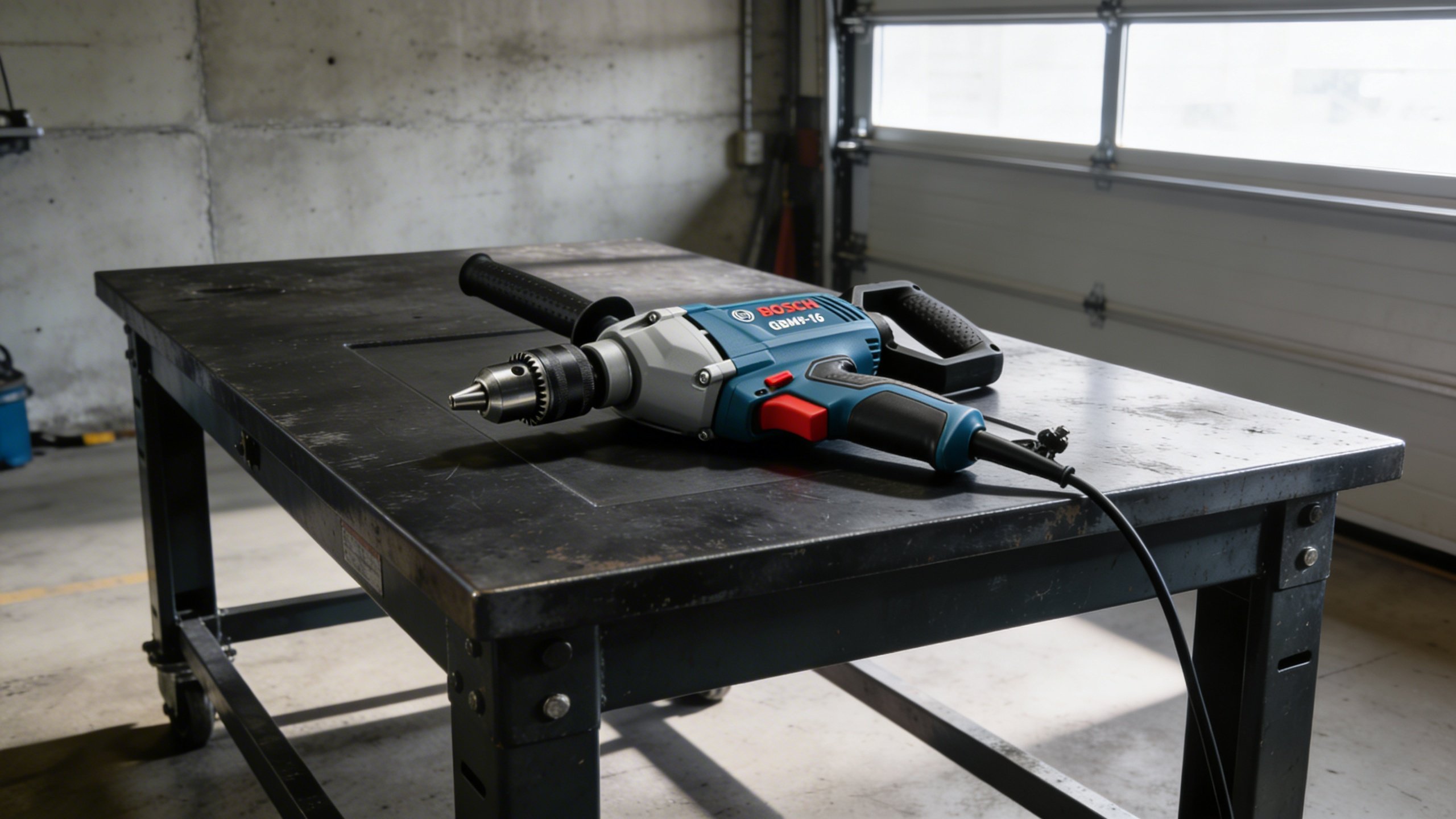
Bosch GBM 9-16 Drill Mixer
A practical corded drill mixer that suits contractors who want dependable low-speed mixing without a full paddle-mixer body. A good fit for smaller buckets and controlled blends where portability matters.
Form: Compact
Control: Good
Power: Corded
Best For: Small Buckets
Pros
- Compact footprint for quick setup and storage
- Useful low-speed behavior for controlled blending
- Good fit for smaller batch mixing tasks
Cons
- Not ideal for very thick, high-volume mud mixing
- Less stability than dedicated dual-handle mixers
- Requires careful technique to avoid aeration
Best For
- Adhesives, grout, and smaller thinset batches
- Contractors who want a lighter corded tool
- Work that prioritizes portability over max capacity
#8
Best Value Corded
Score: 8.4 / 10
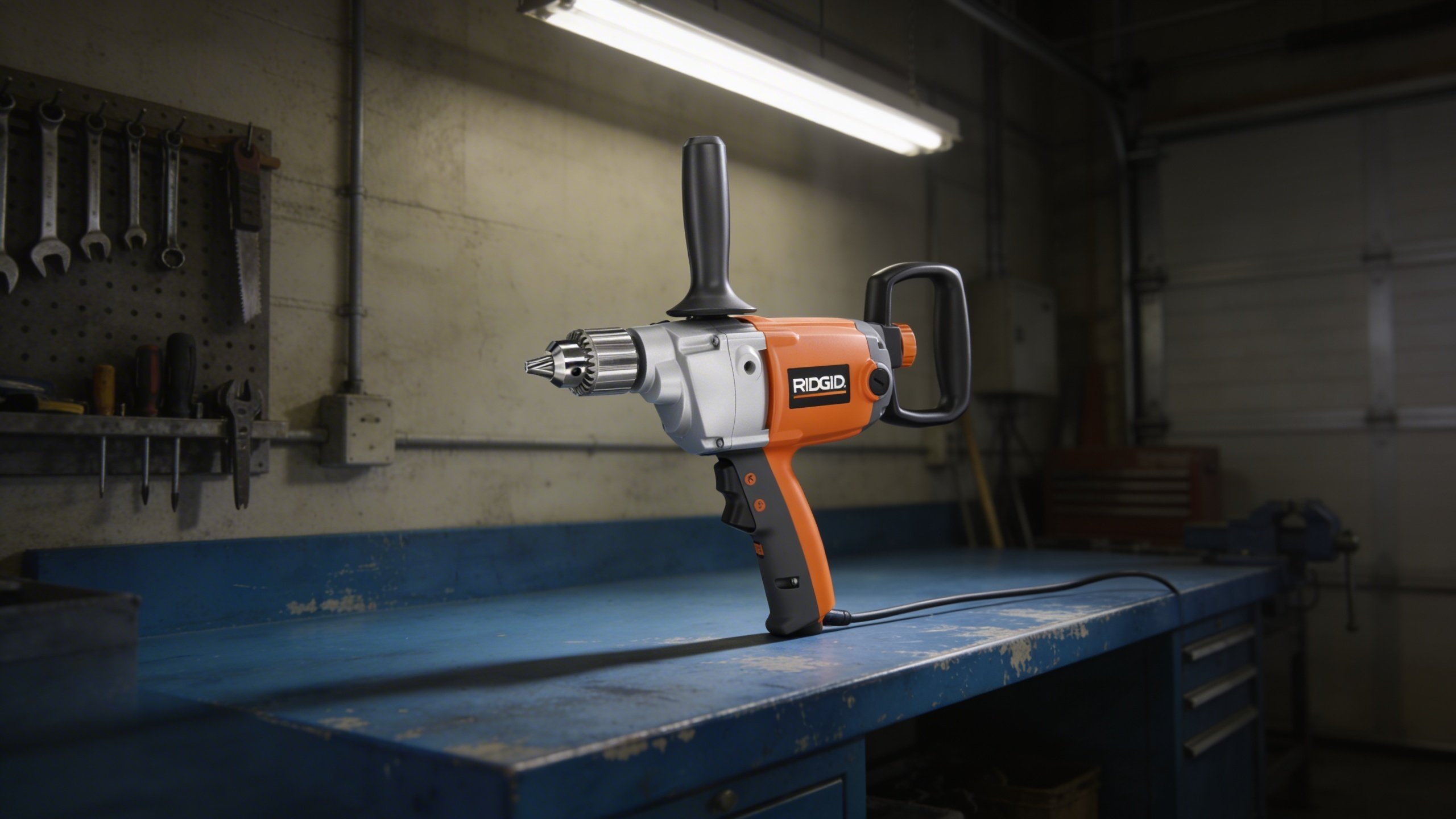
RIDGID 9 Amp 1-2 Drill Mixer
A practical workhorse for contractors who want reliable corded mixing capability without stepping into premium specialty mixers. Strong enough for regular medium batches when technique and paddle choice are dialed in.
Value: Strong
Power: Good
Power: Corded
Best For: Medium Mix
Pros
- Solid corded performance for routine contractor needs
- Good value profile for regular site mixing
- Useful for multiple materials with the right paddle
Cons
- Less stable than dedicated dual-handle mixers
- Can feel taxing during repeated heavy, thick batches
- Cord management still adds setup time
Best For
- General contractors mixing patch and thinset
- Crews who want corded value over cordless mobility
- Small-to-medium batch production
#9
Best Budget Mixer
Score: 8.2 / 10
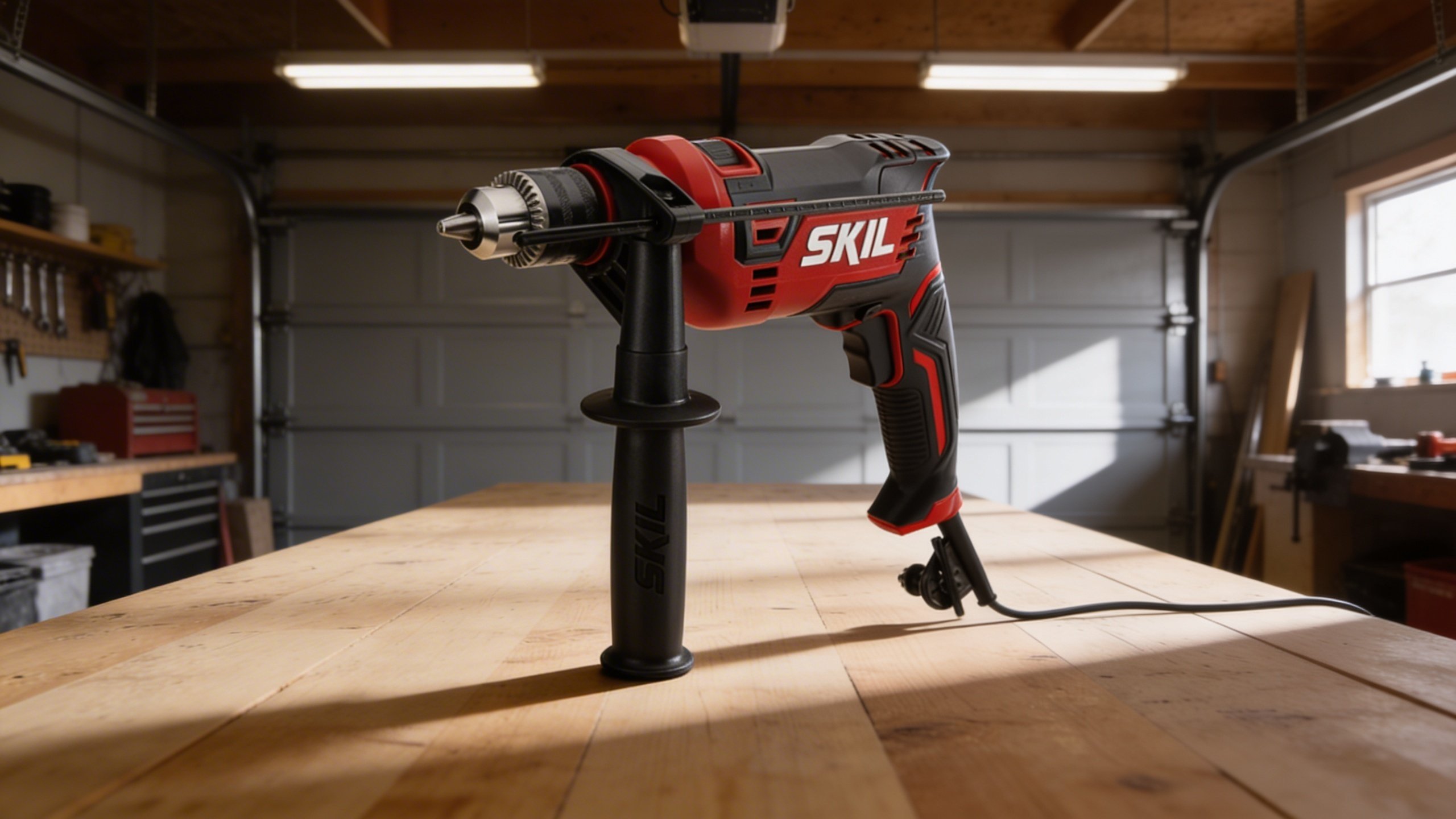
Skil 10 Amp Dual Handle Mixer
A budget-friendly dedicated mixer format that offers improved stability over drill mixers for many common materials. A practical choice for occasional contractor use or as a backup mixer on busy days.
Format: Dual Handle
Stability: Good
Power: Corded
Best For: Backup Tool
Pros
- Dual-handle control feels steadier than drill mixers
- Good fit for occasional mixing and smaller workloads
- Value-oriented path into a dedicated mixer format
Cons
- Not optimized for heavy, daily production mixing
- Less refined speed behavior than premium mixers
- Build quality varies compared to pro-grade tools
Best For
- Remodelers needing a cost-conscious mixer solution
- As a secondary mixer for multi-person crews
- Light-to-medium materials with smaller paddles
#10
Best for Small Batches
Score: 8.0 / 10
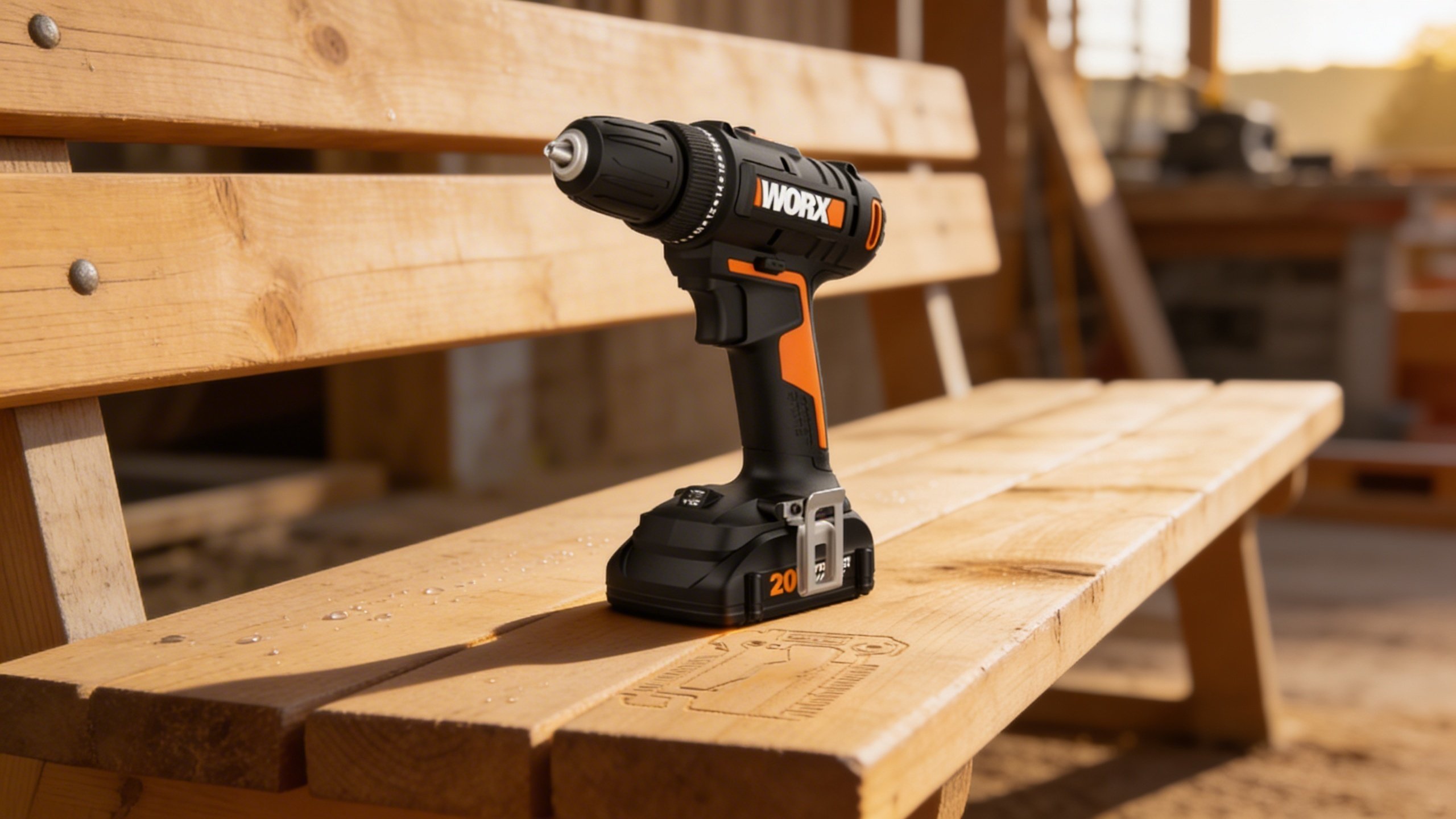
Worx Nitro 20V Cordless Mixer
A compact cordless option that fits quick, smaller mixes where setup speed matters more than maximum output. Best viewed as a light-duty mixer for controlled batches and tight-space work.
Portability: High
Control: Good
Platform: 20V System
Best For: Small Mix
Pros
- Fast setup for quick, small bucket mixing
- Easy to maneuver in tight indoor work areas
- Good choice for controlled, light-duty batches
Cons
- Limited headroom for thick, high-volume materials
- Runtime can drop quickly with dense mixes
- Not intended for daily production workloads
Best For
- Small repair batches and punch-list mixing
- Interior remodel work where cords are a hassle
- Contractors who want a compact secondary mixer