We evaluated the best right-angle drills for tight spaces, comparing torque, size, ergonomics, battery performance, and durability to identify reliable options for confined, hard-to-reach applications.

Reviews You Can Trust
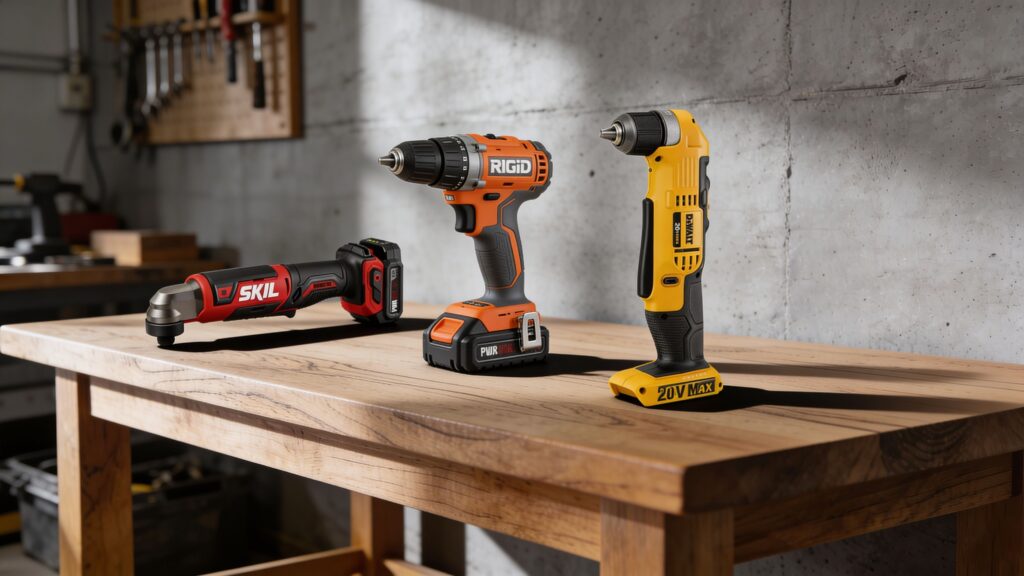
Top 10 Right-Angle Drills for Tight Spaces of 2026
Our editorial picks ranked by real-world access, control, durability, and long-term value. Tap any image to expand, or jump to full reviews for deeper specs.
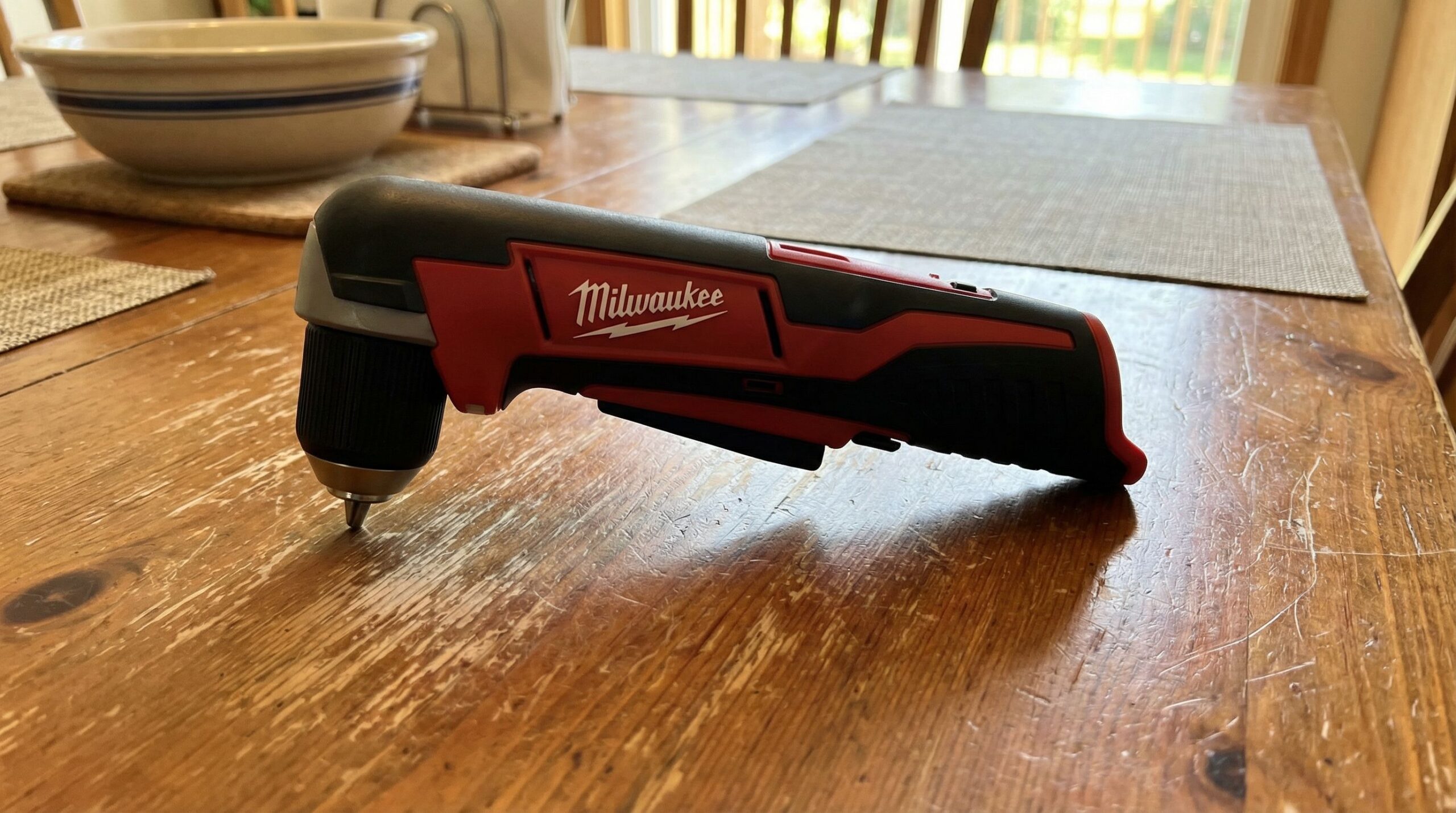
#1
Best Overall
Score: 9.6 / 10
Milwaukee M12 FUEL Right Angle Drill Driver
Built for the moments a standard drill simply cannot fit, this right-angle platform delivers strong torque with steady trigger control in tight bays and corners. It is the most convincing blend of compact reach, jobsite durability, and day-to-day usability.
Access: Excellent
Torque: High
Battery: M12 System
Best For: All-Around Tight Work
Pros
- Strong power delivery for drilling in studs and joists with limited clearance
- Very good low-speed control for clean starts in cabinetry and hardware installs
- Durable feel with a deep battery and tool ecosystem
Cons
- Premium pricing compared with value-focused platforms
- Best performance depends on using higher-capacity batteries
- Right-angle body can feel unfamiliar if you only use standard drills
Best For
- Stud bays, joist spaces, and under-sink work
- Electrical and plumbing rough-in where access is tight
- Users who want one dependable right-angle solution
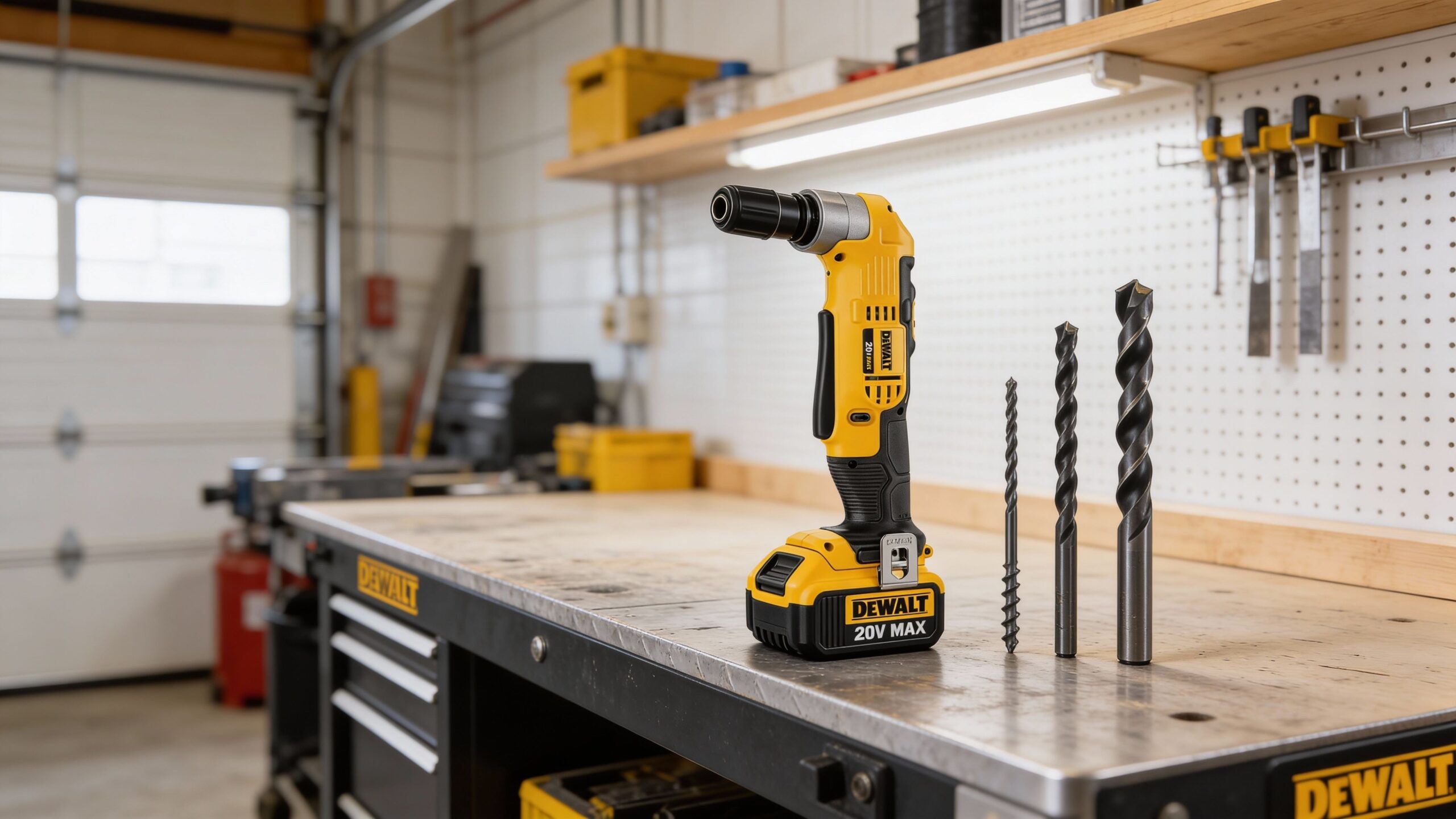
#2
Best for Pros
Score: 9.4 / 10
DeWalt 20V MAX XR Right Angle Drill Driver
This is the right-angle drill that feels built for daily abuse, with strong drilling authority and a platform that is easy to expand. When you are frequently boring holes in tight framing or working inside mechanical rooms, it delivers dependable results.
Access: Very Good
Torque: High
Battery: 20V MAX
Best For: Rough-In Work
Pros
- Strong drilling performance for wood framing and boring tasks
- Jobsite-ready build quality and proven platform support
- Wide battery compatibility across a large ecosystem
Cons
- Bulkier feel than smaller 12V right-angle options
- Heavier with larger batteries in overhead work
- Some kits are priced for pros rather than casual DIY use
Best For
- Carpenters and remodelers drilling in tight framing
- Trades who already own 20V MAX batteries
- Repeat use in mechanical rooms and confined areas
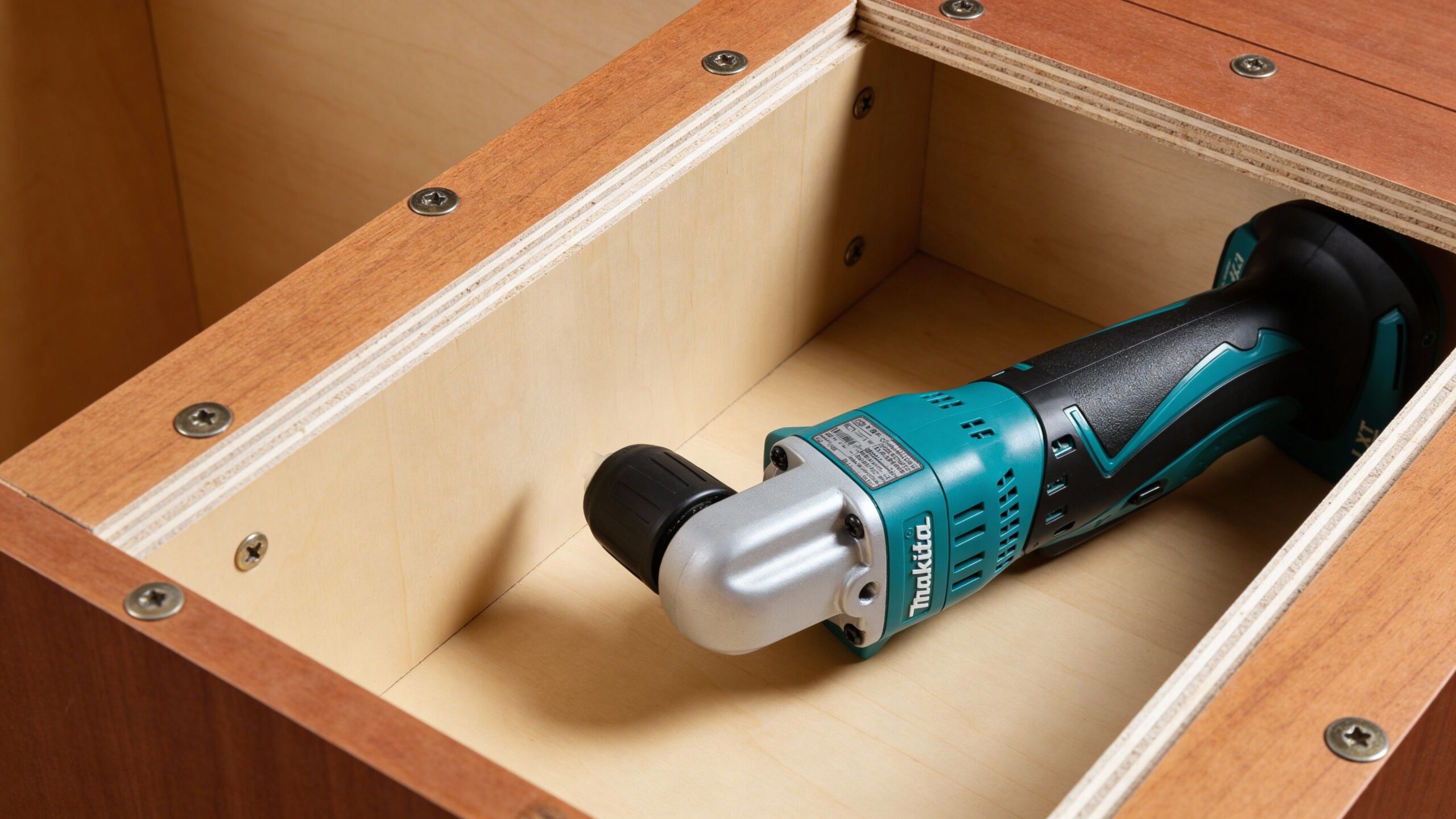
#3
Best Balance
Score: 9.1 / 10
Makita 18V LXT Right Angle Drill
A refined option for users who care about control and handling as much as raw torque. It is a strong fit for tight builds where stable starts and consistent speed matter more than brute force.
Control: Excellent
Torque: Strong
Battery: LXT System
Best For: Precision Drilling
Pros
- Smooth trigger feel for controlled starts in cabinetry and finish work
- Reliable build with a mature platform for long-term ownership
- Good balance for tight, awkward drilling positions
Cons
- Some kits cost more than value-focused competitors
- Not the top choice when maximum torque is the only priority
- Battery selection influences overall weight and reach
Best For
- Remodel work in cabinets and closets
- Users who prioritize control over peak torque
- Makita owners expanding their LXT setup
#4
Best for Cabinets
Score: 9.0 / 10
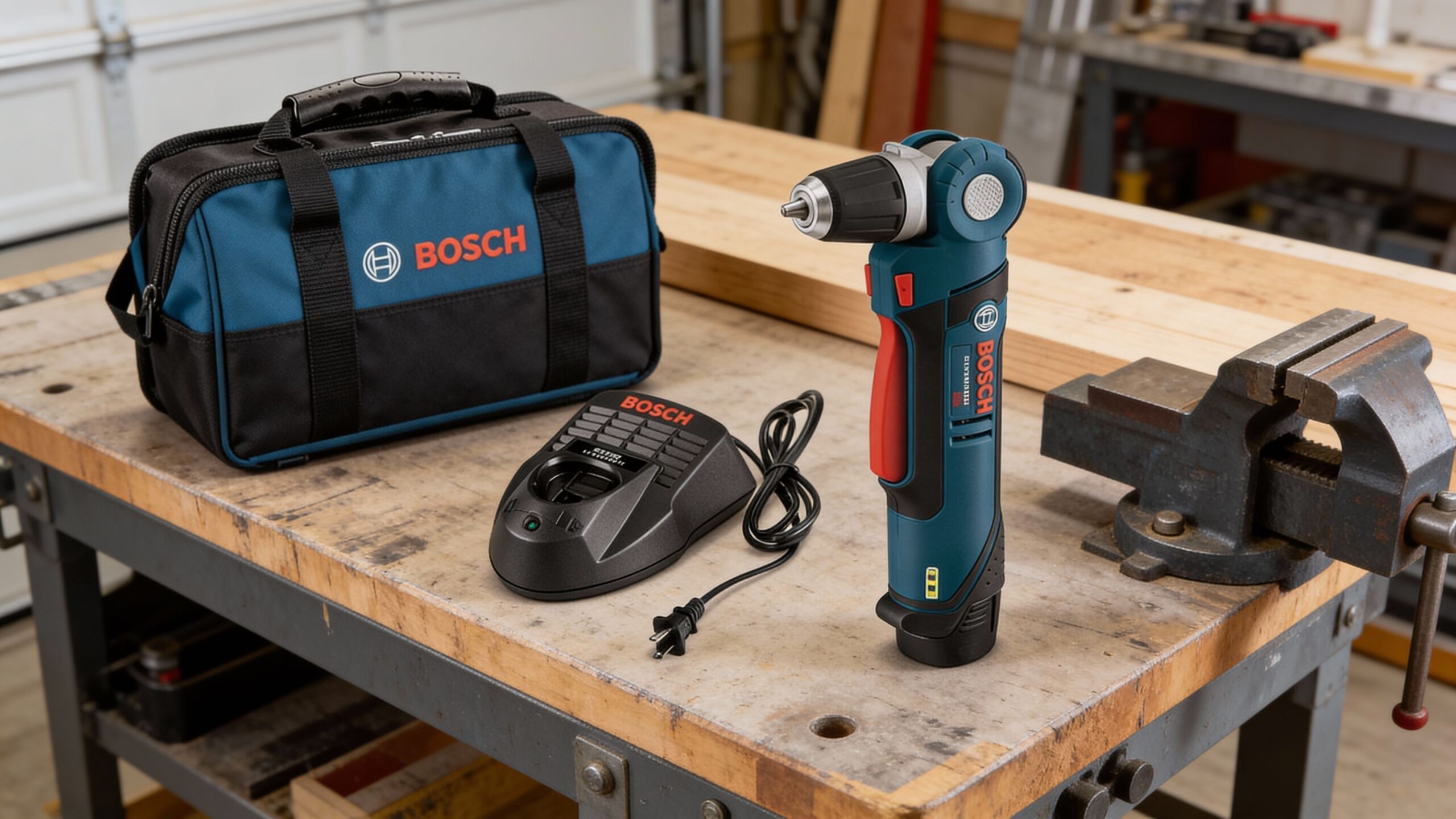
Bosch 12V Max FlexiClick Angle System
Not everyone needs a dedicated right-angle drill body for heavy boring, and this modular angle system shines for tight, detail-heavy work. It is compact, easy to control, and excellent for hardware installs and interior projects.
Access: Excellent
Control: Great
Battery: 12V System
Best For: Finish Installs
Pros
- Very compact reach for cabinet corners and tight hardware installs
- Excellent control for starting screws and drilling small pilot holes
- Modular approach can replace multiple niche tools for interior work
Cons
- Less suited for repeated heavy boring in thick framing
- Angle attachments add complexity compared with a single-body tool
- Best results depend on matching bits and accessories to the job
Best For
- Cabinet hardware, hinges, and tight interior installs
- DIYers who want maximum access with minimal weight
- Apartment and shop work where space is limited
#5
Best Heavy Drilling
Score: 8.9 / 10
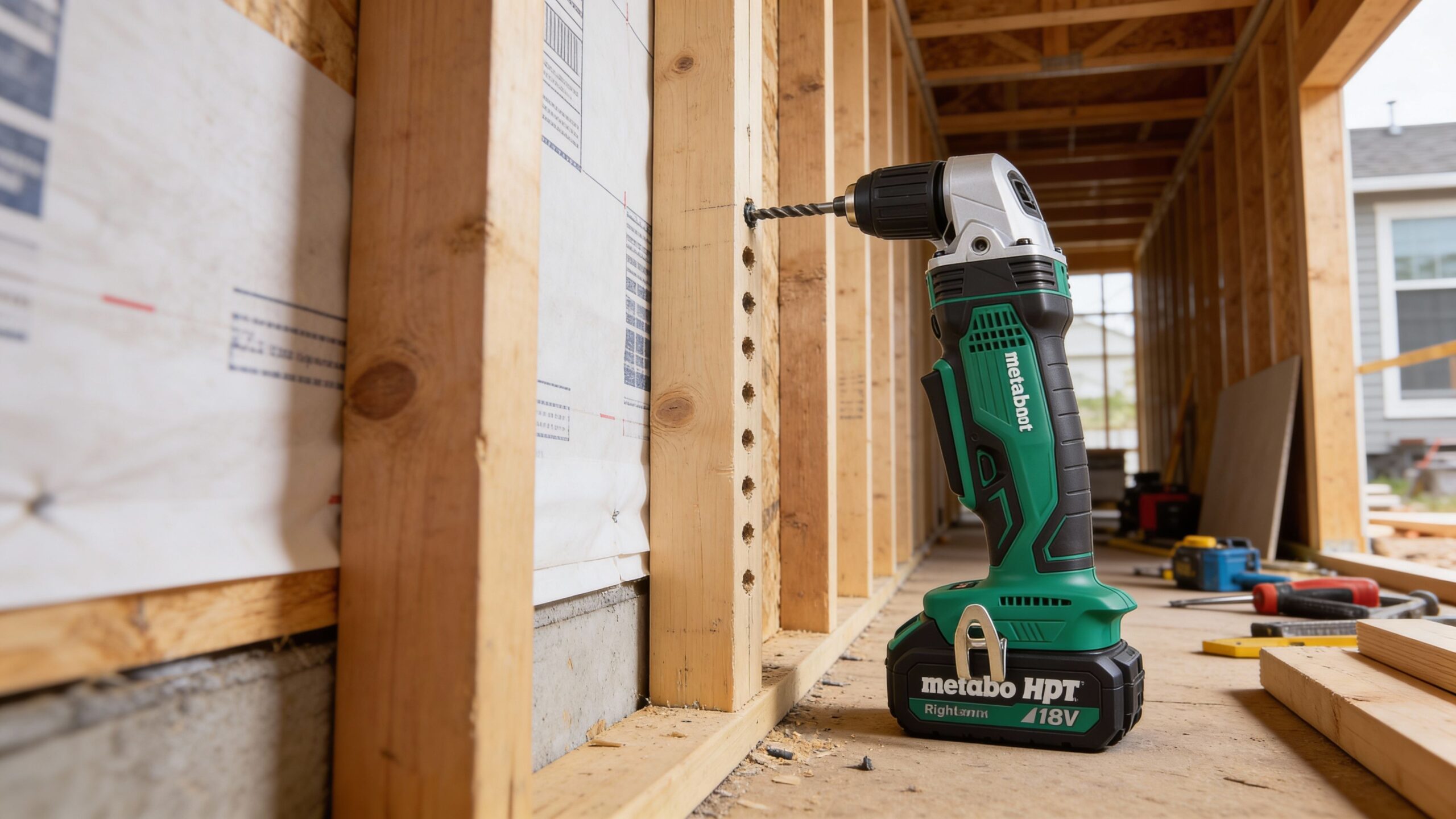
Metabo HPT 18V Right Angle Drill
When the job is more about boring capability than finesse, this right-angle drill feels purpose-built. It is a strong choice for repeated drilling in framing where you still need access without switching to a full-size body.
Torque: High
Stability: Strong
Battery: 18V System
Best For: Rough Framing
Pros
- Drilling authority that holds up in repetitive framing tasks
- Solid handling for bracing and controlled hole placement
- Good option for users building an 18V platform
Cons
- Not as compact as 12V right-angle alternatives
- Heavier feel with larger batteries during overhead work
- Less specialized for fine, delicate interior installs
Best For
- Rough-in drilling through studs and joists
- Remodelers needing power without full-size length
- Users who prioritize drilling strength
#6
Best Durability Value
Score: 8.8 / 10
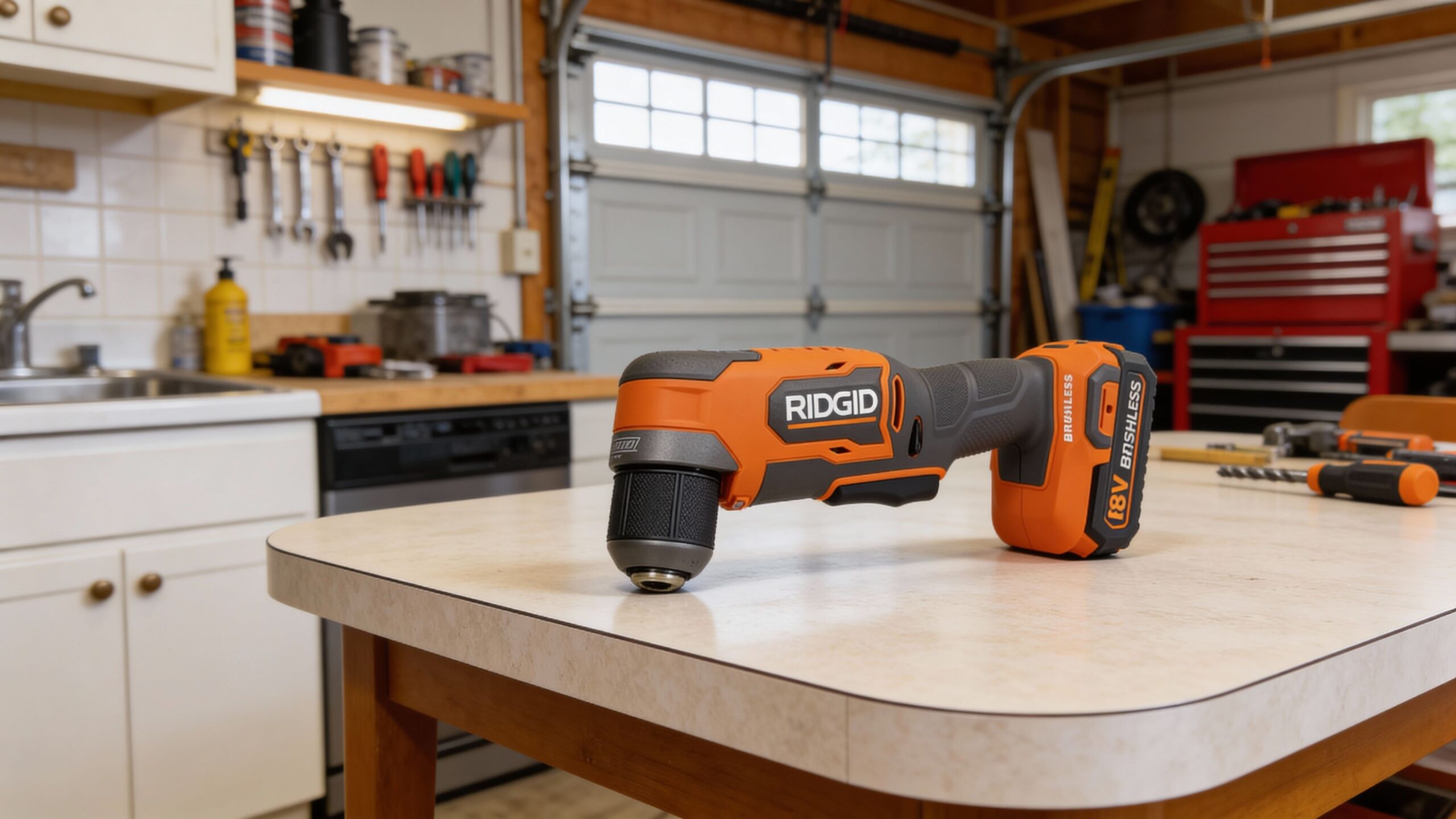
Ridgid 18V Right Angle Drill
A practical right-angle pick that focuses on reliability and consistent performance for tight-space drilling. It is well suited to homeowners and trades who want a tough tool without paying flagship pricing.
Build: Tough
Control: Good
Battery: 18V System
Best For: Everyday Repairs
Pros
- Solid construction that feels ready for repeated use
- Good balance of torque and control in confined spaces
- Often strong value in kits and platform deals
Cons
- Not the smallest head for extremely tight cabinet corners
- Heavier than 12V systems for extended overhead drilling
- Accessory bundles vary widely by retailer
Best For
- Home maintenance and remodel punch-list work
- Tight bays where a standard drill is too long
- Shoppers seeking durability-focused value
#7
Best Value
Score: 8.7 / 10
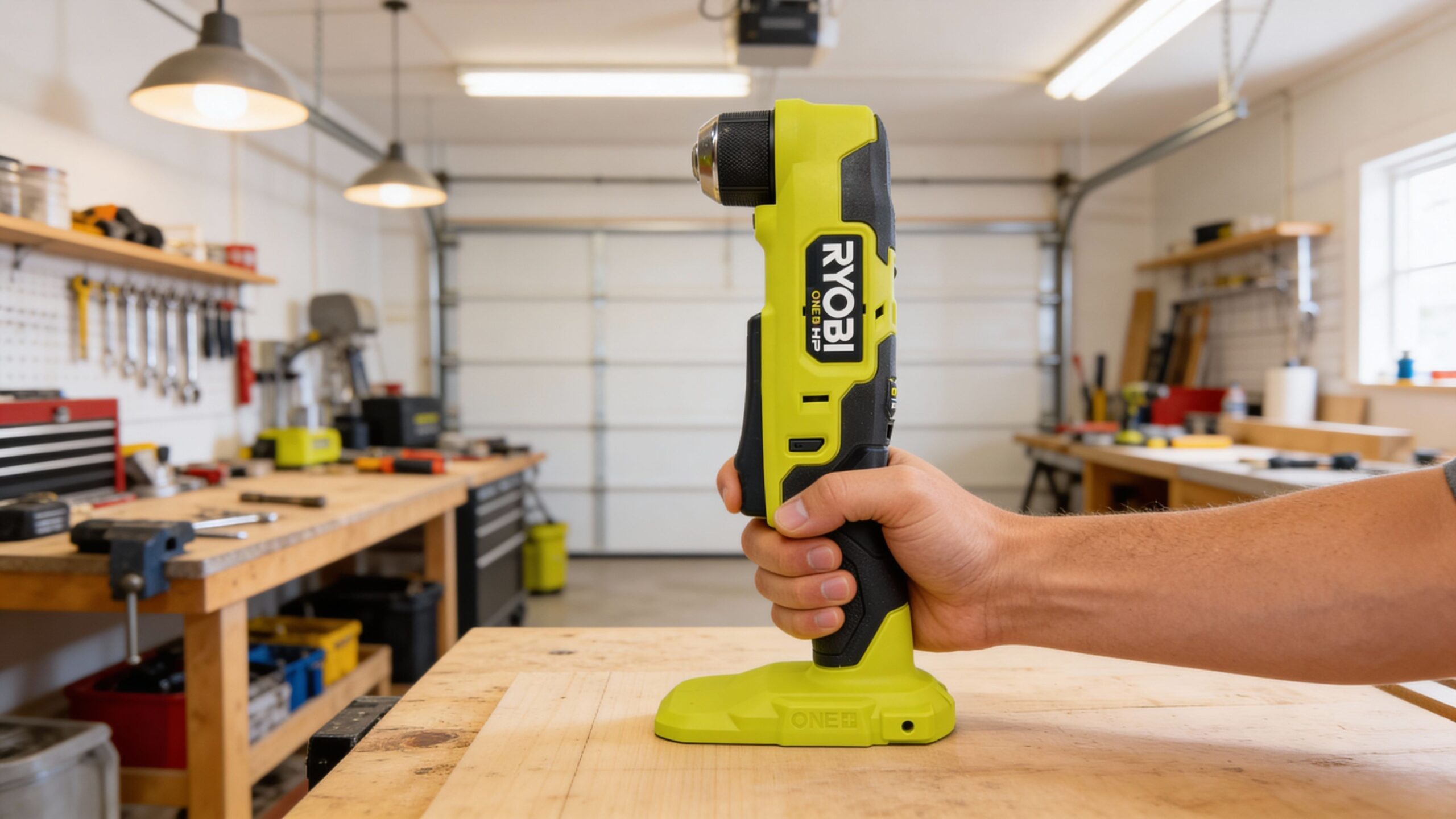
Ryobi 18V ONE Plus Right Angle Drill
A friendly, budget-aware way to add true right-angle reach to a home tool lineup. It is capable for typical household drilling and fastening, especially if you already own ONE Plus batteries.
Value: Excellent
Ease: Beginner-Friendly
Battery: ONE Plus System
Best For: Home Projects
Pros
- Approachable price point for adding a specialty tool
- Solid usability for common drilling and driving tasks
- Large ecosystem for homeowners building a platform
Cons
- Not the top choice for heavy, daily professional drilling
- Performance varies with battery capacity and bit selection
- Bulkier head than premium compact right-angle options
Best For
- Weekend DIY and household maintenance
- Under-sink repairs and tight cabinet spaces
- Shoppers who already own ONE Plus batteries
#8
Best Power per Dollar
Score: 8.6 / 10
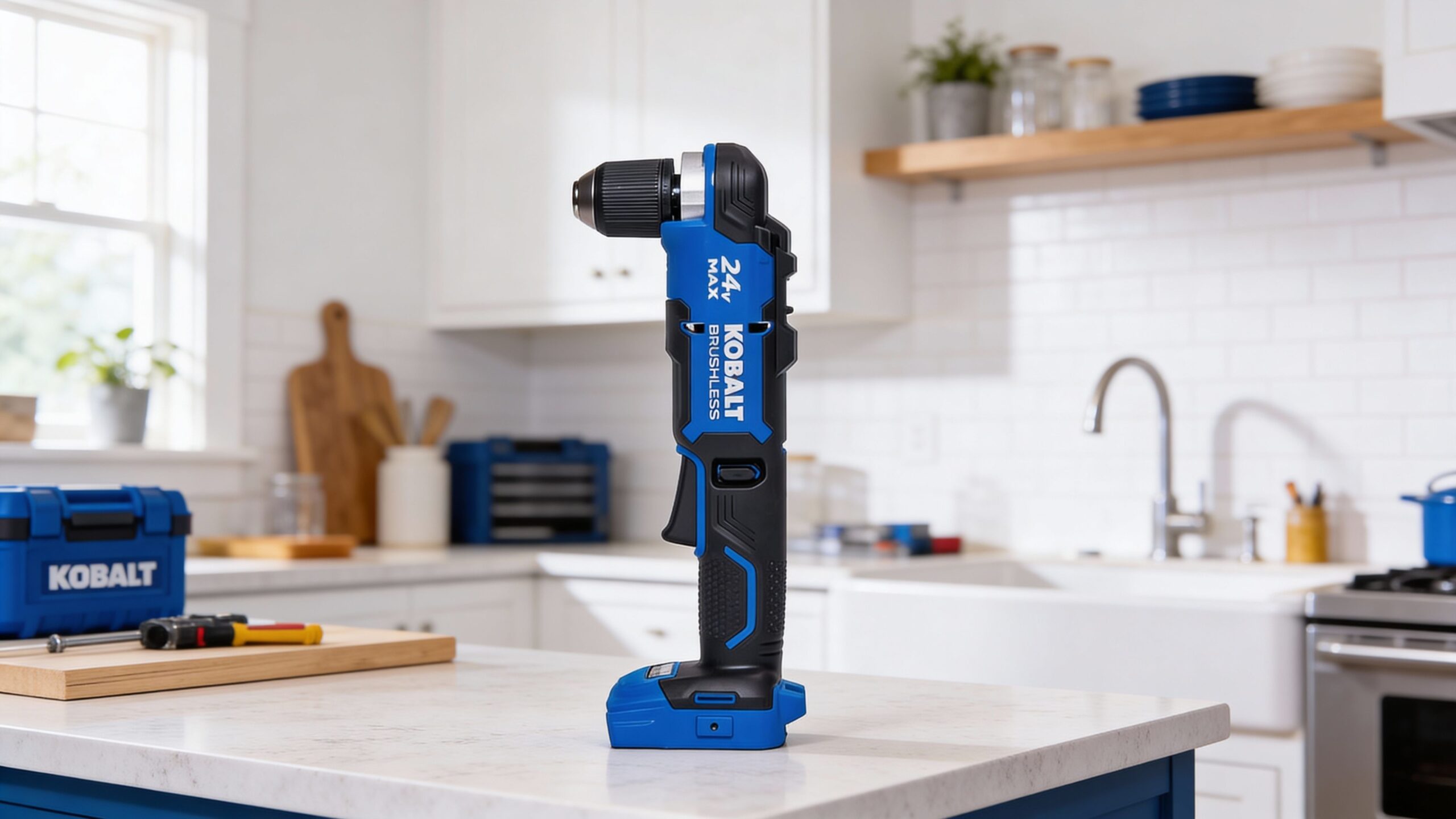
Kobalt 24V Right Angle Drill
A strong value-oriented right-angle drill that brings solid power to confined work areas. It is a good fit for buyers who want drilling authority and straightforward ergonomics without stepping into premium pricing.
Torque: Strong
Value: High
Battery: 24V System
Best For: Home Upgrades
Pros
- Good drilling strength for framing-adjacent home projects
- Often available in value-focused platform bundles
- Comfortable handling for most tight-space tasks
Cons
- Not as compact as smaller 12V angle solutions
- Accessory and kit availability can vary
- Heavier feel in prolonged overhead drilling
Best For
- Home renovation and upgrade projects
- Users who want power without premium pricing
- Tight bays where a standard drill cannot reach
#9
Best Starter Option
Score: 8.4 / 10
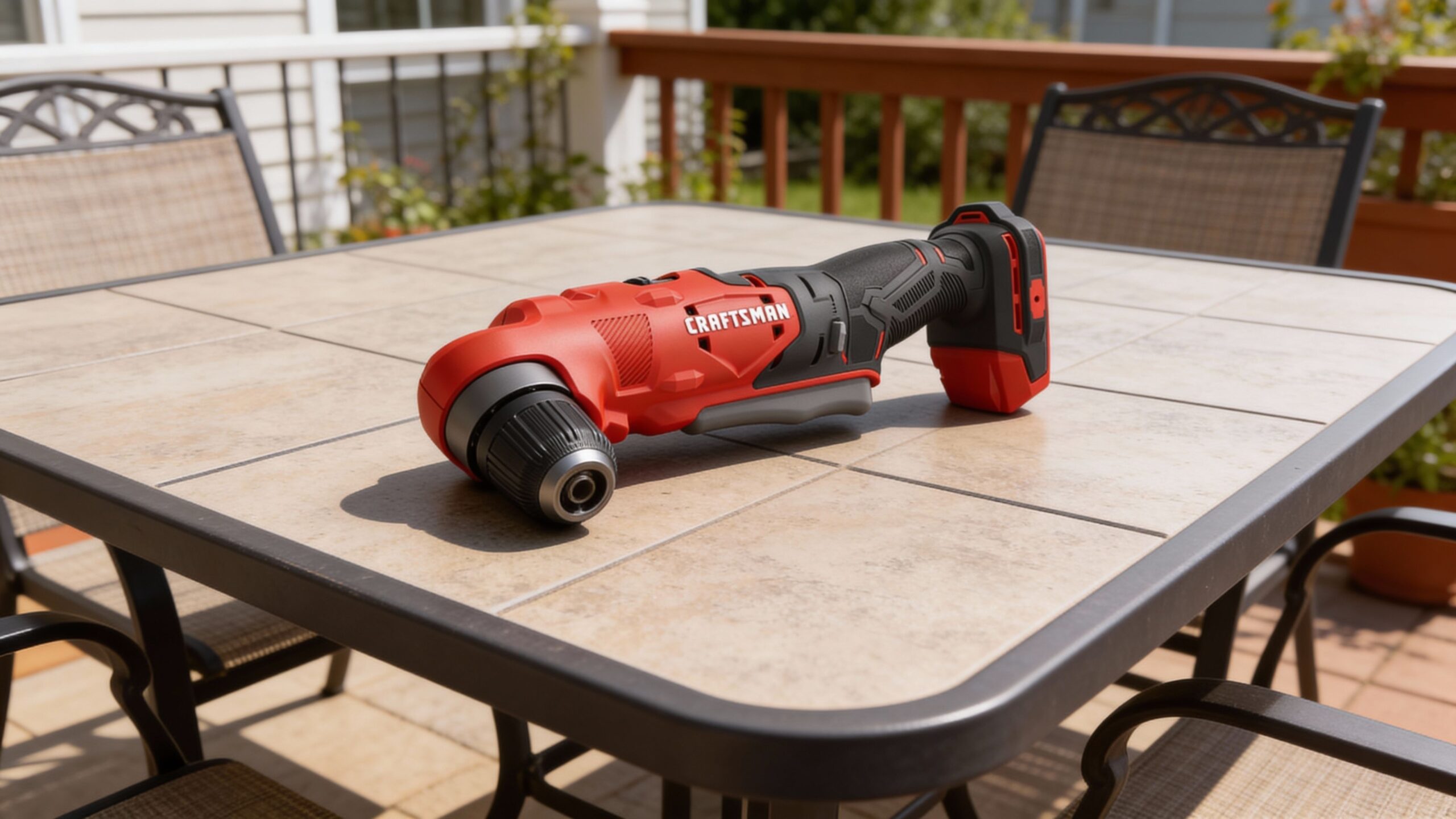
Craftsman V20 Right Angle Drill Driver
A straightforward right-angle drill that covers the tight-space basics without overcomplicating the experience. It is a solid entry point for homeowners who want better access for repairs and light remodel work.
Ease: Simple
Control: Good
Battery: V20 System
Best For: First Right Angle
Pros
- Easy to use for common repair and install tasks
- Often good kit pricing for new platform buyers
- Useful reach in cabinets, closets, and tight corners
Cons
- Not intended for heavy, repeated drilling in dense framing
- Head size may be limiting in extremely tight cabinet corners
- Platform depth and accessory availability can vary
Best For
- First-time buyers adding tight-space capability
- General home maintenance and occasional drilling
- Under-sink work and cramped repair areas
#10
Best Compact Budget
Score: 8.3 / 10
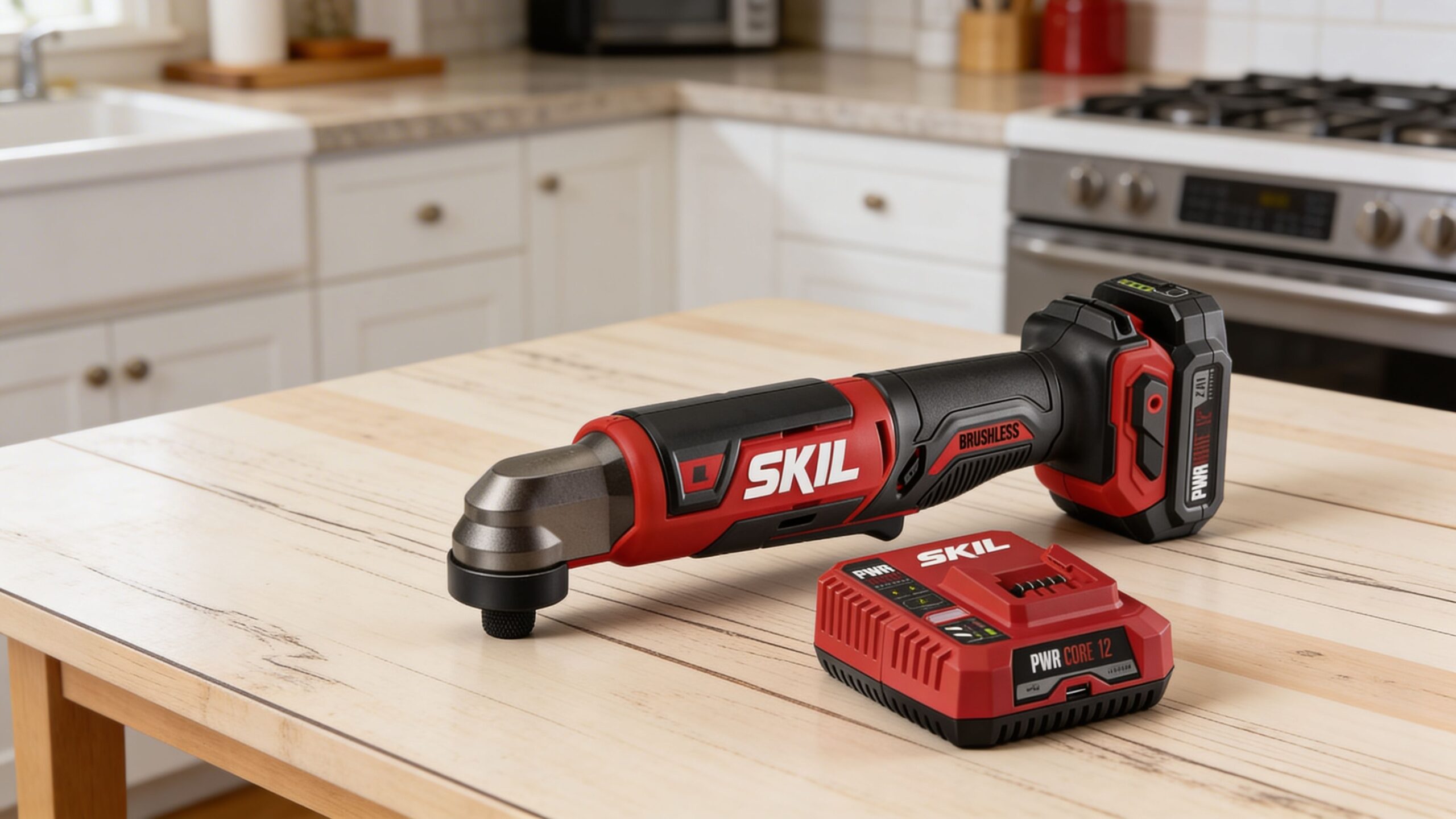
Skil 12V Right Angle Drill
A compact 12V pick designed for tight interior spaces where reach and control matter more than maximum drilling force. It is a smart choice for light-to-medium tasks like cabinetry, hardware installs, and household repairs in confined areas.
Access: Excellent
Weight: Light
Battery: 12V System
Best For: Tight Indoor Jobs
Pros
- Compact size helps reach tight corners and cabinet interiors
- Lightweight handling for overhead and one-handed positioning
- Good control for smaller pilot holes and hardware installs
Cons
- Not ideal for heavy boring or repeated thick framing work
- Less torque headroom than 18V and 20V right-angle drills
- Best results depend on sharp bits and realistic task sizing
Best For
- Cabinet work, closet corners, and small interior installs
- Light household repairs in tight spaces
- Budget-focused buyers who want compact reach