Best Right Angle Drills: Top 10 Picks for Power, Access, and Control

This guide compares the best right angle drills based on power, access in confined spaces, control, build quality, and real-world performance to help professionals and serious DIYers choose confidently.

By: Review Streets Research Lab
Updated: March 30, 2026
Approx. 10–12 min read
Best Right Angle Drills_ Top 10 Picks for Power, Access, and Control

Top 10 Right Angle Drills of 2026

Our editorial picks ranked by real-world drilling performance, access in tight bays, control under load, durability, and long-term platform value. Tap any image to expand, or jump to full reviews for deeper specs.
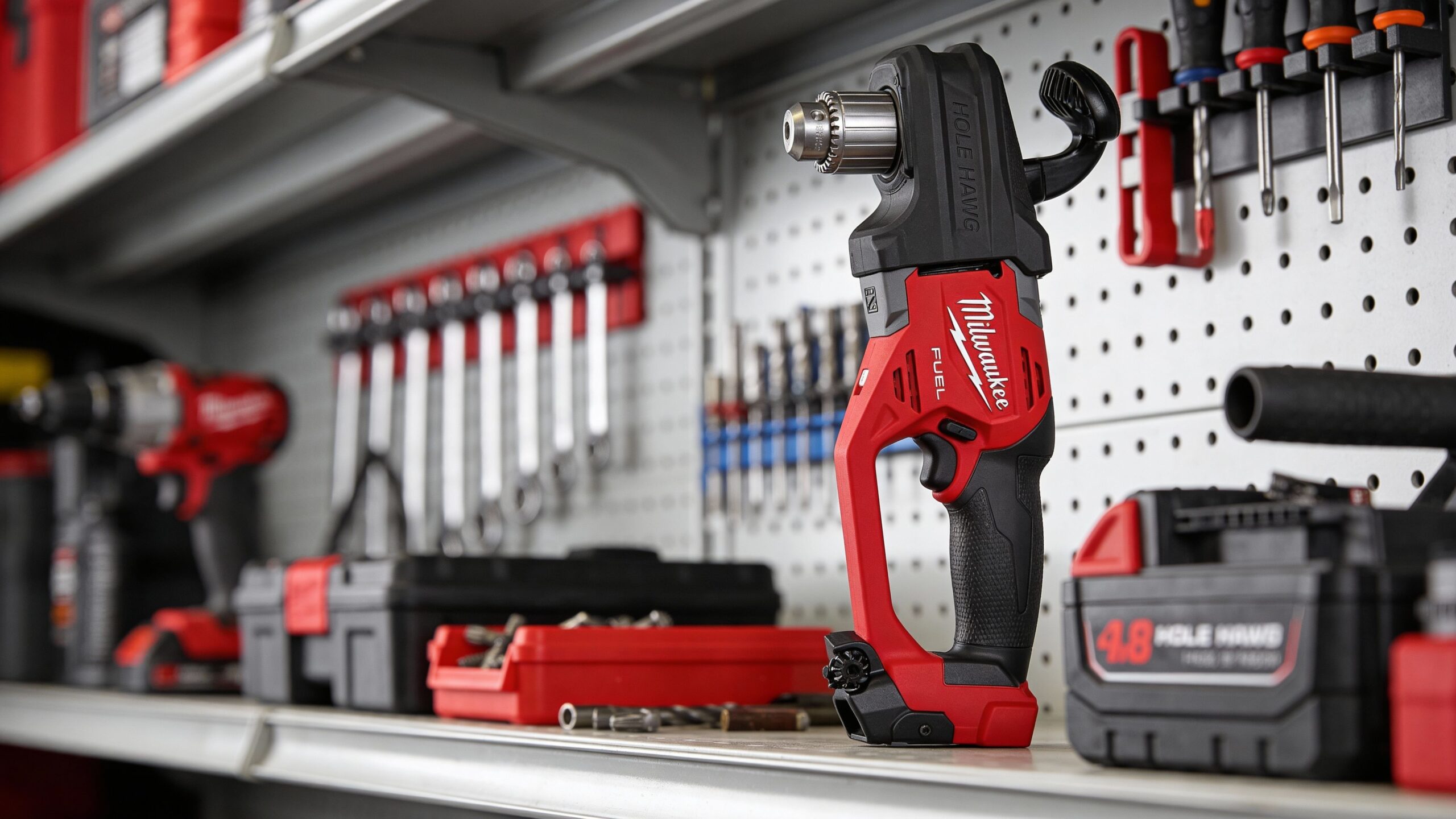
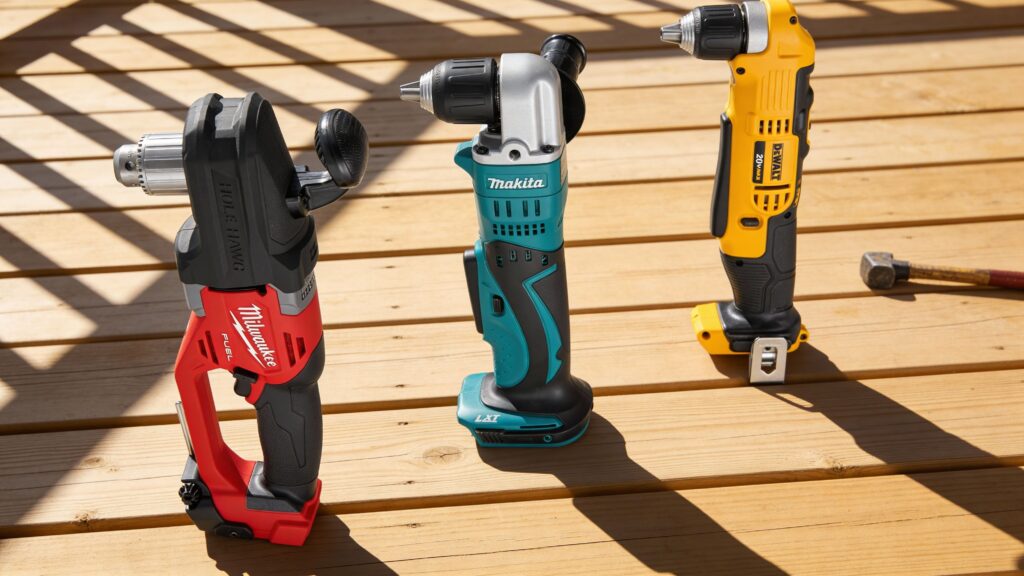
Milwaukee M18 Fuel Hole Hawg Right Angle Drill
#1 Best Overall Score: 9.7 / 10

Milwaukee M18 Fuel Hole Hawg Right Angle Drill

A flagship-grade right angle drill built for demanding holes in studs and joists, with strong torque delivery and confident handling under load. It stands out for rugged build quality and a deep M18 platform for batteries, service, and upgrades.

Power: Best-in-Class Control: Excellent Platform: M18 System Best For: Heavy Boring

Pros

  • High torque performance for large-diameter holes
  • Stable handling and predictable trigger response
  • Strong durability and M18 ecosystem depth

Cons

  • Heavier than compact right angle options
  • Premium pricing for top-tier performance
  • Works best with higher-capacity batteries

Best For

  • Electricians and plumbers drilling through framing
  • Pros needing daily reliability on rough work
  • Users invested in the M18 battery platform
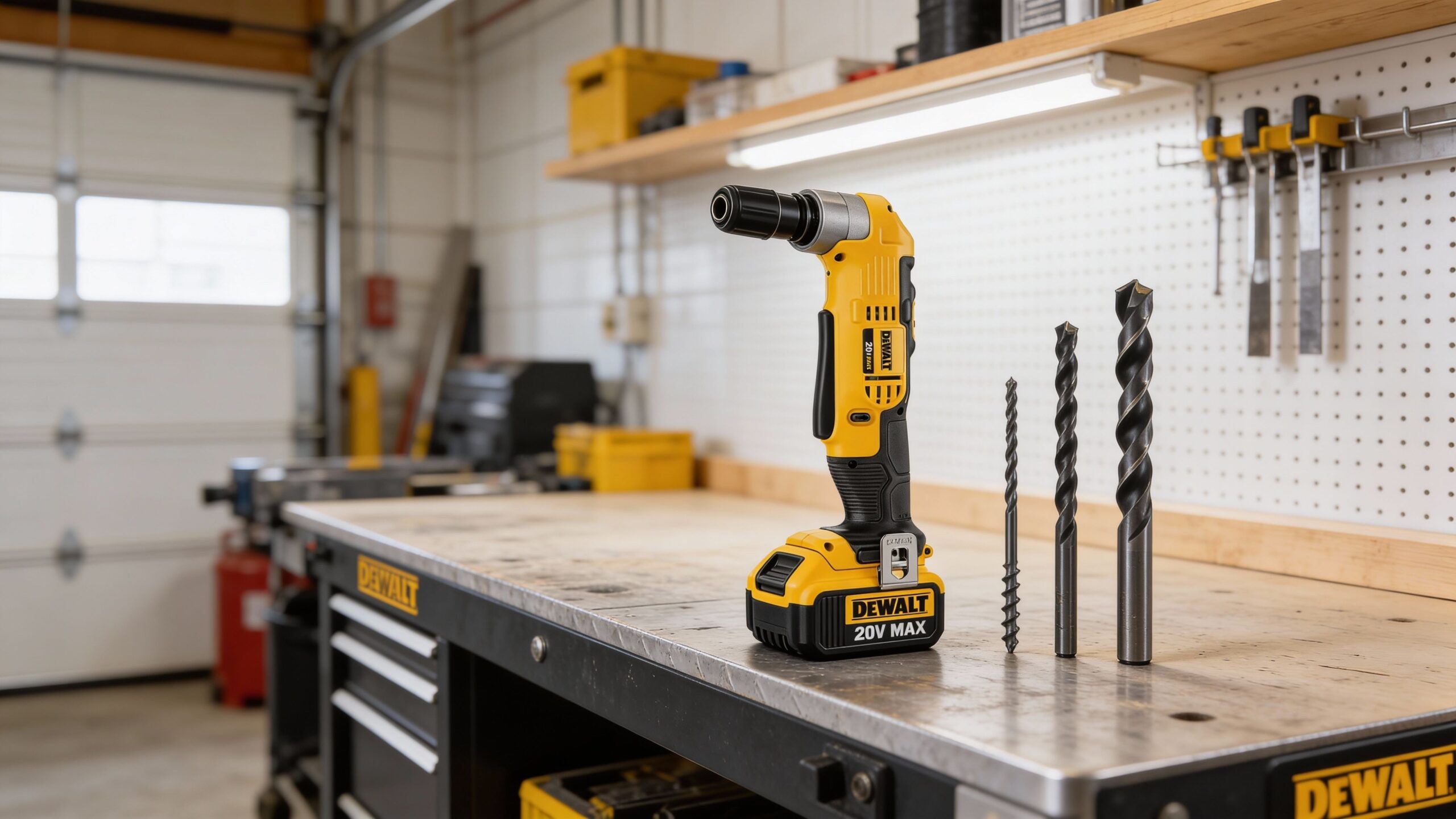
DeWalt 20V Max XR Right Angle Drill
#2 Best for Pros Score: 9.4 / 10

DeWalt 20V Max XR Right Angle Drill

A jobsite-ready right angle drill with strong power delivery and a proven 20V platform that is easy to expand. It earns its spot with consistent boring performance and a practical balance of size, feel, and durability.

Power: High Access: Strong Platform: 20V Max Best For: Daily Use

Pros

  • Confident drilling performance in framing materials
  • Solid ergonomics with good trigger management
  • Large 20V tool and battery ecosystem

Cons

  • Not the lightest option for overhead work
  • Best performance favors larger batteries
  • Some kits are priced at a premium

Best For

  • Pros committed to a 20V Max platform
  • Rough-in drilling in studs and joists
  • Users who want broad accessory availability
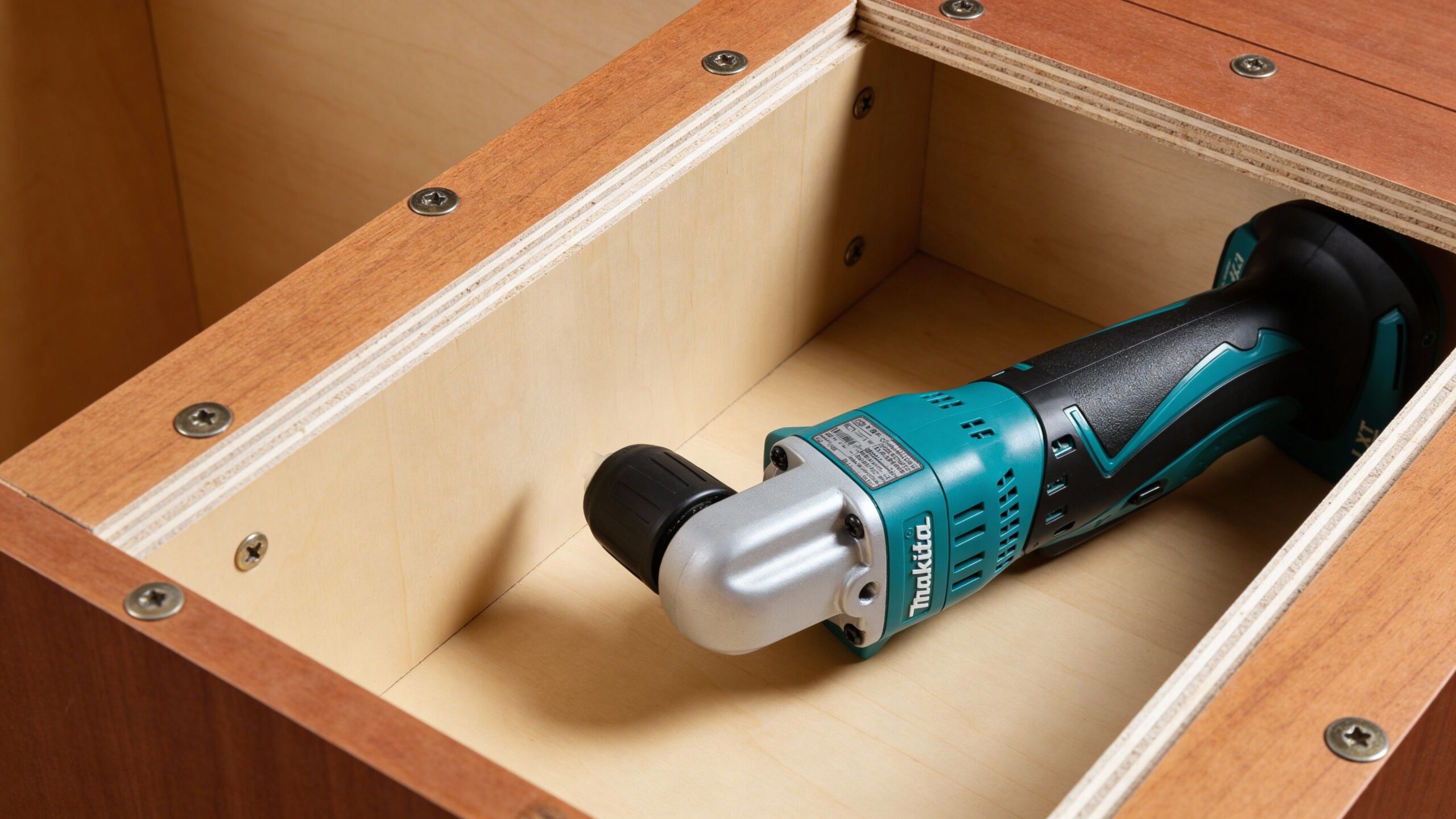
Makita 18V LXT Right Angle Drill
#3 Best Control Score: 9.2 / 10

Makita 18V LXT Right Angle Drill

A refined choice for controlled drilling where steadiness matters as much as raw torque. Makita delivers balanced ergonomics and a dependable LXT ecosystem that supports long-term ownership.

Control: Best-in-Class Handling: Smooth Platform: LXT System Best For: Precision Boring

Pros

  • Excellent balance for steady hole placement
  • Comfortable grip for longer drilling sessions
  • Reliable performance with a mature LXT platform

Cons

  • Not always the top pick for maximum torque
  • Kit selection can vary by retailer
  • Some users prefer heavier-duty housings

Best For

  • Clean drilling in tight framing locations
  • Remodel work where control prevents tear-out
  • Users already invested in Makita batteries
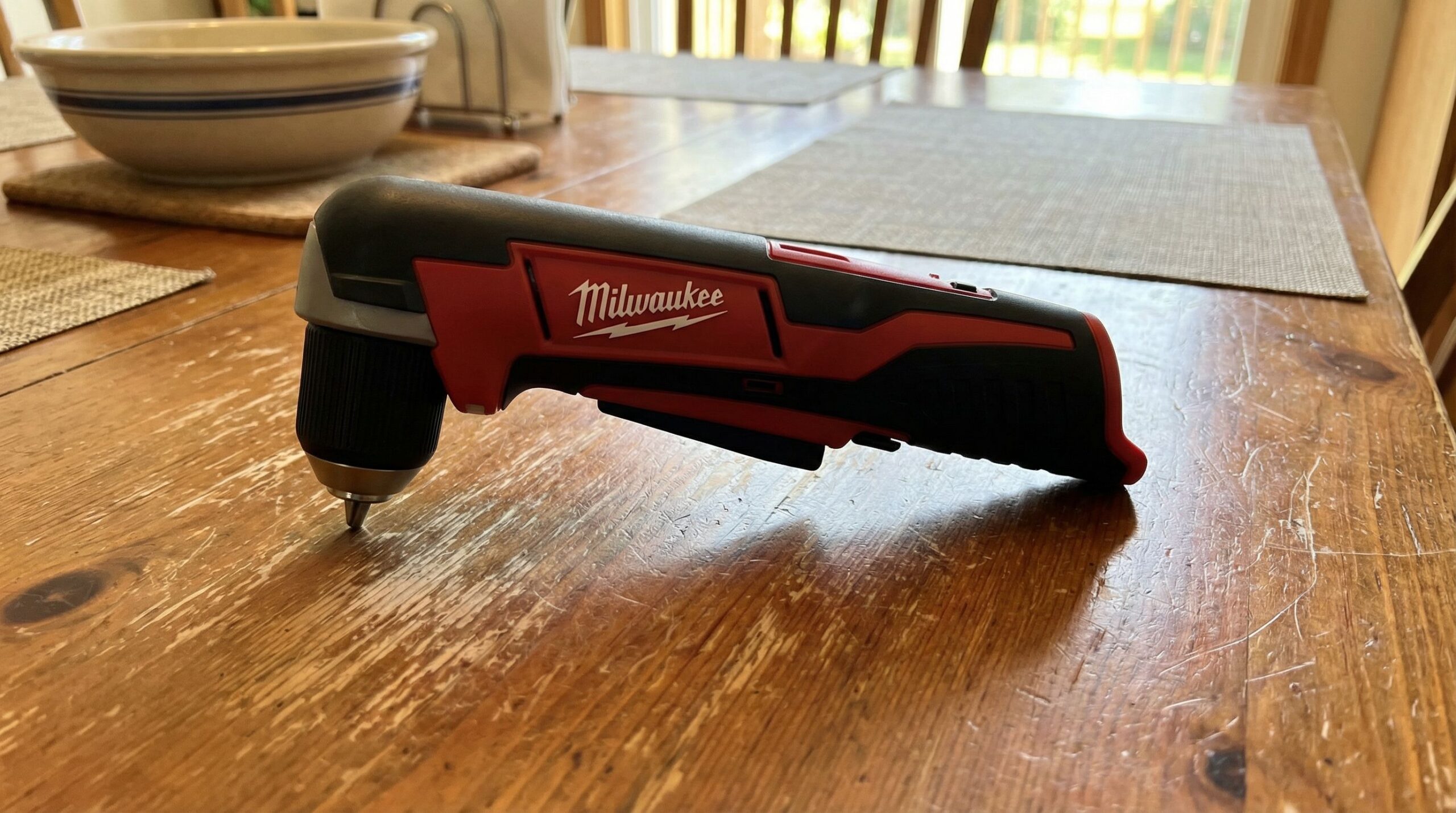
Milwaukee M12 Right Angle Drill
#4 Best for Tight Spaces Score: 9.0 / 10

Milwaukee M12 Right Angle Drill

A compact specialist built for the places full-size right angle drills struggle to fit. It prioritizes access and control for wiring, cabinetry, and tight bay work where precise positioning matters.

Access: Excellent Control: Very Good Platform: M12 System Best For: Confined Bays

Pros

  • Compact head profile for tight clearance work
  • Easy to handle in awkward positions
  • Strong M12 ecosystem for compact tools

Cons

  • Lower torque headroom than 18V class tools
  • Not ideal for frequent large hole boring
  • Runtime depends heavily on battery size

Best For

  • Electrical and low-clearance drilling tasks
  • Cabinet and interior repair work
  • Users who want a compact second drill
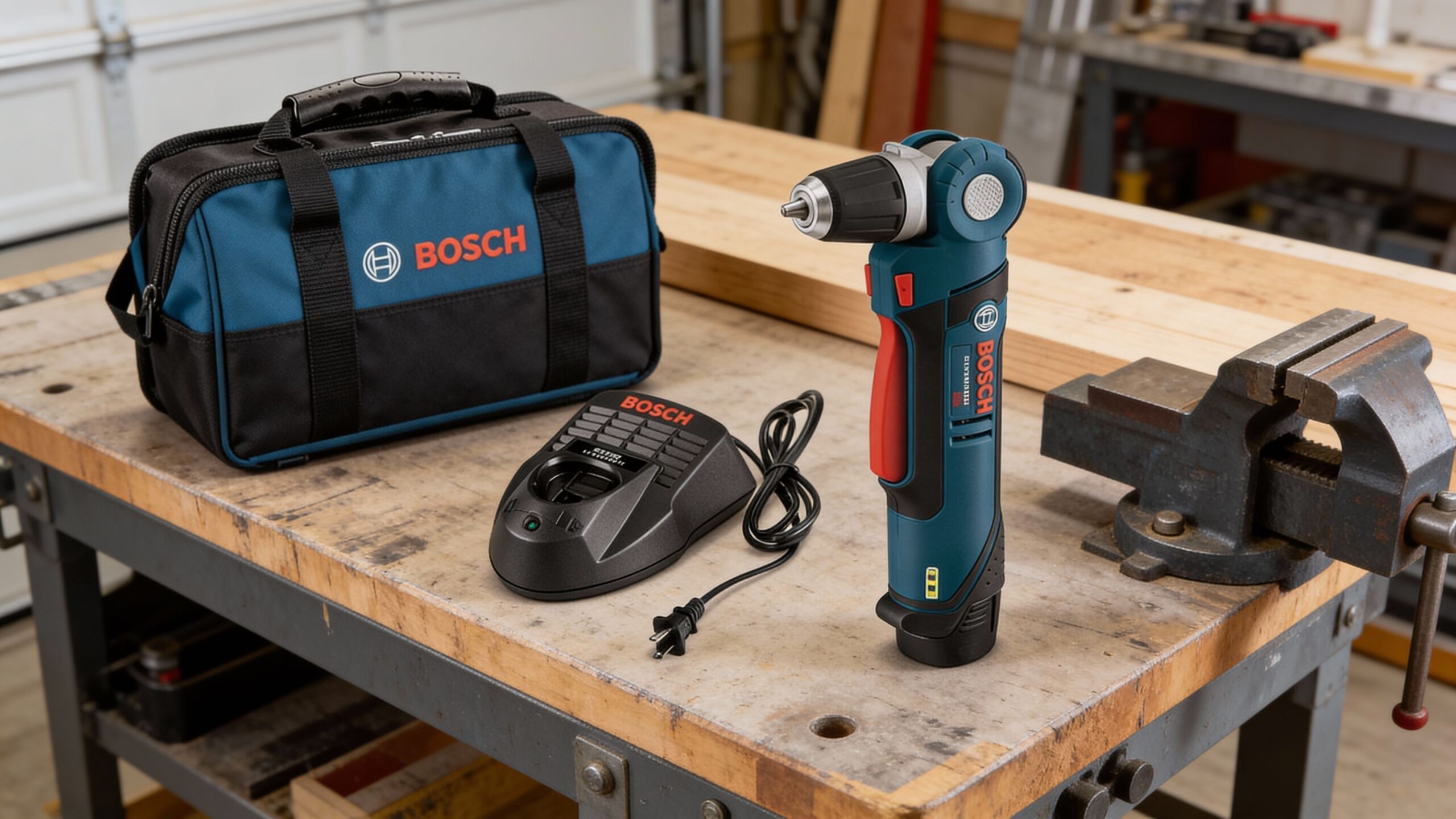
Bosch 18V Right Angle Drill
#5 Best Balance Score: 8.9 / 10

Bosch 18V Right Angle Drill

A well-rounded right angle drill that blends solid drilling output with a controlled feel in tight spaces. A strong option for remodelers who want a practical tool that stays predictable under load.

Power: Strong Control: Very Good Platform: 18V System Best For: Remodel Work

Pros

  • Steady drilling performance with good feel
  • Practical ergonomics for awkward angles
  • Reliable option for repeated home and jobsite use

Cons

  • Not the top choice for maximum torque drilling
  • Platform breadth varies by region
  • Some kits include minimal accessories

Best For

  • Remodelers drilling in studs and tight corners
  • Users prioritizing predictable control
  • Owners already using Bosch 18V tools
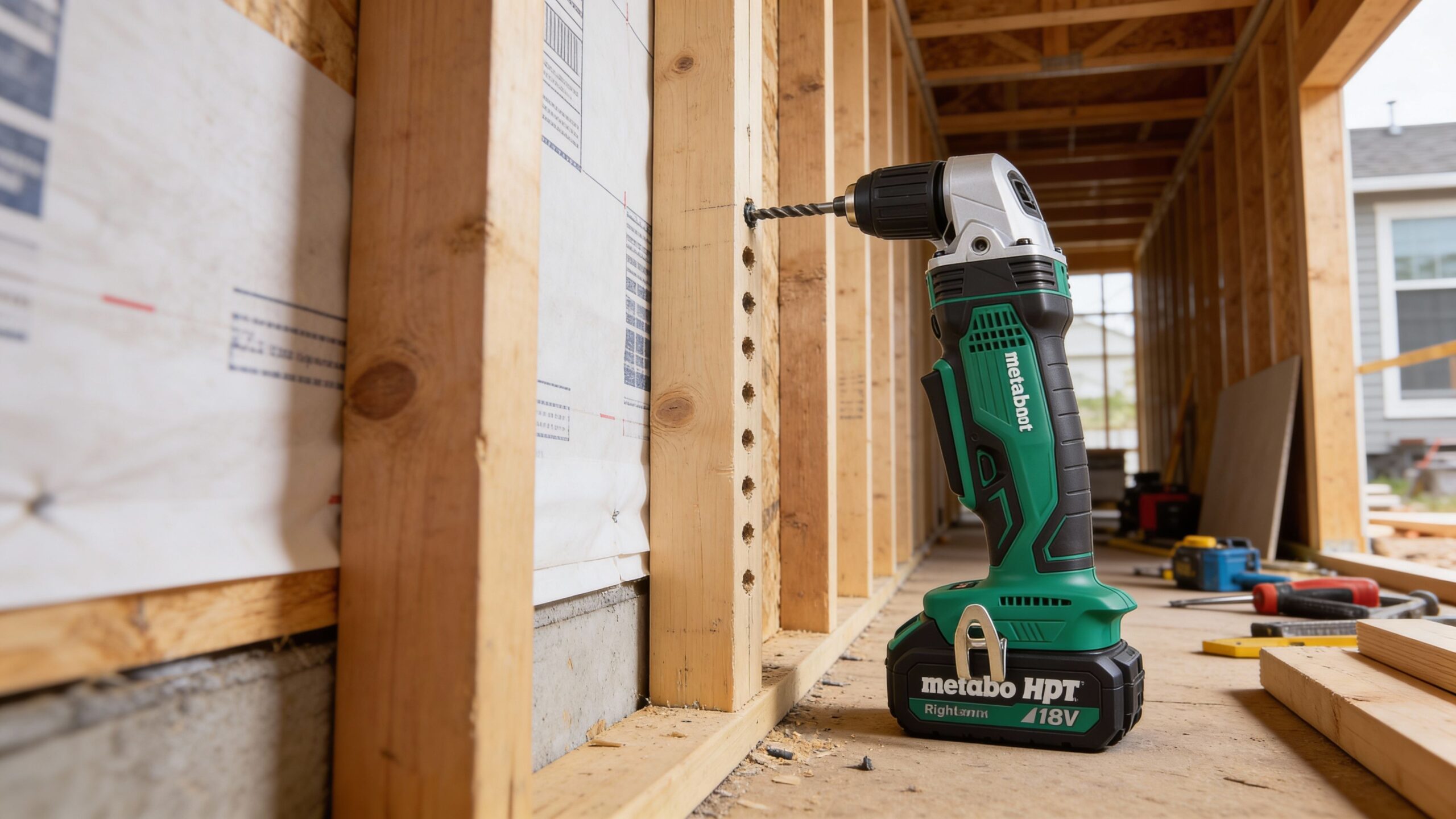
Metabo HPT 18V Right Angle Drill
#6 Best Reliability Value Score: 8.8 / 10

Metabo HPT 18V Right Angle Drill

A dependable performer that emphasizes practical drilling output, straightforward ergonomics, and good long-term value. It is a strong pick when you want capability without paying top-tier flagship pricing.

Value: Strong Durability: Very Good Platform: 18V System Best For: Trade Work

Pros

  • Solid drilling output for typical rough-in holes
  • Good reliability and straightforward operation
  • Often competitively priced in kits and promos

Cons

  • Ecosystem depth may be smaller than major brands
  • Can feel bulkier than compact specialists
  • Accessory bundles vary widely by retailer

Best For

  • General trade work and framing drilling
  • Buyers prioritizing value plus durability
  • Users already on a Metabo HPT platform
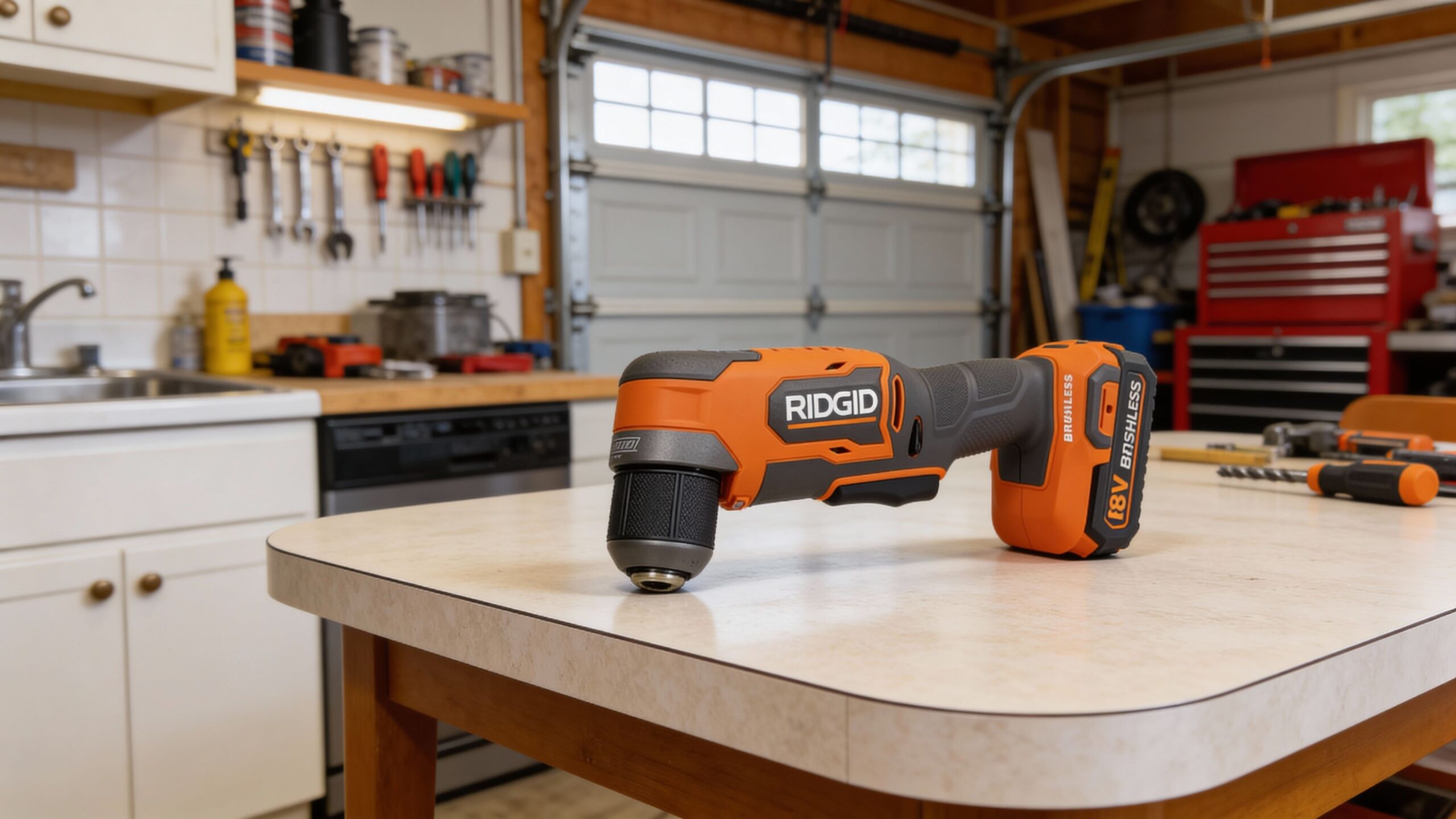
Ridgid 18V Right Angle Drill
#7 Best for DIY Remodel Score: 8.6 / 10

Ridgid 18V Right Angle Drill

A capable right angle drill aimed at serious DIYers tackling remodel work and repeated home projects. It offers solid power and handling without pushing into the highest-priced pro tier.

Power: Strong Handling: Good Platform: 18V System Best For: Home Remodel

Pros

  • Solid boring power for typical framing tasks
  • Comfortable feel for weekend-long projects
  • Good balance of capability and cost

Cons

  • Not as compact as 12V tight-space specialists
  • Ecosystem is smaller than top pro platforms
  • Heaviest workloads can favor flagship models

Best For

  • Remodel drilling in studs and joists
  • DIYers doing repeated medium-duty work
  • Homeowners expanding an 18V lineup
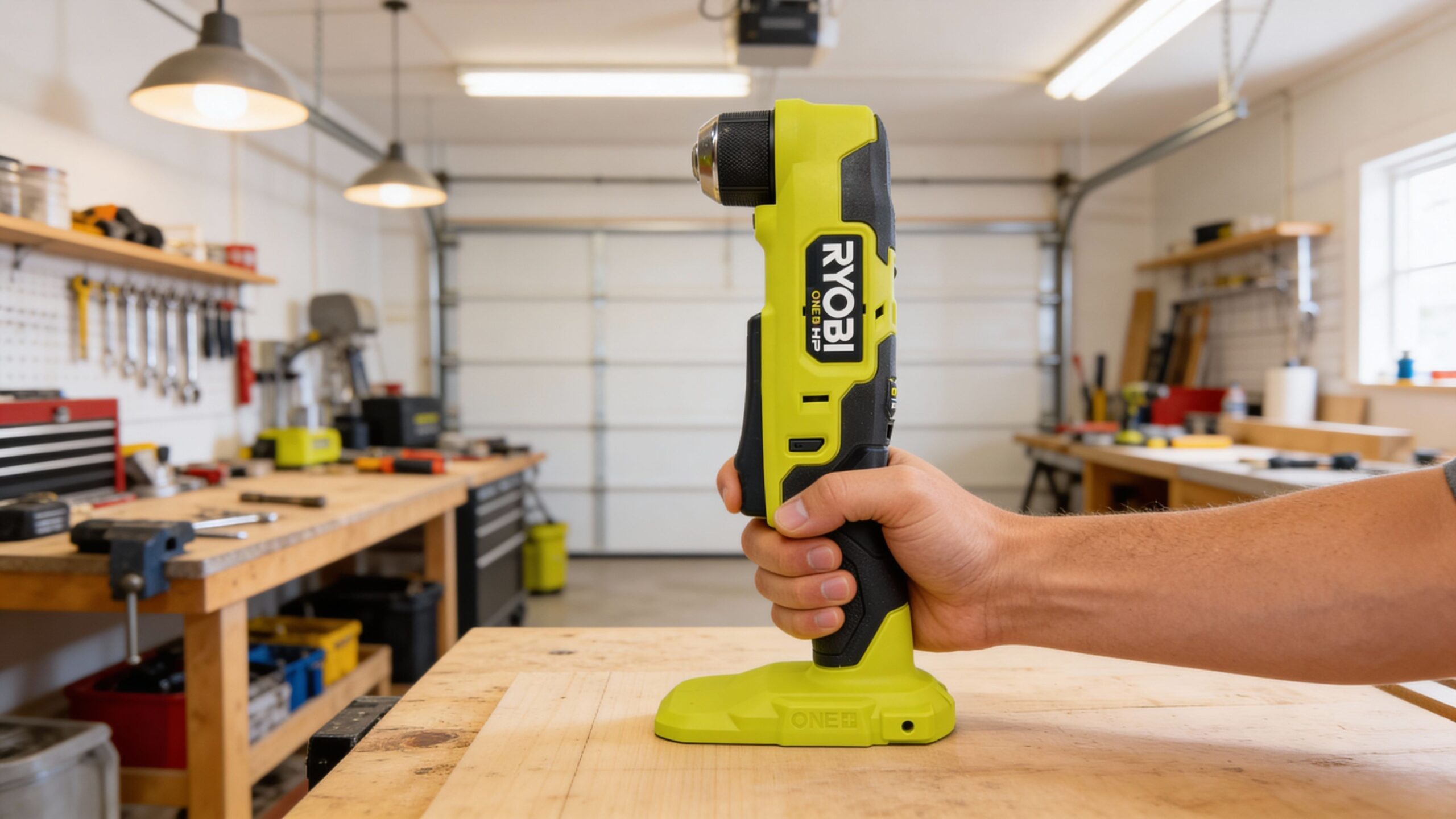
Ryobi 18V ONE Plus HP Right Angle Drill
#8 Best Value Platform Score: 8.5 / 10

Ryobi 18V ONE Plus HP Right Angle Drill

A practical value-focused option that performs well for homeowner drilling and access work, especially when paired with stronger batteries. It is most compelling if you plan to grow into the broad ONE Plus tool lineup over time.

Value: Excellent Access: Good Platform: ONE Plus Best For: Home Projects

Pros

  • Strong value for typical homeowner drilling tasks
  • Large tool ecosystem for future expansion
  • Comfortable learning curve for DIY users

Cons

  • Not designed for heavy daily trade boring
  • Best results depend on higher-output batteries
  • Build quality is more value-tier than pro-tier

Best For

  • Homeowners doing periodic framing drilling
  • DIYers building a broad tool collection
  • Users prioritizing cost and availability
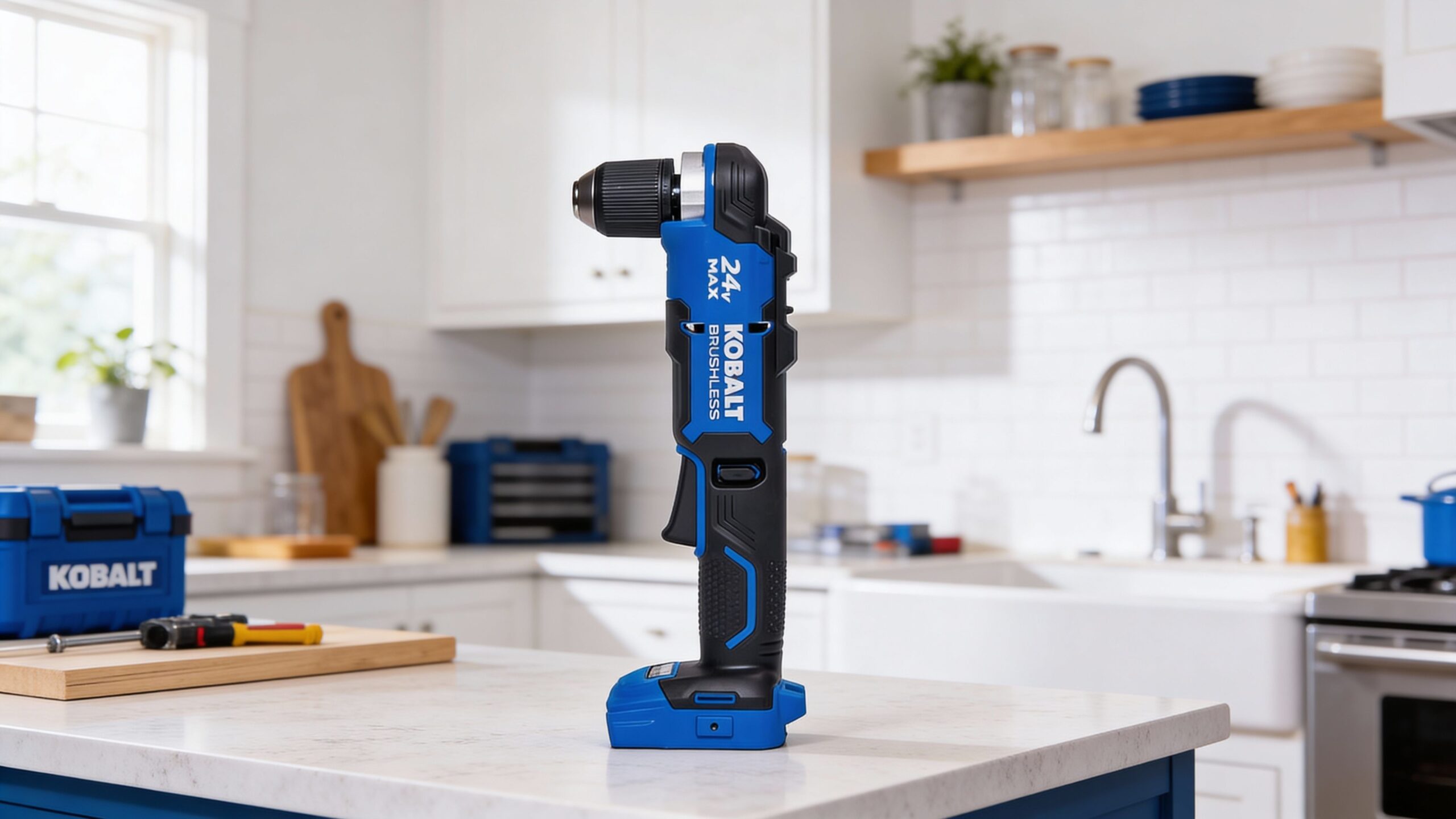
Kobalt 24V Max Right Angle Drill
#9 Best Budget Power Score: 8.2 / 10

Kobalt 24V Max Right Angle Drill

A solid budget-friendly right angle drill that offers respectable power for homeowner drilling and occasional rough-in work. It is best for shoppers who want capability at a good price without needing a huge tool ecosystem.

Power: Good Value: Strong Platform: 24V System Best For: Occasional Use

Pros

  • Good drilling output for the price category
  • Practical choice for homeowners and DIYers
  • Often available with competitive kit pricing

Cons

  • Ecosystem depth can be limited compared to majors
  • Not ideal for high-frequency trade boring
  • Fit and finish may vary across kit generations

Best For

  • Home drilling in tight bays and corners
  • DIYers wanting value-first performance
  • Users already on a 24V battery platform
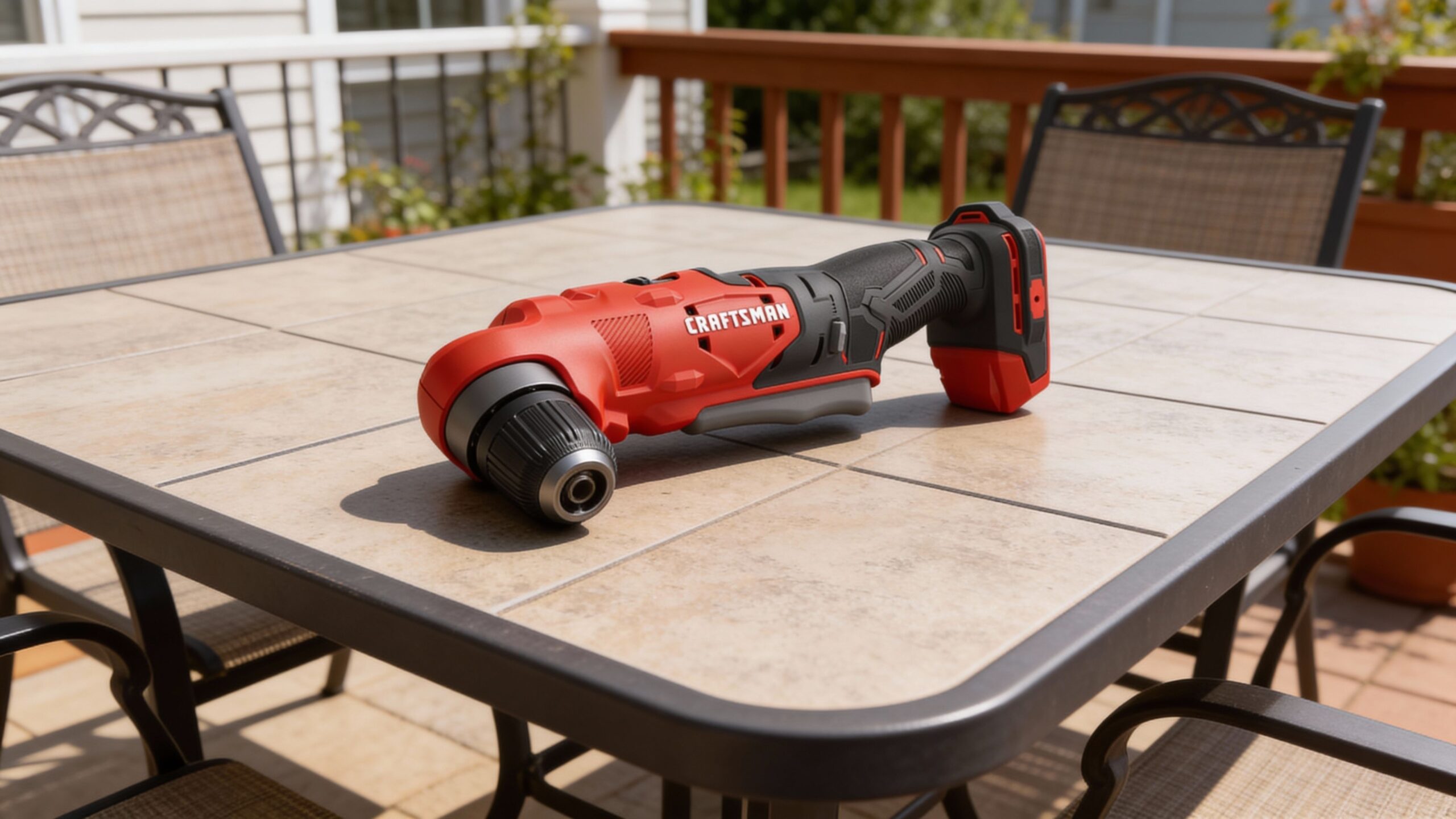
Craftsman V20 Right Angle Drill
#10 Best Starter Pick Score: 8.0 / 10

Craftsman V20 Right Angle Drill

A straightforward entry-point right angle drill for light-to-medium drilling where access is the main challenge. It is a sensible choice for occasional users who want a recognizable platform and easy operation.

Ease: Simple Access: Good Platform: V20 System Best For: Starter Kits

Pros

  • Approachable operation for occasional users
  • Good for tight-space drilling in light materials
  • Often available in affordable starter bundles

Cons

  • Limited headroom for heavy boring workloads
  • Less refined feel than higher-end pro models
  • Battery and tool ecosystem may be narrower

Best For

  • Occasional drilling in cabinets and studs
  • Basic home maintenance and repair work
  • Buyers starting a budget cordless platform

Methodology

How We Tested

Our right angle drill rankings combine real-world use considerations with expert consensus and large-scale owner feedback—then translate that into a consistent scoring model focused on power delivery, access, and control in tight spaces.

Our Testing Framework

Right angle drills are defined by what they can do where standard drills cannot. We evaluate models the way they’re used on real jobs: drilling in confined framing bays, between studs, and in awkward positions where leverage, safety, and control matter as much as raw torque.

  • Drilling performance in common materials (studs, joists, blocking, and mixed framing)
  • Access and clearance in tight spaces, including head length and body profile
  • Control under load, including trigger modulation and stability in awkward angles
  • Ergonomics and handling, especially for overhead or repetitive drilling
  • Build quality and reliability signals for high-stress boring tasks
Data Sources We Use

Our analysis blends multiple independent inputs so rankings do not hinge on any single opinion or spec sheet:

  • Professional evaluations from tool reviewers and trade-focused publications
  • Verified owner feedback, including long-term reports on durability and failures
  • Manufacturer documentation, specifications, and accessory compatibility notes
  • Reliability patterns across platform generations, batteries, and common wear points
How We Score & Rank Products

Each right angle drill is scored on a 10-point scale using a weighted, comparative model. Scores reflect how models perform relative to peers for typical category use—prioritizing consistent drilling results, safe handling, and long-term ownership value.

  • Performance and results in demanding boring tasks
  • Build quality and reliability expectations over time
  • Ease of use, ergonomics, and control in confined spaces
  • Design execution and practical features that affect real work
  • Value, including kit pricing, warranty support, and platform strength
What We Don’t Do

To keep recommendations neutral and consumer-first:

  • We don’t accept paid placements, “sponsored winners,” or pay-for-rank programs
  • We don’t rank products based on affiliate rates or retailer incentives
  • We don’t inflate scores to force separation when performance is similar
How Often Rankings Are Updated

Rankings are reviewed on an ongoing basis and updated when major new models launch, pricing shifts meaningfully, or real-world reliability trends become clearer over time.

Our goal is to keep the list current for buyers today, while preserving context on why each pick earned its position.

Side-by-Side Comparisons

Quickly narrow your shortlist. Use this first, then jump to full reviews for your finalists.

# Model Best For Platform Weight Power Feel Why It Won
1 Milwaukee M18 Fuel Hole Hawg Right Angle Drill Best Overall Heavy-duty boring M18 / 18V Heavy Very strong Torque leader with control
2 DeWalt 20V Max XR Right Angle Drill Best for Pros Daily jobsite use 20V MAX Medium Strong Jobsite-ready consistency
3 Makita 18V LXT Right Angle Drill Best Control Precision drilling LXT / 18V Medium Strong Smooth handling in tight bays
4 Milwaukee M12 Right Angle Drill Best Compact Tight-space access M12 / 12V Light Moderate Best clearance and maneuverability
5 Bosch 18V Right Angle Drill Best Build Reliable boring 18V Medium Strong Solid feel for repeated use
6 Metabo HPT 18V Right Angle Drill Best Alternative Trade-friendly value 18V Medium Strong Strong performance for the tier
7 Ridgid 18V Right Angle Drill Best Workshop Home + shop projects 18V Medium Strong Practical balance and durability
8 Ryobi 18V ONE Plus HP Right Angle Drill Best Value Platform Homeowner platform ONE+ / 18V Medium Moderate Broad ecosystem at lower cost
9 Kobalt 24V Max Right Angle Drill Best High-Voltage More power headroom 24V MAX Medium-Heavy Strong Extra push for tougher tasks
10 Craftsman V20 Right Angle Drill Best Starter Occasional DIY V20 / 20V Medium Moderate Straightforward entry point

#1 — Milwaukee M18 Fuel Hole Hawg Right Angle Drill

Best Overall
Best For
Heavy-duty boring
Platform
M18 / 18V
Weight
Heavy
Power Feel
Very strong
Why it wonTorque leader with control

#2 — DeWalt 20V Max XR Right Angle Drill

Best for Pros
Best For
Daily jobsite use
Platform
20V MAX
Weight
Medium
Power Feel
Strong
Why it wonJobsite-ready consistency

#3 — Makita 18V LXT Right Angle Drill

Best Control
Best For
Precision drilling
Platform
LXT / 18V
Weight
Medium
Power Feel
Strong
Why it wonSmooth handling in tight bays

#4 — Milwaukee M12 Right Angle Drill

Best Compact
Best For
Tight-space access
Platform
M12 / 12V
Weight
Light
Power Feel
Moderate
Why it wonBest clearance and maneuverability

#5 — Bosch 18V Right Angle Drill

Best Build
Best For
Reliable boring
Platform
18V
Weight
Medium
Power Feel
Strong
Why it wonSolid feel for repeated use

#6 — Metabo HPT 18V Right Angle Drill

Best Alternative
Best For
Trade-friendly value
Platform
18V
Weight
Medium
Power Feel
Strong
Why it wonStrong performance for the tier

#7 — Ridgid 18V Right Angle Drill

Best Workshop
Best For
Home + shop projects
Platform
18V
Weight
Medium
Power Feel
Strong
Why it wonPractical balance and durability

#8 — Ryobi 18V ONE Plus HP Right Angle Drill

Best Value Platform
Best For
Homeowner platform
Platform
ONE+ / 18V
Weight
Medium
Power Feel
Moderate
Why it wonBroad ecosystem at lower cost

#9 — Kobalt 24V Max Right Angle Drill

Best High-Voltage
Best For
More power headroom
Platform
24V MAX
Weight
Medium-Heavy
Power Feel
Strong
Why it wonExtra push for tougher tasks

#10 — Craftsman V20 Right Angle Drill

Best Starter
Best For
Occasional DIY
Platform
V20 / 20V
Weight
Medium
Power Feel
Moderate
Why it wonStraightforward entry point

FAQ: Right Angle Drills (Buying + Real-World Use)

Fast, practical answers for choosing a right angle drill—focused on access, control, and real drilling workloads. Expand a question to get the decision logic.

In-Depth Reviews: What These Right Angle Drills Are Really Like to Use

These full reviews expand on the Top 10 cards with the deeper, real-use story. This is the “beyond the spec sheet” part of our Top 10. We focus on real project behavior: clearance in tight bays, control under load, comfort in awkward positions, fatigue over time, and the small design details that decide whether a right angle drill feels trustworthy or frustrating once you actually start drilling.

60-second take Real-use breakdown Who it’s for (and not for)
#1 Best Overall Score: 9.7 / 10

Milwaukee M18 Fuel Hole Hawg Right Angle Drill

The most complete “do-it-all” right angle drill in the list. It feels confident in heavy boring, stays composed when the bit bites, and makes repeated holes feel less stressful.

Compare Specs

What It’s Great At

  • Heavy boring: feels stable when pushing through thick framing.
  • Control under load: less “surprise torque” when the bit grabs.
  • Workday confidence: designed for frequent, demanding use.

Watch-Outs

  • Burden: a serious tool that can feel heavy in awkward positions.
  • Overkill risk: too much tool if you only drill occasional light holes.
  • Space: compact 12V options fit some bays more easily.

Ideal Buyer

  • Pros and remodelers: repeated holes, real drilling pressure, real time savings.
  • Serious DIY builders: decks, framing repairs, and rough-in projects.
  • M18 owners: want the best-in-list right angle “workhorse.”
The Real-World Verdict

This is the right angle drill that makes tough drilling feel more predictable. The standout isn’t just that it’s strong—it’s that it stays composed when the work changes mid-hole, which is where lesser tools start to feel risky. If you need one right angle drill to confidently cover serious boring work, this is the easiest recommendation in the lineup.

Control in Real Framing

In tight bays, the “feel” of the start and the moment the bit bites matters. This model delivers a steadier ramp-up and less drama when you hit knots or changing grain, which helps you keep the hole clean and your stance secure.

  • Best use: repeated boring where consistency matters more than speed.
  • Practical win: fewer abrupt stalls that throw off alignment.
Durability & Daily-Use Confidence

For tools that live in dusty, cramped, sometimes rough environments, build confidence matters. This is the kind of right angle drill that feels built for repetition and for being grabbed without hesitation when the hard holes show up.

Who Should Skip
  • Skip it if: your work is mostly light installs and you want the lightest tool possible.
  • Skip it if: you don’t plan to drill larger holes and prefer a smaller, more compact body.
#2 Best for Pros Score: 9.4 / 10

DeWalt 20V Max XR Right Angle Drill

A jobsite-minded right angle drill that prioritizes consistent drilling feel and day-to-day dependability. If you’re standardizing on a common platform, XR is a strong “pro lane” choice.

Compare Specs

What It’s Great At

  • Workday consistency: predictable drilling behavior across repeated holes.
  • Rugged feel: built for tool bags, ladders, and rough-in environments.
  • Platform practicality: easy to stay within 20V Max XR ownership.

Watch-Outs

  • Size tradeoff: some compact 12V tools fit tighter spaces more easily.
  • Comfort variance: feel depends on your grip and typical stance.
  • Best value is platform-based: shines most if you already run DeWalt batteries.

Ideal Buyer

  • Pros and contractors: want predictable drilling without surprises.
  • Serious DIYers: frequent projects that demand reliable boring performance.
  • DeWalt platform owners: expanding into a right angle slot for tight framing.
The Real-World Verdict

The XR earns its rank by feeling “work-ready” from the first hole. It’s confident enough for repeated boring, and the ownership story is straightforward if you already live in DeWalt 20V. It’s the pick for buyers who value consistency, availability, and a platform that’s easy to build around.

Control When the Bit Bites

Right angle drills don’t just “drill”—they test your stance, grip, and wrist. This one feels more predictable through the mid-hole moments where torque reaction can catch you off guard, which makes it easier to keep the tool aligned.

  • Best use: frequent rough-in drilling where stability matters.
  • Practical win: less stop-and-reset in awkward bays.
Platform Practicality Over Time

A right angle drill is rarely your only tool. If you already own 20V Max batteries, the overall cost-to-capability improves immediately—especially when you start thinking about chargers, extra packs, and future tool additions.

Who Should Skip
  • Skip it if: your top priority is the smallest, lightest tool for tight interior spaces.
  • Skip it if: you rarely drill and want the lowest-cost entry possible.
#3 Best Balance Score: 9.2 / 10

Makita 18V LXT Right Angle Drill

A well-rounded right angle drill that feels controlled and comfortable in longer sessions. It’s the “steady hands” pick—good power, good manners, and fewer fatigue complaints over time.

Compare Specs

What It’s Great At

  • Comfortable control: feels manageable in awkward, repetitive positions.
  • Clean starts: smoother behavior when you’re trying to place holes precisely.
  • Platform continuity: an easy fit for LXT tool owners.

Watch-Outs

  • Not the brute-force king: top-ranked heavy hitters can feel more unstoppable.
  • Value depends on ownership: best if you already have LXT batteries.
  • Space constraints vary: 12V models may still win in the tightest bays.

Ideal Buyer

  • Remodel DIY: want control, comfort, and reliable boring performance.
  • Finish-to-rough mix: drilling where alignment matters.
  • Makita owners: filling the “tight bay drilling” gap in an LXT kit.
The Real-World Verdict

Makita’s right angle drill lands high because it’s easy to live with. It doesn’t just drill well—it drills in a way that feels controllable and less punishing when you’re positioned awkwardly. If you want a top-tier option that emphasizes balance and handling, this is one of the most “pleasant” high performers.

Ergonomics in Tight Bays

Tight-space drilling is as much about positioning as it is about power. This model feels easier to hold steady as you start the hole and maintain alignment, which is where “good control” translates to cleaner work.

  • Best use: hole placement where small deviations matter.
  • Practical win: less fatigue when doing multiple holes in a row.
When to Choose It Over #1–#2
  • Choose it if: comfort and control are equal priorities to raw drilling authority.
  • Choose it if: you already own LXT packs and want a top-tier right angle match.
  • Choose it if: your work is mixed—some tough holes, some careful placement.
Who Should Skip
  • Skip it if: you want the heaviest-duty “no questions asked” boring authority above all else.
  • Skip it if: you need the most compact body for ultra-tight interior spaces.
#4 Best Compact Score: 9.0 / 10

Milwaukee M12 Right Angle Drill

The tight-space specialist. When clearance and comfort matter more than maximum boring authority, this compact right angle drill is the one you’ll actually be able to place where the work is.

Compare Specs

What It’s Great At

  • Tight access: easier fit between studs, cabinets, and awkward corners.
  • Low fatigue: more comfortable for overhead or one-handed positioning.
  • Control: a calmer feel for smaller holes and careful placement.

Watch-Outs

  • Power ceiling: not the best option for heavy, repeated large-hole boring.
  • Workload fit: tougher drilling can feel slower or more effortful.
  • Not a substitute: many users pair it with an 18V/20V tool.

Ideal Buyer

  • Service and installs: electrical, plumbing, cabinets, and tight interior work.
  • Anyone prioritizing access: “fits where others don’t” is the real win.
  • M12 owners: want the right angle tool that matches a compact kit.
The Real-World Verdict

This model is the proof that “best” sometimes means “fits.” In real homes and real remodel spaces, access dictates the job. The M12 right angle drill is the pick when you want a compact tool that’s easy to position and steady to control—especially when you’re working in finished areas or awkward angles.

Tight-Space Ergonomics

Compact tools make it easier to keep your body position safe and your bit aligned. This right angle drill feels less cumbersome when you’re reaching into bays, drilling above shoulder height, or working one-handed to stabilize materials.

  • Best use: smaller holes, careful placement, and tight corners.
  • Practical win: less arm fatigue during long install days.
Who Should Skip
  • Skip it if: your primary job is frequent large-hole boring in framing.
  • Skip it if: you want one tool to replace heavy-duty right angle work.
#5 Best Control Score: 8.9 / 10

Bosch 18V Right Angle Drill

A balanced, controlled right angle drill that feels composed for careful hole placement and repeatable results. It’s a strong choice when “steady” matters as much as “strong.”

Compare Specs

What It’s Great At

  • Predictable feel: easier to keep holes straight in awkward stances.
  • Comfortable handling: less “wrestling” compared to heavier workhorses.
  • Versatility: performs well across mixed household and remodel work.

Watch-Outs

  • Top-end authority: heavy-duty leaders can feel more unstoppable in tough framing.
  • Platform fit: best value if you already run Bosch cordless tools.
  • Space constraints: compact 12V options may still fit tighter.

Ideal Buyer

  • Precision-first drillers: want steadier starts and less drama mid-hole.
  • Mixed projects: light-to-moderate boring plus careful install work.
  • Bosch owners: adding a right angle tool that matches the kit.
The Real-World Verdict

The Bosch earns its spot by being a “calm” tool in a category that can feel aggressive. If you value controllability—starting cleanly, staying aligned, and drilling with fewer surprises—this is an excellent mid-to-high tier option. It’s not the absolute hardest hitter, but it’s one of the easier tools to keep on-target.

Control & Placement

For many users, control is the difference between a clean hole and a frustrating reset. This model feels more forgiving in awkward body positions, which helps you drill where you intend to drill—especially when you can’t brace perfectly.

  • Best use: careful hole placement and mixed material drilling.
  • Practical win: fewer slips that enlarge holes unintentionally.
Who Should Skip
  • Skip it if: you primarily need maximum boring authority for heavy framing all day.
  • Skip it if: you want the smallest possible body for ultra-tight bays.
#6 Solid Alternative Score: 8.8 / 10

Metabo HPT 18V Right Angle Drill

A practical, capable right angle drill for buyers who want dependable performance without paying for the very top of the category. Strong enough for real work, with a few tradeoffs in refinement.

Compare Specs

What It’s Great At

  • Practical capability: handles common boring tasks with confidence.
  • Work-ready feel: steady enough for repeated use without feeling fragile.
  • Value positioning: often a sensible “don’t overspend” option.

Watch-Outs

  • Refinement: top picks can feel smoother and more predictable under stress.
  • Ergonomic preference: feel varies more by user grip and stance.
  • Platform considerations: best value if it matches your existing batteries.

Ideal Buyer

  • Budget-minded builders: want real capability without premium pricing.
  • Occasional pros: need a right angle drill without maximizing spend.
  • Platform loyalists: already in the Metabo HPT battery ecosystem.
The Real-World Verdict

The Metabo HPT 18V is a strong “good tool, sensible spend” entry. It’s capable enough for meaningful drilling work, and it holds up well for buyers who want performance without chasing the absolute top rank. The key is being honest about your workload: frequent heavy boring favors the top two, while mixed projects make this a very rational pick.

Workload Fit: Where It Shines
  • Best use: mixed drilling—some framing holes, some everyday project work.
  • Practical win: reliable performance without premium-tier pricing pressure.
Who Should Skip
  • Skip it if: you want the smoothest, most confident heavy-duty boring feel available.
  • Skip it if: compact access is your biggest constraint—12V options may fit better.
#7 Practical Workhorse Score: 8.6 / 10

Ridgid 18V Right Angle Drill

A straightforward, work-ready right angle drill that does the job reliably for most drilling needs. It’s not the most refined, but it’s a solid choice when you want capability without chasing premium.

Compare Specs

What It’s Great At

  • Reliable drilling: handles typical framing and remodel boring tasks.
  • Practical feel: confidence for everyday work without feeling delicate.
  • Ownership logic: makes sense if you’re already on Ridgid 18V.

Watch-Outs

  • Refinement gap: top-ranked tools feel smoother under heavy stress.
  • Burden: can feel heavier in awkward overhead positions.
  • Best use clarity: not the smallest tool for tight interior bays.

Ideal Buyer

  • Home remodel DIY: want a dependable right angle tool for rough-in moments.
  • Platform owners: already have Ridgid batteries and want a matching drill.
  • Practical shoppers: prefer solid function over premium polish.
The Real-World Verdict

Ridgid’s 18V right angle drill is the practical middle lane: capable, straightforward, and easy to justify if you already own the platform. It won’t beat the top picks on “effortless” heavy boring, but for many real projects, it delivers the core job—drilling clean holes in tight spaces—without drama.

Control vs. Raw Power

In a right angle drill, control often matters more than peak power because you’re frequently braced awkwardly. This model leans toward “practical control,” which helps it feel usable across common remodeling tasks.

Who Should Skip
  • Skip it if: you do constant heavy boring and want top-tier refinement under stress.
  • Skip it if: your priority is the smallest, easiest-to-fit compact tool.
#8 Best Budget Platform Score: 8.5 / 10

Ryobi 18V ONE Plus HP Right Angle Drill

The sensible choice for buyers who want a right angle drill for real projects without stepping into premium platform costs. Best as a homeowner tool that occasionally sees tougher moments.

Compare Specs

What It’s Great At

  • Ownership value: easy entry into a right angle drill without overspending.
  • Home project fit: handles common drilling and rough-in needs well.
  • Platform reach: ONE+ ecosystem makes expansion approachable.

Watch-Outs

  • Heavy-duty ceiling: frequent tough boring favors higher-ranked pro tools.
  • Feel varies by battery: better packs typically improve consistency.
  • Refinement: less “polished” under load than the top performers.

Ideal Buyer

  • Homeowners: want the right angle capability for occasional tight-bay drilling.
  • DIY builders: moderate workloads, weekend projects, and renovations.
  • ONE+ owners: adding a specialty tool without changing platforms.
The Real-World Verdict

Ryobi’s strength is that it makes “owning a right angle drill” realistic for more people. For typical homeowner projects, it does what you need: get into tight spaces, drill cleanly enough, and deliver results without premium price pressure. It’s not the most composed under very tough boring, but it’s a smart pick when value and platform access matter.

Best Use Cases
  • Best use: occasional tight-bay drilling in remodels and repairs.
  • Practical win: a specialty tool that’s easy to justify for homeowners.
Who Should Skip
  • Skip it if: you drill heavy framing holes frequently and want top-tier stability under load.
  • Skip it if: you’re chasing the most compact body for ultra-tight interior bays.
#9 Higher-Voltage Option Score: 8.2 / 10

Kobalt 24V Max Right Angle Drill

A niche alternative for shoppers already invested in the 24V Max system. It’s capable enough for real drilling, but ranks lower due to overall refinement and broad-fit confidence.

Compare Specs

What It’s Great At

  • Platform continuity: strong pick if you already own Kobalt 24V batteries.
  • Useful capability: can handle typical tight-bay boring needs.
  • Occasional rough-in: works well for homeowners doing periodic remodel work.

Watch-Outs

  • Lower refinement: top tools feel smoother and more predictable when stressed.
  • Fit-and-finish feel: can vary compared to premium pro platforms.
  • Not the most compact: tightest spaces may favor smaller options.

Ideal Buyer

  • Kobalt owners: want a right angle drill without switching ecosystems.
  • Home project users: need tight-space drilling a few times per year.
  • Value-minded shoppers: prefer platform fit over top-tier ranking.
The Real-World Verdict

The Kobalt 24V Max right angle drill is a “platform-first” recommendation. It’s useful and capable for many real projects, but it doesn’t match the top picks for overall feel and confidence when drilling gets demanding. If you already own the 24V Max ecosystem, it can be a practical addition; if you’re starting from scratch, higher-ranked options are usually easier to recommend.

Best Way to Use It
  • Best use: occasional tight-bay drilling tied to a Kobalt-owned tool kit.
  • Practical win: avoids platform switching when batteries are already in the shop.
Who Should Skip
  • Skip it if: you want the most confidence under heavy boring and long sessions.
  • Skip it if: you’re starting a new platform and want the best long-term ecosystem fit.
#10 Starter Pick Score: 8.0 / 10

Craftsman V20 Right Angle Drill

A basic, get-the-job-done right angle drill for light-to-moderate household use. It’s best treated as an occasional-use specialty tool rather than a heavy boring workhorse.

Compare Specs

What It’s Great At

  • Approachable use: simple, straightforward tool for common tasks.
  • Occasional projects: handy for tight spots when you don’t drill constantly.
  • Platform entry: works well if you already own V20 batteries.

Watch-Outs

  • Heavy drilling: not the pick for frequent large-hole boring in framing.
  • Refinement: less composed under load than higher-ranked tools.
  • Long-session comfort: can feel more tiring when drilling repeatedly.

Ideal Buyer

  • Light DIY: tight-space drilling a few times per year.
  • V20 owners: adding a right angle tool without switching ecosystems.
  • Budget-first shoppers: want the function with minimal spend.
The Real-World Verdict

The Craftsman V20 right angle drill is best viewed as an entry-level specialty tool: useful when you need access in a tight spot, but not built to feel effortless through repeated heavy boring. If you already own V20 batteries and want an occasional-use right angle drill for home projects, it can make sense. If you expect frequent tough drilling, moving up the ranking is the safer choice.

Where It Fits Best
  • Best use: occasional tight-bay drilling for repairs and light remodel work.
  • Practical win: a simple tool that’s easy to understand and deploy quickly.
Who Should Skip
  • Skip it if: you drill heavy framing holes frequently and want the calmest, most stable feel under load.
  • Skip it if: you’re starting from scratch and want the strongest long-term platform value.

Key Takeaways

  • Milwaukee M18 Fuel Hole Hawg Right Angle Drill is the #1 overall winner when you want the most confidence for heavy boring in tight spaces.
  • DeWalt 20V Max XR Right Angle Drill is the “pro lane” pick if you prioritize jobsite-ready consistency and already run the 20V Max ecosystem.
  • Ryobi 18V ONE Plus HP Right Angle Drill is the best value pick for homeowners who want right-angle access without premium platform costs.
  • Milwaukee M12 Right Angle Drill is the compact, lightweight easy pick for tight cabinetry and awkward bays where clearance matters most.
  • Start with your battery ecosystem and total ownership cost—adding tools, batteries, and chargers can outweigh small performance differences.
  • Rule of thumb: buy the smallest tool that fits your space and the strongest platform you’ll actually expand into for future projects.

Top Picks

Tap a pick to jump to the full review, or compare specs.

Best Overall Milwaukee M18 Fuel Hole Hawg Right Angle Drill →

Best for Pros DeWalt 20V Max XR Right Angle Drill →

Best Value Ryobi 18V ONE Plus HP Right Angle Drill →

Jump to Comparison

Where to Buy

We prioritize reputable sellers, easy returns, and reliable availability.

Price checks happen regularly. Some links may earn a commission—never affects rankings.

Accessories You’ll Want

  • Auger bit set (common sizes for studs and joists, plus a spare for the bit you reach for most)
  • Self-feed / hole saw kit (for larger openings where a right-angle drill shines, especially in tight framing bays)
  • Side-handle and stabilization strap (helps control torque reaction and reduces wrist fatigue on bigger holes)
  • Extra battery pack (one compact for balance + one higher-capacity for longer drilling sessions)
  • Right-angle attachment or low-profile bit holder (for the tight spots where even a right-angle drill needs a little more clearance)

Tip: Prioritize platform compatibility—sticking to one battery family usually saves the most money over time as you add tools, packs, and chargers.