Best Right-Angle Drills: Top 10 Picks for Professional Contractors

This guide compares the best right-angle drills for professional contractors, evaluating power, durability, ergonomics, and jobsite performance to help you choose the right tool for demanding applications.

By: Review Streets Research Lab
Updated: April 3, 2026
Approx. 10–12 min read
Best Right-Angle Drills for Professional Contractors

Best Right-Angle Drills for Professional Contractors

Our editorial picks ranked by real-world power, low-speed control, durability, and access in tight framing bays. Tap any image to expand, or jump to full reviews for deeper specs.
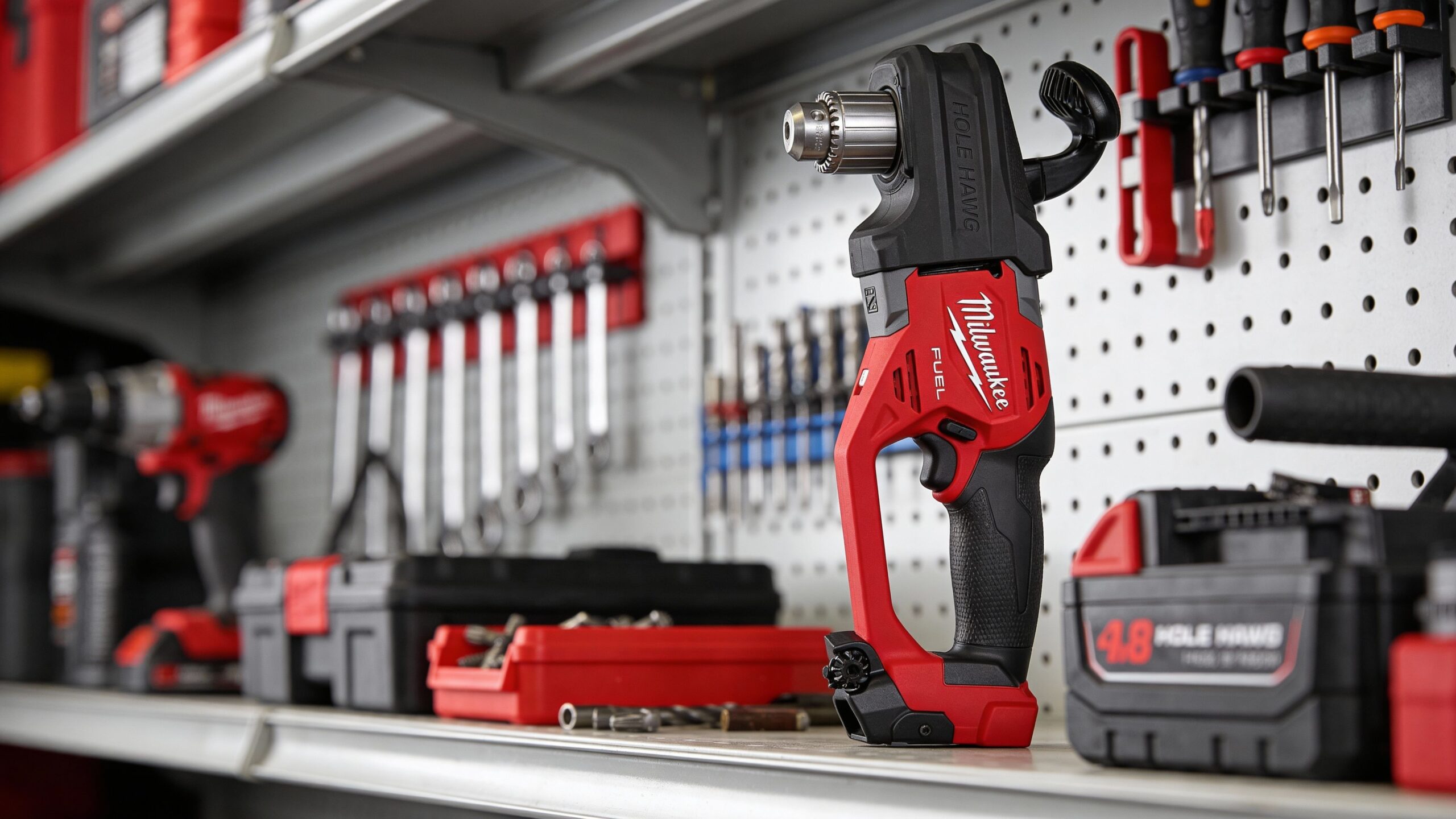
Milwaukee M18 FUEL Right Angle Drill
#1Best OverallScore: 9.7 / 10

Milwaukee M18 FUEL Right Angle Drill

Built for repeat hole-boring in studs, joists, and tight mechanical runs, this model pairs strong torque with excellent trigger control. It feels purpose-built for daily framing and rough-in work where access and reliability matter as much as raw power.

Torque: HighControl: ExcellentPlatform: M18Best For: Rough-In

Pros

  • Strong torque for large self-feed and hole saw work
  • Predictable trigger and clutch feel under load
  • Rugged build suited to daily jobsite rotation

Cons

  • Heavier than compact right-angle options
  • Premium pricing compared with value platforms
  • Best performance comes with higher-capacity batteries

Best For

  • Electricians and plumbers drilling through studs
  • Framing and remodel crews needing repeat boring power
  • Pros invested in the M18 battery ecosystem
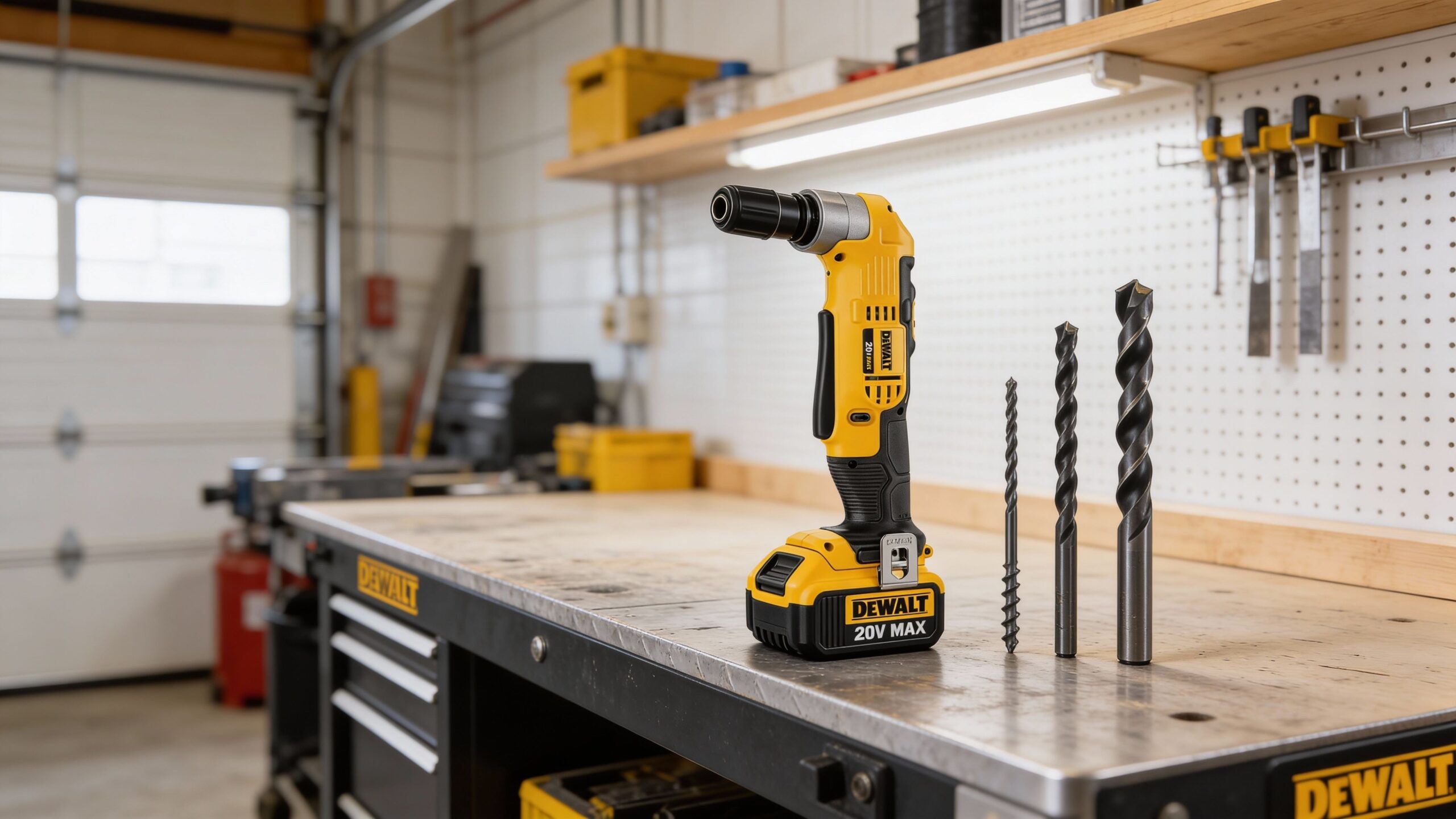
DeWalt 20V MAX XR Right Angle Drill
#2Best for Jobsite DurabilityScore: 9.5 / 10

DeWalt 20V MAX XR Right Angle Drill

A tough, dependable right-angle option that’s well-suited to daily rough-in drilling and fasteners in awkward bays. It balances power and ergonomics well, and the broader 20V platform makes it an easy fit for crews standardizing batteries.

Power: HighReach: ExcellentPlatform: 20V MAXBest For: Framing Bays

Pros

  • Strong boring performance for common rough-in tasks
  • Jobsite-tough feel with dependable controls
  • Easy battery sharing across a large 20V lineup

Cons

  • Can feel bulky in the tightest cabinet spaces
  • Longer runtimes favor larger battery packs
  • Higher-tier kits can get expensive

Best For

  • General contractors needing a reliable right-angle drill
  • Electric rough-in, plumbing rough-in, and remodel work
  • Crews already invested in DeWalt 20V batteries
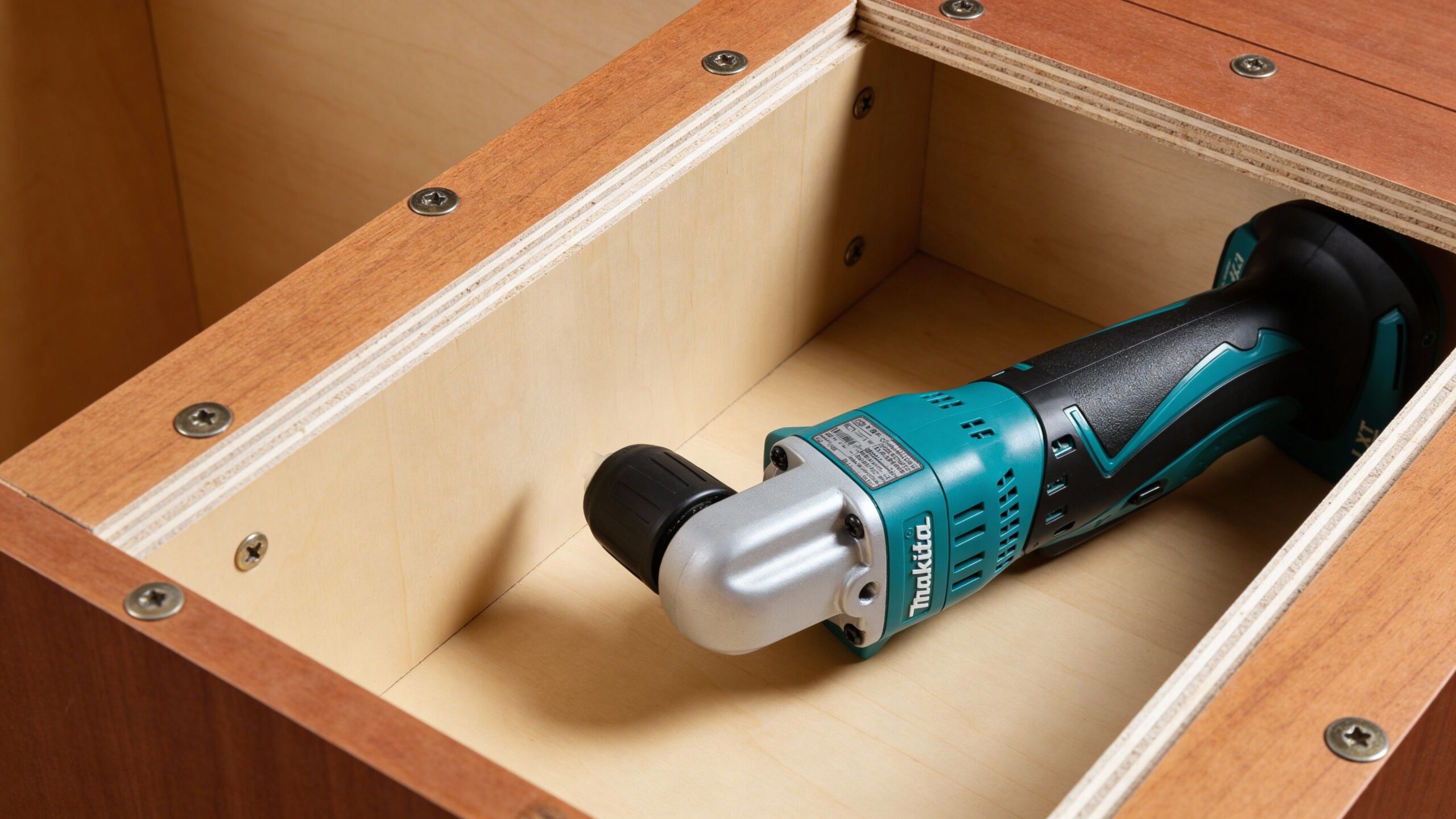
Makita 18V LXT Right Angle Drill
#3Best Control for Clean BoresScore: 9.2 / 10

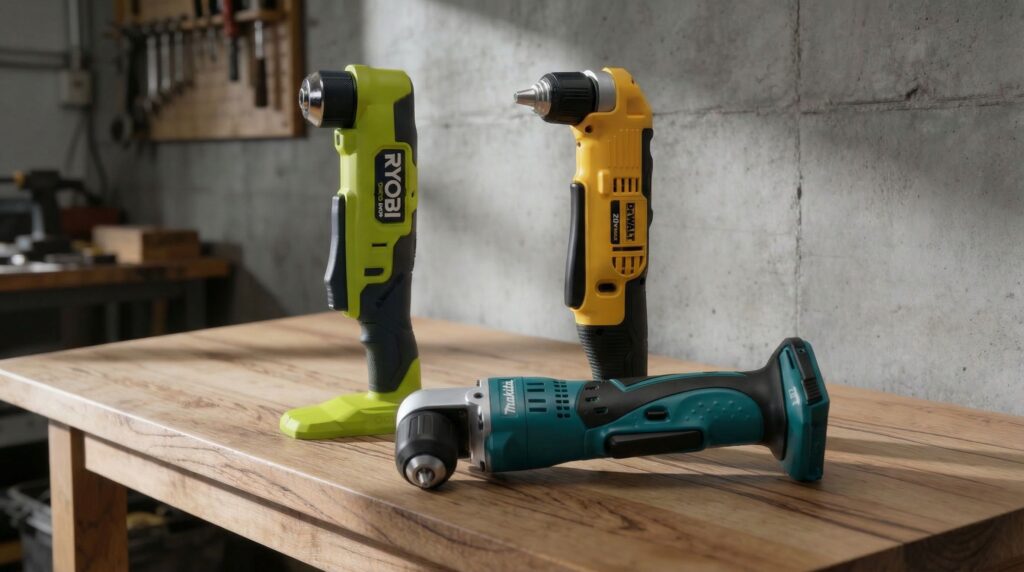
Makita 18V LXT Right Angle Drill

Smooth control and balanced handling make this a strong choice when you’re drilling accurately in finished spaces or working long days in tight bays. It’s not just powerful—it’s easy to “drive” with a refined feel that reduces fatigue.

Control: ExcellentBalance: HighPlatform: LXTBest For: Remodel

Pros

  • Refined trigger feel for clean starts and accurate holes
  • Comfortable handling for long sessions
  • Strong tool lineup within the LXT ecosystem

Cons

  • Max torque may trail the most aggressive flagship models
  • Best kits can cost more than value options
  • Performance depends on pairing with quality batteries

Best For

  • Finish-minded remodel drilling in confined areas
  • HVAC and electrical runs where control prevents blowout
  • Pros already running Makita LXT tools
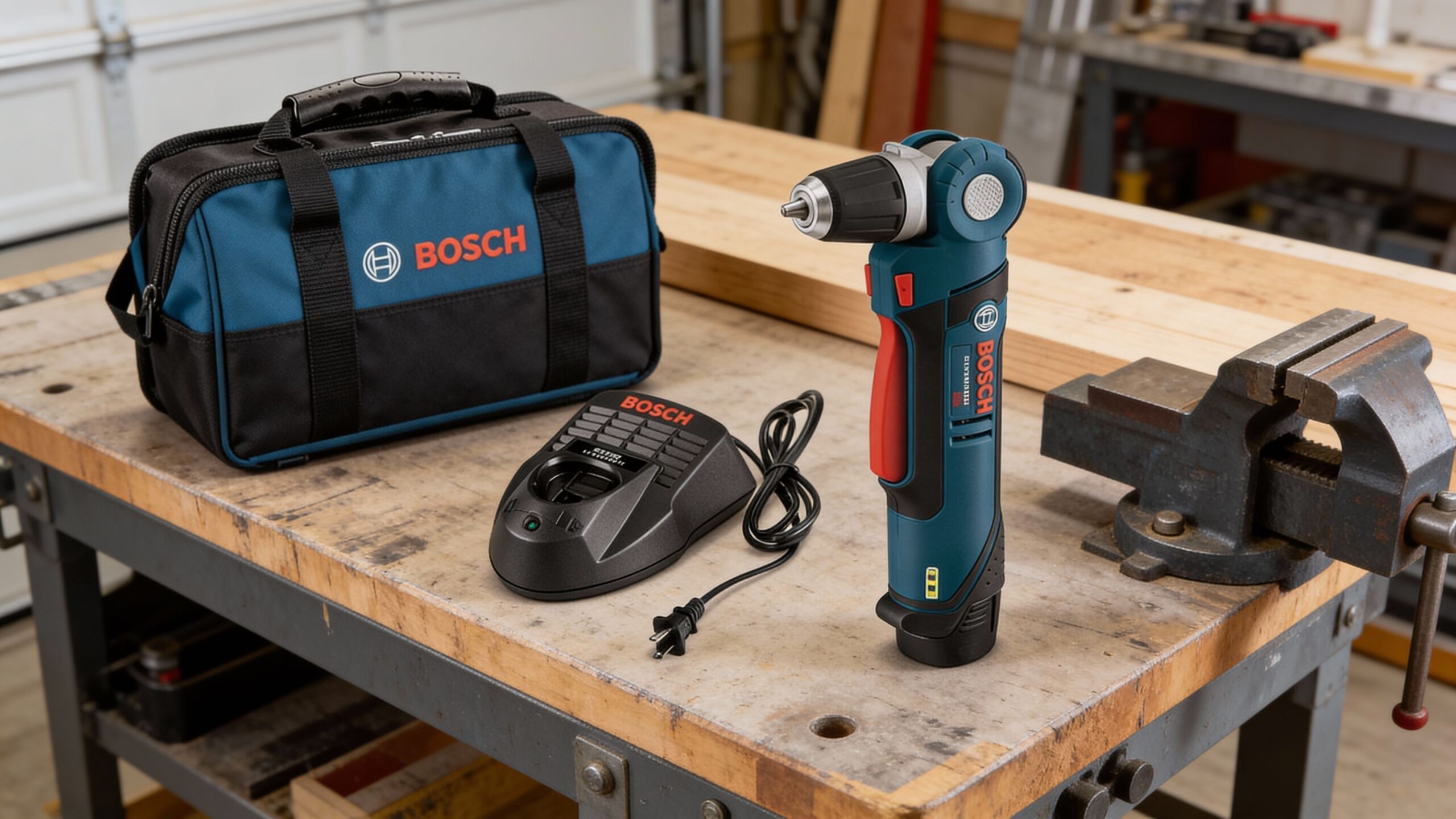
Bosch 18V Right Angle Drill
#4Best for Low-Speed ControlScore: 9.0 / 10

Bosch 18V Right Angle Drill

This is a smart pick when you want deliberate, steady boring without the tool feeling jumpy at the start. It shines on careful hole placement in awkward positions and is especially useful for crews who value control as much as output.

Control: Very HighStart: SmoothPlatform: 18VBest For: Precision Boring

Pros

  • Strong low-speed control for clean, accurate holes
  • Comfortable handling in awkward drilling positions
  • Solid reliability for routine jobsite use

Cons

  • Not the top “max torque” choice for the biggest bits
  • Ecosystem depth varies compared with major platform leaders
  • Some users may prefer a more aggressive drilling feel

Best For

  • Controlled drilling through studs and plates
  • Remodel work where accuracy reduces patching
  • Pros using Bosch 18V tools on site
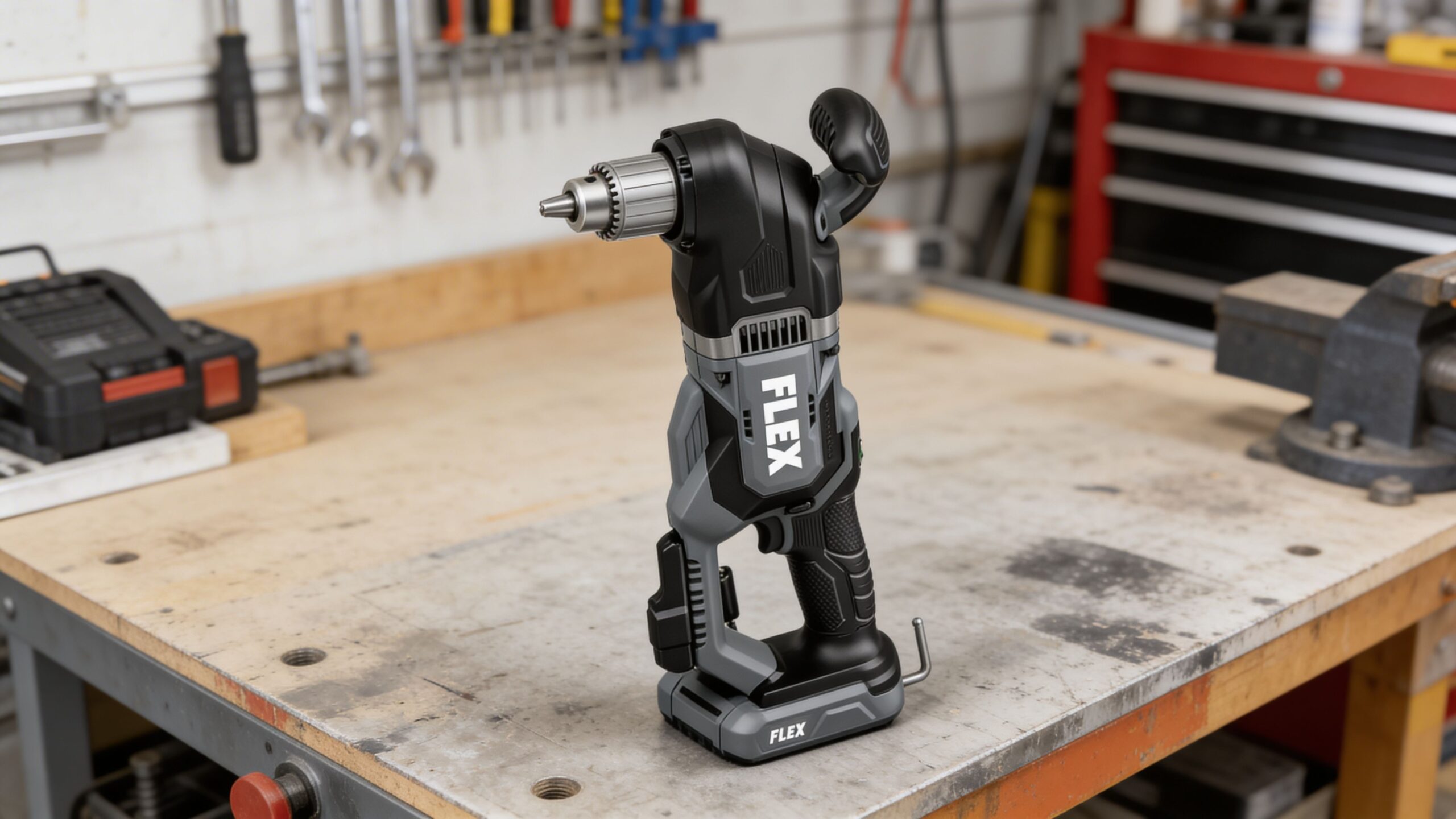
FLEX 24V Right Angle Drill
#5Best Power per DollarScore: 8.9 / 10

FLEX 24V Right Angle Drill

A strong value pick for contractors who want high output without stepping into the most expensive flagship tiers. It’s a capable performer for rough-in drilling and can make a lot of sense if you’re starting fresh on a battery platform.

Power: StrongValue: HighPlatform: 24VBest For: New Platform

Pros

  • Impressive output for the price tier
  • Confident drilling feel with solid ergonomics
  • Good option for crews building a newer ecosystem

Cons

  • Accessory and tool lineup may be smaller than legacy brands
  • Availability of specific kits can vary by retailer
  • Long-term platform depth depends on your local market

Best For

  • Contractors seeking strong performance on a fresh platform
  • Rough-in drilling on remodel and new construction
  • Value-minded pros who still need real jobsite capability
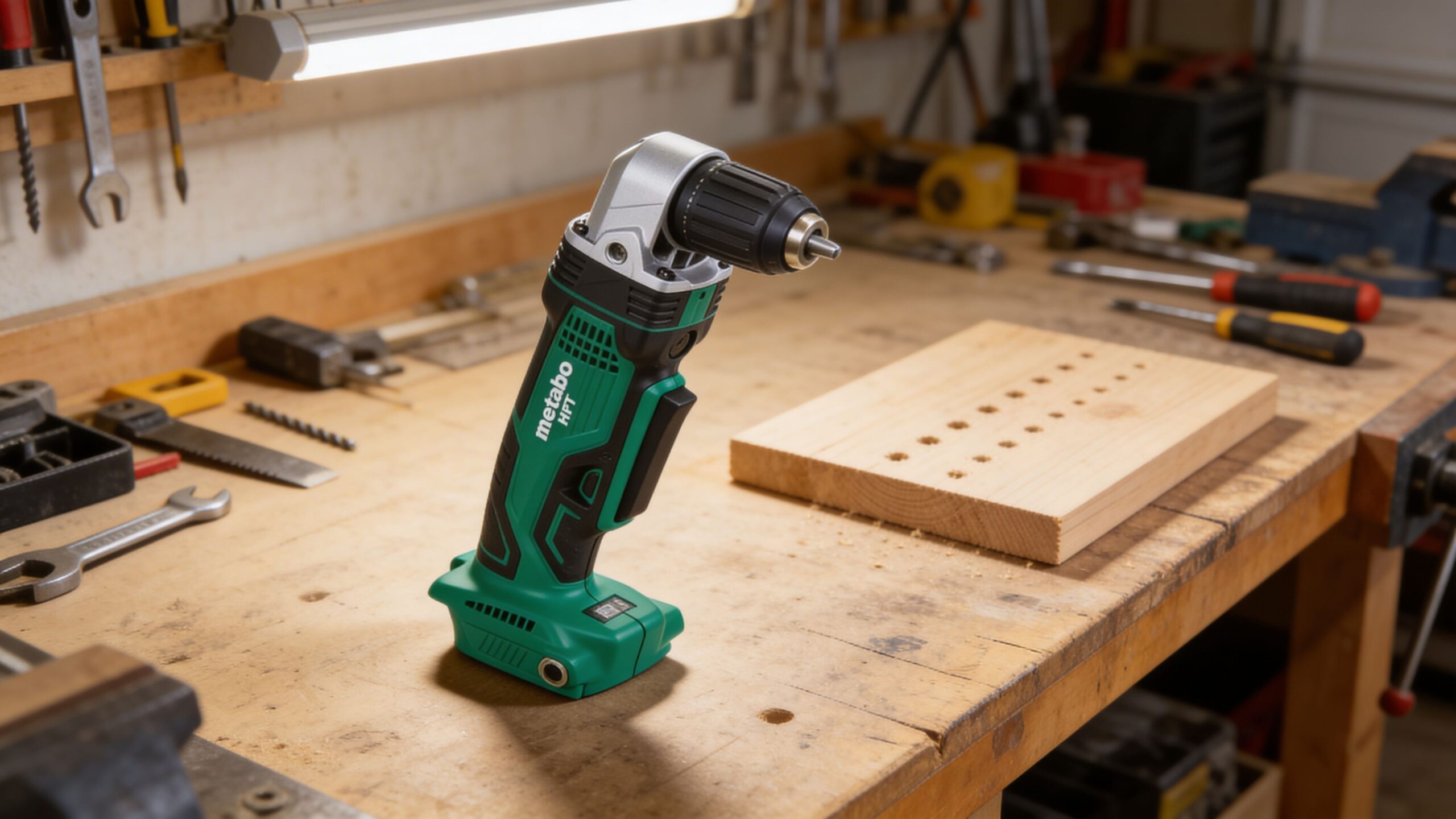
Metabo HPT 18V Right Angle Drill
#6Best for Framing AccessScore: 8.8 / 10

Metabo HPT 18V Right Angle Drill

A practical right-angle drill that emphasizes access and repeatable boring in common framing scenarios. It’s a solid choice for contractors who want dependable rough-in capability without chasing the absolute top tier of pricing.

Access: GreatOutput: StrongPlatform: 18VBest For: Stud Boring

Pros

  • Good boring performance for common rough-in work
  • Practical ergonomics for awkward stud-bay positions
  • Solid value relative to higher-priced pro platforms

Cons

  • Not the top choice for maximum heavy-duty torque
  • Ecosystem depth can vary by region
  • Some kits may include smaller batteries

Best For

  • General contractors and remodel crews
  • Rough-in drilling with spade bits and hole saws
  • Pros looking for solid value with jobsite credibility
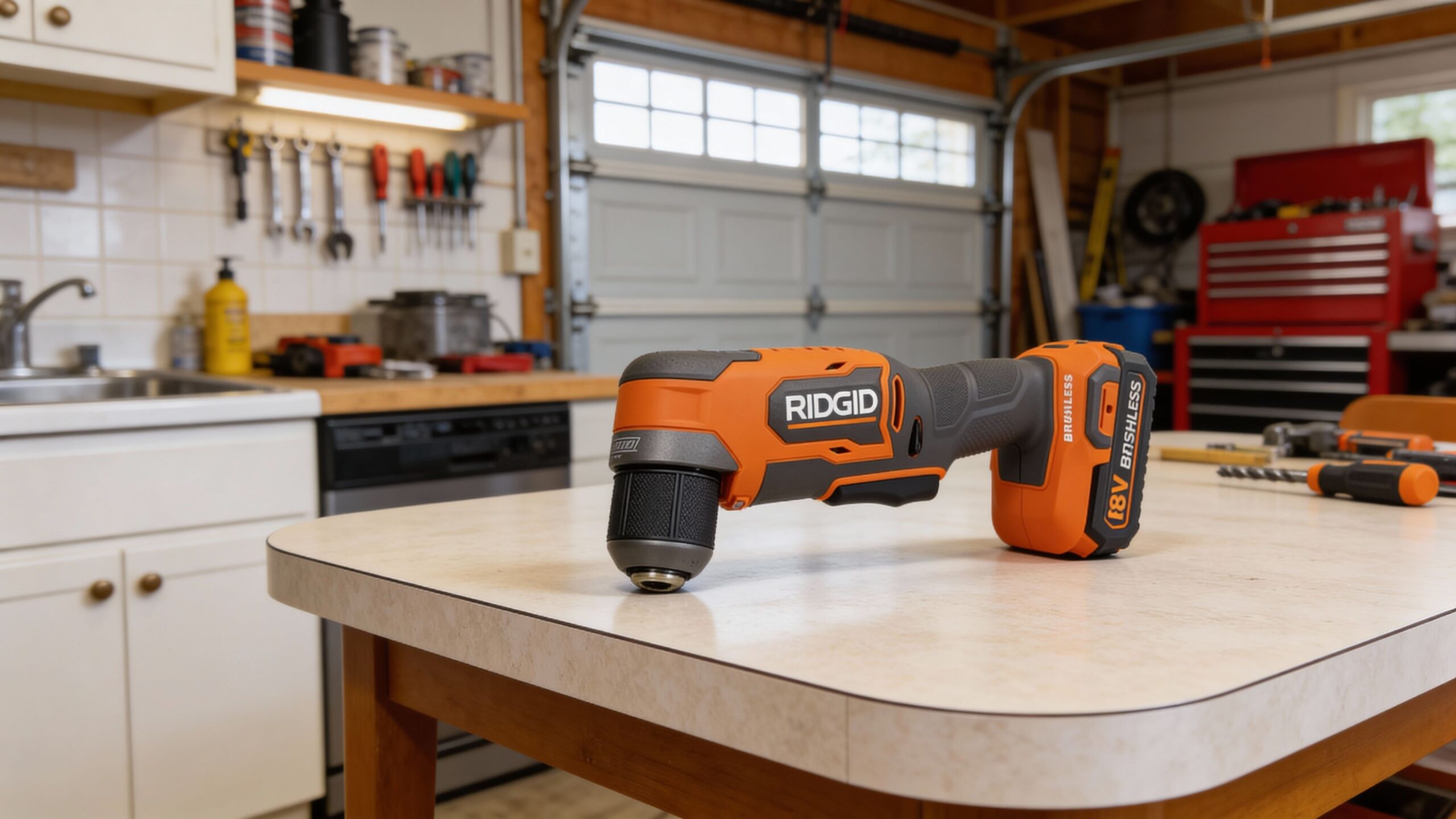
RIDGID 18V Right Angle Drill
#7Best Midrange WorkhorseScore: 8.7 / 10

RIDGID 18V Right Angle Drill

A sturdy, midrange right-angle drill that covers the day-to-day needs of many contractors: drilling in studs, joists, and awkward corners without constant fighting for clearance. It’s a dependable option when you want capable performance without premium-tier cost.

Durability: StrongHandling: GoodPlatform: 18VBest For: Everyday Use

Pros

  • Dependable performance for routine rough-in drilling
  • Good balance between size and capability
  • Often priced competitively in kits

Cons

  • May feel heavier than compact specialty models
  • Not the best match for constant large-bit boring
  • Kit contents can vary significantly

Best For

  • Contractors wanting a practical right-angle drill
  • Stud and joist drilling for wiring and plumbing runs
  • Midrange buyers prioritizing durability and value
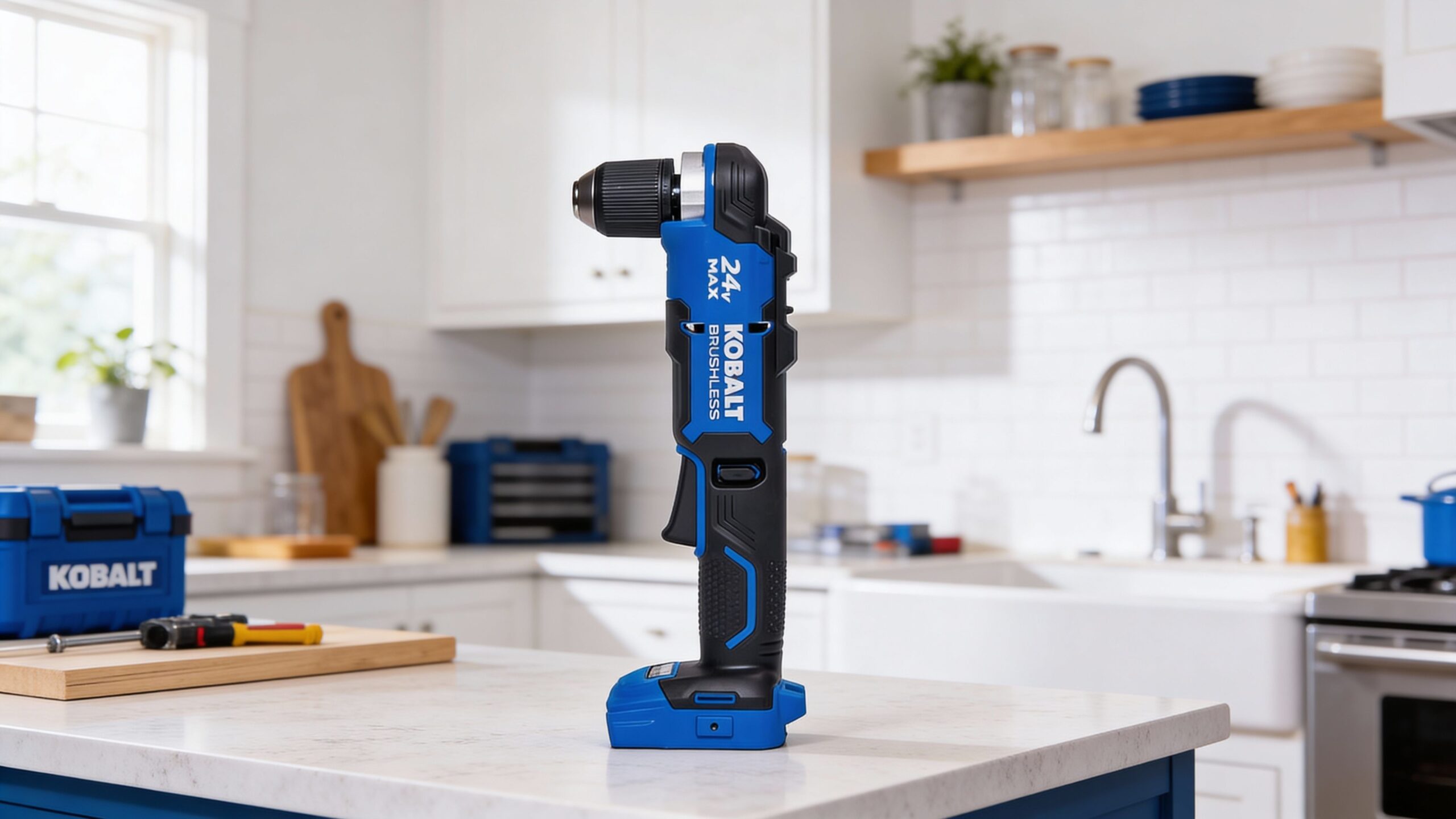
Kobalt 24V Right Angle Drill
#8Best Value PlatformScore: 8.5 / 10

Kobalt 24V Right Angle Drill

A practical choice for crews or independent contractors who want solid performance at a more accessible price point. It handles common drilling tasks well and can be a cost-effective way to keep a right-angle drill available without overspending.

Value: StrongOutput: GoodPlatform: 24VBest For: Backup Tool

Pros

  • Good performance for the money
  • Useful as a dedicated right-angle option in the truck
  • Comfortable handling for common drilling tasks

Cons

  • May not match flagship torque for large boring bits
  • Platform depth and specialty tools can be more limited
  • Kit availability can vary by store and region

Best For

  • Contractors needing a cost-effective right-angle drill
  • Light-to-medium rough-in drilling and installs
  • Pros who want a dedicated backup tool on site
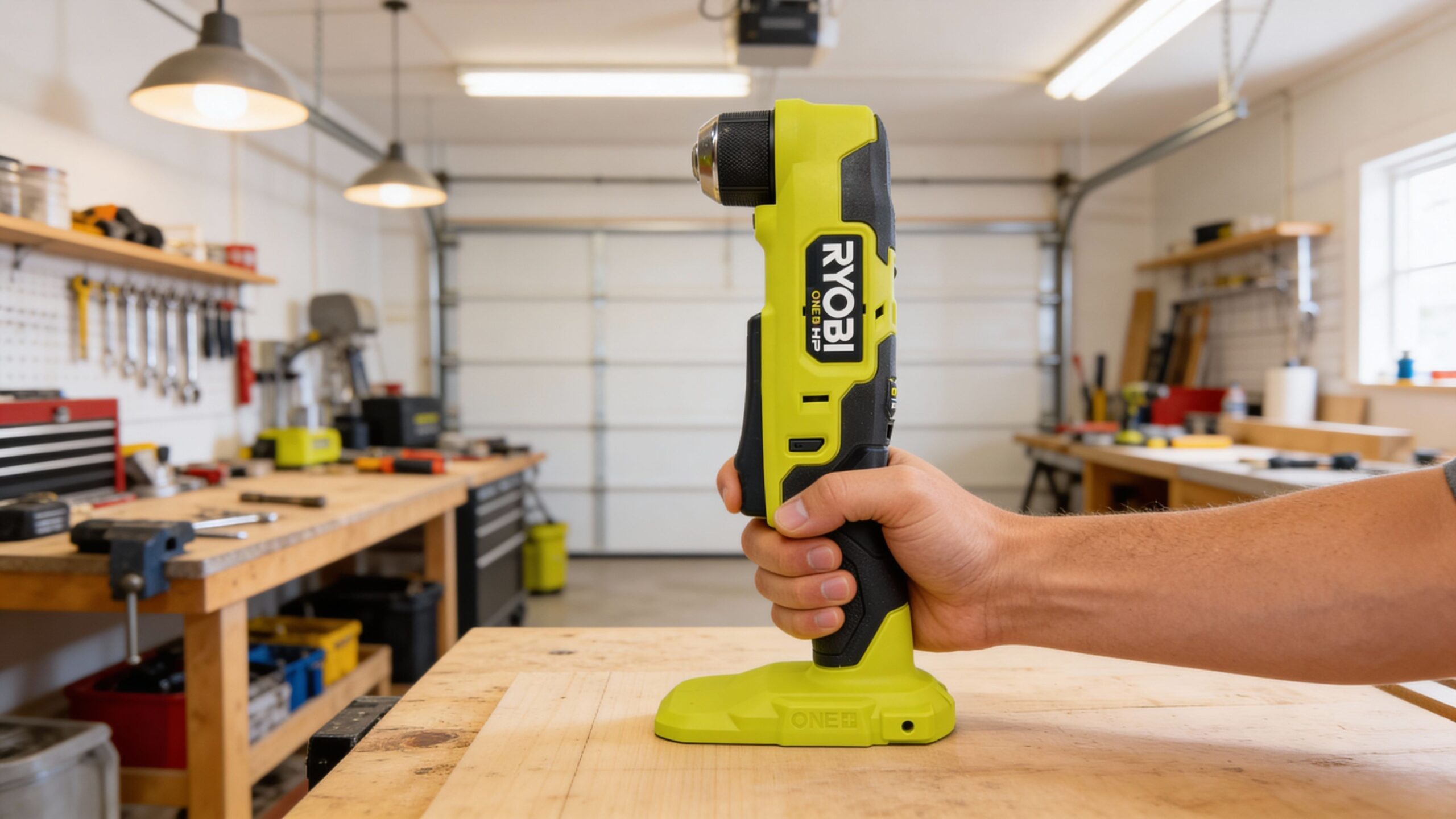
Ryobi 18V ONE Plus Right Angle Drill
#9Best Budget BackupScore: 8.3 / 10

Ryobi 18V ONE Plus Right Angle Drill

A value-friendly way to keep a right-angle drill in your rotation for occasional tight-space drilling. It’s not designed for constant heavy rough-in work, but it’s useful for light-to-medium tasks when access is the primary challenge.

Price: LowConvenience: HighPlatform: ONE+Best For: Occasional Use

Pros

  • Accessible pricing for occasional-use buyers
  • Broad battery platform for mixed tool ownership
  • Handy for light installs and tight clearances

Cons

  • Not built for heavy professional boring all day
  • Output can lag behind pro-tier premium models
  • Best treated as a secondary or occasional-use tool

Best For

  • Backup use for contractors and maintenance work
  • Light-duty drilling in cramped spaces
  • Users already invested in Ryobi ONE+ batteries
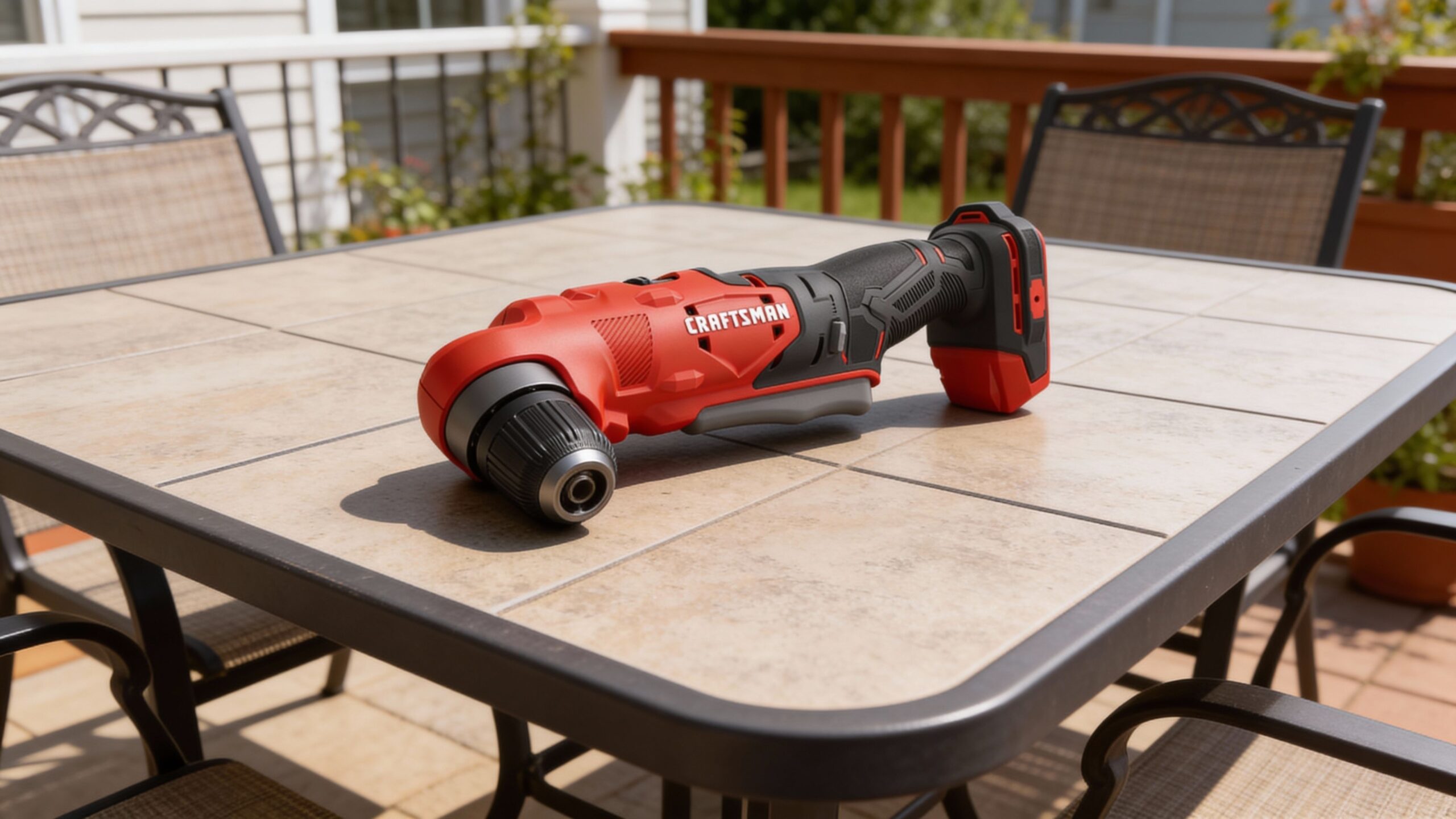
Craftsman V20 Right Angle Drill
#10Best for Occasional UseScore: 8.1 / 10

Craftsman V20 Right Angle Drill

A straightforward, accessible right-angle drill that works best for light-to-medium drilling where clearance is tight and the workload is intermittent. It’s a reasonable choice for smaller crews or contractors who need a right-angle tool on hand without paying premium rates.

Ease: SimpleValue: GoodPlatform: V20Best For: Light Rough-In

Pros

  • Approachable option for basic tight-space drilling
  • Often available in cost-effective bundles
  • Easy to keep as a dedicated backup tool

Cons

  • Not ideal for constant high-load boring with large bits
  • Control and refinement trail premium pro options
  • Platform depth may be smaller than top-tier ecosystems

Best For

  • Occasional drilling in cramped bays and corners
  • Smaller crews that need a right-angle option on hand
  • Contractors already invested in the V20 platform

Methodology

How We Tested

Our rankings for professional right-angle drills are built from real-world jobsite use cases, expert consensus, and large-scale owner feedback—combined into a consistent scoring framework that prioritizes access, control, durability, and long-term value.

Our Testing Framework

Right-angle drills live or die by how well they work in tight framing bays, awkward angles, and high-load boring situations. We evaluate each pick against the same practical scenarios contractors face, with an emphasis on safe, repeatable drilling and dependable handling under load.

  • Tight-access drilling in stud bays, joists, corners, and between obstructions
  • Load handling with common pro bits like spade bits, hole saws, and self-feed styles
  • Low-speed starts and trigger control to reduce walking, blowout, and misalignment
  • Ergonomics for one-handed positioning, balance, and fatigue during long rough-in days
  • Durability factors that matter on jobsites, including heat tolerance and consistent output
Data Sources We Use

Our analysis blends independent sources to reduce single-review bias and reflect how these tools perform over time in the field:

  • Professional tool reviews and comparative testing across right-angle drill categories
  • Verified owner feedback focusing on reliability, battery behavior, and long-term durability
  • Manufacturer specifications such as RPM ranges, head design, weight, and platform compatibility
  • Known reliability trends across model generations, including recurring issues and design improvements
How We Score & Rank Products

Each right-angle drill is scored on a 10-point scale using a weighted model. Rankings reflect comparative performance within this category—focused on jobsite usefulness, control in tight spaces, and dependable results rather than headline specs alone.

  • Performance & results under load, including boring speed and stall resistance
  • Build quality & reliability signals from long-term use and track record
  • Ease of use & ergonomics, including balance, grip, and access in confined areas
  • Features & design execution, such as control behavior and practical jobsite details
  • Value, weighing performance against total cost of ownership
  • Support & ecosystem strength, including battery compatibility and platform depth
What We Don’t Do

To keep the list trustworthy and consumer-first:

  • We don’t accept paid placements, sponsored rankings, or “guaranteed” positions
  • We don’t score products based on affiliate payout rates or retailer incentives
  • We don’t inflate scores to create artificial winners or force narrow “best” claims
How Often Rankings Are Updated

Rankings are reviewed on a regular schedule and updated when new right-angle drill models launch, meaningful price shifts occur, or reliability trends emerge from longer-term ownership data.

When changes are warranted, we adjust scores and placements to keep this list current for contractors who rely on accurate, practical recommendations.

Side-by-Side Comparisons

Quickly narrow your shortlist. Use this first, then jump to full reviews for your finalists.

# Model Best For Platform Weight Power Feel Why It Won
1 Milwaukee M18 FUEL Right Angle Drill Best Overall Daily rough-in drilling M18 Heavy Very strong Control + torque for rough-in
2 DeWalt 20V MAX XR Right Angle Drill Best for Jobsite Durability Contractor daily use 20V MAX XR Med-Heavy Strong Rugged feel + platform fit
3 Makita 18V LXT Right Angle Drill Best Control for Clean Bores Remodel accuracy LXT Medium Strong Smooth handling for clean holes
4 Bosch 18V Right Angle Drill Best for Low-Speed Control Careful hole placement 18V Medium Moderate-Strong Steady starts in tight bays
5 FLEX 24V Right Angle Drill Best Power per Dollar Value-minded pros 24V Medium Strong Strong output for the cost
6 Metabo HPT 18V Right Angle Drill Best for Framing Access Stud and joist boring 18V Medium Strong Practical access for framing work
7 RIDGID 18V Right Angle Drill Best Midrange Workhorse Everyday jobsite tasks 18V Medium Moderate-Strong Balanced capability for daily work
8 Kobalt 24V Right Angle Drill Best Value Platform Cost-conscious crews 24V MAX Medium Moderate Good value in a 24V system
9 Ryobi 18V ONE Plus Right Angle Drill Best Budget Backup Occasional tight-space work ONE+ HP Light-Med Moderate Affordable secondary right-angle option
10 Craftsman V20 Right Angle Drill Best for Occasional Use Light-to-medium drilling V20 Light-Med Moderate Simple pick for intermittent needs

#1 — Milwaukee M18 FUEL Right Angle Drill

Best Overall
Best For
Daily rough-in drilling
Platform
M18
Weight
Heavy
Power Feel
Very strong
Why it wonControl + torque for rough-in

#2 — DeWalt 20V MAX XR Right Angle Drill

Best for Jobsite Durability
Best For
Contractor daily use
Platform
20V MAX XR
Weight
Med-Heavy
Power Feel
Strong
Why it wonRugged feel + platform fit

#3 — Makita 18V LXT Right Angle Drill

Best Control for Clean Bores
Best For
Remodel accuracy
Platform
LXT
Weight
Medium
Power Feel
Strong
Why it wonSmooth handling for clean holes

#4 — Bosch 18V Right Angle Drill

Best for Low-Speed Control
Best For
Careful hole placement
Platform
18V
Weight
Medium
Power Feel
Moderate-Strong
Why it wonSteady starts in tight bays

#5 — FLEX 24V Right Angle Drill

Best Power per Dollar
Best For
Value-minded pros
Platform
24V
Weight
Medium
Power Feel
Strong
Why it wonStrong output for the cost

#6 — Metabo HPT 18V Right Angle Drill

Best for Framing Access
Best For
Stud and joist boring
Platform
18V
Weight
Medium
Power Feel
Strong
Why it wonPractical access for framing work

#7 — RIDGID 18V Right Angle Drill

Best Midrange Workhorse
Best For
Everyday jobsite tasks
Platform
18V
Weight
Medium
Power Feel
Moderate-Strong
Why it wonBalanced capability for daily work

#8 — Kobalt 24V Right Angle Drill

Best Value Platform
Best For
Cost-conscious crews
Platform
24V MAX
Weight
Medium
Power Feel
Moderate
Why it wonGood value in a 24V system

#9 — Ryobi 18V ONE Plus Right Angle Drill

Best Budget Backup
Best For
Occasional tight-space work
Platform
ONE+ HP
Weight
Light-Med
Power Feel
Moderate
Why it wonAffordable secondary right-angle option

#10 — Craftsman V20 Right Angle Drill

Best for Occasional Use
Best For
Light-to-medium drilling
Platform
V20
Weight
Light-Med
Power Feel
Moderate
Why it wonSimple pick for intermittent needs

FAQ: Right-Angle Drills (Buying + Jobsite Use)

Quick answers to the questions contractors ask before they commit to a right-angle drill. Expand a topic to get practical tradeoffs for real rough-in work.

In-Depth Reviews: What These Right Angle Drills Are Really Like to Use

These full reviews expand on the Top 10 cards above with a deeper, real-use breakdown. This is the “beyond the spec sheet” part of our Top 10. We focus on real job behavior: how the head fits between studs, how the tool reacts when a bit grabs, how controllable it feels in awkward body positions, and whether it stays dependable when you’re drilling holes all day in framing.

60-second take Real-use breakdown Who it’s for (and not for)
#1 Best Overall Heavy-Duty Score: 9.7 / 10

Milwaukee M18 FUEL Right Angle Drill

The “bring it to the studs and don’t baby it” winner. It delivers the kind of torque and stability that makes repeated rough-in drilling feel controlled instead of chaotic—especially when your bit hits knots, nails, or changing grain mid-hole.

Compare Specs

What It’s Great At

  • High-torque boring: self-feed and auger work in framing with less drama.
  • Confidence in tight bays: stays composed when you can’t brace perfectly.
  • Daily abuse: built to feel “tight” even after a long season of rough-ins.

Watch-Outs

  • Size and weight: powerful, but not the lightest overhead.
  • Torque reaction: still demands smart bracing and bit selection.
  • Best with strong batteries: feels most confident with higher-output packs.

Ideal Buyer

  • Pros: drill lots of holes in studs, joists, and plates.
  • Serious remodelers: bathrooms, kitchens, basements, additions.
  • M18 owners: want the flagship right-angle option.
The Real-World Verdict

This is the right-angle drill that feels the most “job-ready” across the widest range of rough-in scenarios. The big difference is not just power—it’s how predictably it pulls through a hole when the material gets ugly. You can keep your pace without feeling like every knot is a new negotiation.

Control, Bracing, and Kickback Management

Right-angle drills punish sloppy setup. The Milwaukee rewards good bracing with smoother pull-through and fewer “surprise stalls.” Treat it like a high-torque tool, not a compact driver, and it feels unusually controllable for its class.

  • Best practice: use the handle/brace points whenever possible.
  • Bit choice: sharp self-feed/auger bits reduce grab and heat.
  • Pace: steady pressure beats forcing it through.
Where It Shines in Real Projects

If you do plumbing, electrical, or HVAC rough-in, you’ll notice the difference immediately: faster holes, less tool chatter, and fewer moments where the drill feels like it’s about to twist away from you. It’s also a strong choice for renovation work where access is limited but demands are high.

Who Should Skip
  • Skip it if: you only need occasional light holes and want the smallest, lightest tool.
  • Skip it if: you’re not comfortable managing high torque in awkward positions.
#2 Best for Pros Score: 9.5 / 10

DeWalt 20V MAX XR Right Angle Drill

A pro-lane pick that feels built for repeated rough-in cycles—hole after hole, stud bay after stud bay. It’s a dependable performer with a familiar, work-ready grip and a platform that’s easy to standardize around if your crew already runs 20V MAX.

Compare Specs

What It’s Great At

  • Repeatable drilling: steady pace in common framing work.
  • Work-ready ergonomics: comfortable for long rough-in stretches.
  • Platform access: easy to match batteries across a tool fleet.

Watch-Outs

  • Not the lightest: fatigue can show up overhead or in ladders.
  • Bit discipline matters: dull bits make any right-angle drill feel harsh.
  • Best with larger packs: sustained drilling favors higher Ah.

Ideal Buyer

  • Trades: electrical/plumbing rough-in, remodel work, service crews.
  • DeWalt owners: want a right-angle drill that matches their batteries.
  • Builders: prefer consistent feel over chasing the last ounce of torque.
The Real-World Verdict

The XR right-angle drill is the kind of tool you can plan around. It’s consistent, predictable, and feels comfortable when your day is “drill holes, route lines, repeat.” If you already own 20V MAX batteries, the value and convenience jump immediately.

Where It Beats the #1 Pick
  • If you’re already in 20V MAX: platform simplicity is hard to ignore.
  • If availability matters: easy to replace/expand batteries and tools.
  • If your work is consistent: it excels in repeat rough-in patterns.
Real-Use Tips for Cleaner, Faster Holes

The XR feels best when you keep your approach disciplined: let the bit cut, keep the head aligned, and brace the tool so torque reaction doesn’t yank you off line. That’s when it turns into a “steady production” drill instead of a wrestling match.

Who Should Skip
  • Skip it if: your priority is the lightest tool for occasional homeowner drilling.
  • Skip it if: you want a compact right-angle solution for very small holes only.
#3 Best Balance Score: 9.2 / 10

Makita 18V LXT Right Angle Drill

A smoother, more “controlled in the hands” right-angle drill that’s easy to trust when you’re working in awkward positions. It’s the pick for users who value balance and predictable handling as much as brute output.

Compare Specs

What It’s Great At

  • Controlled feel: smoother starts and steadier pull-through.
  • Awkward-position drilling: less “fight” when you can’t brace perfectly.
  • LXT ownership: strong platform support for long-term growth.

Watch-Outs

  • Peak power: not always the most aggressive in hard boring.
  • Battery pairing: feels better with higher-output packs.
  • Bit selection: performance varies more with dull vs sharp bits.

Ideal Buyer

  • Remodelers: want control in tight, awkward framing.
  • Makita owners: expanding an LXT tool shelf.
  • Careful drillers: prefer predictability over “max torque flex.”
The Real-World Verdict

The Makita feels like it’s trying to help you do clean work, not just muscle through it. In real projects, that shows up in smoother starts, fewer “jerky” moments when the bit bites, and less fatigue when you’re contorted around pipes or ducting.

Ergonomics in Tight Bays

Right-angle drills often get used one-handed, mid-ladder, or in half-braced positions. The Makita’s balance makes those moments less stressful, helping you stay aligned so holes land where you intended instead of drifting.

Best Bits and Use Cases
  • Sweet spot: framing holes for runs, controlled boring, remodel rough-in.
  • Best feel: sharp auger/self-feed bits with steady pressure.
  • Bonus: clean, repeat holes without feeling overpowered.
Who Should Skip
  • Skip it if: your top priority is maximum brute force for the hardest boring tasks.
  • Skip it if: you only need a right-angle drill a few times a year.
#4 Best Precision Control Score: 9.0 / 10

Bosch 18V Right Angle Drill

A controlled, confidence-building option for users who care about clean holes and predictable handling in awkward spaces. It’s a strong mid-top pick when you want a right-angle drill that feels manageable, not intimidating.

Compare Specs

What It’s Great At

  • Controlled drilling: predictable feel when starting holes in tight bays.
  • Comfortable handling: easier to keep aligned in awkward positions.
  • Jobsite versatility: fits a wide range of rough-in scenarios.

Watch-Outs

  • Not the biggest torque monster: heavy boring can push it sooner.
  • Battery choice matters: stronger packs improve sustained drilling.
  • Right-angle reality: still requires smart bracing to avoid wrist twist.

Ideal Buyer

  • Remodel work: clean holes around existing plumbing/electrical.
  • Users who value control: want less drama in tight positions.
  • General rough-in: frequent but not extreme “all day, every day” boring.
The Real-World Verdict

Bosch earns its spot by feeling controlled in the moments that matter—starting a hole where you actually want it, staying aligned when your body position is awkward, and avoiding the “tool is about to yank away” sensation that can happen with high-torque boring.

Real-Use Comfort and Fatigue

If your work involves a lot of ladder time and “arm extended” drilling, comfort matters. Bosch feels like a tool you can keep steady without over-gripping, which reduces fatigue and improves accuracy—especially on repeat holes through studs.

Best Use Cases and Bit Pairings
  • Great for: service work, remodel rough-in, controlled framing holes.
  • Bit tip: keep augers sharp—dull bits amplify torque reaction.
  • Technique: let the tool cut; don’t “force” the last inch.
Who Should Skip
  • Skip it if: you routinely run the largest self-feed bits all day in new construction.
  • Skip it if: you want the most aggressive high-torque option available.
#5 Best 24V Power Upgrade Score: 8.9 / 10

FLEX 24V Right Angle Drill

A strong “upgrade lane” pick for users who want a punchy, modern feel and don’t mind leaning into a 24V platform. It’s confident in tough drilling moments and feels like it’s built for people who actually use a right-angle drill often.

Compare Specs

What It’s Great At

  • Strong feel under load: confident boring in framing and remodel work.
  • Modern platform vibe: designed for power users, not occasional tasks.
  • Stability: feels composed when the bit meets resistance.

Watch-Outs

  • Platform commitment: best value if you’re willing to build 24V tools.
  • Weight can add up: higher-output packs may increase fatigue.
  • Not the “default” ecosystem: fewer cross-compat batteries on most shelves.

Ideal Buyer

  • Frequent rough-in: want strong performance without stepping to the top two.
  • Upgrade shoppers: looking for a modern power-forward platform.
  • Tool builders: okay committing to a growing ecosystem.
The Real-World Verdict

FLEX feels like a serious tool: strong, steady, and ready for difficult drilling. It earns its score by feeling confident when material changes mid-hole, while still being controllable enough to keep your line when you’re wedged between studs and pipes.

Performance Under Resistance

The moment a bit grabs is the moment right-angle drills reveal their personality. FLEX tends to feel strong and composed rather than twitchy, which helps you keep control and reduces the “tool surprise” factor on tough studs and layered materials.

Platform Value: When It Makes Sense
  • Best value: if you plan to add more FLEX 24V tools over time.
  • Less ideal: if you already own a deep 18V/20V ecosystem.
  • Great fit: for users who like a power-forward tool feel.
Who Should Skip
  • Skip it if: you want the most common battery platform for easy cross-tool sharing.
  • Skip it if: your right-angle drilling is rare and light-duty.
#6 Best Durability Value Score: 8.8 / 10

Metabo HPT 18V Right Angle Drill

A strong, work-ready option that lands in the “recommended” zone by being practical and dependable. It’s a great choice when you want real right-angle drilling capability without paying top-tier pricing—especially if you can get a solid kit deal.

Compare Specs

What It’s Great At

  • Practical power: handles common rough-in drilling confidently.
  • Value positioning: strong capability per dollar in many kits.
  • Dependable feel: a good “use it often” tool without premium spend.

Watch-Outs

  • Not the class leader: top picks feel more refined under stress.
  • Battery ecosystem: best if you plan to stay within the platform.
  • Ergonomics vary: try to handle one if you’re sensitive to grip feel.

Ideal Buyer

  • Value-focused pros: want capability without flagship pricing.
  • Remodel crews: steady rough-in performance for most homes.
  • Kit shoppers: prefer a smart deal over brand prestige.
The Real-World Verdict

Metabo HPT earns its place by being the kind of drill you can put to work without worrying you bought “too light” a tool. It’s not the most elite-feeling option, but it’s capable in common rough-in drilling and tends to make sense when price and performance both matter.

Best Situations for This Pick
  • Great for: remodel rough-in, service work, repeated stud drilling.
  • Best approach: sharp bits + steady pressure + good bracing.
  • Value note: shines most when purchased as part of a strong kit.
Who Should Skip
  • Skip it if: you want the most refined, top-tier control under heavy boring.
  • Skip it if: you already own a deep battery ecosystem you won’t switch from.
#7 Best for Rough-In Score: 8.7 / 10

RIDGID 18V Right Angle Drill

A practical rough-in tool that’s easy to put into rotation for framing holes and service runs. It’s not the flashiest pick, but it’s a solid performer for the kind of “drill a bunch of holes and move on” work most rough-ins actually require.

Compare Specs

What It’s Great At

  • Everyday rough-in holes: consistent drilling for common stud work.
  • Practical feel: straightforward tool behavior in real projects.
  • Good value lane: a strong option when found at the right price.

Watch-Outs

  • Not a flagship monster: top picks may feel smoother at the extremes.
  • Fatigue factor: right-angle drilling is heavy work—plan your stance.
  • Ecosystem fit: best if you already own compatible batteries/tools.

Ideal Buyer

  • Rough-in work: stud drilling for wire, pipe, and service runs.
  • Value-focused users: want capability without premium pricing.
  • Home pros: frequent projects, not constant extreme duty.
The Real-World Verdict

RIDGID’s right-angle drill is a solid, work-focused tool for the holes most people actually drill in rough-in work. It does well when you keep it in its lane: steady pace, sharp bits, and a braced stance so torque reaction stays manageable.

Control and Consistency Across Stud Bays

The best rough-in tools are consistent when you’re tired, rushed, or working in awkward framing. RIDGID stays predictable enough to keep holes clean and aligned, which helps when you’re threading runs and trying to keep everything neat and code-friendly.

Who Should Skip
  • Skip it if: you want the most premium feel and top-tier control under maximum resistance.
  • Skip it if: you rarely need a right-angle drill and prefer a lighter, smaller solution.
#8 Best 24V Budget Lane Score: 8.5 / 10

Kobalt 24V Right Angle Drill

A recommended pick for shoppers who want real right-angle drilling power without jumping to premium pro pricing. It’s a practical “budget lane” entry into a 24V platform—especially for homeowners and DIYers who do occasional rough-in style work.

Compare Specs

What It’s Great At

  • Solid capability: handles common stud/joist holes for home projects.
  • Budget-friendly entry: good value when you catch a strong deal.
  • Practical feel: a usable tool for occasional rough-in tasks.

Watch-Outs

  • Not premium-refined: top picks feel smoother under heavy resistance.
  • Platform commitment: best value if you’ll add more 24V tools.
  • Technique matters: bracing and bit sharpness change the experience.

Ideal Buyer

  • Homeowners: occasional framing holes, remodel rough-in, utility installs.
  • Budget platform builders: want a capable 24V start.
  • DIYers: prefer value over pro-brand prestige.
The Real-World Verdict

Kobalt’s right-angle drill is a sensible choice for people who need the form factor and the capability, but don’t need to live in the top-tier pro ecosystems. For homeowners and occasional rough-in tasks, it’s a “gets real work done” tool when used with sharp bits and good bracing.

Best Use Scenarios
  • Great for: remodel wiring runs, utility shelving, light framing tasks.
  • Better with: higher-capacity battery for longer drilling stretches.
  • Works best: when you keep holes planned and bracing intentional.
Who Should Skip
  • Skip it if: you drill heavy framing holes daily and want maximum refinement.
  • Skip it if: you already own a different battery ecosystem you won’t move away from.
#9 Best for Home DIY Score: 8.3 / 10

Ryobi 18V ONE Plus Right Angle Drill

A homeowner-friendly right-angle option that makes sense when you need the form factor for a few specific projects and you like the idea of an affordable ecosystem. It’s recommended for light-to-medium rough-in tasks—not for nonstop heavy boring.

Compare Specs

What It’s Great At

  • DIY accessibility: easy entry into a broad, budget-friendly ecosystem.
  • Occasional rough-in: runs for shelving, utility work, basic remodel tasks.
  • Practical ownership: affordable batteries and frequent deals.

Watch-Outs

  • Heavy boring limits: large, repeated holes can push the tool sooner.
  • Battery choice matters: stronger packs improve feel and runtime.
  • Technique required: bracing and sharp bits are non-negotiable.

Ideal Buyer

  • Homeowners: occasional tight-space drilling in remodels and repairs.
  • Ryobi owners: want a right-angle tool on the ONE+ platform.
  • Budget DIYers: want capability without premium platform costs.
The Real-World Verdict

Ryobi’s right-angle drill is a good “I need this tool for a real reason” purchase for homeowners—like running lines through a few bays, drilling in tight utility spaces, or handling occasional remodel tasks. It’s at its best when you treat it like a capable DIY tool, not an all-day commercial rough-in drill.

Getting the Best Results as a DIYer
  • Use sharp bits: dull augers create heat, grab, and frustration.
  • Brace smart: align your body so torque reaction can’t twist your wrist.
  • Don’t rush: steady pressure keeps holes cleaner and safer.
Who Should Skip
  • Skip it if: you regularly drill large holes all day in new construction framing.
  • Skip it if: you want the highest refinement and control under extreme load.
#10 Best Entry-Level Score: 8.1 / 10

Craftsman V20 Right Angle Drill

A recommended entry-level option for homeowners who need a right-angle drill for occasional tight-space projects. It’s best when expectations are realistic: light-to-medium holes, shorter sessions, and an emphasis on simple ownership rather than peak power.

Compare Specs

What It’s Great At

  • Simple entry: straightforward tool for occasional right-angle needs.
  • Typical home projects: utility holes, small runs, tight access repairs.
  • Accessible kits: often found at budget-friendly bundle pricing.

Watch-Outs

  • Not heavy-duty: large, repeated holes can be slower and more tiring.
  • Control under load: top picks feel calmer when the bit grabs.
  • Battery impacts feel: runtime and confidence depend on the pack.

Ideal Buyer

  • Homeowners: occasional tight-space drilling, not daily rough-in.
  • Budget-first shoppers: want the form factor without premium costs.
  • Craftsman owners: adding a specialty tool to the V20 shelf.
The Real-World Verdict

Craftsman V20 makes sense when you want a right-angle drill for a specific set of homeowner projects—like running a few lines, drilling utility holes, or working where a standard drill simply won’t fit. Used with sharp bits and a patient pace, it delivers solid results for the category at an entry-level price point.

How to Stay in Its Sweet Spot
  • Choose smaller bits: avoid pushing into constant large-hole boring.
  • Plan bracing: position your body so torque reaction is controlled.
  • Work in bursts: short sessions keep fatigue and heat down.
Who Should Skip
  • Skip it if: you need a right-angle drill for daily commercial rough-in work.
  • Skip it if: you want the highest control and refinement under heavy resistance.

Key Takeaways

  • Milwaukee M18 FUEL Right Angle Drill earns the #1 spot with the strongest blend of torque, control, and long-term durability.
  • Ryobi 18V ONE Plus HP Right Angle Drill stands out as the best value pick for homeowners who want capability without premium pricing.
  • DeWalt 20V MAX XR Right Angle Drill is the best special-use choice for heavy framing and pro crews standardizing a jobsite platform.
  • Makita 18V LXT Right Angle Drill is the easiest all-day option when comfort, balance, and fatigue reduction matter most.
  • Choosing a battery ecosystem—M18, 20V MAX, LXT, or others—often has a bigger impact on long-term cost than small torque differences.
  • For most buyers, prioritize control, ergonomics, and platform fit over chasing the highest torque rating on paper.

Top Picks

Tap a pick to jump to the full review, or compare specs.

Best Overall Milwaukee M18 FUEL Right Angle Drill →

Best for Pros DeWalt 20V MAX XR Right Angle Drill →

Best Value Ryobi 18V ONE Plus Right Angle Drill →

Jump to Comparison

Where to Buy

We prioritize reputable sellers, easy returns, and reliable availability.

Price checks happen regularly. Some links may earn a commission—never affects rankings.

Accessories You’ll Want

  • Right-angle drill bits / stubby bit set (helps in stud bays, cabinets, and other cramped work where length is the enemy)
  • Auger + self-feed bit set (for cleaner, faster boring through framing and thicker stock when you need real bite)
  • Hole saw kit (handy for larger cutouts like plumbing/electrical passes and occasional retrofit work)
  • Extra battery pack (one compact for balance + one higher-capacity for longer sessions and fewer swaps)
  • Side handle / stabilizer grip (adds control and reduces wrist strain when the bit binds or the material changes suddenly)

Tip: If you’re choosing between platforms, prioritize the battery family you’ll actually expand into—batteries, chargers, and compatible tools usually matter more long-term than a small difference between drill bodies.