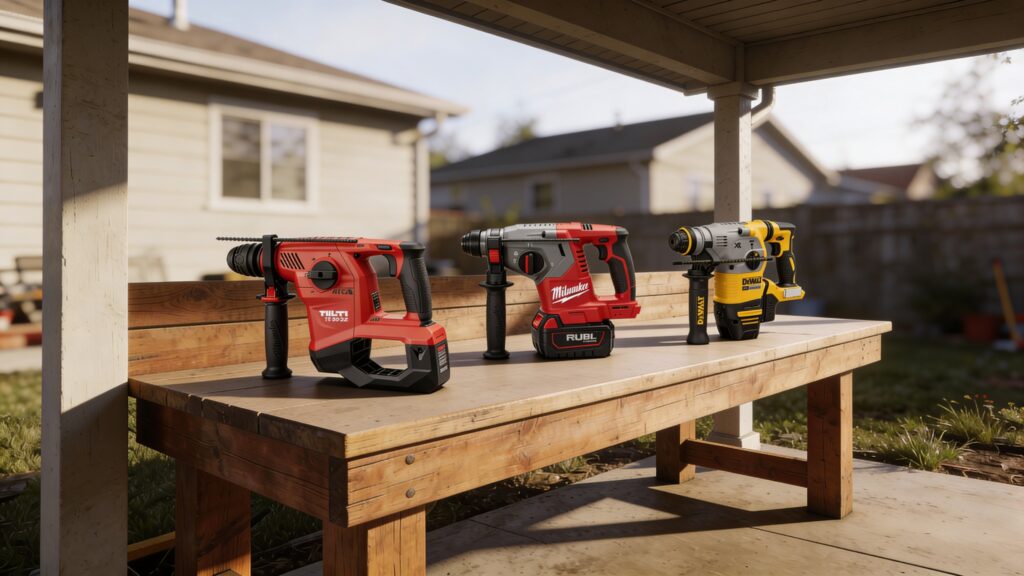
Best Rotary Hammer Drills for Heavy-Duty Concrete Work

We compared the best rotary hammer drills for heavy-duty concrete work, evaluating power, durability, handling, and drilling performance to identify the most capable options for demanding masonry tasks.

By: Review Streets Research Lab
Updated: March 27, 2026
Approx. 10–12 min read
Best Rotary Hammer Drills for Heavy-Duty Concrete Work (Top 10 Picks)

Best Rotary Hammer Drills for Heavy-Duty Concrete Work

Our editorial picks ranked by concrete drilling performance, control, durability, and long-term value. Tap any image to expand, or jump to full reviews for deeper specs.
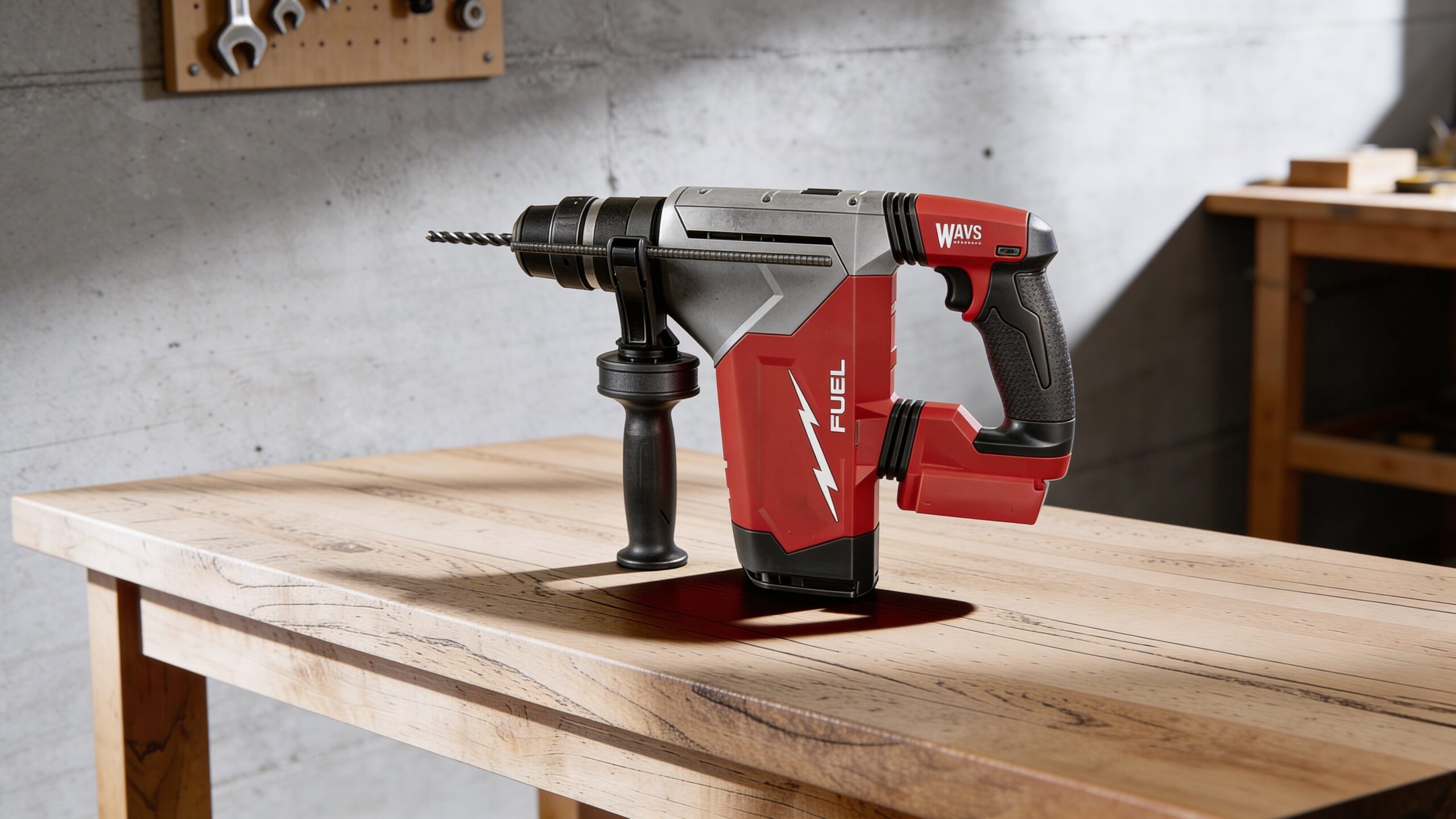
Milwaukee M18 FUEL 2915-20
#1 Best Overall Score: 9.7 / 10

Milwaukee M18 FUEL 2915-20

The strongest all-around cordless option in this list, with fast concrete drilling, strong safety control, and a pro-grade feel that holds up to repeated heavy-duty use. It is the easiest premium recommendation for buyers who want top-tier performance without stepping into a larger SDS-Max class.

Power: Very Strong Control: Excellent Type: M18 Cordless Best For: Heavy Daily Use

Pros

  • Fast, confident drilling in tough concrete
  • Strong bind-up safety control under load
  • Excellent fit for pro cordless workflows

Cons

  • Premium price compared with value picks
  • Heavier than lighter-duty homeowner options
  • Best runtime comes with larger batteries

Best For

  • Contractors drilling anchors all day
  • Serious remodelers working in concrete often
  • Buyers wanting the strongest cordless all-rounder
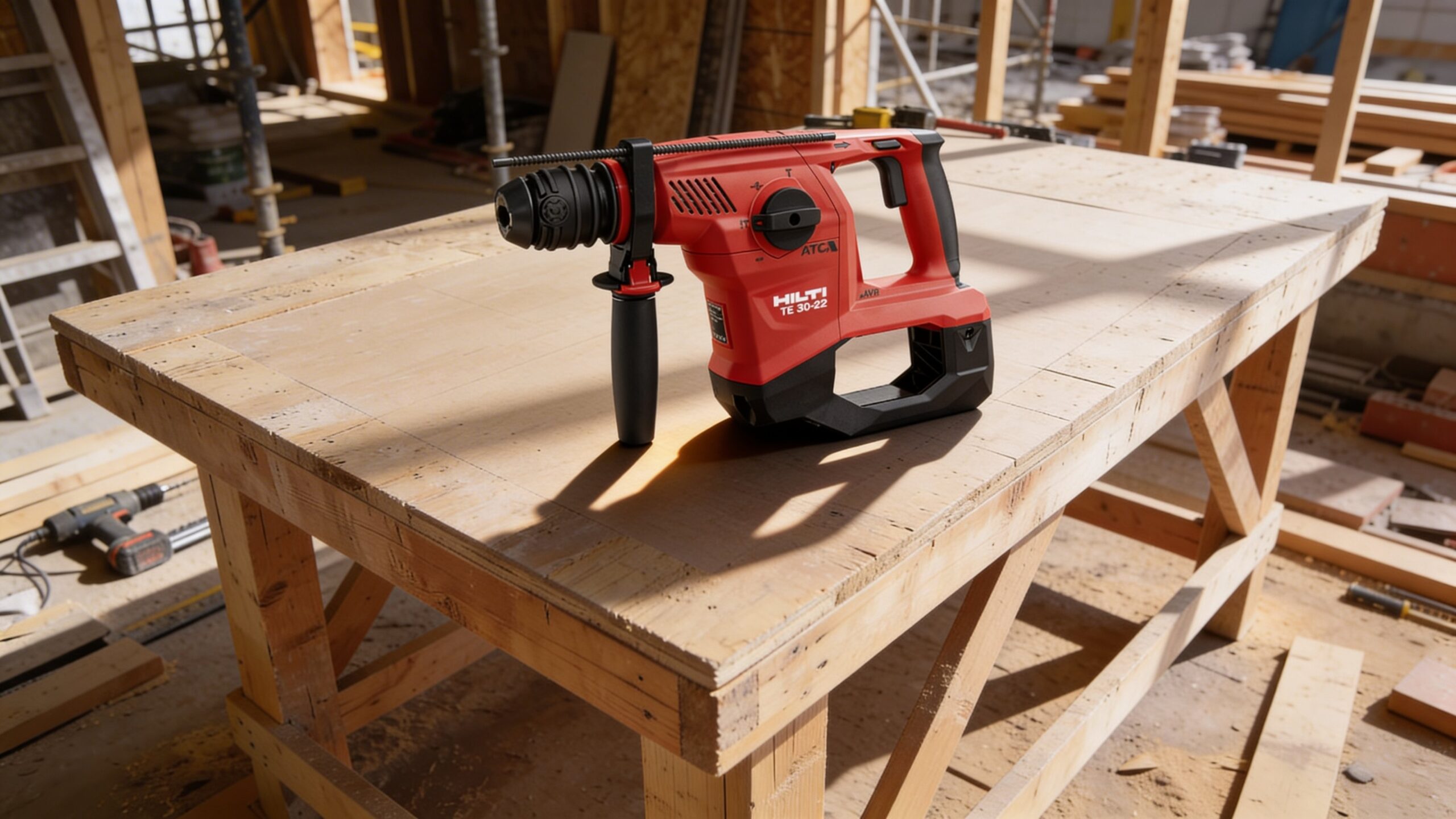
Hilti TE 30-22
#2 Best for Pros Score: 9.5 / 10

Hilti TE 30-22

A premium professional-grade rotary hammer built for commercial concrete work, with low-vibration control and the kind of refined feel contractors notice right away. It is expensive, but few tools in this class feel more purpose-built for repeated anchor drilling and demanding site use.

Power: Very Strong Comfort: Excellent Type: Nuron Cordless Best For: Commercial Crews

Pros

  • Refined control and low-vibration feel
  • Built for demanding professional use
  • Excellent confidence in repeated concrete drilling

Cons

  • One of the most expensive picks here
  • Overkill for occasional homeowners
  • Best fit for buyers committed to Hilti

Best For

  • Commercial electricians and mechanical trades
  • Daily concrete anchor work
  • Buyers prioritizing support and durability
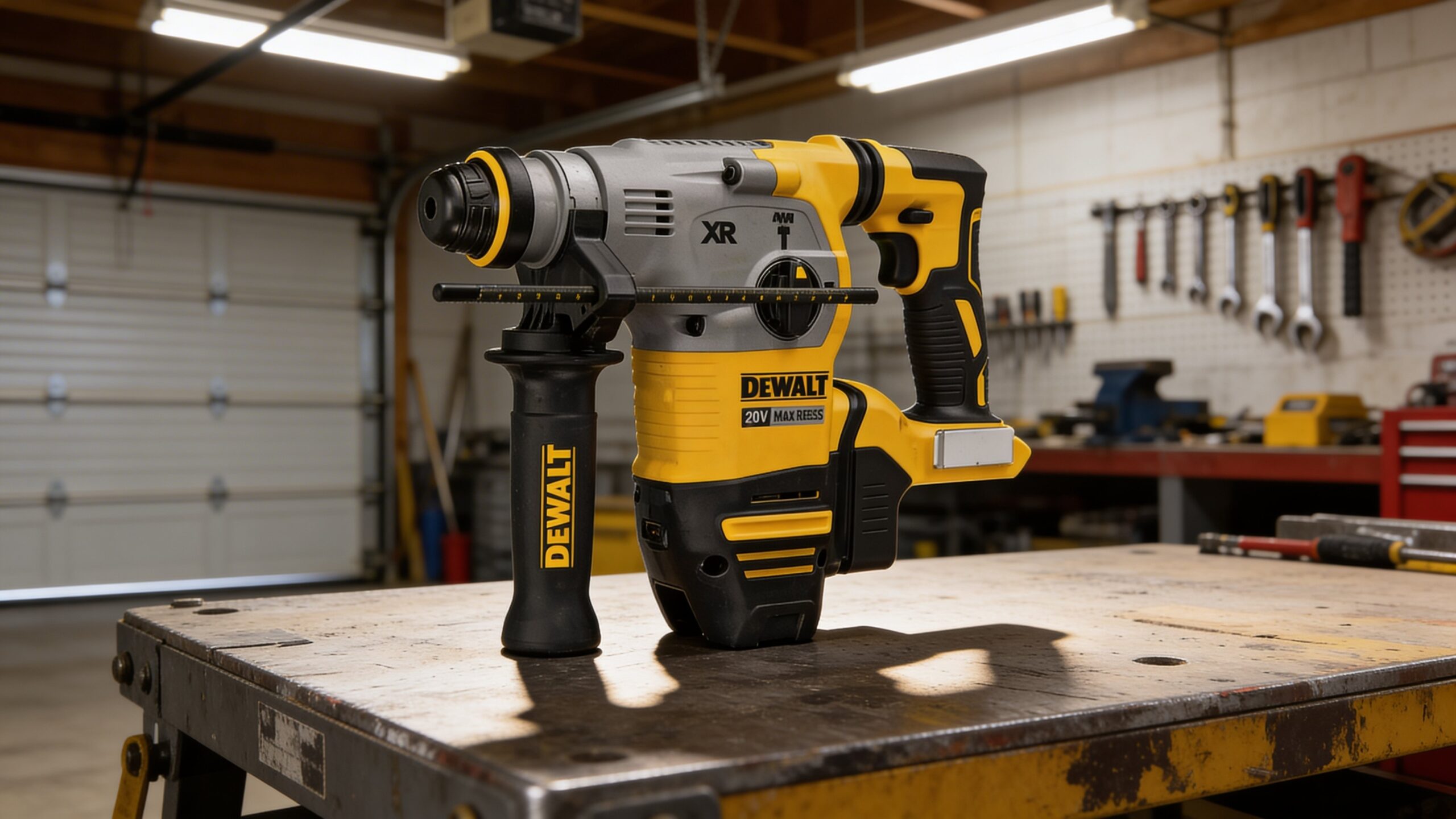
DeWalt DCH293
#3 Best Jobsite Value Score: 9.3 / 10

DeWalt DCH293

A smart middle lane for serious users who want strong cordless concrete performance without jumping to the most premium pricing tier. It balances drilling speed, durability, and platform convenience especially well for daily site work.

Power: Strong Durability: Excellent Type: 20V Max Cordless Best For: Mixed Trade Use

Pros

  • Strong all-around concrete drilling pace
  • Easy fit for DeWalt platform owners
  • Good blend of price and jobsite performance

Cons

  • Still costs more than homeowner-focused picks
  • Larger batteries improve overall feel
  • Not as refined as the most premium pro pick

Best For

  • Contractors already on 20V Max
  • Frequent anchor drilling
  • Buyers wanting pro value without luxury pricing
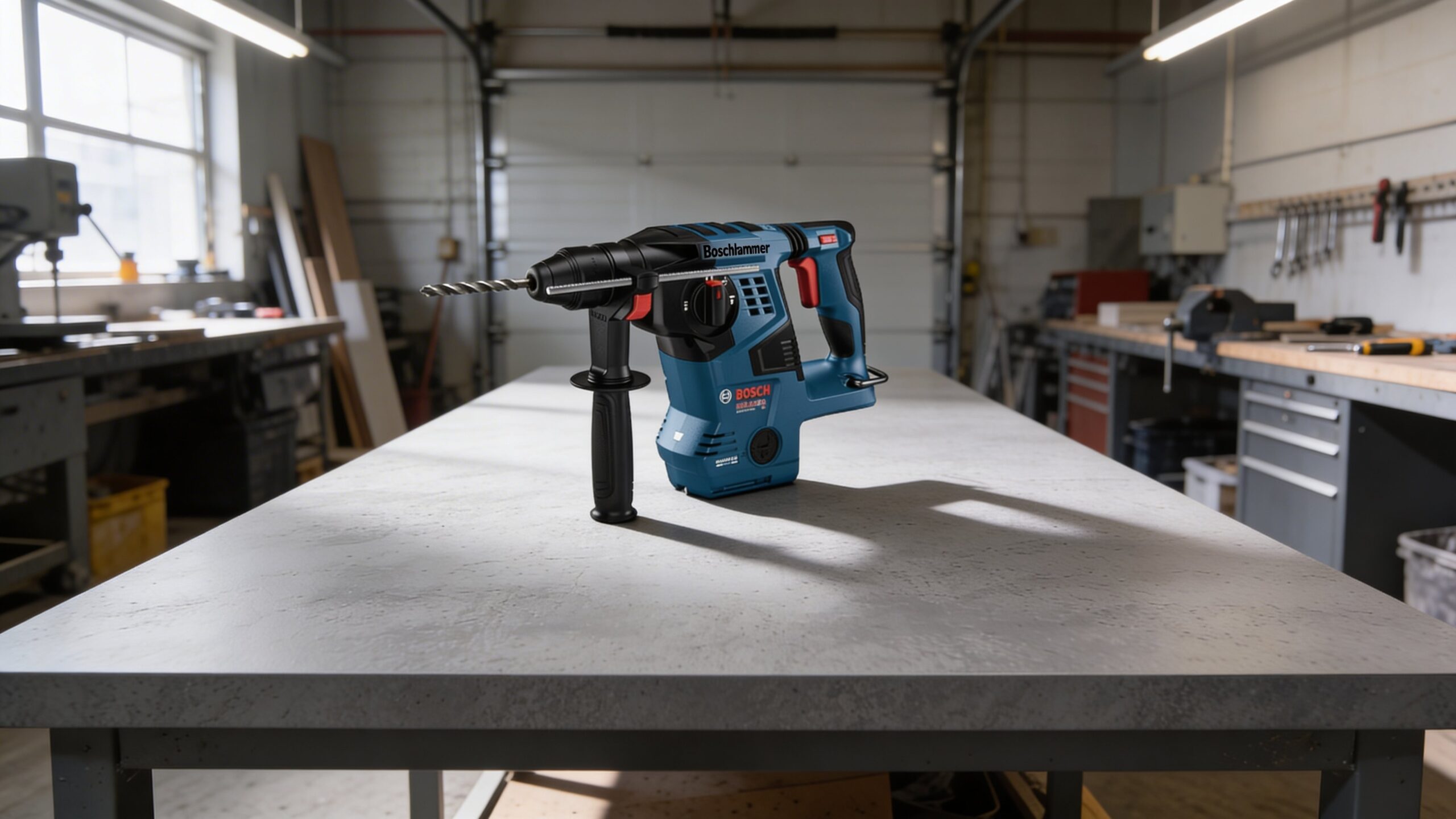
Bosch GBH18V-28C Bulldog
#4 Best Control Score: 9.0 / 10

Bosch GBH18V-28C Bulldog

A polished cordless rotary hammer with excellent balance and a more controlled feel than many equally serious tools. It stands out for buyers who value precise anchor work, better handling, and lower fatigue over maximum aggression.

Handling: Excellent Control: High Type: 18V Cordless Best For: Precision Anchors

Pros

  • Balanced feel for cleaner anchor placement
  • Comfortable in overhead or repeated drilling
  • More refined than many hard-hitting rivals

Cons

  • Not the most aggressive driller in the list
  • Still priced in premium territory
  • Platform is less universal than some big brands

Best For

  • Installers who care about balance and accuracy
  • Finished-space concrete work
  • Users prioritizing control over brute force
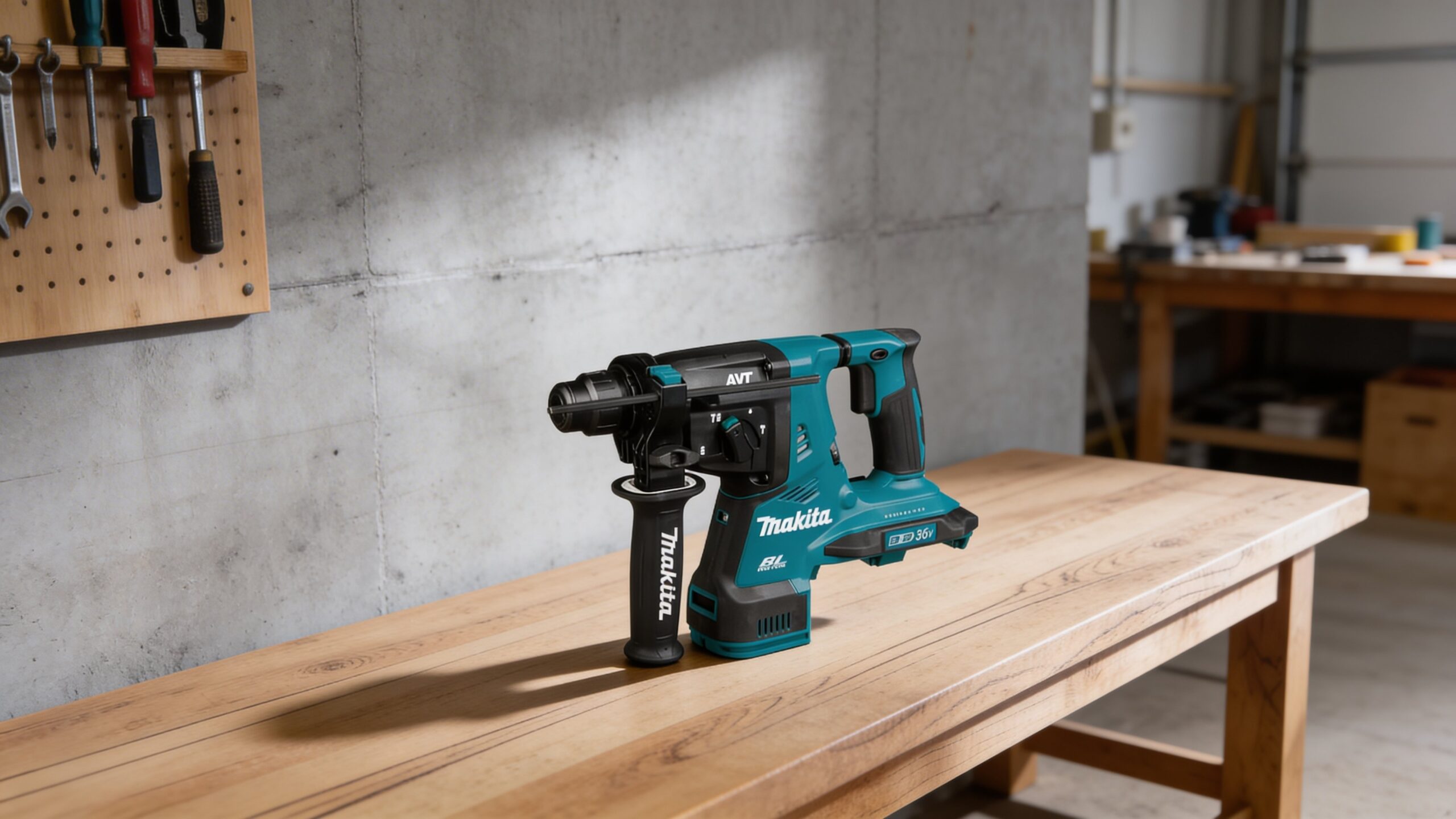
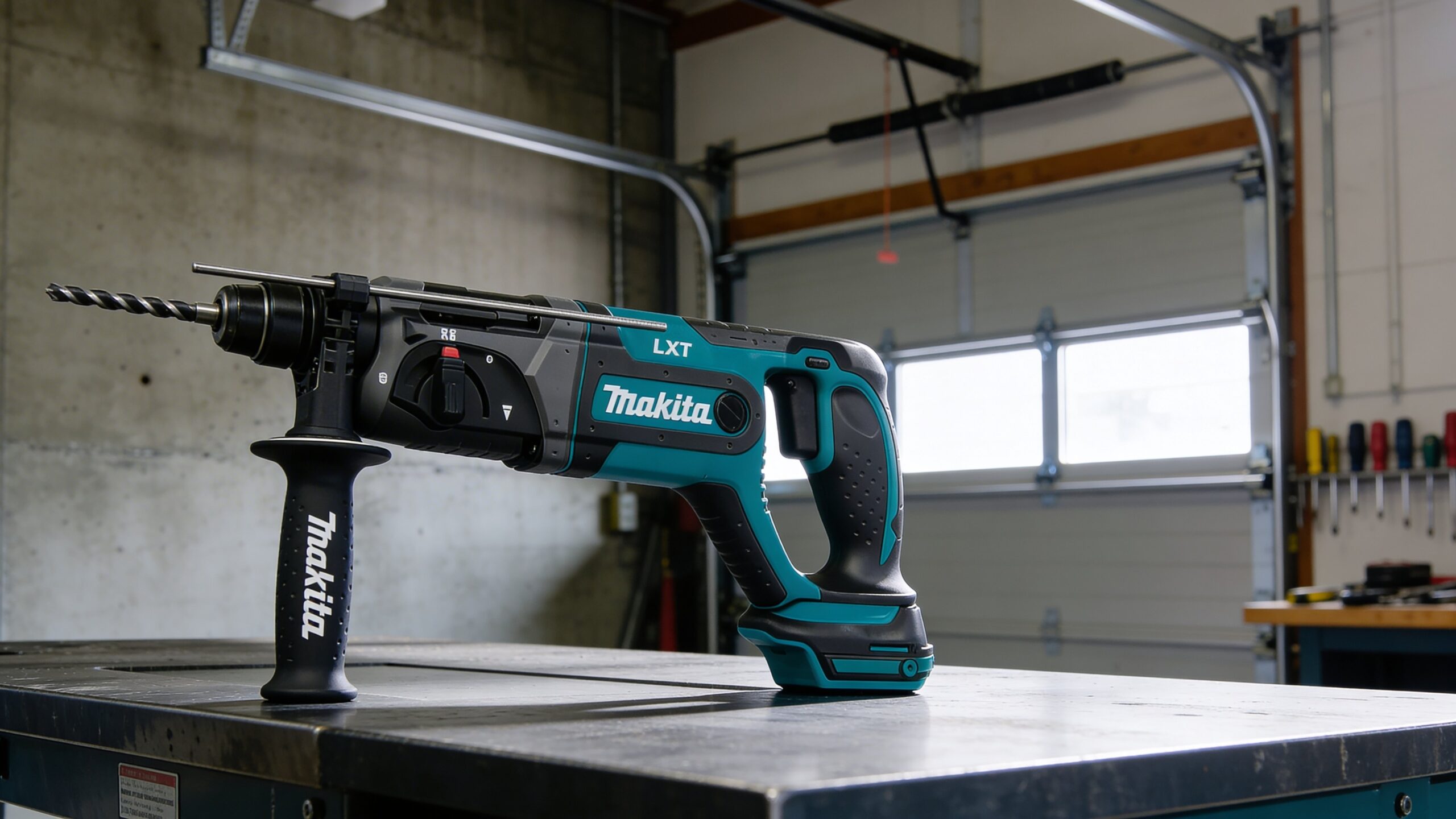
Makita XRH08Z
#5 Best Cordless Power Score: 8.9 / 10

Makita XRH08Z

A high-output cordless pick that leans toward a more corded-style feel in tough concrete. It is a strong choice for buyers who want bigger cordless capability, long runtime potential, and a more serious drilling attitude.

Output: High Runtime: Strong Type: 18V X2 LXT Best For: Bigger Cordless Jobs

Pros

  • Strong cordless drilling for heavier tasks
  • Good fit for longer sessions in concrete
  • More serious feel than lighter-duty options

Cons

  • Dual-battery setup adds cost and weight
  • Less convenient than single-pack tools
  • Best fit for users already on Makita

Best For

  • Users wanting more corded-like cordless output
  • Larger holes in slab or block
  • Makita crews expanding into heavier drilling
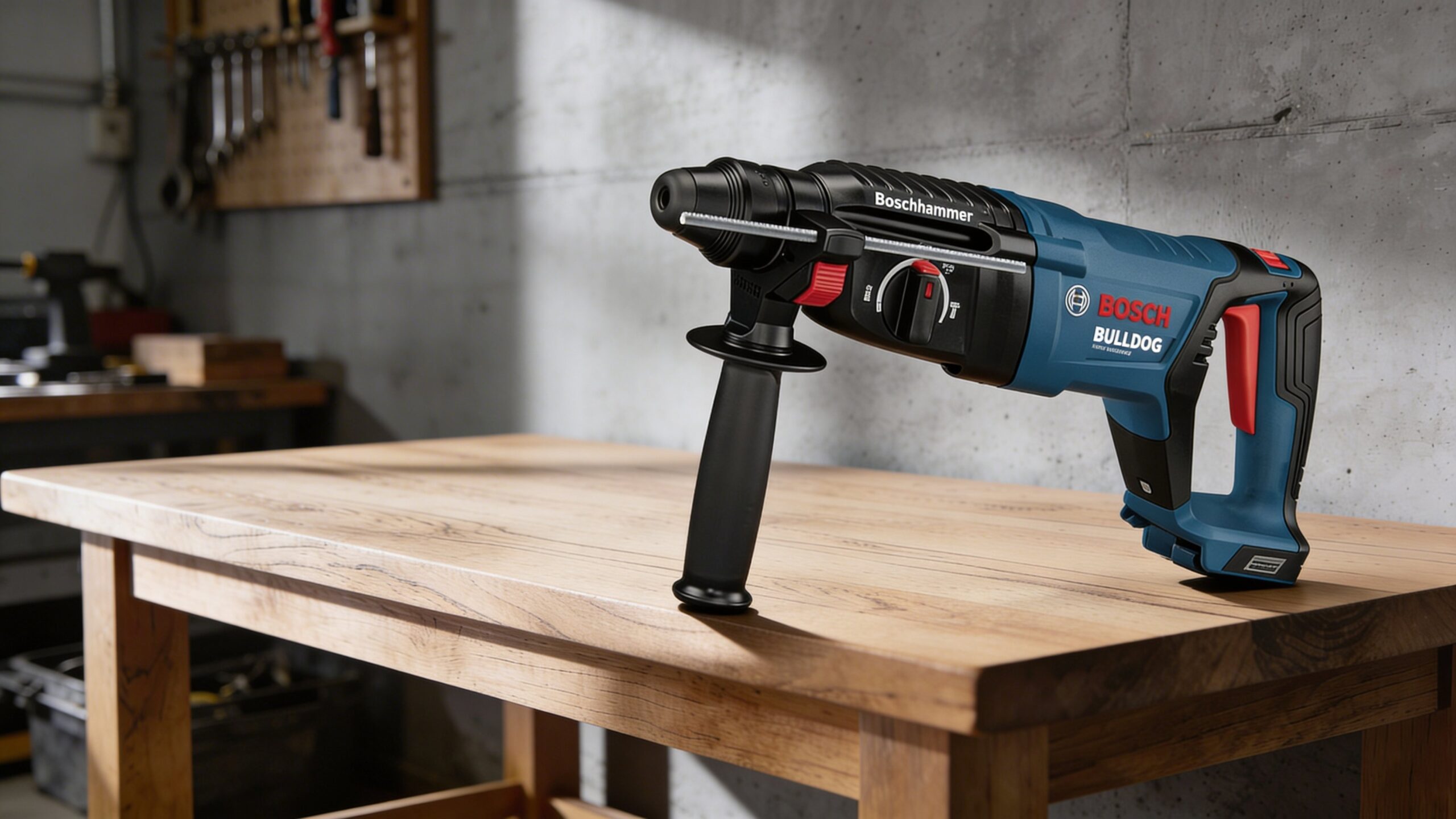
Bosch 11255VSR Bulldog Xtreme
#6 Best Corded Value Score: 8.8 / 10

Bosch 11255VSR Bulldog Xtreme

A dependable corded SDS-Plus pick that still makes a lot of sense when value matters more than cordless freedom. It delivers real rotary hammer performance at a friendlier cost than most premium battery-system tools.

Value: Strong Reliability: Proven Type: Corded SDS-Plus Best For: Budget Concrete Work

Pros

  • Strong price-to-performance for masonry work
  • No battery-system costs to manage
  • Good fit for anchors and light chipping

Cons

  • Cord reduces mobility on bigger jobs
  • Not the strongest tool in tougher drilling
  • Less appealing if you want cordless convenience

Best For

  • Home shops and garages with nearby power
  • Occasional concrete and masonry users
  • Buyers prioritizing value over cordless freedom
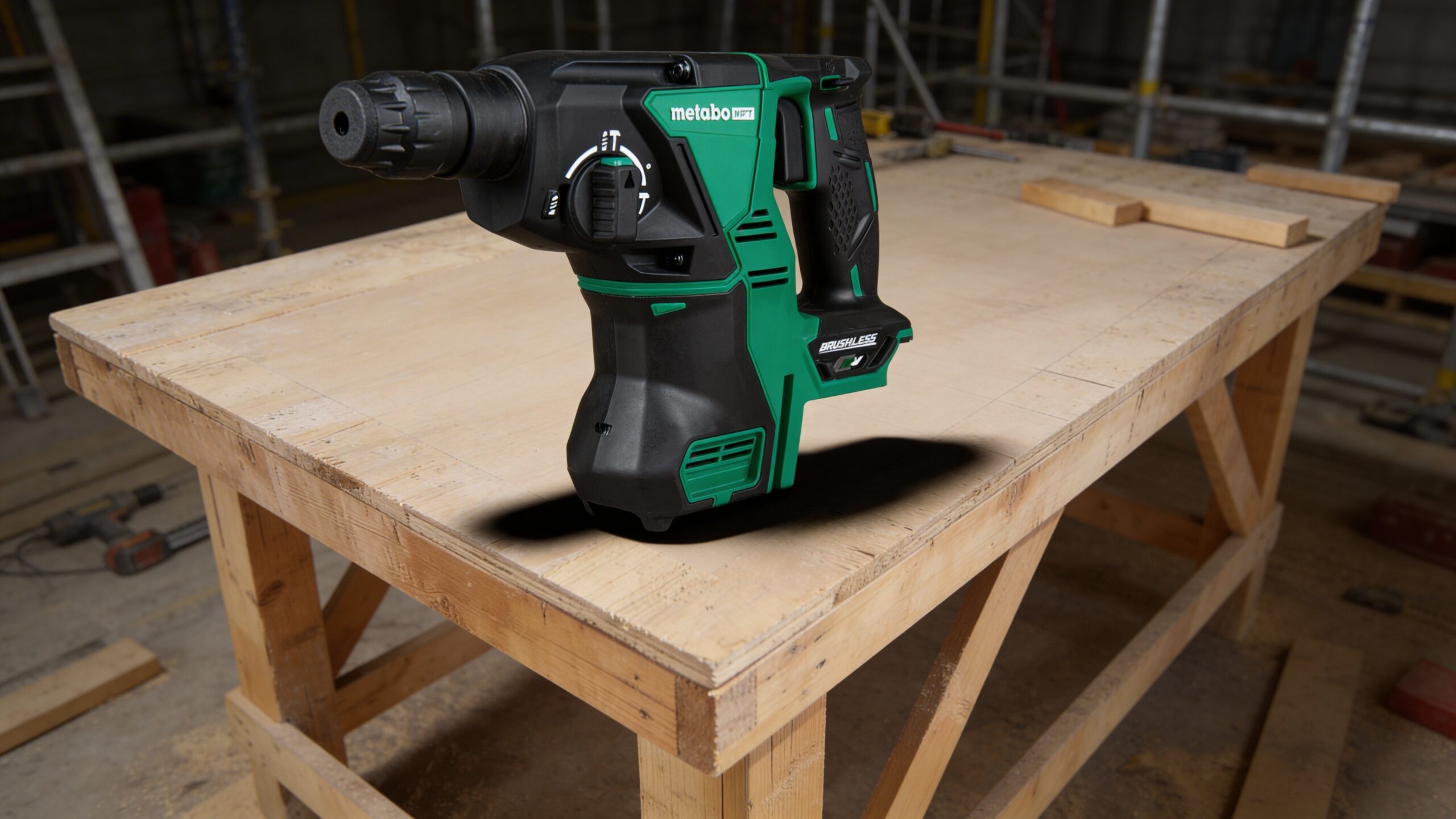
Metabo HPT DH36DPAQ4
#7 Best Hybrid Flexibility Score: 8.7 / 10

Metabo HPT DH36DPAQ4

A flexible option for users who split time between cordless jobsite work and spaces where power is easy to reach. That hybrid appeal gives it a useful niche for buyers who value adaptability over mainstream platform popularity.

Flexibility: High Control: Good Type: 36V Hybrid Best For: Mixed Workflows

Pros

  • Useful flexibility between work styles
  • Solid drilling feel for meaningful concrete work
  • Comfortable enough for repeated use

Cons

  • Less common ecosystem than major rivals
  • Value depends on using its hybrid strength
  • Not the easiest mainstream recommendation

Best For

  • Users splitting time between site and shop
  • Concrete drilling plus occasional chiseling
  • Buyers who want a more flexible setup
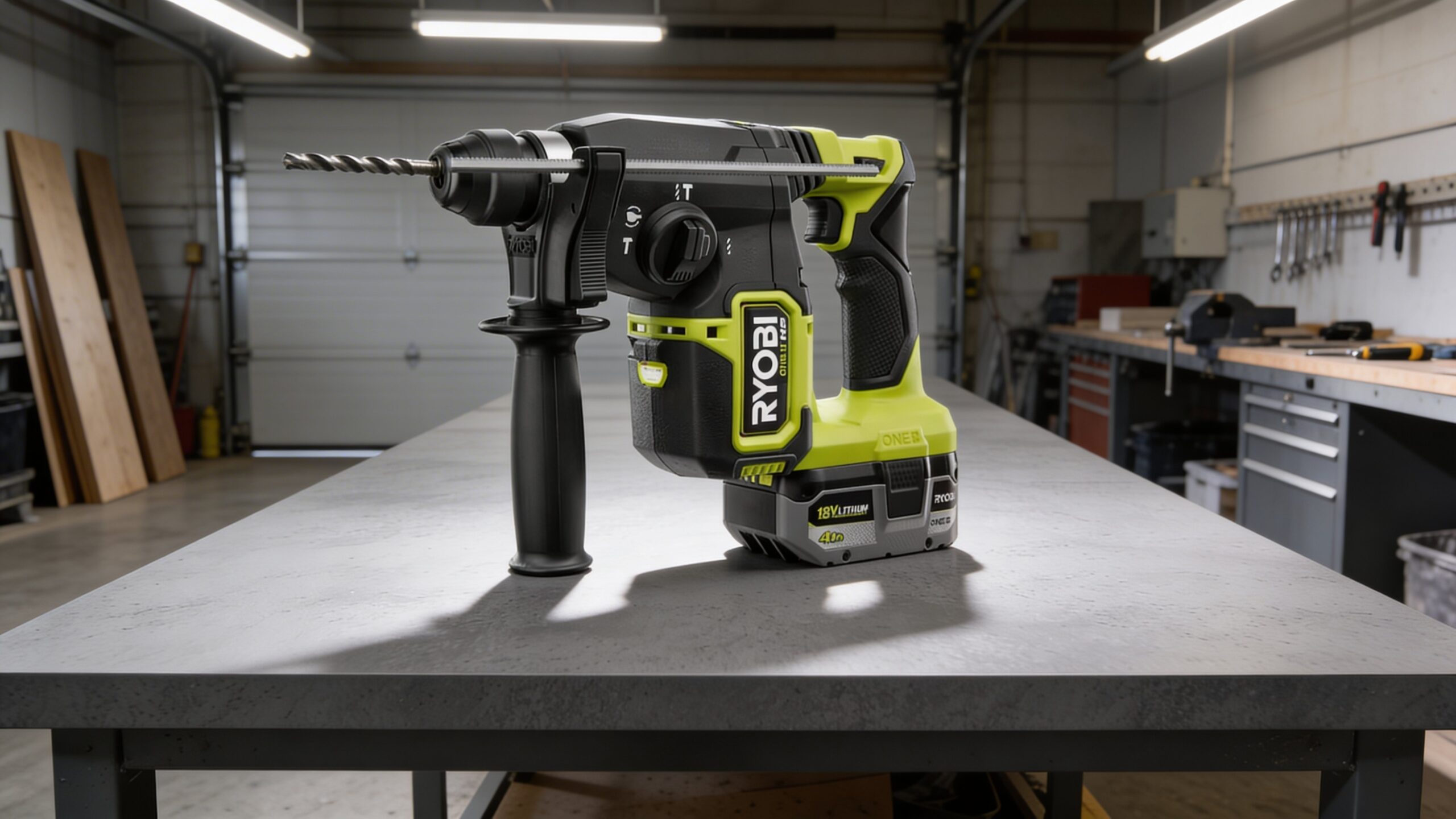
Ryobi P223
#8 Best DIY Value Score: 8.3 / 10

Ryobi P223

A practical step up from a standard hammer drill for homeowners who want real rotary hammer capability without paying for a contractor-focused platform. It is one of the easier ways to add concrete-drilling power for home renovation projects.

Value: Excellent Ease: Friendly Type: ONE Plus 18V Best For: DIY Concrete Jobs

Pros

  • Accessible price for a real rotary hammer
  • Good upgrade for Ryobi homeowners
  • Useful for anchors and small renovation jobs

Cons

  • Not meant for nonstop commercial duty
  • Slower on tougher or larger holes
  • Battery choice affects overall performance

Best For

  • Homeowners drilling into concrete occasionally
  • Weekend remodel and garage projects
  • ONE Plus owners wanting a masonry upgrade
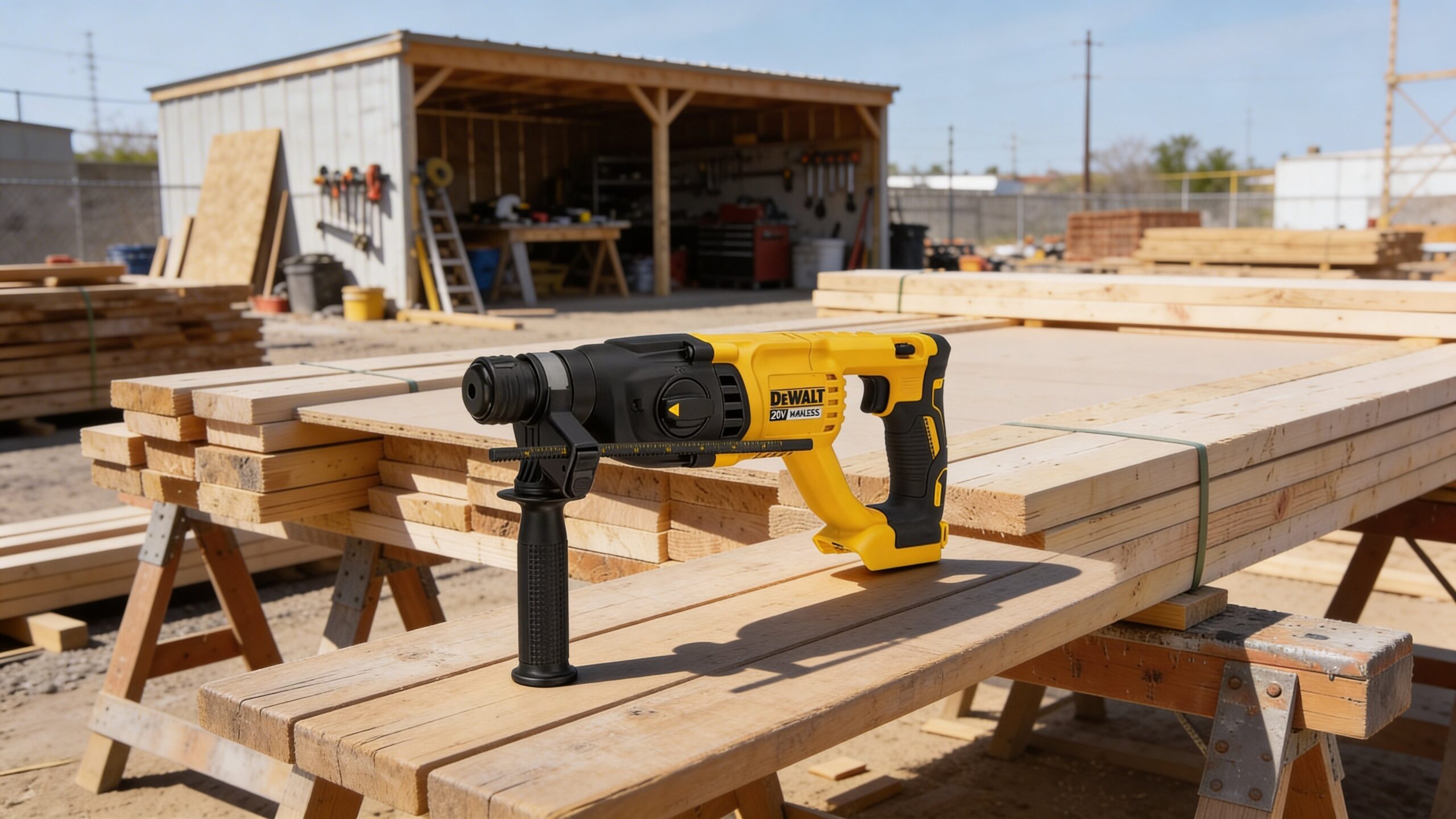
DeWalt D25263K
#9 Best Light-Duty Corded Score: 8.1 / 10

DeWalt D25263K

A manageable corded rotary hammer for buyers who want steady concrete-drilling ability without moving to heavier, more specialized tools. It is best seen as a practical moderate-duty option rather than a heavy-duty statement pick.

Size: Manageable Use: Moderate Duty Type: Corded Best For: Smaller Concrete Jobs

Pros

  • Easier to handle than heavier-duty corded tools
  • Steady performance near power
  • Good fit for recurring moderate masonry work

Cons

  • Less suited to bigger drilling or chipping
  • Cord still limits mobility
  • Less standout value than some neighboring picks

Best For

  • Anchor work and punch-list jobs
  • Users who prefer a smaller corded tool
  • Moderate-duty masonry tasks
Makita HR4013C
#10 Best SDS-Max Upgrade Score: 8.0 / 10

Makita HR4013C

A step-up tool for buyers whose concrete work is moving beyond normal SDS-Plus territory into larger holes and heavier-duty chipping. It is powerful and specialized, but far less broadly useful than the higher-ranked general-use picks.

Class: Heavy Duty Power: Very Strong Type: Corded SDS-Max Best For: Larger Concrete Work

Pros

  • Serious step-up in heavier-duty capability
  • Better fit for larger holes and tougher chipping
  • Purpose-built for demanding concrete work

Cons

  • Too large for many everyday anchor tasks
  • Higher price and weight than SDS-Plus picks
  • Overkill for most homeowners and light remodels

Best For

  • Users stepping up from SDS-Plus tools
  • Bigger concrete drilling and chipping work
  • Buyers needing a more specialized heavy-duty lane

Methodology

How We Tested

Our rankings are built from real-world performance data, expert consensus, and large-scale user feedback—combined into a consistent scoring framework that reflects how products perform for most people in this category.

Our Testing Framework

We evaluate products using a standardized, context-aware framework that mirrors how people actually use them—not just how they look on a spec sheet.

  • Real-world performance and reliability
  • Ease of use and control
  • Durability over time
  • Platform and ecosystem strength
  • Overall value for typical category use
Data Sources We Use

Our analysis combines multiple independent sources to avoid single-source bias:

  • Expert reviews and professional evaluations
  • Verified user feedback and long-term owner reports
  • Manufacturer specifications and documentation
  • Known reliability trends across product generations
How We Score & Rank Products

Each product is scored on a 10-point scale using weighted criteria. Rankings reflect relative performance within the category, evaluated for broad, real-world use—not marketing claims.

  • Performance & power feel
  • Control and ergonomics
  • Build quality and longevity
  • Battery platform depth
  • Price-to-performance value
What We Don’t Do

To keep our recommendations unbiased:

  • We don’t accept paid placements or rankings
  • We don’t rank products based on affiliate rates
  • We don’t inflate scores to create artificial winners
How Often Rankings Are Updated

Rankings are reviewed regularly and updated when new models, pricing changes, or reliability trends emerge.

Our goal is to keep each list current, relevant, and genuinely useful—not frozen in time.

Side-by-Side Comparisons

Quickly narrow your shortlist. Use this first, then jump to full reviews for your finalists.

# Model Best For Platform Weight Power Feel Why It Won
1 Milwaukee M18 FUEL 2915-20 Best Overall Heavy daily use M18 cordless Heavy Very strong Top cordless concrete performance
2 Hilti TE 30-22 Best for Pros Commercial crews Nuron cordless Heavy Very strong Pro durability + refined control
3 DeWalt DCH293 Best Jobsite Value Mixed trade use 20V Max cordless Medium Strong Strong value for daily site work
4 Bosch GBH18V-28C Bulldog Best Control Precision anchors 18V cordless Medium Strong Balanced feel with precise control
5 Makita XRH08Z Best Cordless Power Cordless runtime 18V X2 LXT Heavy Very strong Corded-like output without a cord
6 Bosch 11255VSR Bulldog Xtreme Best Corded Value Budget concrete work Corded SDS-Plus Medium Moderate-Strong Reliable corded performance for less
7 Metabo HPT DH36DPAQ4 Best Hybrid Flexibility Mixed workflows 36V hybrid Medium Strong Cordless or AC flexibility
8 Ryobi P223 Best DIY Value DIY concrete jobs ONE Plus 18V Medium Moderate Affordable step into rotary hammers
9 DeWalt D25263K Best Light-Duty Corded Smaller concrete jobs Corded Medium Moderate Manageable corded tool for anchors
10 Makita HR4013C Best SDS-Max Upgrade Larger concrete work Corded SDS-Max Heavy Very strong Step-up power for heavier tasks

#1 — Milwaukee M18 FUEL 2915-20

Best Overall
Best For
Heavy daily use
Platform
M18 cordless
Weight
Heavy
Power Feel
Very strong
Why it wonTop cordless concrete performance

#2 — Hilti TE 30-22

Best for Pros
Best For
Commercial crews
Platform
Nuron cordless
Weight
Heavy
Power Feel
Very strong
Why it wonPro durability + refined control

#3 — DeWalt DCH293

Best Jobsite Value
Best For
Mixed trade use
Platform
20V Max cordless
Weight
Medium
Power Feel
Strong
Why it wonStrong value for daily site work

#4 — Bosch GBH18V-28C Bulldog

Best Control
Best For
Precision anchors
Platform
18V cordless
Weight
Medium
Power Feel
Strong
Why it wonBalanced feel with precise control

#5 — Makita XRH08Z

Best Cordless Power
Best For
Cordless runtime
Platform
18V X2 LXT
Weight
Heavy
Power Feel
Very strong
Why it wonCorded-like output without a cord

#6 — Bosch 11255VSR Bulldog Xtreme

Best Corded Value
Best For
Budget concrete work
Platform
Corded SDS-Plus
Weight
Medium
Power Feel
Moderate-Strong
Why it wonReliable corded performance for less

#7 — Metabo HPT DH36DPAQ4

Best Hybrid Flexibility
Best For
Mixed workflows
Platform
36V hybrid
Weight
Medium
Power Feel
Strong
Why it wonCordless or AC flexibility

#8 — Ryobi P223

Best DIY Value
Best For
DIY concrete jobs
Platform
ONE Plus 18V
Weight
Medium
Power Feel
Moderate
Why it wonAffordable step into rotary hammers

#9 — DeWalt D25263K

Best Light-Duty Corded
Best For
Smaller concrete jobs
Platform
Corded
Weight
Medium
Power Feel
Moderate
Why it wonManageable corded tool for anchors

#10 — Makita HR4013C

Best SDS-Max Upgrade
Best For
Larger concrete work
Platform
Corded SDS-Max
Weight
Heavy
Power Feel
Very strong
Why it wonStep-up power for heavier tasks

FAQ: Rotary Hammer Drills (Buying + Real-World Use)

Quick answers to the questions people actually ask before buying a rotary hammer drill for concrete work. Expand a topic to get the practical context, not just the headline.

In-Depth Reviews: What These Rotary Hammer Drills Are Really Like to Use

These full reviews expand on the Top 10 cards with a deeper look at real-use behavior. We focus on concrete drilling speed, vibration, control under load, fatigue over time, and the small design details that decide whether a rotary hammer feels like a smart buy or a tool you outgrow quickly.

60-second take Real-use breakdown Who it’s for (and not for)
#1 Best Overall Score: 9.7 / 10

Milwaukee M18 FUEL 2915-20

The strongest all-around cordless pick in this group. It combines fast concrete drilling, excellent safety control, and pro-ready durability in a way that makes it the easiest top-tier recommendation for serious, repeated use.

Compare Specs

What It’s Great At

  • Concrete speed: drills anchors quickly and feels strong in dense material.
  • Safety control: bind-up protection adds confidence in tougher holes.
  • Cordless jobsite use: premium fit for pro workflows and repeated drilling.

Watch-Outs

  • Premium cost: best value if you will use it often or already own M18 batteries.
  • Weight: overhead work gets easier with compact batteries and realistic expectations.
  • Not a budget lane: overkill for occasional light-duty anchor jobs.

Ideal Buyer

  • Pros: need a dependable cordless rotary hammer for daily concrete work.
  • Serious remodelers: want speed and control without moving to SDS-Max.
  • M18 owners: want a flagship concrete-focused addition to the platform.
The Real-World Verdict

What separates this Milwaukee from a merely powerful rotary hammer is how complete it feels in use. It has the drilling pace people expect from a premium tool, but it also stays composed when holes get tougher, bits hang slightly, or your working position is awkward. That combination of speed, control, and cordless convenience is why it lands at the top.

Concrete Drilling & Control

In real use, this is a fast, assertive SDS-Plus tool that still feels predictable. That matters more than people think. A rotary hammer can have plenty of punch and still feel rough or tiring. This one stays cleaner in the hand than many aggressive cordless competitors.

  • Best use: repeated anchor holes, overhead drilling, and renovation concrete work.
  • Big advantage: strong performance without needing to jump into a much larger class of tool.
Platform Value Over Time

If you already live in the M18 ecosystem, the price is easier to justify because the tool slides into a broader battery lineup. Even if you are not, this is the kind of purchase that makes the most sense for users who will actually keep using a rotary hammer rather than pulling it off a shelf twice a year.

Who Should Skip
  • Skip it if: you only drill occasional light anchors and want the lowest-cost entry point.
  • Skip it if: you work almost entirely near outlets and would rather spend less on a corded tool.
#2 Best for Pros Score: 9.5 / 10

Hilti TE 30-22

Built for commercial concrete work and priced like it knows it. This is the pro-lane pick for buyers who care as much about control, support, and long-term jobsite confidence as raw drilling strength.

Compare Specs

What It’s Great At

  • Professional feel: refined control and low-vibration behavior under load.
  • Daily durability: clearly aimed at repeated commercial use.
  • Confidence: a strong fit for crews drilling anchors all day.

Watch-Outs

  • High buy-in: this is not the value choice in the category.
  • Heavy-duty focus: casual users may never benefit from what makes it special.
  • Platform commitment: best for buyers comfortable with the Hilti ecosystem.

Ideal Buyer

  • Commercial trades: electricians, mechanical crews, and concrete-focused site work.
  • High-frequency users: want pro-grade comfort and reliability.
  • Contractors: care about support and long-term platform consistency.
The Real-World Verdict

The TE 30-22 feels like a professional tool first and a spec-sheet entry second. It drills hard, but more importantly it feels stable and composed in a way that matters when you are doing the same kind of concrete work repeatedly. It is not the cheapest path to strong results, but it is one of the most confidence-inspiring.

Jobsite Comfort & Control

Hilti’s advantage here is not just speed. It is the sense that the tool was tuned for people who use rotary hammers constantly. The balance, vibration control, and safety behavior make the experience feel more polished than many rivals.

Why Pros Choose It
  • Best case: crews drilling anchors and penetrations regularly.
  • Value case: strongest when the tool is part of daily revenue-producing work.
  • Ownership logic: easier to justify for contractors than occasional users.
Who Should Skip
  • Skip it if: you are a homeowner or casual renovator shopping primarily on value.
  • Skip it if: you are not interested in paying premium money for pro-level refinement.
#3 Best Jobsite Value Score: 9.3 / 10

DeWalt DCH293

The practical pro option for buyers who want strong cordless concrete performance without climbing all the way into Hilti-level pricing. It lands in a sweet spot of speed, toughness, and platform convenience.

Compare Specs

What It’s Great At

  • Balanced performance: strong drilling speed with dependable control.
  • Platform value: easy fit for users already on 20V Max.
  • Versatility: works well for repeated anchors and general jobsite concrete tasks.

Watch-Outs

  • Still premium: not a budget-level entry into the category.
  • Battery choice matters: stronger packs help it feel its best.
  • Not the softest feel: some premium rivals feel more refined under long use.

Ideal Buyer

  • Contractors: want a dependable cordless concrete tool on DeWalt batteries.
  • Frequent users: need a strong daily SDS-Plus without luxury pricing.
  • Remodelers: want one of the safest all-around pro-value choices.
The Real-World Verdict

The DCH293 is easy to like because it feels honest. It is strong enough for serious site use, broad enough in appeal to work for many trades, and connected to one of the most common cordless platforms around. That makes it a very practical recommendation for people who want performance without paying for the most premium lane.

Where It Fits Best
  • Best lane: mixed trade work, anchor drilling, and routine jobsite concrete tasks.
  • Why it works: it is less niche than some of the tools around it.
  • Why it ranks high: strong blend of output, durability, and common-sense value.
When to Move Up or Down

Move up to our Best Overall or Best for Pros picks if you want the most polished or aggressive cordless performance. Move down to a corded value model if your use is occasional and outlets are always nearby.

#4 Best Control Score: 9.0 / 10

Bosch GBH18V-28C Bulldog

A more controlled, balanced cordless rotary hammer for buyers who care about precise anchor work and a polished feel as much as outright aggression. It is especially appealing when handling matters more than brute force.

Compare Specs

What It’s Great At

  • Handling: feels balanced and easier to place accurately.
  • Overhead work: a strong fit for cleaner, more precise drilling tasks.
  • Cordless refinement: polished feel without moving into oversized territory.

Watch-Outs

  • Not the hardest hitter: some rivals lean more toward raw output.
  • Premium zone: still priced above many casual-user choices.
  • Platform reach: less universal than the biggest battery systems.

Ideal Buyer

  • Installers: want accurate anchor placement and controlled drilling.
  • Tradespeople: value comfort and balance over maximum aggression.
  • Bosch users: want a strong cordless Bulldog-style upgrade.
The Real-World Verdict

This Bosch earns its spot because it feels easier to work with than many equally serious tools. It is the kind of rotary hammer that can make repeated anchor drilling feel cleaner and less fatiguing. Buyers who value control will often prefer this experience to a slightly more aggressive but rougher alternative.

Precision & Fatigue

For installers and users working at shoulder height or overhead, balance matters. This is where the Bosch stands out. It feels more deliberate than clumsy, which helps when you are drilling a lot of similar holes and want consistent placement.

Who Should Skip
  • Skip it if: your priority is the most aggressive drilling feel for the money.
  • Skip it if: you are choosing primarily on platform breadth or bargain pricing.
#5 Best Cordless Power Score: 8.9 / 10

Makita XRH08Z

A high-output cordless rotary hammer that leans toward corded-style confidence. It is a strong choice for users who want bigger concrete capability without giving up battery-powered mobility.

Compare Specs

What It’s Great At

  • High output: feels strong when concrete gets tougher or holes get larger.
  • Runtime approach: dual-battery setup supports longer cordless use.
  • Vibration control: more refined than many hard-hitting tools.

Watch-Outs

  • Weight: two batteries add bulk and fatigue.
  • Convenience tradeoff: less simple than single-pack cordless options.
  • Best fit: stronger case for committed Makita users than casual shoppers.

Ideal Buyer

  • Power-focused users: want cordless freedom with more serious output.
  • LXT owners: expanding into heavier concrete work.
  • Remodel and site users: want strong runtime and confident drilling pace.
The Real-World Verdict

The XRH08Z makes the most sense for buyers who care about cordless performance first and simplicity second. It is not the lightest or most casual-user-friendly tool in the category, but it delivers the kind of stronger, more assertive drilling feel that some buyers specifically want when they are pushing farther into concrete work.

Power vs Everyday Convenience

This Makita gives you more of a corded-like attitude, but it asks you to accept more size and system commitment in return. Buyers who want the strongest everyday convenience may prefer a lighter single-battery model, while power-focused users will understand exactly why this exists.

Who Should Skip
  • Skip it if: you want the simplest, lightest cordless tool for occasional anchors.
  • Skip it if: you are not interested in managing a dual-battery setup.
#6 Best Corded Value Score: 8.8 / 10

Bosch 11255VSR Bulldog Xtreme

A reliable corded SDS-Plus choice that still makes plenty of sense when value matters more than cordless freedom. It is one of the better answers for buyers who want real masonry performance without premium battery-system pricing.

Compare Specs

What It’s Great At

  • Value: strong concrete performance without cordless-system costs.
  • Dependability: proven corded style for repeated masonry work.
  • Practical size: manageable for many anchor and light chipping jobs.

Watch-Outs

  • Cord limits mobility: less convenient on larger or more crowded sites.
  • Not the hardest hitter: some premium tools feel stronger and smoother.
  • Less future-flexible: no battery platform upside if you expand later.

Ideal Buyer

  • Shops and homeowners: usually work near outlets and want sensible value.
  • Occasional concrete users: need a real rotary hammer, not a premium cordless platform.
  • Budget-focused buyers: want strong basic SDS-Plus utility.
The Real-World Verdict

This Bosch is a reminder that corded rotary hammers still deserve serious attention. If your work stays close to power, it offers the kind of straightforward ownership value that many cordless tools cannot match. It is not flashy, but it is rational in the best way.

Where Corded Still Wins
  • Best case: garage, shop, or renovation work with reliable outlet access.
  • Main value: lower cost without dropping into underpowered territory.
  • Ownership feel: simpler if you do not want another battery system to manage.
Who Should Skip
  • Skip it if: mobility is the main reason you are shopping for a rotary hammer.
  • Skip it if: your jobs move constantly and a cord will slow you down more than price matters.
#7 Best Hybrid Flexibility Score: 8.7 / 10

Metabo HPT DH36DPAQ4

A useful middle-lane option for buyers who want the flexibility to work cordless on site but also like the idea of corded-style backup when power is available. That hybrid identity is what makes it stand out.

Compare Specs

What It’s Great At

  • Flexibility: suits users moving between site work and powered spaces.
  • Solid drilling feel: capable enough for meaningful concrete work.
  • Comfort: more controlled than many buyers expect from a hybrid concept.

Watch-Outs

  • Less common ecosystem: not as familiar as Milwaukee, DeWalt, or Makita.
  • Hybrid logic: strongest value only if you will actually use the flexibility.
  • Not a pure value winner: more niche than the safer mainstream picks.

Ideal Buyer

  • Mixed-use users: alternate between mobile work and outlet-access jobs.
  • Concrete plus light chipping: want one tool for several moderate-duty roles.
  • Buyers open to niche strengths: value flexibility over broad platform familiarity.
The Real-World Verdict

This Metabo HPT is most appealing when you read its niche correctly. It is not trying to be the broadest-value pick or the most prestigious pro option. Its appeal is practical flexibility. For the right buyer, that makes it more interesting than a slightly higher-ranked but less adaptable alternative.

Why the Hybrid Idea Matters

If some of your concrete work happens in finished spaces, garages, or shops where power is close by, the ability to lean on AC-style operation can make this tool more convenient over time than a battery-only alternative.

Who Should Skip
  • Skip it if: you want the simplest mainstream platform choice.
  • Skip it if: you will never use the hybrid flexibility that defines its value.
#8 Best DIY Value Score: 8.3 / 10

Ryobi P223

A practical homeowner-oriented step into rotary hammer ownership. It is not trying to rival premium pro tools, but it gives DIY users a real SDS-Plus upgrade from a standard hammer drill at a far easier price.

Compare Specs

What It’s Great At

  • DIY-friendly value: accessible price for a true rotary hammer.
  • Home project utility: useful for anchors, masonry drilling, and renovation work.
  • Easy ecosystem fit: attractive for ONE Plus owners.

Watch-Outs

  • Not commercial-grade: heavy daily site use is not its strongest lane.
  • Slower under stress: larger or tougher holes push it sooner than pro picks.
  • Battery-dependent: results improve noticeably with better packs.

Ideal Buyer

  • Homeowners: need something more capable than a hammer drill.
  • Weekend remodelers: want sensible concrete performance without pro pricing.
  • Ryobi users: adding a specialized masonry tool to an existing setup.
The Real-World Verdict

The P223 makes sense because it fills a real gap for homeowners. Plenty of users do not need a contractor-grade cordless rotary hammer, but they do need something more convincing than an ordinary hammer drill. That is exactly where this Ryobi earns its place.

Where It Makes the Most Sense
  • Best case: concrete anchors, block drilling, small renovation tasks, and occasional masonry chores.
  • Ownership logic: easiest to justify if you already use Ryobi batteries.
  • Why it ranks here: strong value, but not the refinement or stamina of higher picks.
Who Should Skip
  • Skip it if: your rotary hammer will be used like a daily professional tool.
  • Skip it if: you want the fastest, smoothest, or most confidence-inspiring cordless drilling experience.
#9 Best Light-Duty Corded Score: 8.1 / 10

DeWalt D25263K

A more approachable corded rotary hammer for buyers who want dependable concrete-drilling ability without moving into larger, heavier, or more expensive tools. It fits moderate-duty work better than heavy-duty ambition.

Compare Specs

What It’s Great At

  • Manageability: easier to handle than larger heavy-duty corded options.
  • Steady corded use: practical when outlets are always nearby.
  • Moderate-duty fit: sensible for anchors and routine renovation tasks.

Watch-Outs

  • Limited ceiling: not the best fit for heavier drilling or bigger chipping jobs.
  • Cord tradeoff: mobility remains the obvious compromise.
  • Less standout value: squeezed between stronger premium tools and cheaper corded picks.

Ideal Buyer

  • Moderate users: need a reliable corded rotary hammer for recurring but not extreme work.
  • Renovators: want a smaller-feeling masonry tool for punch-list jobs.
  • DeWalt buyers: prefer the brand and do not need cordless.
The Real-World Verdict

The D25263K is best understood as a moderate-duty corded choice, not a heavy-duty statement tool. That can actually be a good thing. Buyers who want something manageable for regular concrete tasks may find it more comfortable and practical than heavier, more specialized options.

Best Use Cases
  • Best case: anchor drilling, smaller concrete holes, and modest renovation use.
  • Why it fits: less intimidating than bigger heavy-duty corded tools.
  • Main compromise: less headroom when jobs get more aggressive.
Who Should Skip
  • Skip it if: you expect heavier-duty concrete work or more serious chipping.
  • Skip it if: you would rather save more money with a value corded pick or go much stronger with a premium option.
#10 Best SDS-Max Upgrade Score: 8.0 / 10

Makita HR4013C

A specialized step-up tool for buyers moving beyond ordinary SDS-Plus work. It is not as broadly useful as the higher-ranked picks, but it earns a place for users whose concrete jobs are clearly getting larger and tougher.

Compare Specs

What It’s Great At

  • Heavier-duty capability: more appropriate for tougher drilling and chipping work.
  • SDS-Max lane: real step-up for users outgrowing standard SDS-Plus tools.
  • Purpose-built feel: better aligned with larger concrete tasks than lighter options.

Watch-Outs

  • Big and heavy: far less convenient for normal anchor drilling.
  • Specialized value: makes less sense unless your workload truly needs the upgrade.
  • Lower broad usefulness: that is why it sits below the more versatile picks.

Ideal Buyer

  • Heavier-duty users: know they are moving past regular SDS-Plus work.
  • Concrete-focused buyers: need larger-hole and tougher chipping capability.
  • Upgrade shoppers: want a clearer next step rather than a general-purpose tool.
The Real-World Verdict

The HR4013C ranks tenth not because it is weak, but because it is specialized. For the wrong buyer, it feels too large, too heavy, and too focused. For the right buyer, it answers a real need that lighter SDS-Plus tools simply do not cover as well. It is an upgrade path, not a default recommendation.

When SDS-Max Starts Making Sense
  • Best case: larger holes, heavier masonry work, and tougher chipping tasks.
  • Main signal: you are regularly asking more of SDS-Plus tools than they comfortably want to give.
  • Why it matters: sometimes the better move is upgrading class, not just buying a nicer SDS-Plus model.
Who Should Skip
  • Skip it if: your work is mostly standard anchor drilling or moderate home renovation use.
  • Skip it if: portability and all-around convenience matter more than heavy-duty specialization.

Key Takeaways

  • Milwaukee M18 FUEL 2915-20 is the clearest overall winner for buyers who want the strongest blend of cordless concrete speed, control, and jobsite durability.
  • Ryobi P223 is the best value pick for homeowners who want a real rotary hammer without paying for a pro-grade platform.
  • Hilti TE 30-22 is the standout special-use choice for commercial crews who prioritize premium control, support, and daily-use confidence.
  • Bosch GBH18V-28C Bulldog is the easiest high-ranking pick to recommend when balance, precision, and a lighter-feeling tool matter more than maximum aggression.
  • Platform and ownership cost still matter: cordless tools make the most sense when you already own the batteries or plan to keep expanding that system.
  • For most buyers, a capable SDS-Plus model that matches your actual workload is a smarter purchase than overbuying a heavier, pricier tool you will rarely fully use.

Top Picks

Tap a pick to jump to the full review, or compare specs.

Best Overall Milwaukee M18 FUEL 2915-20 →

Best for Pros Hilti TE 30-22 →

Best DIY Value Ryobi P223 →

Jump to Comparison

Where to Buy

We prioritize reputable sellers, easy returns, and reliable availability.

Price checks happen regularly. Some links may earn a commission—never affects rankings.

Accessories You’ll Want

  • SDS-Plus masonry bit set (a small range of common concrete anchor sizes is more useful than buying random bits one at a time)
  • Cold chisel and scaling chisel (handy for light demolition, tile removal, and cleaning up rough masonry edges)
  • Dust extraction attachment or vacuum adapter (helps keep drilling cleaner, especially indoors or overhead)
  • Extra battery pack (especially useful with cordless rotary hammers, where bigger concrete jobs can drain packs quickly)
  • Replacement grease and a sturdy carrying case (small maintenance and better storage go a long way for heavier tools and accessories)

Tip: Match accessories to the tool class you actually own—SDS-Plus and SDS-Max are not interchangeable, and the right bits usually matter as much as the hammer itself.