
The Bosch 1006VSR is a compact corded drill designed for light-duty drilling and driving where control and consistency matter. In this review, we evaluate its real-world performance, torque delivery, ergonomics, and durability—highlighting practical strengths, limitations, and where it makes more sense than higher-powered or cordless alternatives.
Bosch 1006VSR Corded Drill Review: Performance, Pros, and Cons
By: Review Streets Research Lab
Updated: April 1, 2026
Approx. 8–10 min read
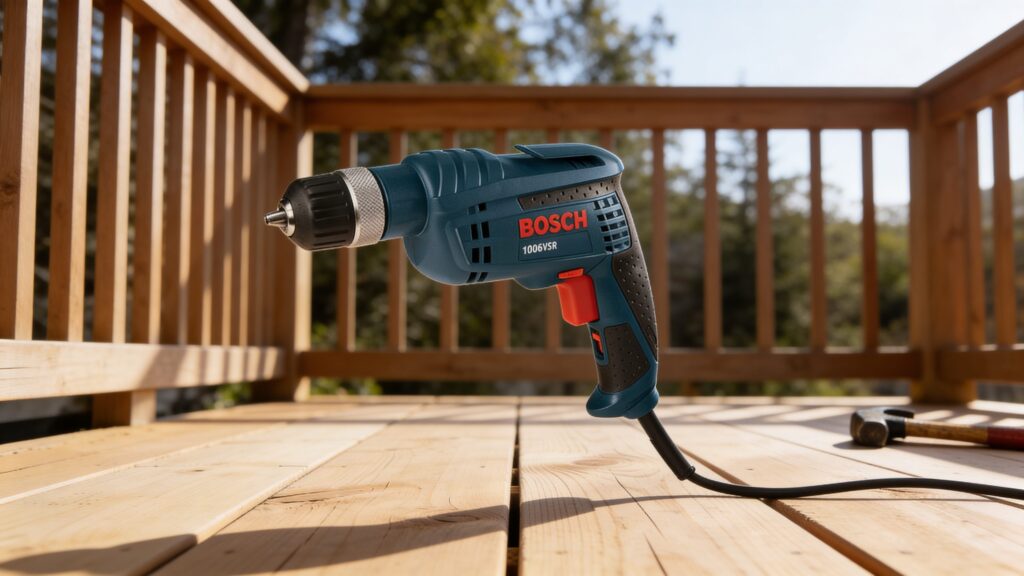
Quick Summary
The Bosch 1006VSR is a compact corded drill that prioritizes steady control and consistent output for everyday drilling and light driving. It feels composed in common materials and is easy to manage over longer sessions, making it a practical pick for shop and home projects. The main tradeoff is that it’s not built for demanding, high-load work where extra power and heavier-duty construction matter most.
8.1
Score
Best for: Shop projects & home DIY
Pros & Cons
Bosch 1006VSR: what we liked (and what we didn’t)
A quick look at the biggest strengths and tradeoffs based on performance, handling, and everyday usability.
Pros
- Steady control: Predictable trigger feel helps start holes cleanly and keep the bit on line.
- Consistent output: Corded power stays even through longer drilling sessions without slowing down.
- Easy handling: Compact form factor is comfortable for bench work and overhead drilling with less fatigue.
- Everyday versatility: Well-suited for common shop and home tasks across wood, light metal, and plastics.
- Confidence build: Solid, no-nonsense feel that inspires trust for routine use over time.
Cons
- Cord management: The cable can slow workflow and limit reach compared to cordless options.
- Not heavy-duty: For demanding drilling or frequent high-load use, it can feel underpowered versus larger corded drills.
- Less jobsite-friendly: Working around ladders, tight rooms, or outdoor spaces is less convenient without battery mobility.
- Basic refinement: Comfort and smoothness are good, but it doesn’t feel as premium as newer, higher-tier drills.
Specs
Bosch 1006VSR key specifications
These are the core specs and practical details most buyers compare across compact corded drills.
| Spec | Bosch 1006VSR |
|---|---|
| Type | Corded drill/driver |
| Platform | Standard AC corded |
| Voltage | 120V (corded) |
| Speed | Variable speed: up to approx. 2,600 RPM |
| Chuck | 3/8" keyless chuck |
| Torque | Manufacturer-rated for light-duty drilling and driving |
| Length | Compact body for bench and overhead work |
| Weight | Approx. lightweight class; easier to manage than full-size corded drills |
| Clutch settings | Variable-speed trigger control (no mechanical clutch) |
| LED light | No built-in work light |
| Included | Tool only |
| Best use | Home projects, shop drilling, light driving, and general maintenance tasks |
| Warranty | Bosch limited warranty (varies by region/product) |
Performance
How the Bosch 1006VSR performs
We evaluated drilling speed, power delivery, control, and overall usability across common home, shop, and light remodel tasks to understand how this compact corded drill behaves in real-world conditions.
Drilling Speed
Quick and consistent on common materials like wood and light metal, with fewer slowdowns during longer runs.
Torque & Power
Feels capable for everyday drilling and light driving, but can bog down when pushed into heavier-duty, high-load work.
Control & Handling
Strong trigger control and a compact footprint make starts cleaner and bit tracking easier in more delicate tasks.
Balance & Comfort
Light, manageable feel that stays comfortable for overhead drilling and bench work, even over longer sessions.
Noise & Vibration
Typical corded-drill noise with generally controlled vibration, though it can feel harsher when the bit binds.
Overall Performance
A reliable compact corded drill that delivers steady, predictable results for routine projects, with limits on heavy-duty demands.
Testing note: Performance observations are based on real-world drilling, driving, and handling scenarios using common project materials, typical bits, and practical task setups.
Build Quality
Build quality & durability
The Bosch 1006VSR feels like a straightforward, compact corded drill built for routine shop and home use. The housing feels rigid enough for everyday handling, the grip is comfortable and secure, and the overall balance favors easy control over a heavy-duty, jobsite-first build.
Key contact points—chuck, front housing, and trigger controls—feel dependable with minimal flex in normal use. The chuck holds bits securely for typical drilling and light driving, and the tool stays aligned without feeling sloppy, which helps reduce re-seats and keeps holes tracking more predictably.
In day-to-day ownership, it feels like a drill you can toss on a bench, carry between rooms, and use back-to-back without constantly babying it. Heat buildup and vibration feel in line with compact corded peers, and nothing about the controls or housing suggests early wear from normal project use.
The tradeoff is that this is more “reliable and manageable” than “rugged and overbuilt.” If you want something light and easy to control for regular projects, it fits well—but users who expect frequent heavy-load work may prefer a larger, tougher-feeling corded drill.
Setup & Maintenance
Setup, daily use, and upkeep
The Bosch 1006VSR is simple to get dialed in—most setup comes down to matching bit choice, trigger control, and pressure to the material. With the right approach, it delivers cleaner starts, steadier holes, and more consistent results across everyday shop and home projects.
Best setup for common tasks
- Driving Screws: Use slower trigger speed and light pressure. Let the drill ease fasteners in to avoid stripping or cam-out.
- Long Fasteners: Start slow, then increase speed once threads bite. Back off briefly if resistance builds to prevent binding.
- General Drilling: Higher speed with moderate pressure. Allow the bit to cut naturally for cleaner holes and less wandering.
- Masonry Holes: Use a carbide bit at steady speed without forcing it. Keep the drill square and clear dust by pulling the bit out periodically.
What to do for smoother starts
- Start In Low: Begin with gentle trigger input to keep the bit centered before ramping up speed.
- Feather The Trigger: Ease into rotation during the first second to improve accuracy on slick or hard surfaces.
- Mark Your Point: A small pilot divot helps prevent skating and keeps holes on target.
Maintenance (simple but important)
- Chuck Cleanliness: Brush out dust so bits seat fully and clamp securely.
- Vent Care: Keep airflow openings clear to reduce heat during longer drilling sessions.
- Cord Inspection: Check the power cord occasionally for nicks or tight bends and store it loosely to prevent fatigue.
- Use Sharp Bits: Replace worn bits—dull cutters increase heat, vibration, and effort.
Tip: For larger bits or tougher materials, use two hands, brace your stance, and maintain controlled trigger pressure. This improves accuracy, reduces wrist strain, and helps avoid sudden bind-ups that can throw off your hole start.
Real-World Use
Where the Bosch 1006VSR fits best
On paper, the Bosch 1006VSR is a compact corded drill. In real projects, it proves most useful when steady control, consistent power, and manageable weight matter more than cordless mobility or heavy-duty output.
Home repairs & installations
Well suited for hanging shelves, installing hardware, assembling furniture, and drilling clean holes in wood or light metal. The compact size and predictable trigger control make it easy to manage for short, focused tasks around the house.
Garage & shop projects
A practical choice for bench work, jigs, and small builds where access to an outlet isn’t a limitation. Consistent corded power helps maintain drilling speed through repeated holes without slowing down over time.
Light remodeling tasks
Handles basic framing adjustments, pilot holes, and moderate fastener driving with good control. It performs best when precision and steadiness are priorities, rather than pushing large bits or long structural fasteners all day.
Where it’s less ideal
For frequent heavy-load drilling, dense materials, or jobsite mobility, a larger corded drill or a powerful cordless platform may feel more capable. The 1006VSR favors manageability and consistency over maximum output and portability.
Value
Is the Bosch 1006VSR worth it?
The Bosch 1006VSR makes the most sense when you want a dependable corded drill for regular home and shop work—consistent drilling, predictable control, and less worry about batteries or downtime. If you only tackle occasional quick fixes, a cheaper basic drill can cover the same needs with fewer expectations.
Price-to-performance takeaway
You’re paying for steady, repeatable performance and straightforward ownership rather than max output or premium refinements. The value shows up over time if you drill often, prefer always-ready corded power, and want a tool that feels stable and easy to control for routine projects.
Tip: If you already own a strong cordless platform, this can be a useful “always-ready” backup for the shop. If it’s your only drill, prioritize comfort and chuck quality over extra features you won’t use.
FAQ
Bosch 1006VSR FAQ
Quick answers to the most common questions about the Bosch 1006VSR—use cases, what to expect in everyday work, and the typical tradeoffs of a compact corded drill.
Is the Bosch 1006VSR a brushless drill?
No. This is a compact corded drill with a traditional motor design. In practical terms, it’s built around steady, consistent corded power and straightforward day-to-day use rather than cordless efficiency features.
Does the 1006VSR use batteries?
No. It’s a corded drill, so it runs from a standard outlet. That can mean more consistent runtime for bench and home projects, with the tradeoff of managing the cord and working near power.
Is the Bosch 1006VSR a hammer drill?
No. It’s a standard drill/driver without a hammering mode. It can handle wood and light metal work well, but for regular masonry drilling, a hammer drill or rotary hammer is typically the better match.
Who is this drill best for?
It’s best for home and shop users who want a compact drill with predictable control for routine drilling and light driving—tasks like repairs, installs, small builds, and general maintenance where convenience and consistency matter.
Is it overkill for basic DIY?
Not usually. A compact corded drill like this is often a practical “do most things” option. It becomes less compelling if you rarely drill and prefer the grab-and-go convenience of a small cordless driver.
What should I look for when buying it?
Focus on comfort in the hand, smooth trigger control, and a chuck that holds bits securely. If you expect frequent heavier tasks, consider stepping up to a larger, more robust corded drill for extra headroom.
What are the most common downsides?
The biggest tradeoffs are cord management and limited mobility compared with cordless drills, plus less capability for heavy-duty, high-load work. For bigger bits, tougher materials, or frequent jobsite use, a higher-power option may feel more appropriate.
Alternatives
Best alternatives to the Bosch 1006VSR
If the Bosch 1006VSR fits your needs but you want a different tradeoff—lower cost, more power, or cordless convenience—these alternatives represent the most relevant directions to consider.
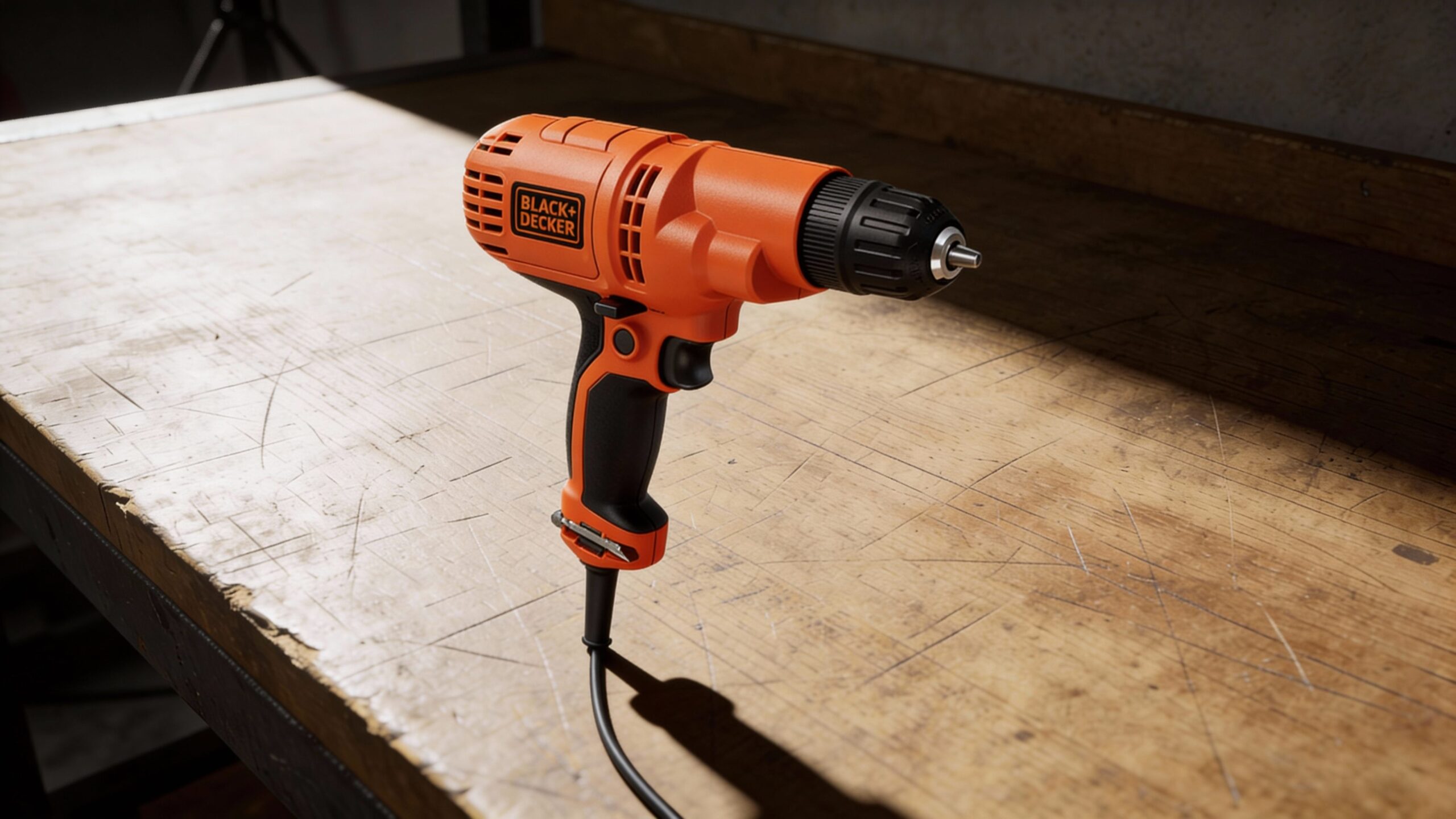
BLACK+DECKER DR260C
Budget pick
A lower-cost corded drill aimed at occasional household use. It’s a practical option if price is the main priority and tasks are light, though it typically feels less refined and less confidence-inspiring under steady use.
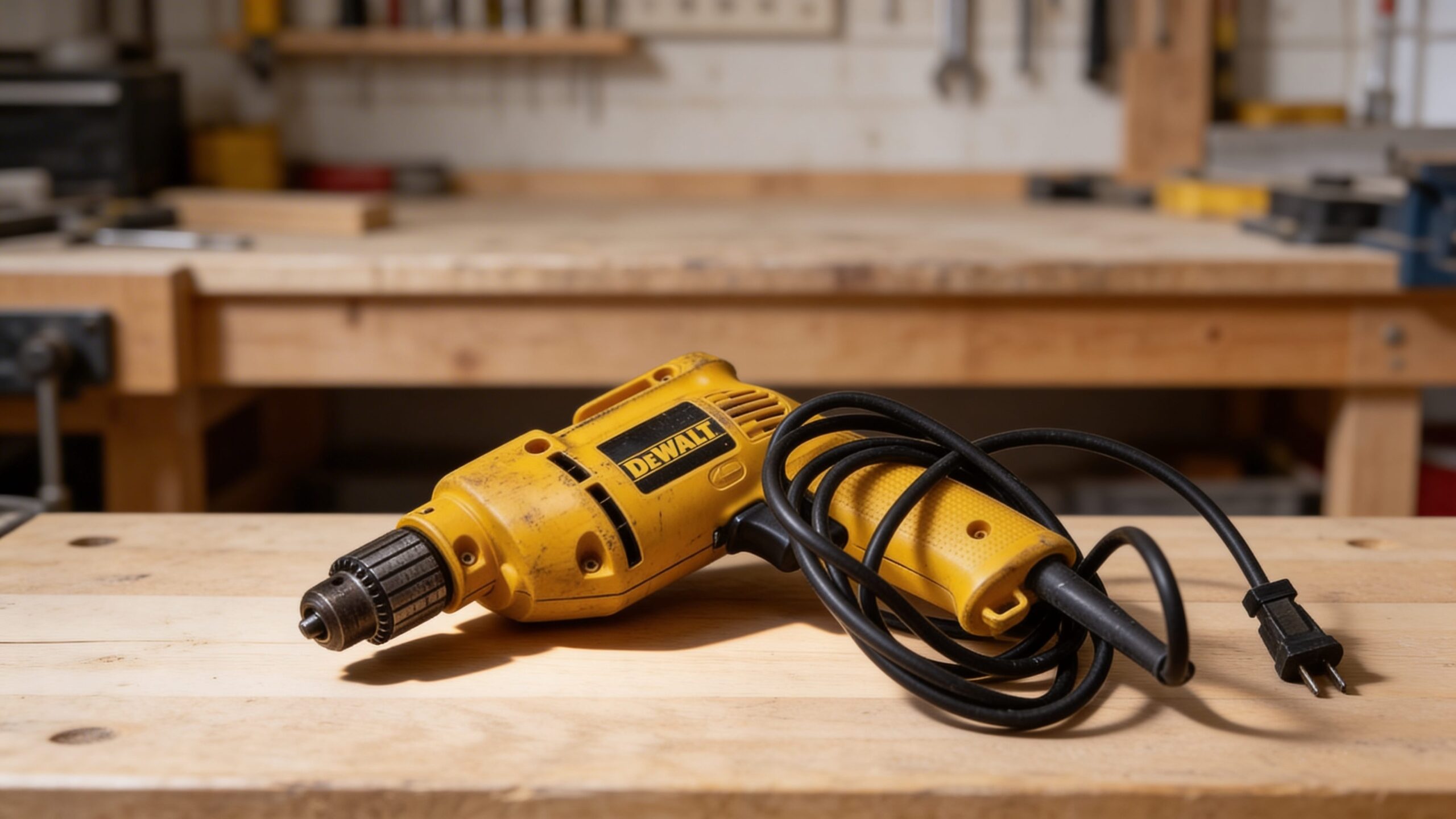
DeWalt DWD115K
More power
A heavier-duty corded drill with a stronger feel under load. It’s better suited to frequent drilling in tougher materials, trading some compact convenience for added durability and higher overall output.
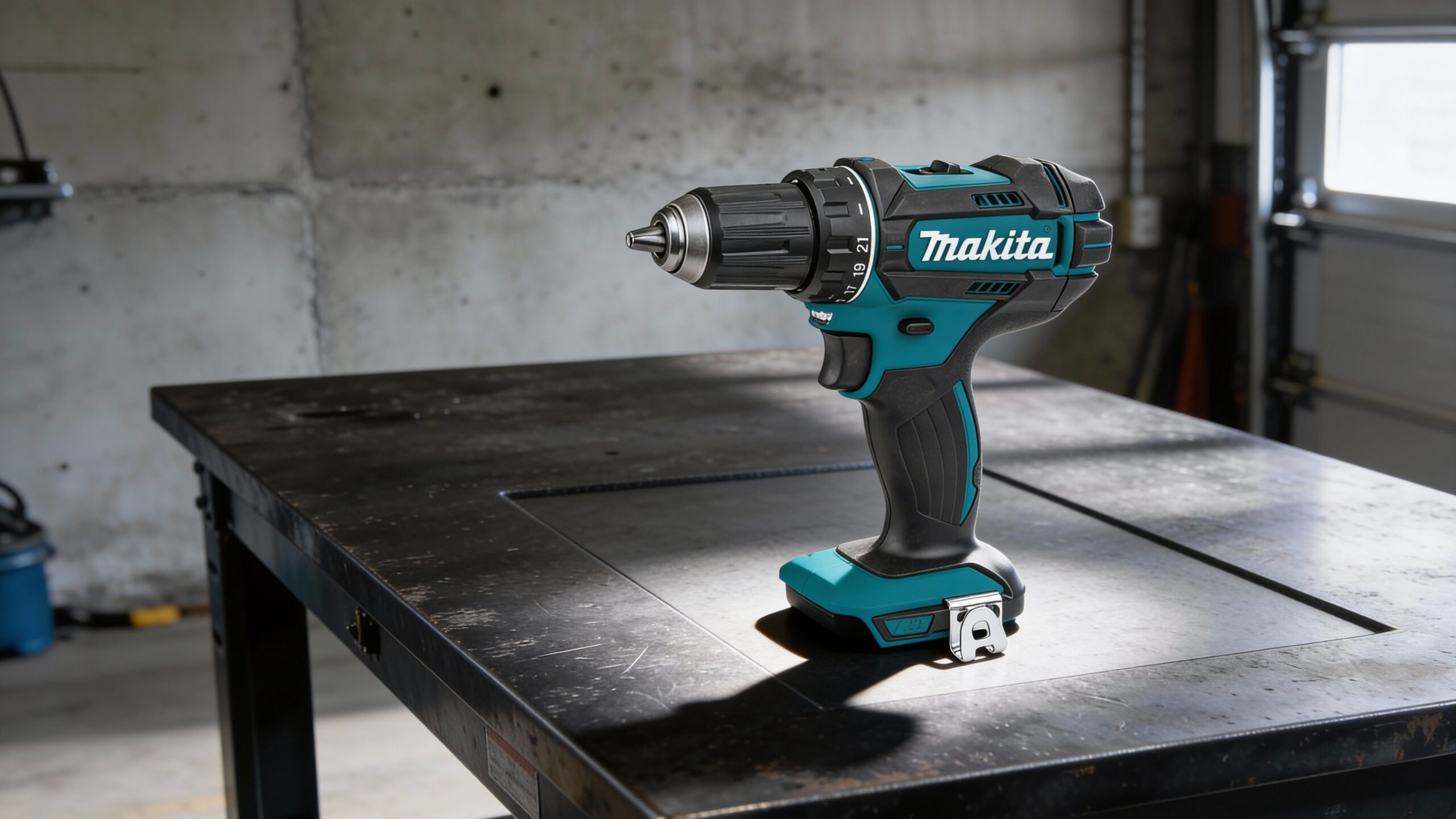
Makita XFD131 (18V LXT)
Cordless flexibility
A compact cordless drill that prioritizes mobility and convenience. It’s a better fit if you frequently work away from outlets or value portability over the always-ready consistency of a corded design.
Sources
Sources & reference notes
Specifications and product details referenced in this review were verified using publicly available manufacturer information and current retail listings. Where configurations or included accessories vary by seller, those differences are noted directly in the article.
- Bosch — product documentation and published specifications for the Bosch 1006VSR corded drill.
- General corded drill category guidance and compatibility considerations (bits, common accessories, and typical use cases).
- Retail product listings used to confirm current naming, SKU variations, and bundled accessories where applicable.
Where to Buy
Bosch 1006VSR
Corded Drill/Driver
Typical price range: $39–$79
Pricing varies by retailer and included accessories (tool-only vs bundle).
Check Current PriceReview Snapshot
Bosch 1006VSR
8.1
Steady, compact corded control
Best for routine home and shop drilling where consistency matters more than cordless mobility or heavy-duty power.
- Performance: Consistent drilling for common materials, with limits on high-load tasks
- Handling: Easy to control for clean starts and lower fatigue in longer sessions
- Value: Makes sense for frequent use when you prefer always-ready corded power
Top 10 List
See the best corded drills right now
Want the full picture? Our Top 10 breaks down the best corded drills by real-world performance, handling, and overall value.
View the Top 10Compare Models
Compare this drill head-to-head
See how the Bosch 1006VSR stacks up against other corded drills across real-world performance, handling, and overall value.
View ComparisonsAccessories You’ll Want
- Quality drill/driver bit set (reduces cam-out and stripped screws during everyday driving)
- Twist drill bit assortment (covers clean holes in wood and light metal for common hardware installs)
- Countersink and deburring set (helps screws sit flush and keeps hole edges cleaner on finished work)
- Right-angle attachment (improves access in tight spaces where the corded body can be awkward)
- Magnetic bit holder (speeds up repetitive driving and keeps bits controlled during overhead work)
Tip: With a corded drill, your day-to-day experience depends heavily on bit quality and the accessories you use most—keep a sharp, organized bit kit and you’ll get cleaner results with less effort.