Bosch 18V vs Makita LXT: Which Cordless Drill is Better for Cabinet and Finish Work? 

This head-to-head comparison examines Bosch 18V and Makita LXT drills for cabinet and finish work, focusing on control, ergonomics, and real-world tradeoffs that matter during precision-focused installs.

By: Review Streets Research Lab
Updated: February 10, 2026
Approx. 10–12 min read
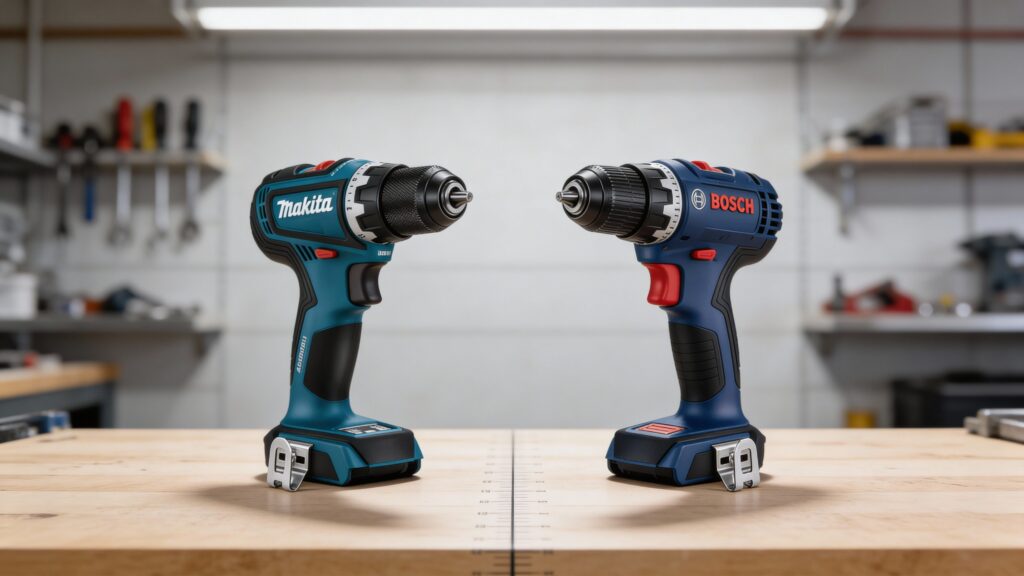
Bosch 18V and Makita LXT cordless drills side by side for cabinet and finish work comparison

Head-to-head

Cabinet & Finish Work: Bosch 18V vs Makita LXT

A clean A/B view of what matters in finish-first installs: controllable starts, clutch repeatability, balance at awkward angles, and the practical tradeoffs of committing to a battery platform for cabinetry and trim.

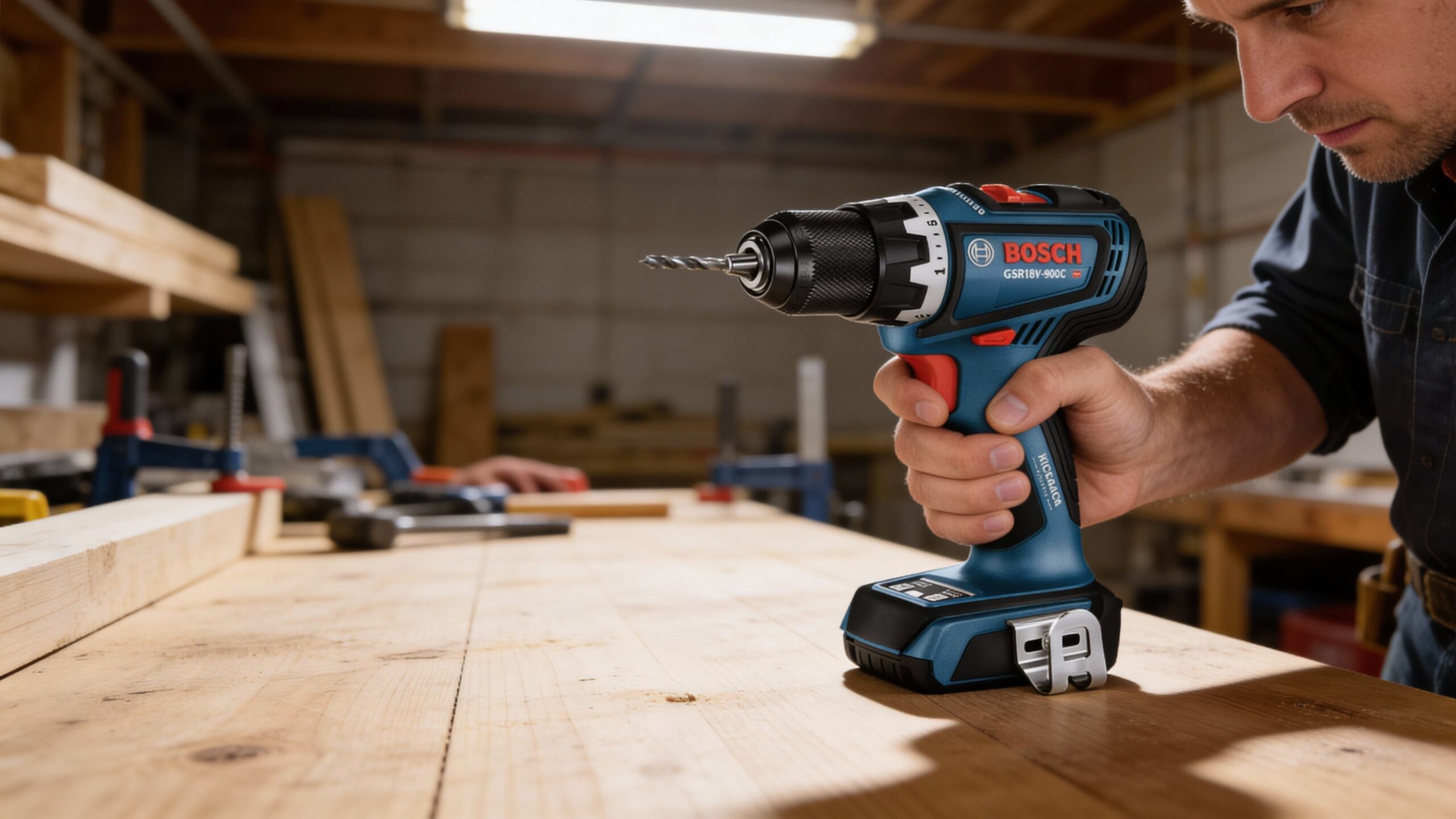
Bosch 18V cordless drill/driver

Bosch 18V cordless drill/driver

A compact, finish-friendly option that prioritizes balance and predictable control—well-suited for cabinet installs, hardware work, pilots, and repeatable screw seating where precision matters.

Score 8.6 Best for tight cabinet work Battery Bosch 18V Why buy balance + control
  • Easy to manage in tight corners and inside boxes thanks to a compact, controlled feel
  • Consistent clutch behavior for hinge screws, pulls, and finish hardware without over-driving
  • Good choice when clean starts and steady handling matter more than maximum output
VS
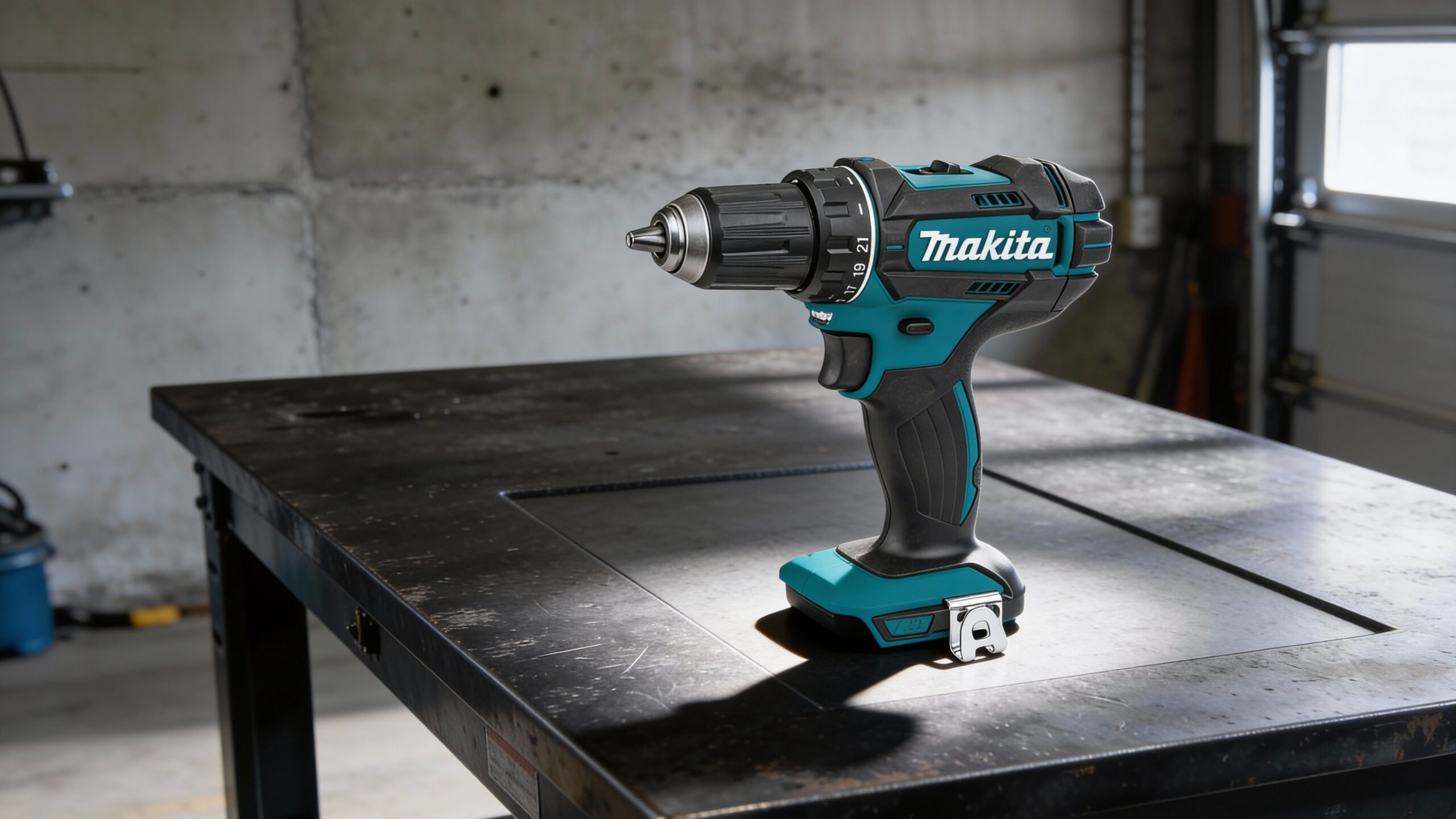
Makita 18V LXT cordless drill/driver

Makita 18V LXT cordless drill/driver

A widely adopted pro platform that blends smooth handling with strong everyday capability—ideal when cabinet work overlaps with heavier fastening, bigger pilots, and a broader cordless kit.

Score 9.0 Best for cabinet + jobsite crossover Battery 18V LXT Why buy platform depth + versatility
  • More headroom when cabinet work runs into tougher stock, larger pilots, or long fasteners
  • Comfortable handling for repetitive installs while staying capable for general tasks
  • Strong long-term upside if you plan to build beyond a drill into a full cordless kit
Verdict: Choose Makita LXT if your cabinet and finish work frequently blends into broader jobsite tasks and you want stronger all-around headroom with a deep, scalable platform. Choose Bosch 18V if your priority is compact handling and finish-friendly control for clean installs, hardware work, and repeatable screw seating in tight spaces.
Read FAQs

Deep dive

What actually matters in this matchup

In cabinet and finish work, the difference between “fine” and “clean” usually comes down to control and consistency. This matchup looks at how Bosch 18V and Makita LXT behave when starts need to be gentle, fasteners need to seat the same way every time, and the drill has to stay comfortable while working inside boxes, at odd angles, and across long runs of repetitive hardware.

Power delivery in real use: both drills can handle pilots and routine cabinet tasks, but the practical question is how often the drill feels like it’s coasting versus working. Makita typically feels more confident when you step outside pure finish work—larger pilots, denser stock, or occasional “jobsite” demands—while Bosch tends to feel more purpose-built for controlled output where over-driving is the bigger risk than stalling.

Start control and repeatable seating: cabinet hinges, pulls, and trim hardware reward a drill that ramps smoothly and stops predictably. A more consistent clutch and easier trigger modulation reduce cam-outs, stripped heads, and “one screw too deep” moments. Bosch generally favors that finish-first rhythm; Makita still does clean work, but it’s often chosen for the wider range of tasks it can cover without feeling out of place.

Balance, fatigue, and workflow: the tool that feels lighter is not always the one that works easier. Balance with a common battery size, grip comfort during fingertip control, and how manageable the drill feels when reaching into cabinets can have more impact than raw capability. Bosch often shines when space is tight and precision is constant; Makita tends to feel steadier as tasks vary through a day and the drill gets asked to do more than just hardware.

Ownership over time: for many buyers, the drill is the entry point to a platform. Makita’s LXT ecosystem tends to make the “one battery family” decision simpler when the kit is expected to grow, while Bosch can be a strong fit when the priority is a drill that stays compact and predictable for finish-centric work. The better value is the one that reduces workarounds in your typical projects, not the one with the most features on a spec sheet.

How to choose without overthinking it: if most of your drilling happens in cabinetry, trim, and install work where clean starts and consistent seating protect the finished surface, Bosch is often the more natural fit. If your cabinet work regularly blends into heavier fastening and broader tasks—and you want one drill that feels at home across more situations—Makita LXT is usually the easier long-term match.

Methodology

How we evaluated these cordless drills

This comparison focuses on finish-first, real-world work rather than spec-sheet advantages. Bosch 18V and Makita LXT were evaluated through practical cabinet and trim tasks designed to reveal differences in start control, repeatable screw seating, handling in tight spaces, and how each platform supports day-to-day install workflows.

Tasks: hinge and hardware installs with controlled seating, pilot holes in plywood and hardwood face frames, repetitive start–stop fastening runs, and awkward-angle drilling inside boxes and near corners to assess balance and precision.

What we scored: how consistently each drill starts and stops, clutch predictability across common fasteners, comfort and control over long runs, chuck confidence during repeated bit changes, and the practical ownership factors that affect daily use.

How results are interpreted: outcomes are assessed in context—cabinet and finish work rewards control and repeatability, while mixed jobsite demands can increase the value of extra headroom and a broader platform. The goal is to reflect real decision tradeoffs, not crown a universal winner.

What we ignored: advertised torque figures, isolated “max” claims, and features that don’t reliably show up as better control, cleaner results, or a smoother workflow in cabinet and finish applications.

FAQ

Bosch 18V vs Makita LXT: Common questions

Which drill is better for cabinet and finish work?
Both can handle cabinet and finish tasks, but the better choice depends on priorities. Bosch is often preferred when precise starts, consistent clutch behavior, and compact handling matter most, while Makita fits better when finish work overlaps with heavier or more varied tasks.
Is one easier to control for small screws and hardware?
Control comes down to trigger feel, clutch predictability, and balance. Many users find Bosch easier to modulate for small fasteners and repeatable seating, while Makita remains controllable but is tuned to cover a broader range of work.
How noticeable is the difference in size and balance?
The difference is most noticeable in tight spaces and inside cabinets. Bosch tends to feel more compact and nimble, while Makita often feels steadier when tasks vary and the drill is used continuously throughout the day.
Does battery ecosystem matter for this decision?
It can be a deciding factor. Makita’s LXT platform is widely adopted and easy to expand into if you plan to add more tools, while Bosch can make sense when the drill itself is the primary focus and compact performance is the priority.
Are these drills suitable for occasional heavier drilling?
Yes, within reason. Makita generally feels more comfortable when stepping into denser materials or larger pilots, while Bosch can handle those tasks but is most at home in finish-focused applications where control outweighs raw output.
Which makes more sense for long-term ownership?
Long-term value depends on how the drill fits into your broader workflow. Makita often appeals to users building a larger cordless lineup, while Bosch suits those who want a dependable, finish-oriented drill without prioritizing ecosystem expansion.

Key Takeaways

  • Bosch 18V and Makita LXT both handle cabinet and finish work well, but they emphasize different priorities in day-to-day use.
  • Bosch tends to favor precision-focused tasks, where controlled starts, predictable clutch behavior, and compact handling reduce the risk of marring finished surfaces.
  • Makita LXT generally suits workflows that blend finish work with heavier or more varied tasks, offering confidence when demands shift beyond hardware installs.
  • The most noticeable differences show up in tight spaces and repetitive runs, where balance and trigger feel influence fatigue more than raw capability.
  • Battery ecosystem considerations can outweigh tool-level differences for buyers planning to expand beyond a single drill.
  • Choosing between these platforms is less about maximum output and more about matching the drill’s behavior to how and where it will be used most often.

Verdict

Choosing the right drill for cabinet and finish work

This is a close matchup, and the better choice depends less on raw capability and more on how the drill fits into your typical workflow. Both Bosch 18V and Makita LXT are capable performers, but they prioritize different aspects of real-world use that matter during finish-focused projects.

Primary recommendation

Makita 18V LXT Cordless Drill

The more flexible choice for users whose cabinet and finish work regularly overlaps with broader drilling and fastening tasks.

  • Handles finish work confidently while maintaining headroom for tougher materials
  • Feels composed across a wider range of tasks during long workdays
  • Strong long-term fit when building or expanding a cordless tool platform

Also a strong choice

Jump to the Head-to-Head

Tip: If you already own batteries in one platform, that ecosystem commitment can matter more than small differences in feel or capability.

Where to Buy

We prioritize reputable sellers, easy returns, and reliable availability.

Price checks happen regularly. Some links may earn a commission—never affects rankings.

Accessories You’ll Want

  • Finish-friendly driver bit set (fresh Phillips and Torx bits, plus duplicates of the sizes you use for hinges and hardware)
  • Self-centering hinge drill bits (for clean, accurate pilot holes in cabinet hinges and mounting plates)
  • Brad-point drill bit set (for splinter-free starts in plywood, hardwood face frames, and trim stock)
  • Compact and high-capacity batteries (one lighter pack for balance in tight spaces, one larger pack for long install sessions)
  • Bit holder or right-angle attachment (helps reach inside cabinets and reduces dropped screws during repetitive installs)

Tip: For cabinet and finish work, prioritize accessories that improve control and reduce rework—then choose batteries that balance the drill well, not just the largest capacity.