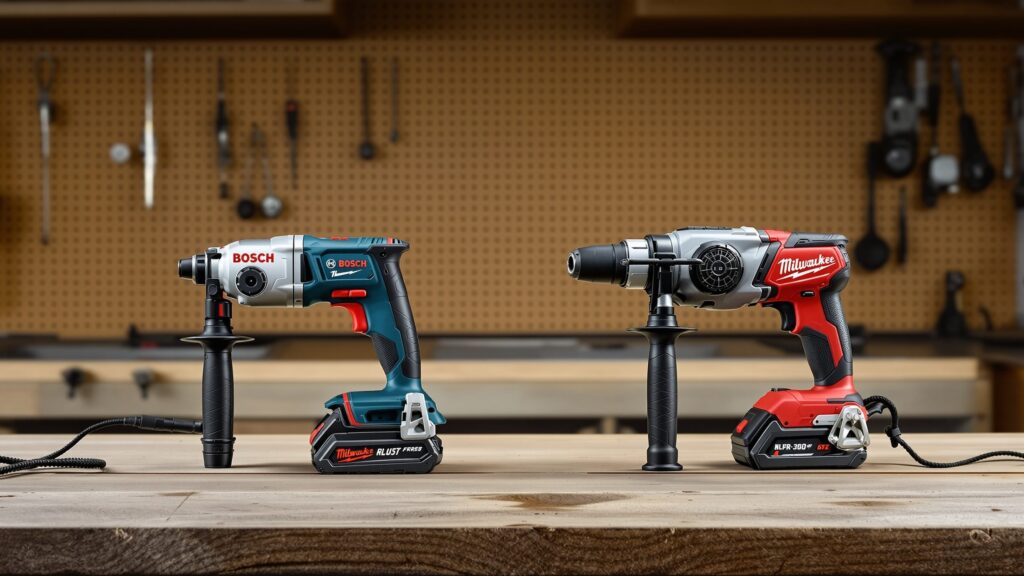
Bosch Compact vs Milwaukee Compact: Control or Torque—What Matters More?

This head-to-head comparison examines Bosch and Milwaukee compact tools through real-world use, weighing control, torque delivery, ergonomics, and practical tradeoffs to inform smarter, context-driven decisions.

By: Review Streets Research Lab
Updated: January 22, 2026
Approx. 10–12 min read
bosch-vs-milwaukee-compact-workbench-comparison

Head-to-head

Bosch Compact vs Milwaukee Compact: Control or Torque—What Matters More?

A focused A/B comparison of two compact drill platforms, examining how control, torque delivery, ergonomics, and ecosystem depth affect real-world results for working pros and serious DIY users.
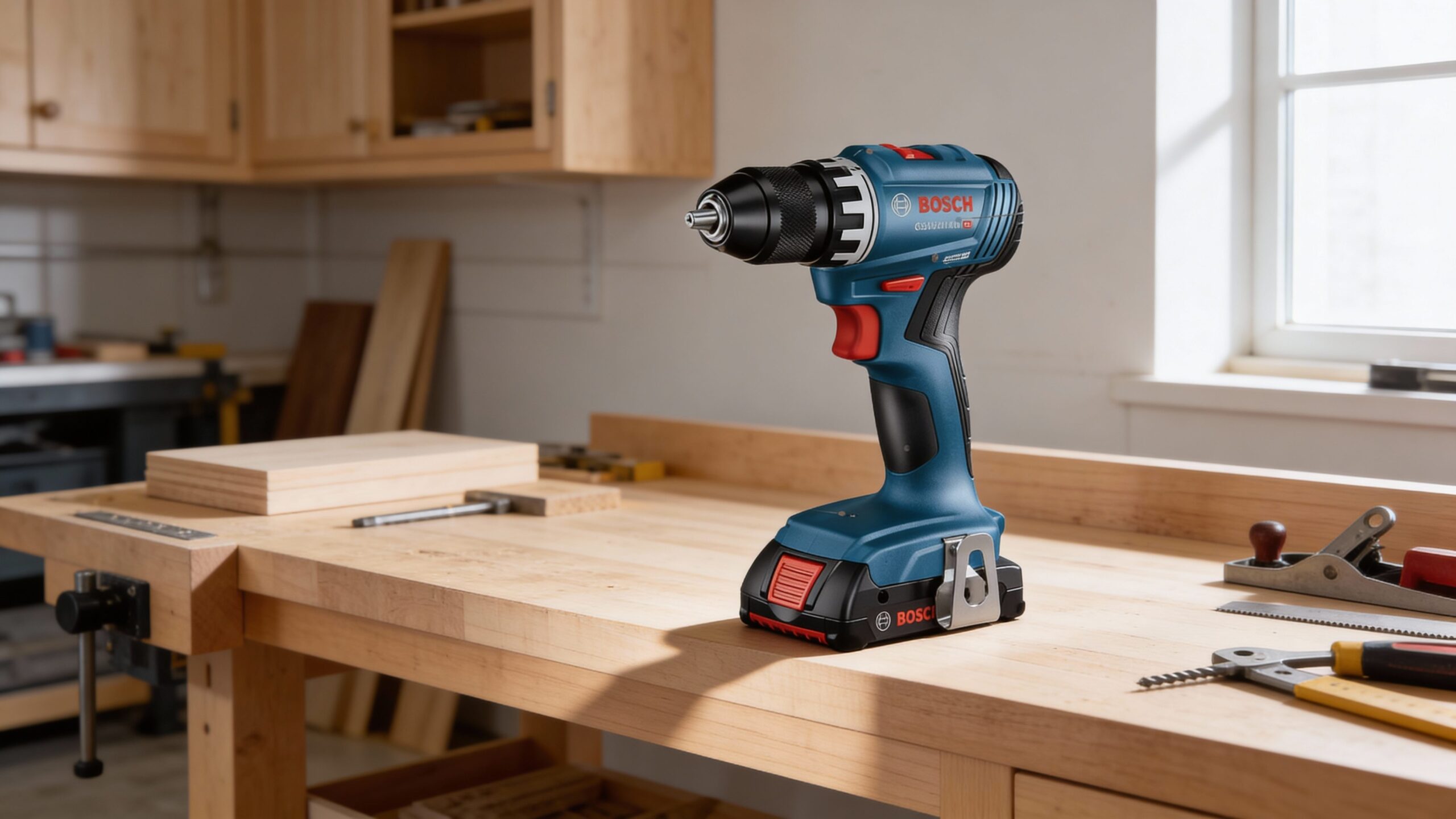
Bosch Compact cordless drill/driver

Bosch Compact cordless drill/driver

A precision-focused compact drill known for smooth startup, predictable clutch behavior, and excellent control in finish work, cabinetry, and repetitive fastening.

Score 9.1 Best for control-focused tasks Battery 18V Compact Why buy precision + balance
  • Exceptionally smooth trigger response for clean starts and accurate screw seating
  • Compact feel reduces fatigue during overhead or detail-oriented work
  • Strong choice when control matters more than raw driving force
VS
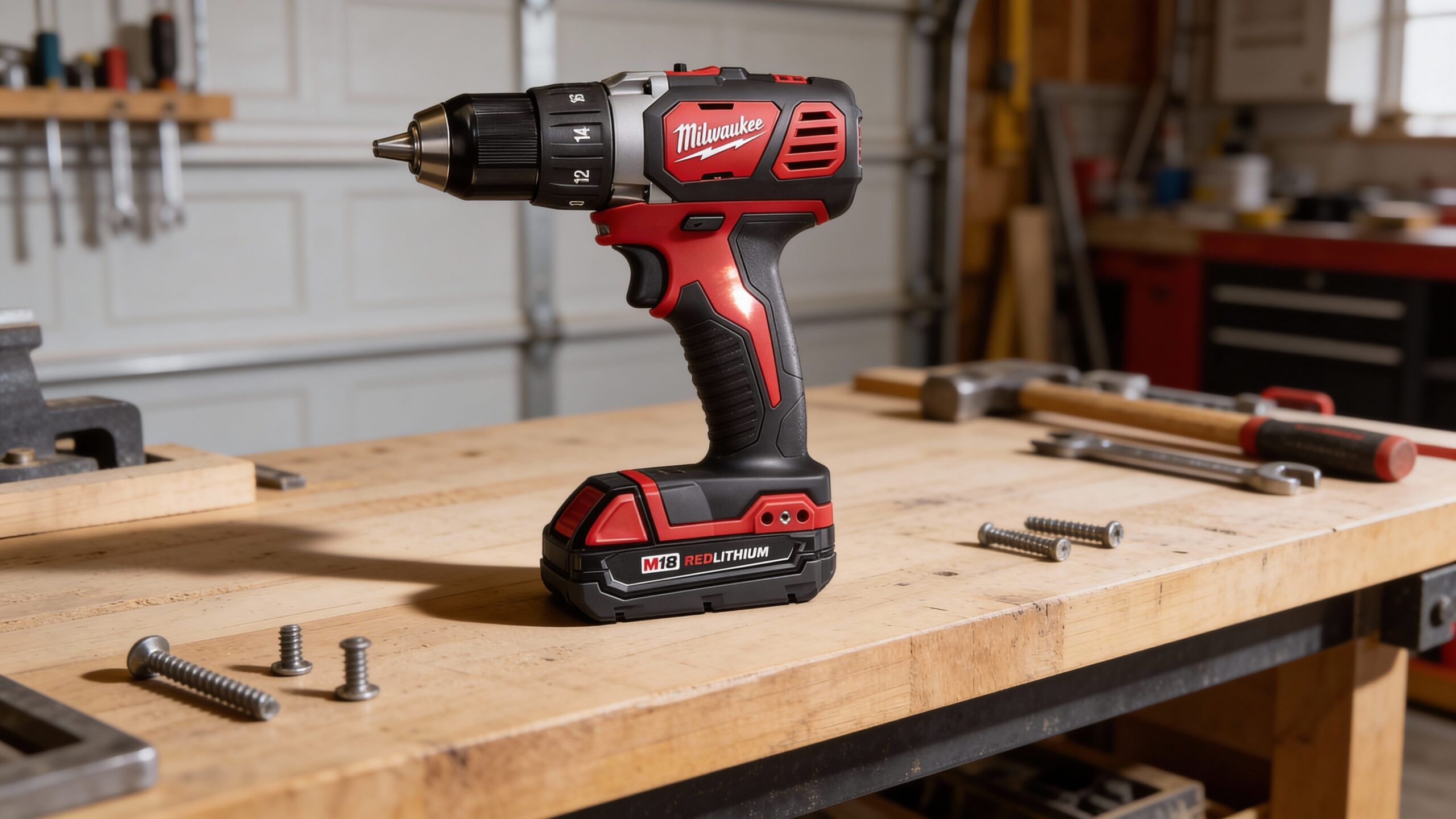
Milwaukee Compact cordless drill/driver

Milwaukee Compact cordless drill/driver

A torque-forward compact drill that feels confident under load, making it well suited for tougher fastening, light framing, and denser materials.

Score 8.9 Best for demanding fasteners Battery M18 Why buy torque + platform depth
  • Stronger push when driving longer screws or working in harder stock
  • Feels more aggressive, especially at lower speeds
  • Excellent fit if you already own other M18 tools
Power under load
Adequate for compact class
Stronger, more assertive
Milwaukee
Control & clutch consistency
Excellent, very predictable
Good, but more aggressive
Bosch
Ergonomics (feel + fatigue)
Compact, well-balanced
Solid grip, slightly heavier feel
Bosch
Value (typical kit pricing)
Competitive in compact kits
Often priced higher
Bosch
Battery ecosystem depth
Moderate
Very large
Milwaukee
Real-world context
This comparison reflects aggregated professional reviews, user feedback, and typical use cases to show how each compact drill tends to perform in everyday work.

Bosch — Why people choose it

  • Superior control for finish work and precise fastening
  • Light, compact feel that stays comfortable during longer sessions
  • Strong choice when accuracy outweighs brute force

Milwaukee — Why people choose it

  • More confidence when driving into dense or resistant materials
  • Well suited for mixed-duty tasks beyond light fastening
  • Deep M18 platform for users expanding into other cordless tools
Verdict: Choose Bosch if your work prioritizes control, consistency, and reduced fatigue in compact drilling and fastening tasks. Choose Milwaukee if you want a compact drill that leans toward torque and integrates into a larger, power-focused cordless ecosystem.
Read FAQs

Deep dive

What actually matters in this matchup

Both of these compact drills are capable on paper, but the meaningful differences emerge in day-to-day use. This matchup comes down to how power is delivered when resistance increases, how controllable the tool feels at the start of a fastener, how balanced it remains with common batteries, and how confidently it performs over longer stretches of work.

Power delivery vs. control: Milwaukee’s compact drill tends to feel more forceful when driving into denser material or pushing larger fasteners, which can speed up demanding tasks. Bosch, by contrast, emphasizes smoother engagement and more predictable response, making it easier to avoid overdriving or cam-out during precise work.

Balance and fatigue over time: In extended use, small differences in weight distribution and grip comfort become noticeable. Bosch’s compact, controlled feel often translates to less hand strain during repetitive fastening or overhead work, while Milwaukee’s slightly more aggressive character favors users who frequently lean on the tool under load.

Ownership and long-term flexibility: Battery ecosystem depth and tool compatibility matter well beyond the drill itself. Milwaukee’s broader platform can make sense when the drill is part of a growing cordless lineup, while Bosch’s approach appeals to those prioritizing precision-focused tools and a more streamlined kit.

Methodology

How we evaluated these cordless drills

These compact cordless drills were evaluated through practical, real-world tasks designed to surface meaningful differences in control, power delivery, comfort, and long-term usability rather than headline specifications or isolated lab results.

Tasks: controlled drilling and fastening in common building materials, repeated start-and-stop fastening to assess trigger and clutch behavior, and extended handling to evaluate balance and fatigue during typical work sessions.

What we scored: how consistently each drill delivers usable power, how predictable and controllable it feels at low speeds, overall ergonomics and comfort, perceived build quality, and the practical value of the surrounding battery ecosystem.

How results are interpreted: outcomes are weighed in context, recognizing that the relative importance of torque, control, comfort, and platform depth changes depending on task demands, frequency of use, and ownership horizon.

What we ignored: manufacturer-claimed torque figures, peak ratings, and feature callouts that do not consistently translate into repeatable, real-world performance or improved day-to-day workflow.

FAQ

Bosch Compact vs Milwaukee Compact: Common questions

Is there a noticeable difference in how these drills feel during everyday use?
Yes. Bosch tends to feel smoother and more controlled at the trigger, which can make precise fastening easier, while Milwaukee feels more forceful when resistance increases, especially in tougher materials.
Which drill is easier to manage during longer or repetitive tasks?
Users often notice Bosch’s balanced feel and predictable engagement during extended sessions, which can help reduce fatigue. Milwaukee’s compact drill may feel more demanding over time but can move work along faster when more force is needed.
Does battery ecosystem matter if I’m only buying a drill?
It can. If the drill is likely to be your only cordless tool, the ecosystem may matter less. If you expect to add more tools later, Milwaukee’s broader platform can offer more long-term flexibility.
Are both drills suitable for tight or overhead work?
Both are compact enough for confined spaces, but Bosch’s smoother control and lighter feel can be easier to manage overhead or in cabinets, while Milwaukee prioritizes power delivery in the same footprint.

Key Takeaways

  • This matchup is less about maximum capability and more about how power is delivered, with Milwaukee favoring a stronger push under load and Bosch emphasizing smoother, more controllable engagement.
  • Control and balance can matter as much as output in everyday use, particularly during repetitive fastening or overhead work where Bosch’s calmer response may feel easier to manage.
  • Milwaukee’s compact drill tends to suit tasks where resistance is common and work pace benefits from firmer power delivery, even within a small form factor.
  • Comfort and fatigue become deciding factors over longer sessions, making subtle differences in ergonomics and trigger behavior more noticeable than headline performance claims.
  • Ownership considerations extend beyond the drill itself, as Milwaukee’s broader battery ecosystem may appeal to those planning future tool expansion, while Bosch aligns well with a more focused, precision-oriented setup.
  • For most users, choosing between these drills comes down to prioritizing control and ease versus assertiveness and platform depth, rather than expecting one to replace the other outright.

Verdict

Choosing Between Control and Torque

This is a close, well-matched comparison. The deciding factor is not overall capability, but how each drill fits into real-world work patterns—whether priorities lean toward precision, comfort, and consistency, or toward more assertive power delivery and long-term platform expansion.

Recommended Choice

Bosch Compact Cordless Drill/Driver

A strong fit for users who value control, predictable behavior, and reduced fatigue during repetitive or detail-oriented work.

  • Smoother, more controllable engagement during starts and finishes
  • Balanced feel that stays comfortable over longer sessions
  • Well suited to precision tasks, tight spaces, and mixed workloads

Also consider

Jump to the Head-to-Head

Tip: Existing battery ownership and future tool plans can outweigh small differences in feel or performance.

Where to Buy

We prioritize reputable sellers, easy returns, and reliable availability.

Price checks happen regularly. Some links may earn a commission—never affects rankings.

Accessories You’ll Want

  • Multi-material drill bit set (wood, metal, and masonry bits to cover everyday drilling tasks)
  • High-quality driver bit assortment (Phillips, Torx, square, and hex for consistent fastening and fewer stripped screws)
  • Spare battery pack (a compact battery for balance and a higher-capacity option for longer work sessions)
  • Compact tool case or soft bag (keeps the drill, batteries, and bits organized and protected)
  • Magnetic bit holder or extension (improves reach and control in tight or recessed fastening spots)

Tip: Battery compatibility often matters more than the drill itself—choosing a platform that fits future tools can save money and reduce clutter over time.