Bosch GBM9-16 vs Makita DS4012: Which Mixing Drills Is Better?

The Bosch GBM9-16 and Makita DS4012 are heavy-duty mixing drills built for demanding jobsite tasks. This head-to-head comparison examines power, control, ergonomics, and real-world performance to clarify meaningful differences and tradeoffs.

By: Review Streets Research Lab
Updated: February 26, 2026
Approx. 10–12 min read
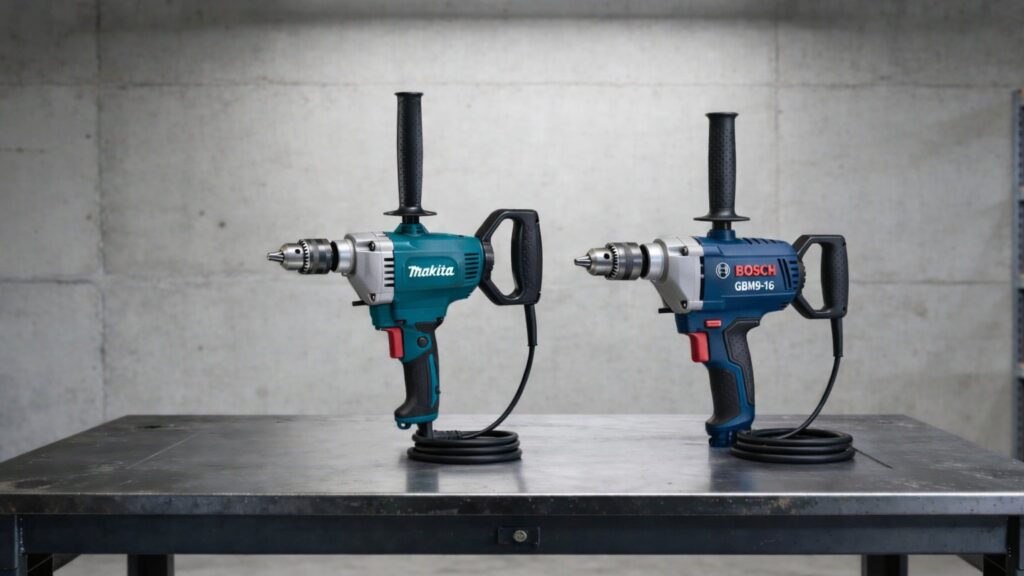
Bosch GBM9-16 and Makita DS4012 mixing drills side by side on workbench for professional head-to-head comparison

Head-to-head

Bosch GBM9-16 vs Makita DS4012: Which Mixing Drills Is Better?

A clean A/B view of what matters on pro mixing jobs: sustained power in heavy materials, start-up control, handle comfort, chuck security, and the long-term practicality of owning a corded mixer on busy sites.
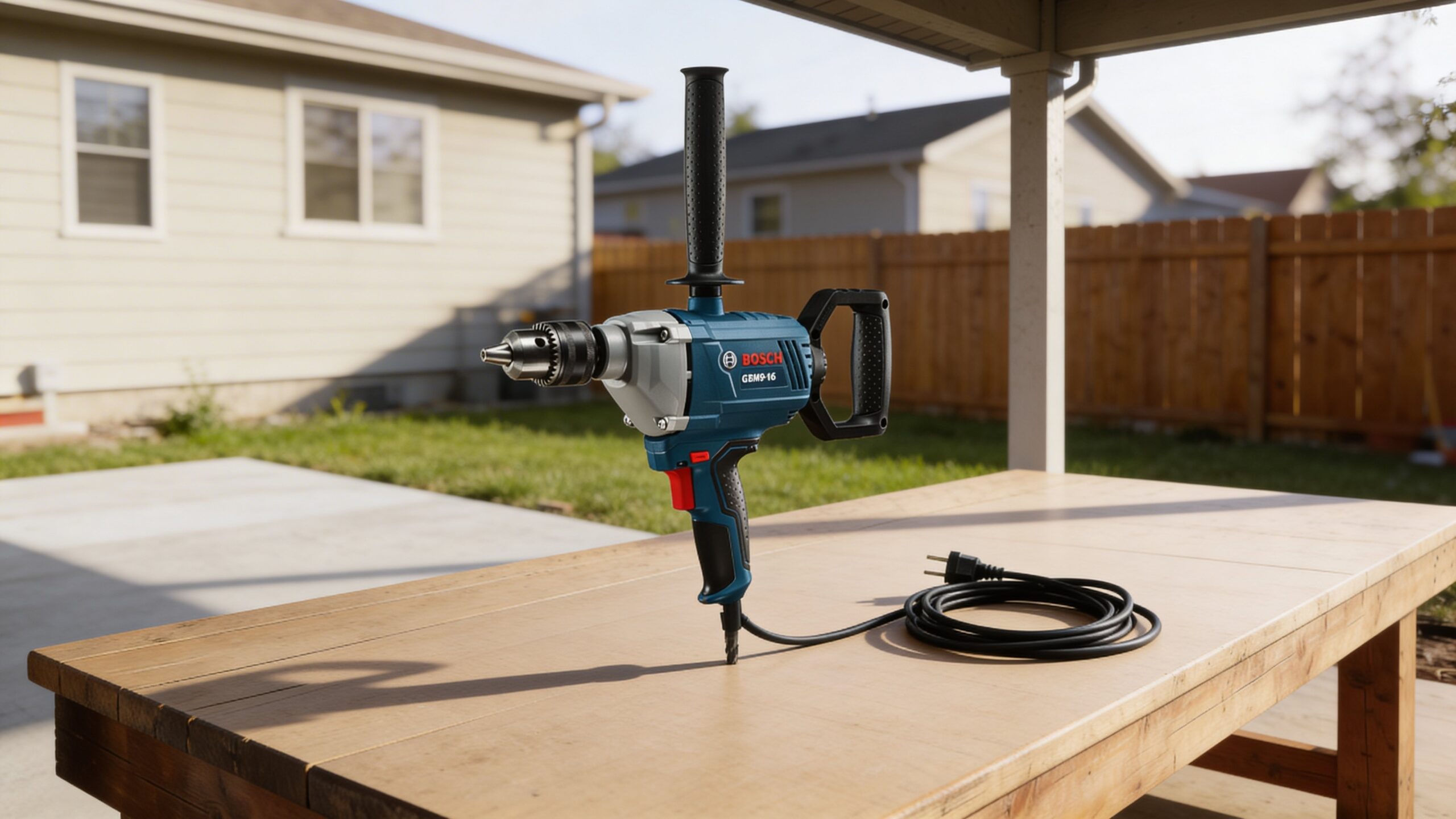
Bosch GBM9-16 mixing drill

Bosch GBM9-16 mixing drill

A purpose-built corded mixer that feels composed in thicker materials, with a spade-handle layout that supports steady starts and controlled mixing for mortar, thinset, and paint.

Score 8.8 Best for heavy mixes + control Battery Corded Why buy steadier load handling
  • More confidence when the mix thickens and you need to keep the paddle moving
  • Predictable low-speed behavior for cleaner starts and fewer splashes
  • A good fit for crews that mix frequently and want consistent, plug-in uptime
VS
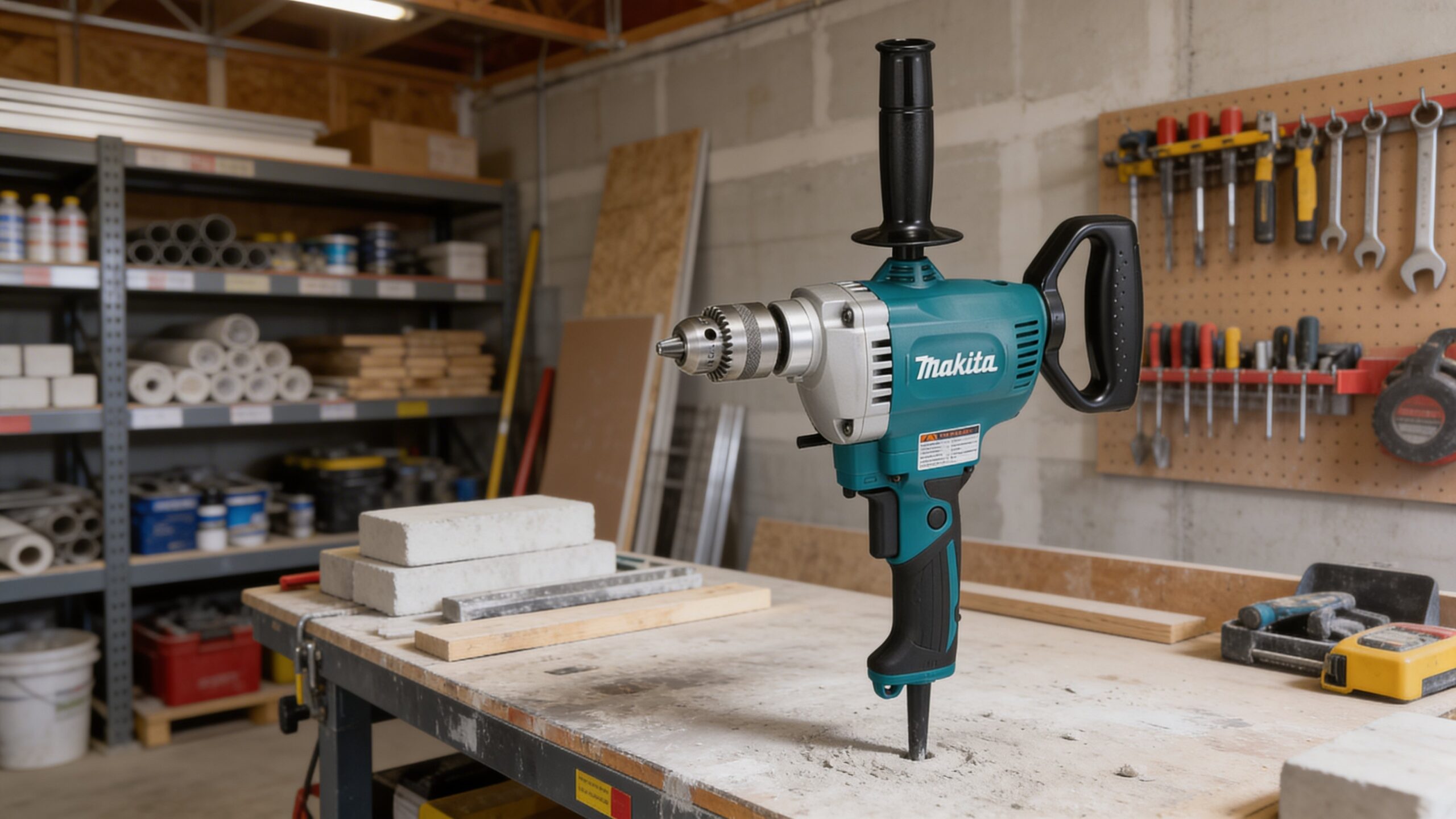
Makita DS4012 mixing drill

Makita DS4012 mixing drill

A straightforward, jobsite-tough spade-handle drill that’s easy to live with for routine mixing and hole-boring, especially when you want a simple corded tool with familiar handling.

Score 8.4 Best for general mixing duty Battery Corded Why buy simple + dependable
  • Comfortable, familiar spade-handle control for everyday buckets and batches
  • Good choice when you want one corded tool that can mix and drill as needed
  • Typically a practical buy when your mixing demands are steady but not extreme
Power under load
Stays composed in thicker mixes
Strong for routine batches
Bosch
Control & clutch consistency
More predictable starts at low speed
Good control with a familiar feel
Bosch
Ergonomics (feel + fatigue)
Stable grip for long mixes
Comfortable, straightforward handling
Makita
Value (typical kit pricing)
Higher spend for mixer-focused feel
Often the simpler, lower-cost route
Makita
Battery ecosystem depth
Not applicable (corded)
Tie
Real-world context
This comparison reflects a synthesis of professional reviews, manufacturer data, long-term user feedback, and use-case patterns to highlight how each drill typically performs in everyday projects.

Bosch — Why people choose it

  • More confident feel when mixing heavier materials that load the paddle
  • Smoother, more controlled starts that help reduce splatter and air entrainment
  • Better fit for frequent mixing where consistency matters across many batches

Makita — Why people choose it

  • Simple, dependable spade-handle layout that’s easy to pick up and use
  • Solid everyday performance for moderate mixes and general jobsite drilling needs
  • Good value when you want a capable corded tool without paying for extra refinement
Verdict: Choose Bosch if mixing is a frequent, high-load task—thick mortar, thinset, or repeated batches—where steadier control and better “stay with it” behavior matter more than saving a few dollars. Choose Makita if your mixing is routine and you want a straightforward, jobsite-tough corded spade-handle drill that covers everyday buckets with a more value-friendly buy-in.
Read FAQs

Deep dive

What actually matters in this matchup

These are both corded spade-handle drills that can be used for mixing, but the meaningful differences show up in how they behave when the bucket gets heavy: how smoothly they start, how well they keep the paddle moving without feeling twitchy, how stable the handles feel when the mix thickens, and how much control you retain if the material grabs or changes consistency mid-batch.

For frequent mixing (mortar, thinset, leveling compounds): the priority is controlled starts and steady “push-through” feel as viscosity changes. The Bosch GBM9-16 tends to favor a more composed, mixer-like experience when the load is consistent and heavy, while the Makita DS4012 generally fits better when the mixing demands are regular but not constantly at the thickest end of the spectrum.

For control and fatigue over long sessions: spade-handle layout matters most when you’re holding the tool against torque reaction. Small differences in balance and handle comfort can affect wrist and forearm fatigue more than raw power claims. The Bosch often rewards a steadier, two-handed stance during longer mixes, while the Makita’s straightforward feel can be easier to live with for shorter batches and general-purpose use between tasks.

For ownership and workflow on real jobs: corded reliability is the common advantage here—no battery planning, consistent output when power is available, and predictable performance across repeated batches. The decision usually comes down to how often you mix heavy materials and how sensitive your work is to start-up control and bucket handling. Choose the Bosch GBM9-16 when mixing is a core task and you want the calmer, more controlled feel under sustained load; choose the Makita DS4012 when you want a dependable, multipurpose corded spade-handle drill that covers routine mixing and drilling needs without over-optimizing for the hardest mixes.

Methodology

How we evaluated these mixing drills

Our evaluation focused on real mixing and jobsite handling tasks that expose meaningful differences between corded spade-handle mixers, not spec-sheet claims. Each model is assessed in practical scenarios designed to reveal how it starts, how it holds steady under thickening material, and how workable it feels over repeated batches.

Tasks: mixing common jobsite materials across light-to-thick consistency (paint and coatings, drywall compound, thinset/mortar), repeated start–stop cycles to judge splash control and predictability, and bucket-position changes to evaluate stability when the paddle loads or the mix grabs.

What we scored: sustained mixing performance under load, start-up control and smoothness, handle comfort and two-handed stability, fatigue over multi-batch sessions, build-quality confidence (chuck security and housing robustness), and ownership practicality (corded reliability, accessory compatibility, and day-to-day workflow).

How results are interpreted: outcomes are judged with a context-aware approach—thick mortar mixing, occasional compound batches, and multipurpose drilling/mixing can favor different strengths—so conclusions focus on which tool better fits specific work patterns rather than a one-size-fits-all answer.

What we ignored: marketing-first claims, isolated lab-style numbers, or “max” specs that don’t consistently translate into smoother starts, steadier mixing, lower fatigue, or more reliable bucket-to-bucket results in everyday use.

FAQ

Bosch GBM9-16 vs Makita DS4012: Common questions

Are these true mixing drills, or just spade-handle drills that can mix?
Both are corded spade-handle drills that are commonly used for mixing when paired with the right paddle. They can work very well for paint, compound, and mortar, but the best results depend on using proper paddles, controlling starts, and matching the tool to the thickness of the material.
Which one makes more sense for frequent thinset or mortar mixing?
If mixing heavy materials is a regular part of the workflow, the Bosch GBM9-16 tends to be the safer fit because it’s oriented toward steadier control when the bucket loads up. The Makita DS4012 can still handle mortar, but it’s often a better match when heavy mixing is occasional rather than constant.
Do I need a specific paddle or chuck setup for either drill?
Yes—paddle choice and proper tightening matter more than most buyers expect. Use a paddle size that matches the bucket and material, and confirm the shank type fits the chuck securely; a poorly matched or loosely tightened setup can cause wobble, slipping, or inconsistent mixing.
What matters most for clean starts and less splatter?
Start-up control is the key: begin with the paddle fully submerged, use a steady two-handed stance, and ramp up gradually. Differences between these tools show up most when you’re starting thicker mixes, where smoother low-speed behavior can reduce splashing and keep the paddle from grabbing abruptly.

Key Takeaways

  • The Bosch GBM9-16 leans more toward a dedicated mixing feel, especially when working with thicker materials that demand steadier control under sustained load.
  • The Makita DS4012 makes more sense when mixing is part of a broader set of tasks and you want a dependable corded spade-handle drill that can flex between roles.
  • In real use, start-up smoothness and handle stability matter more than peak power claims, particularly for reducing splatter and fatigue over multiple batches.
  • Because both are corded, the decision is less about platform commitment and more about how often and how heavily you mix.
  • For occasional or moderate mixing, the practical differences may feel subtle; for frequent heavy batches, small control advantages become more noticeable over time.
  • The better choice ultimately depends on workload intensity and how central mixing is to your day-to-day tasks, not on isolated specs.

Verdict

The Better Mixing Drill for Heavier, Frequent Batches

In this head-to-head, the deciding factor is how each drill behaves when the mix thickens and the workload becomes repetitive. Small differences in start-up smoothness, handle stability, and composure under load matter more over time than headline specs.

Recommended for heavy-duty mixing

Bosch GBM9-16 Mixing Drill

A stronger fit when mixing is a core task and steadier control during dense batches is a priority.

  • More composed feel when materials become thicker and resist the paddle
  • Smoother low-speed behavior that supports cleaner starts
  • Well-suited to repeated bucket mixing over longer sessions

Also consider

Jump to the Head-to-Head

Tip: If mixing is occasional and not consistently heavy, the practical differences narrow—choose based on comfort, handling preference, and how central mixing is to your workflow.

Where to Buy

We prioritize reputable sellers, easy returns, and reliable availability.

Price checks happen regularly. Some links may earn a commission—never affects rankings.

Accessories You’ll Want

  • Mixing paddle set (choose sizes and styles matched to thinset, mortar, drywall mud, and paint)
  • Heavy-duty mixing bucket (stiffer walls and a stable base help reduce wobble and spill risk)
  • Bucket lid or dust cover (useful for staging batches, keeping debris out, and reducing mess between mixes)
  • Safety glasses and chemical-resistant gloves (important for splatter control and skin protection with cement-based mixes)
  • Cleaning brush and rinse container (makes it faster to clean paddles before material sets, extending accessory life)

Tip: Prioritize paddle fit and bucket technique—most “mixing problems” come from the wrong paddle size, poor tightening, or starting too fast, not the drill itself.